
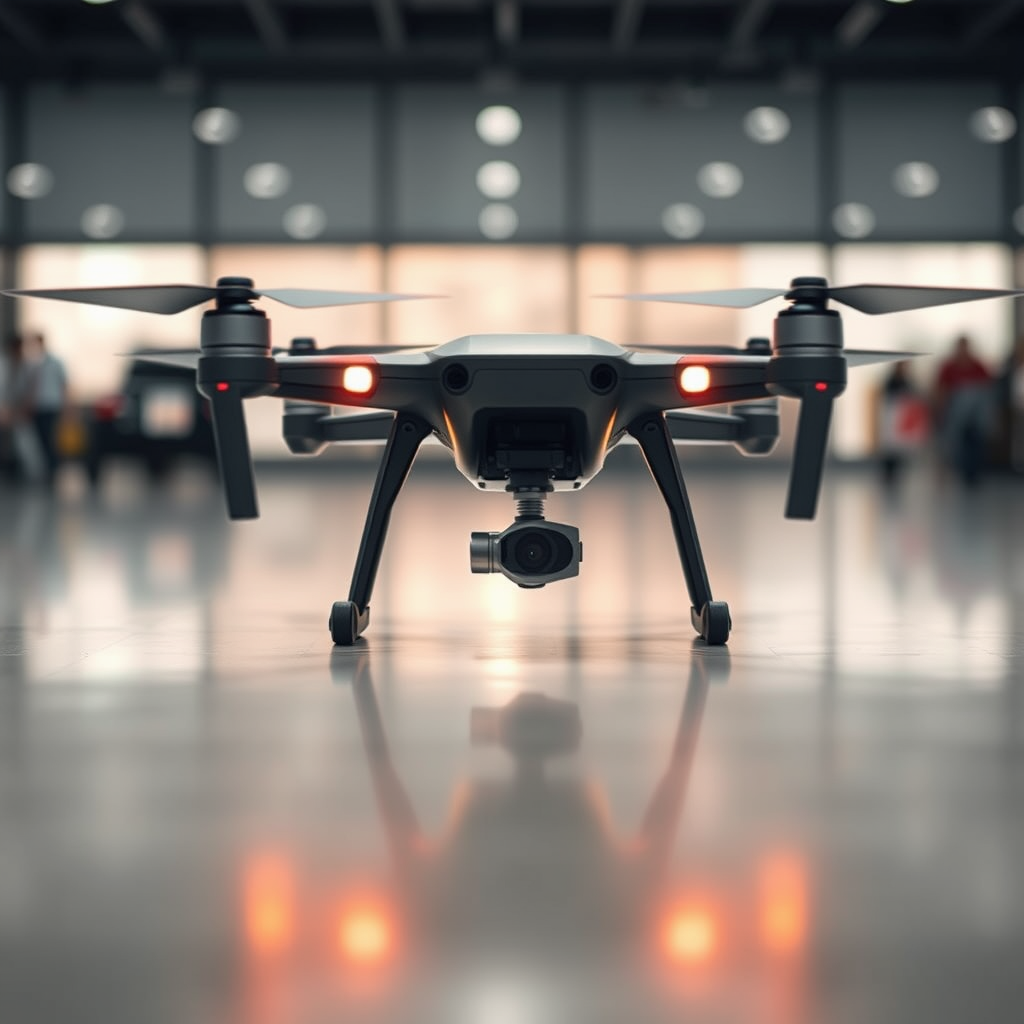
Yes, you can carry drone batteries on a plane, but there are specific regulations you must follow to ensure safety and compliance. Understanding these guidelines is crucial for travelers who wish to bring their drones and associated batteries on board. Most airlines and aviation authorities have established comprehensive rules regarding the transport of lithium-ion batteries, which are widely used in drones. Failing to adhere to these regulations could lead to significant travel disruptions, including fines or confiscation of your equipment.
Understanding Airline Regulations
Airlines often have specific rules about carrying lithium batteries, and these can vary significantly between carriers. For instance, while most airlines allow passengers to carry batteries under a certain watt-hour (Wh) limit, some may impose restrictions based on the battery type or the drone itself. Notably, international airlines may also follow guidelines set forth by the International Air Transport Association (IATA) or local aviation authorities, which can further complicate matters. Therefore, it is essential to check with your airline prior to travel for any unique requirements that may apply to your situation. Always ensure you have the latest information, as regulations can change frequently in response to safety concerns or technological advancements.
Battery Size and Capacity Limits
When it comes to transporting drone batteries, size and capacity are paramount. Generally, batteries under 100Wh are typically allowed in carry-on luggage without the need for special permissions. These batteries are often found in smaller drones and are less likely to pose a significant risk. However, for batteries that fall between 100Wh and 160Wh, you may need to obtain explicit approval from your airline before travel. This category includes many high-performance drone batteries, which are capable of powering more robust models. It is essential to accurately determine the watt-hour rating of your batteries, as exceeding these limits can lead to severe penalties or even being barred from flying with your equipment.
Packing Your Batteries Safely
Properly packing your drone batteries is crucial for ensuring safety during air travel. To prevent short circuits, it is advisable to use protective cases or the original packaging that the batteries came in. This additional protection not only minimizes the risk of damage but also helps contain any potential hazards. Furthermore, ensure that the battery terminals are taped over to avoid accidental connections, which could lead to overheating or fires. Some travelers also opt to use battery bags specifically designed for transporting lithium batteries, which provide an extra layer of safety. By taking these precautions, you are not only complying with regulations but also contributing to the overall safety of air travel.
Carry-On vs. Checked Baggage
It is critical to understand the differences between carrying lithium batteries in your carry-on luggage versus checked baggage. Airlines universally recommend that you always carry lithium batteries in your carry-on luggage. The reason for this is simple: checked baggage can lead to increased fire risk if a battery malfunctions or experiences a short circuit. In the confined space of an aircraft’s cargo hold, a fire can escalate quickly, posing a serious threat to both passengers and crew. Moreover, in the cabin, flight attendants are better positioned to manage any battery-related incidents, ensuring that the situation is handled swiftly and effectively. Therefore, make it a point to keep all your drone batteries with you throughout your journey.
International Travel Considerations
When traveling internationally, it’s vital to be aware that different countries may have varying regulations on battery transport. For example, while the United States and many European countries have standardized guidelines, some nations may impose stricter rules or even outright bans on certain types of batteries. Research destination-specific rules to avoid fines or confiscation upon arrival. This research can often be done through the airline’s website or by consulting the embassy or consulate of your destination country. Additionally, it’s wise to familiarize yourself with local laws regarding drone operation, as they can vary widely and may affect your ability to use your drone once you arrive.
What to Do in Case of Issues
In the event that you encounter issues with your battery while traveling, it’s important to know how to report a problem to airline staff promptly. Most airlines have established protocols for handling battery-related incidents, and being prepared can help mitigate any potential issues. Familiarizing yourself with emergency procedures related to battery incidents is also essential. For instance, knowing where the nearest fire extinguisher is located can be crucial in an emergency. Moreover, if a battery shows signs of swelling, leakage, or overheating, do not attempt to board the flight with it. Instead, inform the airline staff immediately and follow their guidance. Being proactive in these situations can prevent serious repercussions.
In conclusion, carrying drone batteries on a plane is permissible if you follow the established guidelines. Always check with your airline and ensure safe packing practices to avoid any travel disruptions. Understanding the size and capacity limits, differentiating between carry-on and checked baggage, and being aware of international regulations will make your travel experience smoother and compliant. Being prepared and informed ensures that your journey with your drone remains enjoyable and hassle-free, allowing you to focus on capturing stunning aerial footage without the worry of logistical complications.
Frequently Asked Questions
Can you carry drone batteries on a plane in your carry-on luggage?
Yes, you can carry drone batteries on a plane in your carry-on luggage, but there are specific regulations you need to follow. Most airlines allow lithium-ion batteries that are under 100 watt-hours (Wh) in carry-on bags, but it’s essential to check with your airline for their exact policies. Batteries exceeding this limit may be subject to additional restrictions or may need to be transported as cargo.
What are the regulations for transporting lithium batteries on a flight?
Regulations for transporting lithium batteries on flights are governed by the International Air Transport Association (IATA) and vary by airline. Generally, lithium-ion batteries must be under 300 watt-hours (Wh) for carry-on, while batteries between 100 Wh and 300 Wh typically require airline approval. Always ensure that battery terminals are protected from short-circuiting, either by using original packaging or insulating terminals with tape.
Why can’t drone batteries be checked in luggage?
Drone batteries, especially lithium-ion types, cannot be checked in luggage due to safety concerns regarding fire hazards. In the event of a battery malfunction, it is easier for crew members to manage potential fire or smoke in the cabin rather than in the cargo hold. This regulation aims to prioritize passenger safety while ensuring that hazardous materials are handled appropriately during flights.
What is the best way to pack drone batteries for air travel?
The best way to pack drone batteries for air travel is to keep them in their original packaging if possible, as it provides the safest protection. If original packaging isn’t available, place each battery in a separate plastic bag to prevent short-circuiting. Also, ensure that the battery terminals are covered with electrical tape or a similar insulator, and avoid packing batteries with other electronics that could lead to damage.
Which airlines have specific rules about carrying drone batteries?
Most major airlines, including American Airlines, Delta, and United, have specific rules regarding carrying drone batteries. It’s crucial to check the airline’s website prior to your flight for the latest policies, as regulations can vary significantly. Some airlines may have stricter limits on watt-hours or may require that batteries be transported in carry-on rather than checked baggage, so always verify the airline’s guidelines to avoid any travel disruptions.
References
- https://www.faa.gov/uas/getting_started/know_before_you_fly/batteries
- https://www.tsa.gov/travel/security-screening/whatcanibring/items/lithium-batteries
- https://www.nytimes.com/2021/09/20/business/airlines-lithium-batteries-drones.html
- https://www.dhs.gov/publication/transportation-security-administration-transportation-security-incident-report
- https://www.faa.gov/uas/resources/policy_library/
- https://www.nrc.gov/docs/ML1710/ML17101A203.pdf
- https://www.un.org/en/sections/issues-depth/drone-technology/
