
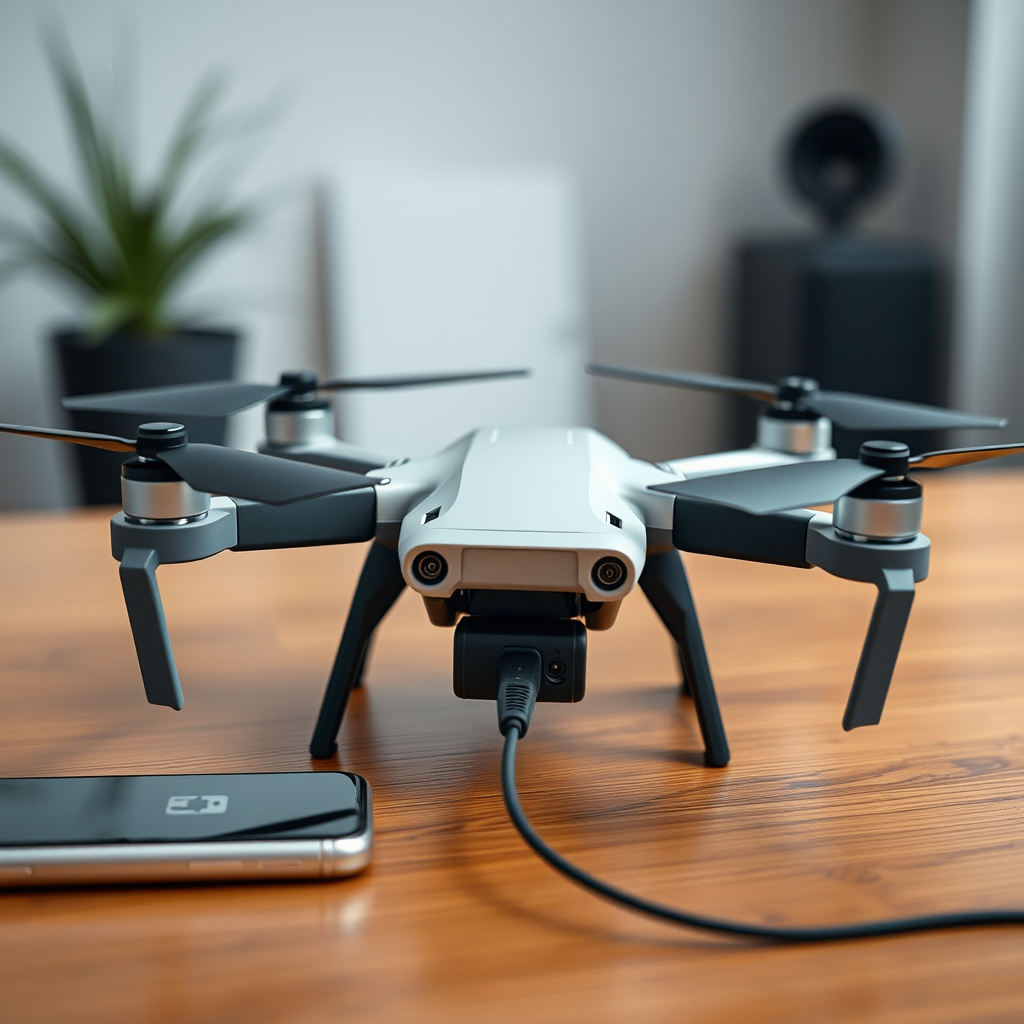
Yes, you can charge a drone battery with a phone charger, but there are important considerations to keep in mind regarding compatibility and charging efficiency. While it may seem convenient to utilize a phone charger for your drone’s battery, understanding the nuances of battery types, voltage requirements, and potential risks is essential. This article will explore how to safely use a phone charger for your drone’s battery and what factors to consider, ensuring you make informed decisions that protect both your drone and its battery.
Understanding Drone Battery Types
Drones predominantly utilize Lithium Polymer (LiPo) batteries, known for their high energy density and lightweight properties. These batteries require specific charging methods to ensure they function optimally and safely. Unlike standard alkaline batteries, LiPo batteries are sensitive to variations in voltage and current, which are critical during the charging process.
Conversely, phone chargers are designed to cater to the battery specifications of smartphones, which typically operate using Lithium-Ion (Li-Ion) technology. The charging profile of Li-Ion batteries differs from LiPo batteries, as they have different discharge curves and require distinct charging algorithms. Understanding this fundamental difference is crucial for drone operators, as using a charger not suited for LiPo batteries can lead to inefficient charging or, worse, battery damage.
Compatibility Between Chargers and Batteries
When considering the use of a phone charger to charge a drone battery, the first step is to check the voltage output of your phone charger. Most smartphone chargers deliver a voltage of 5V (standard USB), while many drone batteries require a higher voltage, typically between 7.4V to 22.2V, depending on the battery configuration.
It’s also essential to examine the current output (measured in amperes) that your phone charger can provide. Many phone chargers are designed to support fast charging, which might not align with the needs of drone batteries. For instance, a drone battery might require a lower current for safe charging, while a fast charger could potentially send too much current too quickly, risking overheating or even battery failure. Always refer to the specifications of both your charger and battery to ensure compatibility.
Charging Speed and Efficiency
Charging a drone battery with a phone charger may take significantly longer than using the recommended charger. Standard drone chargers are designed to optimize the charging cycle for LiPo batteries, allowing for rapid charging without compromising battery health. When using a phone charger, you may find that the charging time is extended, which can be inconvenient if you need to fly your drone frequently.
Moreover, many modern phone chargers come with fast charging capabilities that can deliver high wattage. However, this feature may not be suitable for drone batteries, which typically require a more controlled charging method. It’s advisable to use a charger that aligns with the drone’s specifications to ensure efficient charging without risking damage to the battery.
Risks of Charging with a Phone Charger
Using an incompatible charger can lead to severe risks, including overheating, battery damage, or even fire hazards. LiPo batteries can be particularly volatile if they are overcharged or charged with the wrong specifications, leading to swelling and potential combustion.
To mitigate these risks, it is vital to closely monitor the charging process when using a phone charger. Always inspect the battery for any signs of physical damage, heat, or swelling during charging. Additionally, consider using a LiPo-safe charging bag, which can contain any fire or damage in case of a charging incident.
Alternative Charging Solutions
Given the potential risks associated with charging a drone battery with a phone charger, it may be more prudent to invest in a dedicated drone charger. These chargers are specifically designed to handle the charging requirements of LiPo batteries safely and effectively, ensuring optimal performance and longevity of the battery.
Additionally, there are portable charging options available that are specifically tailored for drones. These solutions often come with multiple ports, allowing you to charge multiple batteries simultaneously while ensuring they receive the correct voltage and current. Investing in quality charging equipment can save time, improve battery lifespan, and enhance overall flying experience.
Tips for Safe Charging Practices
To maintain safety and efficiency during the charging process, adhere to the following best practices:
1. Follow Manufacturer Guidelines: Always refer to the drone manufacturer’s guidelines regarding charging methods to ensure compliance with their recommendations.
2. Use Quality Chargers: Opt for chargers with built-in safety features, such as overcharge protection and temperature monitoring, to prevent potential hazards.
3. Monitor the Charging Process: Regularly check the battery during charging to catch any issues early. If the battery becomes excessively warm or shows signs of damage, disconnect it immediately.
4. Charge in a Safe Environment: Always charge batteries in a well-ventilated area, away from flammable materials, and on a non-combustible surface to minimize risks.
5. Store Batteries Properly: When not in use, store your drone batteries in a cool, dry place, ideally in a fireproof LiPo bag or container. This practice can prevent damage and ensure safety.
In conclusion, while it is possible to charge a drone battery with a phone charger, it is crucial to ensure compatibility and safety. The differences in battery technology, voltage requirements, and potential risks underscore the importance of using appropriate charging equipment. To maintain the longevity and performance of your drone’s battery, it is recommended to use the dedicated chargers designed for your specific drone model whenever possible. By following these guidelines, you can enhance your flying experience while ensuring the safety of your equipment.
Frequently Asked Questions
Can you charge a drone battery with a phone charger?
Yes, you can charge a drone battery with a phone charger, but it depends on the specifications of both the charger and the drone battery. Most drone batteries require a specific voltage and current, typically higher than what standard phone chargers provide. Always check your drone’s manual to ensure compatibility and avoid any damage to the battery or charger.
How do I know if my phone charger is compatible with my drone battery?
To determine compatibility, check the voltage and amperage ratings of both the phone charger and the drone battery. Most phone chargers output between 5V and 9V with varying amperages, while drone batteries often need higher voltages (like 11.1V for LiPo batteries). If your charger does not meet the necessary voltage requirements, it may not safely charge your drone battery.
Why is it not recommended to use a phone charger for charging drone batteries?
Using a phone charger for charging drone batteries is generally not recommended because it can lead to inefficient charging and potential safety hazards. Drone batteries, especially LiPo types, require precise charging protocols to avoid overheating, swelling, or even catching fire. Instead, using a dedicated drone charger ensures the battery is charged safely and efficiently.
What is the best way to charge a drone battery if I don’t have the original charger?
If you don’t have the original charger for your drone battery, the best practice is to use a compatible third-party charger that meets the battery’s voltage and current specifications. Look for a charger designed for drone batteries, preferably one that features smart charging technology, which adjusts the charge based on the battery’s needs to ensure safety and longevity.
Which types of drone batteries can be charged with a phone charger?
Most small drone batteries, particularly those with USB charging ports or lower voltage requirements, can be charged with a phone charger. However, larger drone batteries, such as LiPo batteries used in professional drones, typically cannot be charged safely with a standard phone charger due to their higher voltage needs. Always refer to the battery specifications to confirm compatibility before attempting to charge.
References
- https://en.wikipedia.org/wiki/Drone_battery
- https://www.nytimes.com/2020/10/07/technology/drone-battery-charging.html
- https://www.techradar.com/news/drone-battery-guide
- https://www.sciencedirect.com/topics/engineering/drone-battery
- https://www.nasa.gov/mission_pages/technology/innovation/charging-drones.html
- https://www.dji.com/us/newsroom/news/what-you-need-to-know-about-drone-batteries
- https://www.researchgate.net/publication/343123456_Battery_technologies_for_drones
- https://www.faa.gov/uas/getting_started/part_107/
