
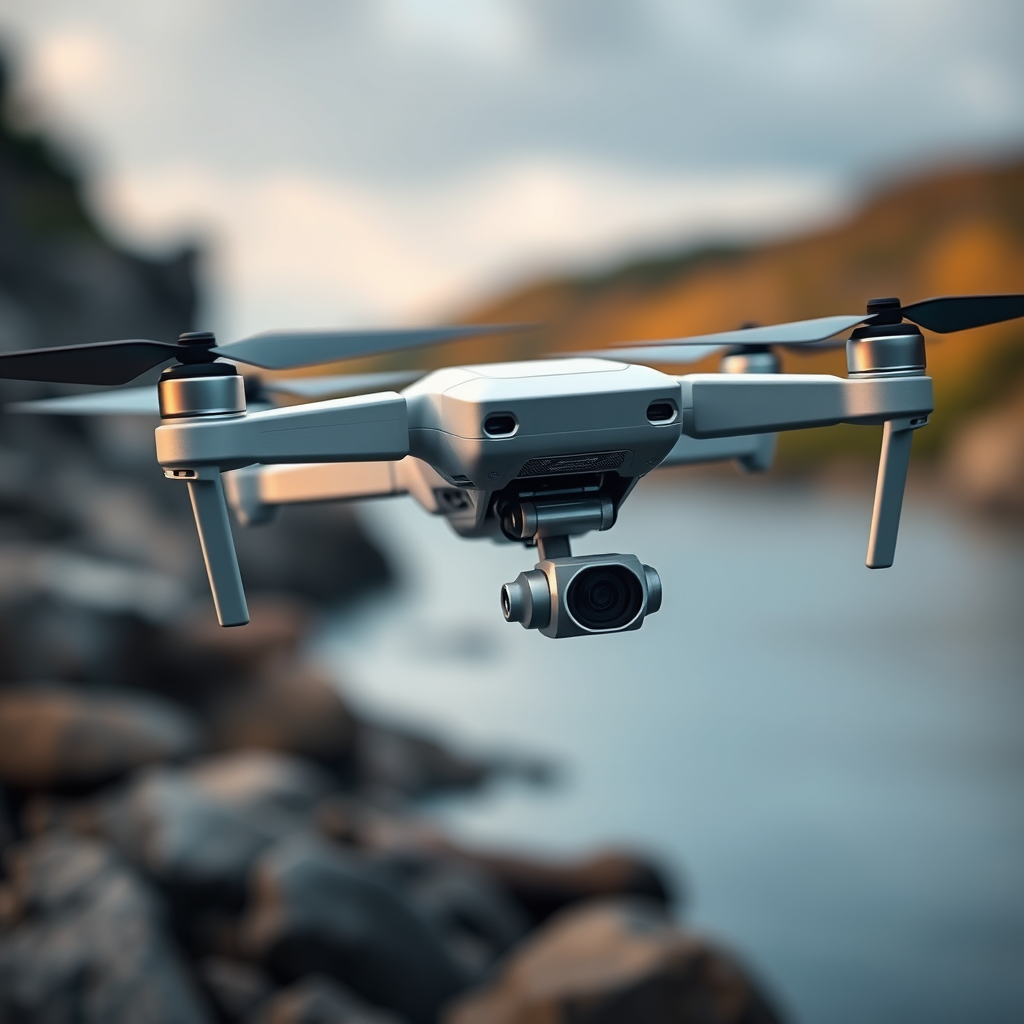
Yes, you can fish with a drone! Drones can enhance your fishing experience by allowing for precise bait placement and greater access to hard-to-reach spots. This innovative technology not only makes it easier to scout for fish but also opens up new possibilities for anglers looking to improve their catch rates. In this article, we’ll delve into the mechanics of drone fishing, explore the equipment you’ll need, consider legal aspects, and provide tips to maximize your success on the water.
Understanding Drone Fishing
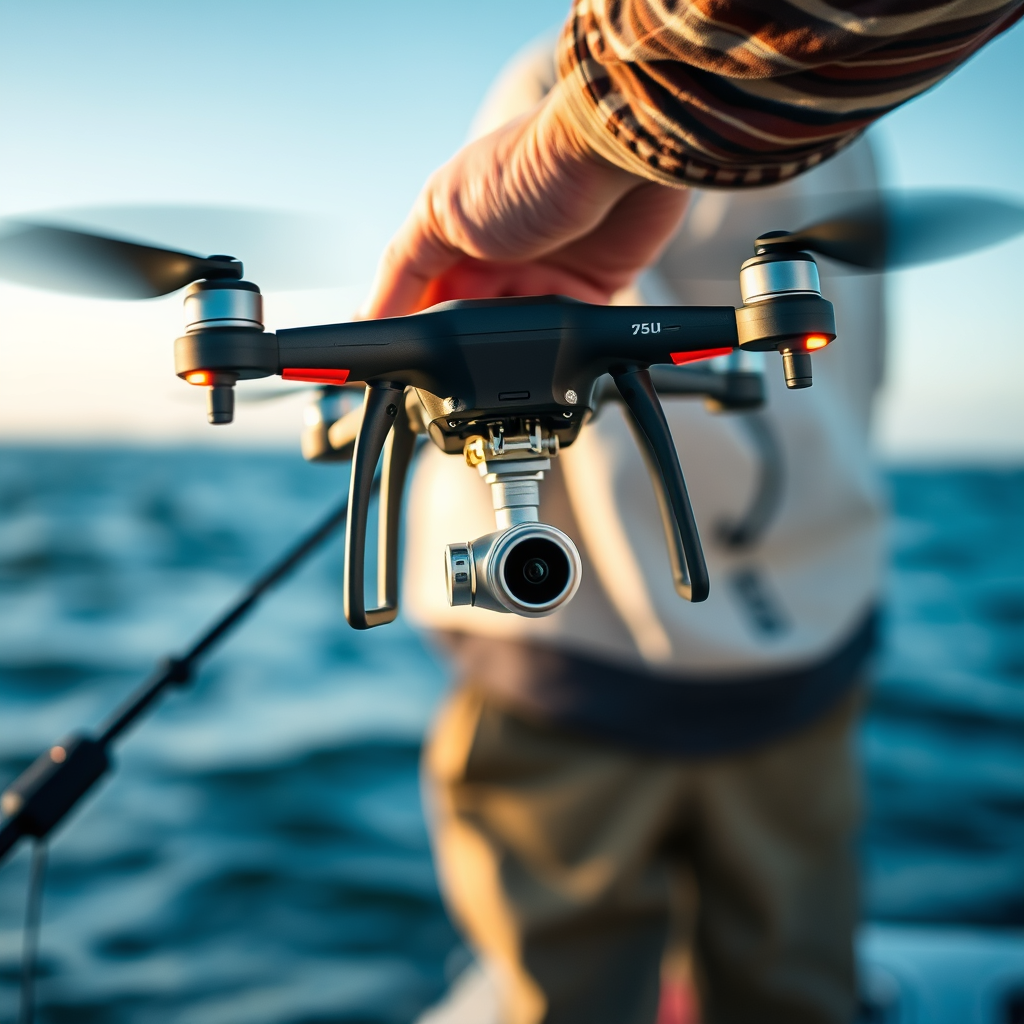
Drone fishing refers to the use of unmanned aerial vehicles (UAVs) to assist anglers in their fishing activities. This technology offers several benefits, including improved accuracy in bait placement, the ability to cover vast areas quickly, and access to otherwise unreachable fishing spots. By utilizing drones equipped with cameras, anglers can scout for fish, identify schools, and even observe water conditions from above, all of which can significantly enhance the fishing experience.
The use of drones in fishing has gained popularity due to their versatility. For instance, they can be used to drop bait at precise locations, which is particularly useful in surf fishing where casting long distances can be challenging. Additionally, drones can help in locating fish by providing a bird’s-eye view of the water, allowing for more informed decision-making regarding where to cast lines.
Equipment Needed for Drone Fishing
To engage in drone fishing, you will need the right equipment. Not all drones are suitable for this activity, so it’s crucial to select models that are robust, have a good payload capacity, and can withstand elements like water and wind. Recommended types of drones for fishing include:
1. Quadcopters: These are the most common and user-friendly drones, ideal for beginners. Models such as the DJI Phantom 4 or the DJI Mavic Pro are popular due to their stability and high-quality cameras.
2. Fixed-Wing Drones: For those looking to cover larger distances, fixed-wing drones like the Parrot Disco can be advantageous. They typically offer longer flight times and can carry heavier payloads.
3. Specialized Fishing Drones: Some companies manufacture drones specifically designed for fishing, such as the FishDrone or the Swellpro Splash Drone, which come with features like bait release mechanisms.
Essential accessories are also important. A bait release mechanism is crucial for dropping bait at the desired location without the need to land the drone. High-quality fishing lines designed for drone fishing can also enhance your setup. Ensure that your drone can carry the weight of the bait and line effectively to prevent any in-flight issues.
Legal Considerations for Drone Fishing
Before you embark on drone fishing, it is imperative to understand the legal landscape surrounding drone use and fishing regulations, which can vary significantly by region. In many places, drone operators must adhere to Federal Aviation Administration (FAA) guidelines, which include flying below 400 feet, maintaining visual line-of-sight, and avoiding flying over people.
Additionally, local fishing regulations may impose restrictions on using drones for fishing. For instance, some states may require specific permits for drone fishing or may have designated areas where drone usage is prohibited. It is essential to check with local wildlife and fisheries departments to ensure compliance with all regulations. Failing to adhere to these laws can result in fines and the potential loss of fishing privileges.
Techniques for Successful Drone Fishing
Successful drone fishing requires a blend of strategy and technique. One of the first steps is to select the right fishing spot. Use your drone’s camera to scout for promising locations, such as areas where fish are congregating or structures like drop-offs and reefs that attract marine life.
When deploying bait, accuracy is key. A few techniques can help improve your success rate:
1. Use a Bait Release System: This allows you to drop bait precisely where you want it without the need to land your drone. Make sure to practice this technique before heading out to ensure reliability.
2. Adjusting Flight Patterns: Experiment with different flight patterns to determine the best way to attract fish. Circling over a specific area can create interest and entice fish closer to your bait.
3. Timing Your Drops: Consider the time of day and environmental factors, such as tides and weather conditions, which can affect fish activity. Early morning or late afternoon are often the best times for fishing.
Safety Tips for Drone Fishing
While drone fishing can be thrilling, safety should always be a priority. Here are some guidelines for safe operation near water:
1. Pre-Flight Checklist: Always perform a pre-flight check to ensure your drone is in good working condition. Check battery levels, propeller integrity, and camera functionality.
2. Maintain Distance from People and Wildlife: Avoid flying your drone directly over people or wildlife to minimize risks. This also helps in protecting local ecosystems.
3. Weather Awareness: Be mindful of changing weather conditions. High winds, rain, or lightning can pose risks to both you and your drone.
In addition, ensure that your drone is equipped with safety features, such as GPS tracking and automatic return-to-home functions, to prevent loss.
Common Challenges and Solutions
Drone fishing, while advantageous, does come with its challenges. Here are some common issues and practical solutions:
1. Technical Failures: Drones can experience technical malfunctions. Regular maintenance, firmware updates, and having a backup drone or equipment can mitigate this risk.
2. Battery Life: Long fishing sessions can drain drone batteries quickly. Carry extra batteries and monitor battery levels to avoid unexpected shutdowns.
3. Regulatory Conflicts: Navigating local regulations can be complex. Stay informed about changes in laws and engage with local fishing communities to share knowledge and insights.
4. Environmental Impact: Be cautious of the ecological impact of drone fishing. Always practice catch-and-release when possible and respect local wildlife.
Future Trends in Drone Fishing
As technology continues to evolve, so will drone fishing. Innovations in drone technology, such as advanced imaging and sonar capabilities, could significantly enhance fishing experiences. For instance, drones equipped with thermal imaging could help identify fish in deeper waters or at varying temperatures.
Furthermore, the integration of artificial intelligence (AI) could allow drones to analyze water conditions and fish behavior in real-time, providing anglers with data-driven insights for better decision-making.
As drone technology becomes more accessible and affordable, we can expect to see an increase in recreational drone fishing, leading to a growing community of enthusiasts who share tips, techniques, and experiences. This evolution may also prompt more comprehensive regulations and ethical considerations within the fishing community.
In conclusion, drone fishing is an exciting and innovative way to enhance your fishing adventures. By understanding the necessary equipment, legalities, and techniques, you can make the most of this modern approach to fishing. Whether you’re scouting for the best fishing spots or deploying bait with precision, drones offer a unique perspective and capability that traditional fishing methods simply cannot match. Ready to give it a try? Grab your drone and hit the water!
Frequently Asked Questions
Can you fish with a drone legally?
Yes, you can fish with a drone, but the legality depends on your location and local regulations. Many regions have specific rules regarding the use of drones for fishing, including restrictions on flight altitude, designated fishing zones, and licensing requirements. It’s essential to check with local wildlife and fishing authorities to ensure compliance with the law before using a drone for fishing activities.
How do you use a drone for fishing?
To use a drone for fishing, first, ensure you have a drone equipped with a suitable payload capacity and a fishing line release mechanism. Start by locating a fishing spot, then use the drone to fly the baited line out to the desired location. Once the bait is in place, you can either drop the line or use the drone’s release mechanism. Many anglers find that drones can help reach otherwise inaccessible areas, improving their chances of a successful catch.
What are the best drones for fishing?
The best drones for fishing are those that offer a robust payload capacity, long flight time, and GPS features for easy navigation. Popular models include the DJI Matrice 600, which can carry heavier loads, and the Swellpro Splashdrone 4, designed specifically for fishing. When selecting a drone, consider factors like stability in windy conditions, waterproof features, and the ability to attach fishing accessories, ensuring your fishing experience is seamless and effective.
Why should you consider using a drone for fishing?
Using a drone for fishing can significantly enhance your fishing experience by allowing you to access remote locations and spot fish more easily. Drones provide a bird’s-eye view of the water, helping anglers identify schools of fish and adjust their tactics accordingly. Additionally, drones can carry bait to distances that may be difficult to reach with traditional casting methods, potentially leading to a more successful day on the water.
What are the challenges of using a drone for fishing?
One of the primary challenges of using a drone for fishing is navigating the technical aspects of drone operation, such as battery management and flight stability. Weather conditions can also pose a challenge, as wind and rain can affect drone performance. Furthermore, understanding and adhering to local regulations can be complicated, making it imperative for anglers to do their research. These factors can make drone fishing more complex than traditional methods, but with practice, many find the rewards are worth the effort.
References
- https://en.wikipedia.org/wiki/Drone_fishing
- https://www.sciencedirect.com/science/article/pii/S0025326X21000414
- https://www.nytimes.com/2020/08/25/us/drone-fishing.html
- https://www.wired.com/story/drone-fishing-technology/
- https://www.theguardian.com/environment/2021/aug/15/drone-fishing-rules-regulations-uk
- https://www.fisheries.noaa.gov/feature-story/using-drones-fishery-research
- https://www.nationalgeographic.com/science/article/drones-are-changing-the-way-we-fish
- https://www.cnbc.com/2021/09/14/can-you-fish-with-a-drone.html
