
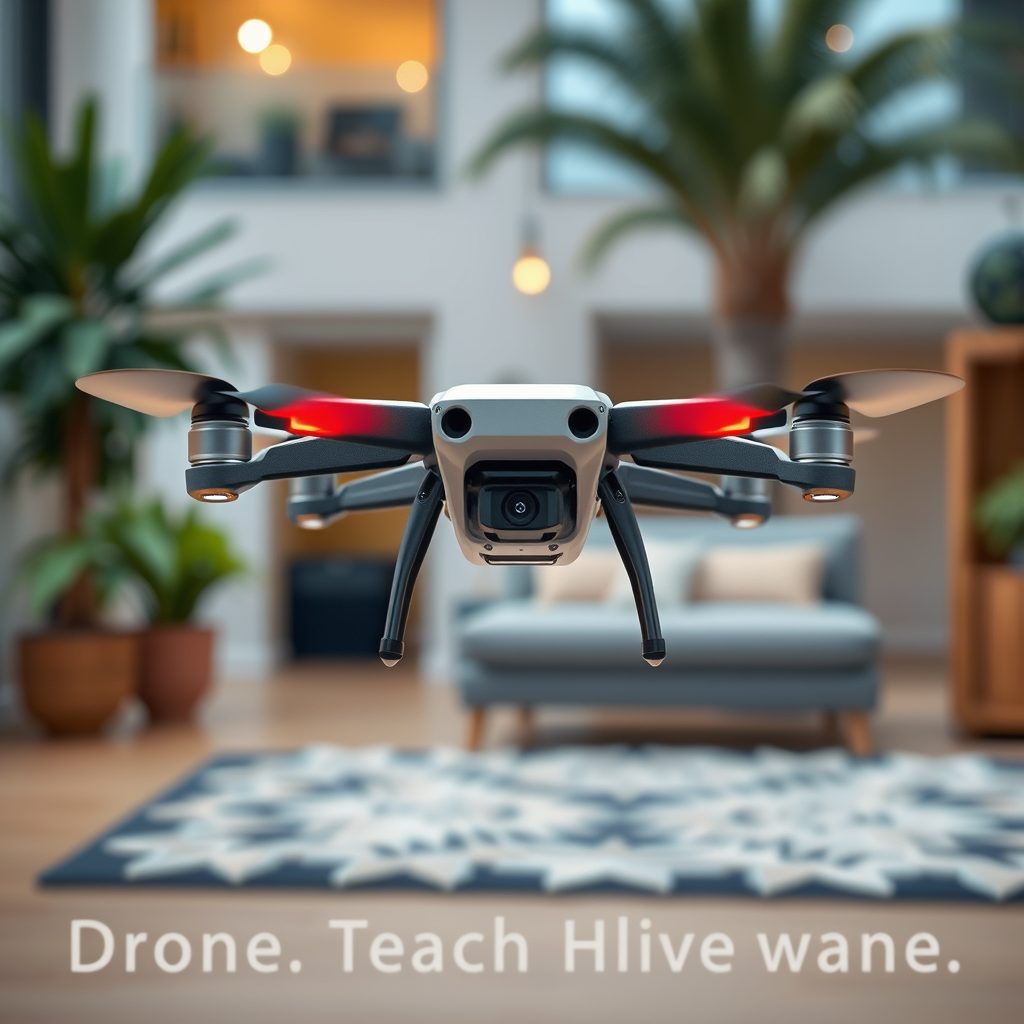
Yes, you can generally fly a 249 gram drone in many locations, but there are specific regulations and restrictions to consider depending on where you are. Understanding these rules is essential for adhering to local laws and ensuring a safe flying experience. Many regions have varying regulations that can affect where and how you can operate your drone, so it’s vital to be well-informed before taking to the skies.
Understanding Drone Weight Regulations
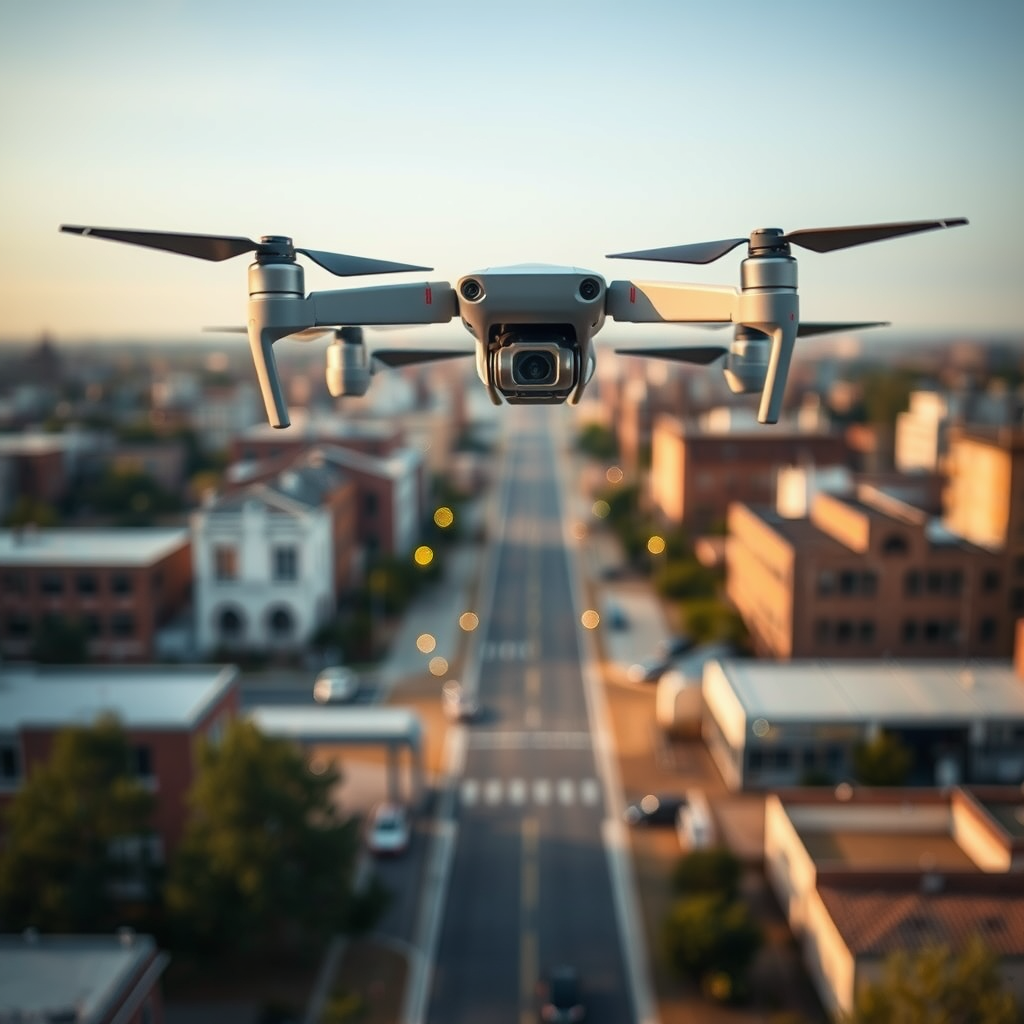
Drones that weigh less than 250 grams are often classified in a less restrictive category, which can be advantageous for recreational users and enthusiasts alike. In many jurisdictions, these lightweight drones are exempt from certain licensing requirements and stringent regulations that apply to heavier unmanned aerial vehicles (UAVs). For example, in the United States, the Federal Aviation Administration (FAA) provides a streamlined set of rules for drones under this weight limit, allowing hobbyists to enjoy flying with fewer bureaucratic hurdles.
This exemption is rooted in safety concerns; lighter drones are generally less capable of causing significant damage in the event of a crash. However, just because a drone is under 250 grams does not mean that users can fly them anywhere without considering local laws. The distinctions in regulations can vary significantly from one region to another, so it’s crucial to understand the specific requirements for your location.
National Regulations for Drone Flight
Every country has its own set of regulations governing the use of UAVs, which may apply differently to drones weighing 249 grams or less. For instance, in Canada, the Transport Canada regulations classify drones into various categories based on their weight and intended use. Sub-250 gram drones are often exempt from the need for a pilot certificate, provided they are flown for recreational purposes and within specific guidelines.
In contrast, countries like the United Kingdom have adopted a different approach, where all drones, regardless of weight, must be registered if they weigh more than 250 grams. This registration process is designed to promote responsible flying and accountability among drone operators. As a drone operator, it is essential to familiarize yourself with the specific laws and regulations in your country, as non-compliance can lead to fines or other penalties.
Local Laws and Restrictions
In addition to national regulations, local municipalities may impose their own restrictions on where and how drones can be flown. This can include designated no-fly zones, which are often established around airports, military bases, and other sensitive areas such as government buildings or large public gatherings. For instance, in many urban areas, parks and recreational spaces may have specific rules regarding drone use to ensure the safety and enjoyment of all visitors.
It’s critical to conduct thorough research and consult local authorities before flying your drone. Many cities provide online resources outlining where drone operations are permitted or restricted. Furthermore, local law enforcement agencies can also offer guidance on compliance with drone regulations. By staying informed about local laws, you can avoid potential fines and ensure a positive experience for yourself and others.
Safety Considerations When Flying
Safety should always be a priority when flying a drone, regardless of its weight. One of the essential safety guidelines is to maintain visual line of sight (VLOS) while operating your drone. This means you should always be able to see your drone without the aid of binoculars or other visual enhancement devices. Keeping your drone within sight enables you to react quickly to unforeseen circumstances, such as avoiding obstacles or other aircraft.
Additionally, operators should be aware of potential hazards in their flying area. This includes being mindful of people, animals, and property. For example, flying over crowds can pose significant risks, both legally and ethically. Respecting the privacy of individuals is also paramount; avoid flying over private property without explicit permission from the owner. By adhering to these safety considerations, you can help ensure a responsible and enjoyable flying experience.
Ideal Locations for Flying Your Drone
Identifying ideal locations for flying your 249 gram drone can enhance your overall experience. Open parks and recreational areas are often considered drone-friendly, as they typically provide ample space for flying while minimizing the presence of obstacles. Many parks have designated areas for drone use, allowing operators to enjoy their hobby without infringing on the rights of others.
Another excellent option for drone enthusiasts is private property. Many property owners may be amenable to allowing drone flights on their land, especially if they have open spaces and are aware of the safety measures you will take. Always seek permission before flying on private property, and discuss any specific guidelines the owner may have. This approach not only ensures compliance with local laws but also builds goodwill within the community.
Tips for Responsible Drone Flying
To ensure a positive flying experience, adhere to the “know before you go” principle. Researching flying conditions, local regulations, and potential hazards can help you avoid complications and enhance your enjoyment. Websites and apps dedicated to drone flying often provide valuable information about airspace restrictions and weather conditions, making them excellent resources for drone operators.
Additionally, respect for others’ privacy is crucial when flying a drone. Avoid flying over private property without consent, and be mindful of capturing images or videos that could infringe on someone’s privacy rights. Establishing trust with the community can foster a more supportive environment for drone enthusiasts and encourage responsible flying practices.
In summary, while you can fly a 249 gram drone in many locations, it is crucial to be aware of and comply with both national and local regulations. By understanding drone weight regulations, familiarizing yourself with specific laws, and prioritizing safety, you can enjoy your flying experience while staying on the right side of the law. Responsible flying not only enhances your enjoyment but also fosters a positive image of the drone community as a whole. Stay informed, fly responsibly, and embrace the thrill of drone flying.
Frequently Asked Questions
Can you fly a 249 gram drone anywhere without a license?
Yes, in many countries, including the United States, you can fly a drone weighing 249 grams (0.55 pounds) or less without needing a license or registration under the FAA’s Part 107 rules. However, it’s important to follow local regulations, as certain areas like national parks, airports, and urban zones may have restrictions regardless of the drone’s weight. Always check local laws to ensure compliance before flying.
What are the restrictions for flying a 249 gram drone in urban areas?
When flying a 249 gram drone in urban areas, you must adhere to specific restrictions to ensure safety and privacy. Common regulations include maintaining a visual line of sight with the drone, avoiding flying over people or large crowds, and not exceeding the maximum altitude of 400 feet. Additionally, you may need to check for local ordinances that govern drone use in city parks or residential neighborhoods.
Why is the weight of a drone important for flying regulations?
The weight of a drone is crucial because it determines the regulatory framework that governs its operation. Drones weighing 250 grams or more are subject to stricter regulations, including mandatory registration and the need for a pilot’s license in many jurisdictions. This weight threshold is set to minimize risks associated with larger drones, which can cause more significant damage or injury in the event of an accident.
What is the best way to find out where I can legally fly my 249 gram drone?
The best way to find out where you can legally fly your 249 gram drone is to consult official resources such as the FAA’s website for U.S. regulations or your country’s aviation authority. Additionally, using drone-specific apps like AirMap or UAV Forecast can help you identify no-fly zones, current airspace restrictions, and local regulations in real-time. These tools provide essential information to ensure safe and legal drone operation.
Which features should I look for in a 249 gram drone for recreational flying?
When looking for a 249 gram drone for recreational flying, consider features such as flight time, camera quality, and GPS capabilities. A drone with a minimum flight time of 20 minutes allows for extended use, while a high-quality camera will enhance your aerial photography experience. Additionally, GPS functionality can improve stability and enable features like return-to-home, making it easier for beginners to fly safely.
References
- https://www.faa.gov/uas/getting_started/register_drone
- https://www.faa.gov/uas
- https://www.nytimes.com/2021/04/25/technology/drone-regulations.html
- https://www.droneadvocacy.org/
- https://www.cnet.com/news/faa-drone-registration-requirements/
- https://en.wikipedia.org/wiki/Drone#Regulation
- https://www.reuters.com/business/aerospace-defense/us-faa-proposes-new-drone-rules-2021-12-02/
- https://www.theguardian.com/technology/2022/apr/08/drone-regulations-uk-europe-usa
