
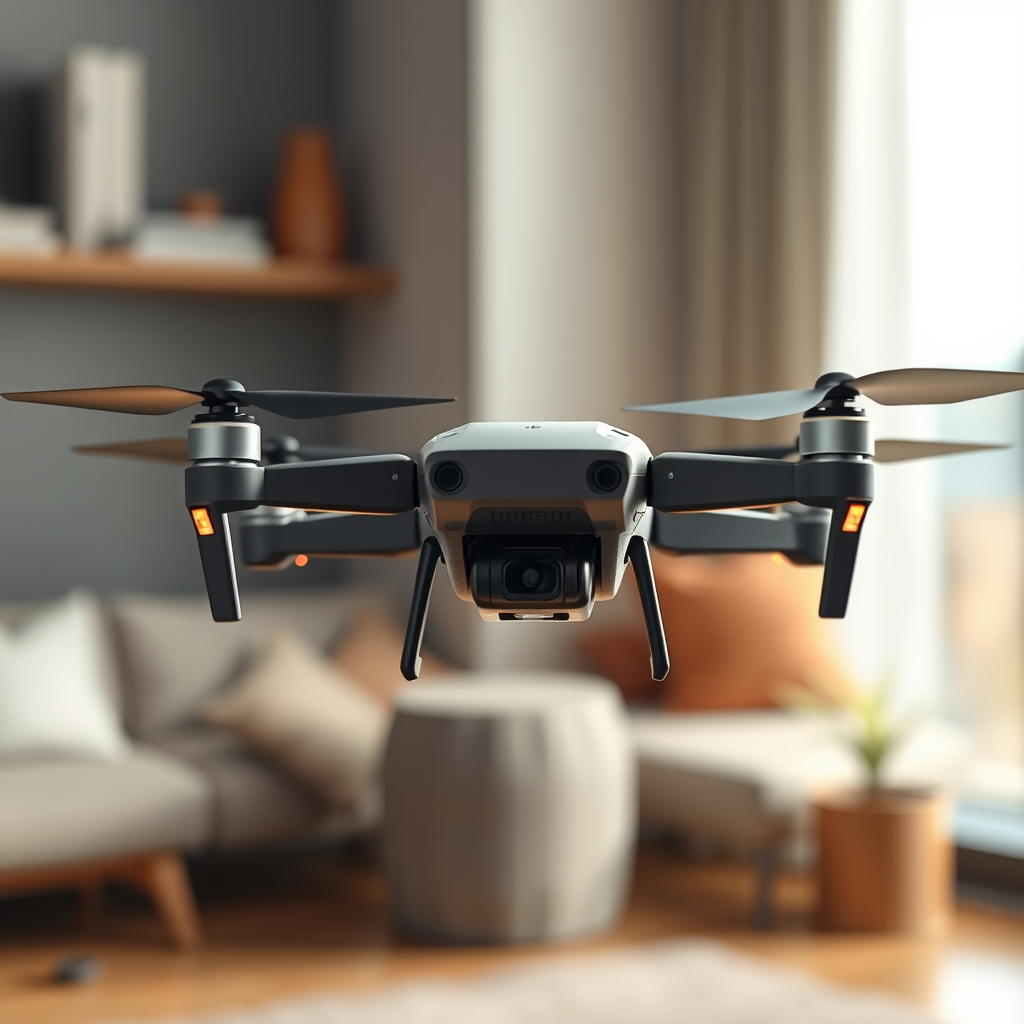
Yes, you can fly a 249g drone in many places, but there are specific regulations and restrictions to consider. Understanding local laws and safety guidelines is essential to ensure a smooth flying experience. While these lightweight drones are often subject to fewer regulations than their heavier counterparts, it is still critical for users to familiarize themselves with the legal landscape in their area to avoid potential issues and ensure a safe flying environment.
Understanding Drone Weight Classifications
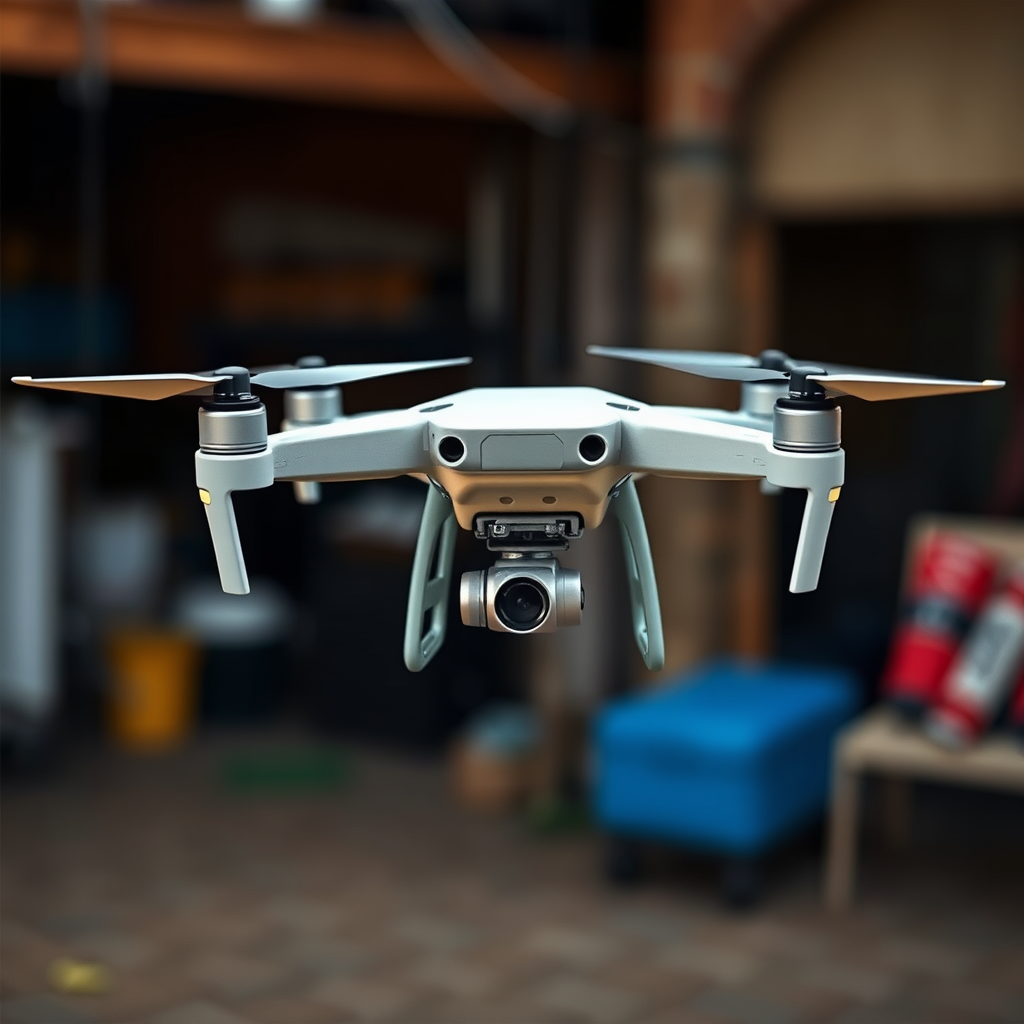
Drones are categorized by their weight, which significantly influences their regulation and operational capabilities. Drones under 250g are frequently labeled as “toy” drones, making them more accessible for casual users and hobbyists. This classification often allows for fewer regulatory hurdles, as many countries exempt these lightweight drones from registration requirements with aviation authorities. For instance, in the United States, the Federal Aviation Administration (FAA) does not require registration for drones weighing less than 250g, simplifying the process for users who want to enjoy flying without extensive bureaucratic obstacles.
However, it is crucial to recognize that while the 249g designation affords certain leniencies, it does not completely eliminate the need for awareness regarding safety and legal guidelines. The distinction in weight opens up opportunities for recreational flying in a variety of environments, from parks to backyards, but it is essential to understand that the laws governing drone operation can vary widely based on location.
Local Regulations and Restrictions
When it comes to flying a 249g drone, local regulations and restrictions play a significant role. Different countries and regions have varying rules regarding drone flights, even for lightweight models. For instance, in the European Union, drones weighing less than 250g can often be flown without a license; however, specific operational limitations, such as flying over crowds or near protected areas, still apply. Other countries, such as Australia and Canada, also have regulations that impact where and how drones can be flown, emphasizing the importance of researching local laws.
In addition to national regulations, municipal ordinances may impose further restrictions. Many cities have designated no-fly zones, especially around airports, schools, and hospitals, where drone flights are prohibited. It is essential for drone operators to check local laws, including no-fly zones, airspace restrictions, and privacy regulations, to avoid costly fines or legal issues. Utilizing resources such as the FAA’s B4UFLY app in the U.S. or local drone associations can help pilots stay informed about the specific rules that apply to their flying areas.
Safety Guidelines for Flying Drones
Safety should always be a top priority when operating any drone, regardless of its weight classification. One of the fundamental safety guidelines is to maintain a line of sight with your drone while flying. This practice ensures that you can effectively monitor the drone’s position and respond promptly to any changes in the environment, such as other aircraft or obstacles.
Additionally, avoiding crowded areas, sensitive environments, and wildlife habitats is vital to prevent accidents and minimize the risk of harming others or disrupting local ecosystems. For example, flying near large gatherings of people can lead to serious injury if the drone were to malfunction or lose control. Similarly, respecting wildlife habitats not only protects animals but also helps maintain a positive reputation for the drone community.
Before each flight, conducting a thorough pre-flight check is essential. This includes inspecting battery levels, ensuring that all components are functioning correctly, and confirming that the firmware is up to date. By taking these precautions, drone operators can significantly reduce the likelihood of accidents and enhance the overall flying experience.
Best Practices for Responsible Flying
Responsible drone flying encompasses several best practices that contribute to a safer and more enjoyable experience for both the pilot and the surrounding community. One effective strategy is to limit flight times, particularly during busy hours or in populated areas. This helps to mitigate risks and ensures that the drone can be operated safely without the pressure of extensive flight durations.
Avoiding adverse weather conditions is another critical aspect of responsible flying. Wind, rain, or low visibility can severely impact a drone’s performance and increase the chances of accidents. Pilots should always check weather reports and consider rescheduling flights if conditions are unfavorable.
Furthermore, engaging with local drone communities can foster a culture of responsible flying. Online forums and social media groups often share valuable insights, tips, and experiences that can help pilots navigate challenges and enhance their flying skills. By promoting a collaborative approach, the drone community can work together to uphold safety standards and local regulations.
Tips for Finding Suitable Flying Locations
Finding suitable locations for flying a 249g drone can enhance your overall experience and ensure compliance with local regulations. One effective method is to seek out designated drone parks or open fields known for allowing drone activities. These spaces are often equipped with adequate safety measures and may even offer dedicated areas for drone enthusiasts, making them ideal for practice and exploration.
Utilizing drone community forums is another excellent way to discover popular flying spots. These platforms allow pilots to share their experiences, recommend locations, and provide insights into the regulations governing specific areas. Engaging with fellow drone enthusiasts can help you identify hidden gems and avoid places where flying may be restricted or discouraged.
Lastly, always be respectful of the environment and local inhabitants when choosing flying locations. Avoid flying in areas where privacy may be compromised or where wildlife may be disturbed. This consideration not only ensures compliance with regulations but also fosters goodwill between drone pilots and the broader community.
Consequences of Non-Compliance
Ignoring local regulations can lead to serious consequences, including hefty fines, confiscation of your drone, or even legal repercussions. For example, in the United States, violations of FAA regulations can result in penalties ranging from a few hundred to several thousand dollars, depending on the severity of the infraction. Furthermore, irresponsible flying can damage the reputation of the drone-flying community as a whole, leading to stricter regulations and diminished opportunities for all pilots.
Being aware of and following the rules helps foster a positive image for the drone-flying community. By demonstrating responsibility and respect for local regulations, drone operators can contribute to a favorable perception of the hobby, encouraging more individuals to engage with the technology and explore its potential.
In conclusion, while flying a 249g drone offers great flexibility, it is crucial to stay informed about local regulations and best practices. Understanding the weight classifications, adhering to safety guidelines, and being mindful of local laws can significantly enhance your flying experience. By prioritizing safety and responsibility, you can enjoy the thrill of flying while contributing positively to the drone community.
Frequently Asked Questions
Can you fly a 249g drone anywhere without restrictions?
While a 249g drone is under the weight limit that often exempts it from certain regulations in many countries, you cannot fly it just anywhere. Local laws and regulations may still apply, including restrictions near airports, populated areas, or specific environmental zones. Always check the local aviation authority’s guidelines before flying to ensure compliance and safety.
What are the legal requirements for flying a 249g drone?
In most regions, flying a 249g drone may not require registration, but you must still follow the basic rules of drone operation. These typically include flying below 400 feet, maintaining visual line of sight with the drone, and not flying over people or moving vehicles. It’s essential to familiarize yourself with the specific regulations in your country or area to avoid penalties.
How do I find safe locations to fly my 249g drone?
To find safe locations for flying your 249g drone, start by using online mapping tools or apps designed for drone pilots that highlight no-fly zones and safe areas. Look for parks, open fields, or designated drone flying zones where recreational flying is permitted. Additionally, consider joining local drone clubs or forums, where experienced pilots can share their knowledge about safe flying spots.
Why is it important to check airspace restrictions when flying a 249g drone?
Checking airspace restrictions before flying your 249g drone is crucial for safety and legal compliance. Certain areas, such as near airports or military zones, have strict regulations to prevent interference with manned aircraft. Violating these airspace restrictions can result in hefty fines or even legal action, so always verify the airspace conditions before taking off.
What is the best way to prepare for flying a 249g drone?
The best way to prepare for flying a 249g drone includes conducting a pre-flight checklist, ensuring your drone is in good working condition, and familiarizing yourself with local regulations. Additionally, practice flying in open areas to build your skills and confidence. Always carry out a safety briefing to understand emergency procedures, ensuring a safe and enjoyable flying experience.
References
- https://en.wikipedia.org/wiki/Drone_regulations
- https://www.faa.gov/uas/getting_started/part_107
- https://www.faa.gov/uas/
- https://www.theguardian.com/technology/2020/nov/09/drone-regulations-uk
- https://www.nytimes.com/2021/04/13/technology/drone-regulations.html
- https://www.nasa.gov/feature/nasa-drone-research-and-the-future-of-aviation
- https://www.nationalgeographic.com/science/article/drone-regulations-what-you-need-to-know
- https://www.bbc.com/news/technology-50868525
