
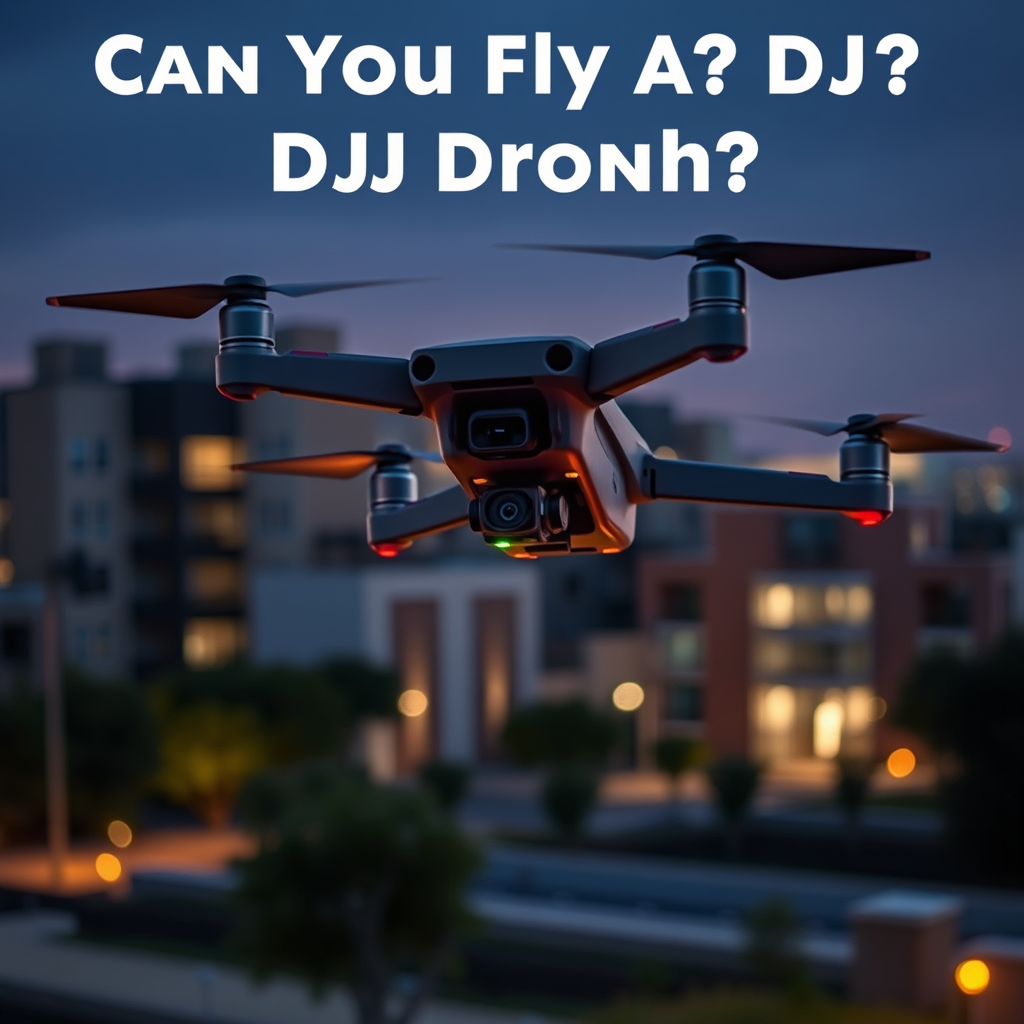
Yes, you can fly a DJI drone at night, but it requires adherence to specific regulations and safety precautions. Many DJI drones come equipped with features that facilitate safe operation after sunset, including built-in lights and advanced obstacle detection systems. However, understanding the legal landscape and implementing best practices is essential to ensure a safe and enjoyable night flying experience.
Understanding Night Flight Regulations
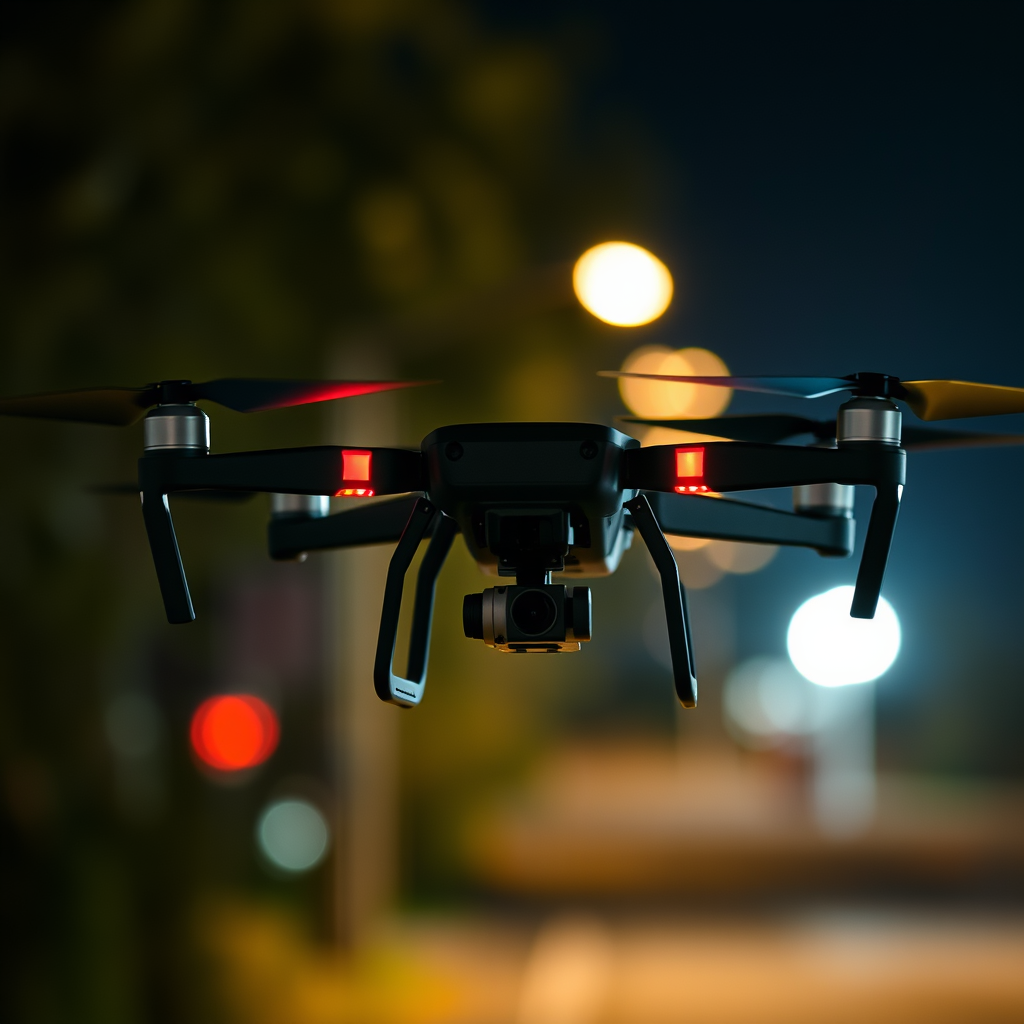
Flying a drone at night in the United States is governed by Federal Aviation Administration (FAA) regulations. According to the FAA, night flying is permissible but requires drones to be equipped with proper lighting. The drone must have anti-collision lights that make it visible from at least three statute miles away. These regulations are in place to ensure not only the safety of the drone operator but also that of other airspace users and those on the ground.
Beyond the United States, many countries have their own specific laws regarding nighttime drone operation. For instance, in the United Kingdom, the Civil Aviation Authority (CAA) mandates that drones must not be flown at night unless the operator holds a specific license. Other countries may have similar restrictions. It’s crucial for drone operators to familiarize themselves with local laws, as non-compliance can lead to fines or other legal repercussions.
Required Equipment for Night Flying
To fly a DJI drone safely at night, equipping your drone with the right accessories is imperative. The FAA mandates that drones must have anti-collision lighting. Many DJI drones come with built-in lights, but operators may also choose to enhance visibility with additional LED lights. These lights should be bright and capable of illuminating the drone’s outline for easy identification against the night sky.
In addition to lighting, consider using reflectors or glow sticks attached to the drone to increase visibility further. Some operators also invest in specialized night-vision cameras or thermal imaging equipment, which can be particularly useful for certain applications, such as search and rescue missions. Ensuring that your drone is equipped appropriately not only complies with regulations but also significantly enhances safety during night operations.
Importance of Pre-Flight Checks
Conducting thorough pre-flight checks is essential before embarking on a night flight. Low light conditions can make it more challenging to identify issues, so it’s vital to inspect all drone components meticulously. This includes checking the battery levels, ensuring that the anti-collision lights are functioning, and confirming that all navigation systems are operational.
Additionally, verifying that the GPS system is locked onto satellites before takeoff is crucial. In low light, losing GPS can lead to disorientation and potential loss of the drone. Moreover, obstacle avoidance systems should be tested to ensure they work correctly, as these systems are vital for preventing collisions during night flights.
Planning Your Night Flight
Effective planning is paramount for a successful night flight. Choose a well-lit area for takeoff and landing, as this will provide a safer environment and allow for better visibility of your drone. It’s advisable to select a location that is free from obstacles such as trees, buildings, or power lines, which can pose a risk during low-light conditions.
Employing mapping tools and apps can assist in planning your flight path. Many of these tools provide detailed information about restricted airspace, which is particularly important when flying at night. Familiarizing yourself with the area can also help you avoid unexpected hazards. A pre-planned route not only aids in navigation but also enhances your situational awareness during the flight.
Safety Tips for Flying at Night
Safety should always be your top priority when flying a DJI drone at night. One of the most critical safety tips is to keep the drone within your visual line of sight. This can be more challenging during nighttime, so consider using visual markers on the ground to help maintain orientation.
Additionally, remain aware of your surroundings. Nighttime flying can increase the risk of colliding with other objects, including wildlife, other aircraft, or even people. Using a spotter—a person who assists you in monitoring the drone’s flight path—can enhance situational awareness and safety.
Before flying, ensure that your drone’s battery is fully charged, as night flights can consume battery life faster than daytime flights due to the added demands of lighting and stabilization. Always plan for a safe landing with adequate battery reserves.
Post-Flight Considerations
After completing your night flight, it’s essential to conduct a thorough review of the flight experience. Analyze the flight data to identify any issues that may have arisen during the operation. This could include unexpected maneuvers, software malfunctions, or battery performance issues.
Taking the time to assess these factors can help you improve future night flights. Additionally, ensure that your drone is properly charged and stored in a safe location. Regular maintenance checks are essential to keep the drone in optimal condition for future operations, especially when flying under challenging conditions.
Flying a DJI drone at night can be an exhilarating experience, offering unique perspectives and opportunities for aerial photography and videography. However, it is crucial to prioritize safety and compliance with regulations. By understanding the rules, preparing adequately, and following best practices, you can enjoy the wonders of night flying while minimizing risks. Always stay informed about local laws and regulations, and approach night flights with caution to ensure a safe and successful experience.
Frequently Asked Questions
Can you legally fly a DJI drone at night?
Yes, you can legally fly a DJI drone at night, but it depends on the regulations of your country or region. In the U.S., the Federal Aviation Administration (FAA) allows night flying if you have a Part 107 certification and your drone is equipped with appropriate lighting. Always check local laws and regulations to ensure compliance before flying at night.
What equipment do I need to fly a DJI drone at night?
To fly a DJI drone at night, you need to ensure it is equipped with proper lighting, such as anti-collision lights, to make it visible to other aircraft and observers. Additionally, a reliable drone with advanced features like GPS and obstacle avoidance is recommended for enhanced safety and control in low-light conditions. Always familiarize yourself with your drone’s specifications and capabilities before night flying.
How do I prepare for a night drone flight with my DJI drone?
Preparation for a night drone flight involves several key steps. First, ensure your drone’s battery is fully charged and that all lights are functioning properly. Familiarize yourself with the flying area during daylight, check the weather conditions, and plan your flight path accordingly. It’s also essential to keep your smartphone or remote controller’s brightness up for visibility and to have a backup light source in case of emergencies.
Why is it important to have lights on your DJI drone when flying at night?
Having lights on your DJI drone when flying at night is crucial for safety and compliance with aviation regulations. The lights help ensure that your drone is visible to other pilots and observers, reducing the risk of mid-air collisions. They also provide you with better visibility of your drone’s position and orientation, which is especially important in low-light conditions.
What are the best practices for flying a DJI drone at night?
The best practices for flying a DJI drone at night include ensuring your drone is equipped with bright and effective lighting, maintaining a line of sight with the drone at all times, and flying in open areas away from people and buildings. It’s also advisable to keep flight times shorter due to battery limitations and avoid complex maneuvers until you gain more experience flying at night. Always prioritize safety and adhere to local regulations.
References
- https://www.faa.gov/uas/getting_started/part_107/
- https://www.faa.gov/uas/
- https://www.suasnews.com/2021/06/faa-issues-guidance-on-night-operations-for-drones/
- https://www.nytimes.com/2020/12/07/technology/drone-night-flying.html
- https://www.dronepilotgroundschool.com/flying-drones-at-night-what-you-need-to-know/
- https://www.wired.com/story/how-to-fly-drone-at-night/
- https://www.knowbeforeyoufly.org/
- https://www.npr.org/2020/06/02/868671872/faa-issues-new-guidelines-for-drone-operators
