
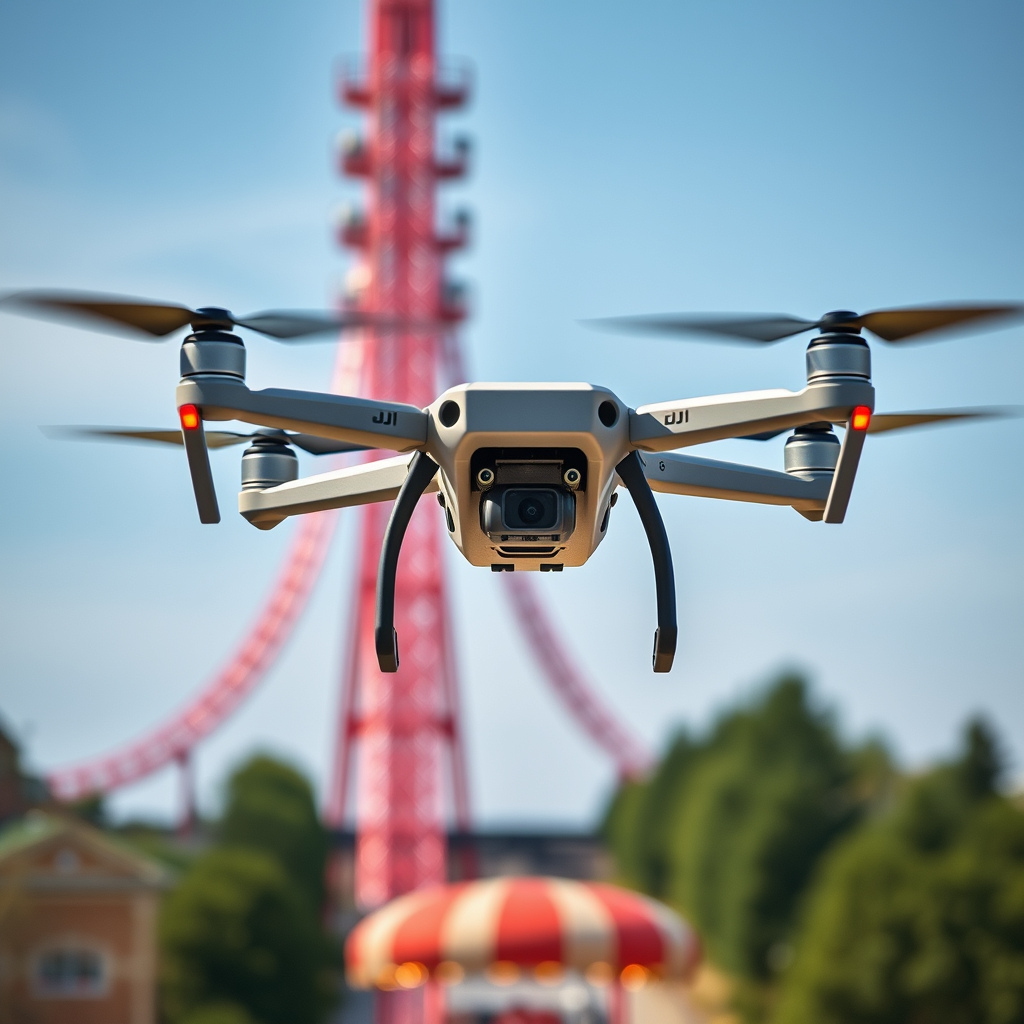
Flying a DJI drone at Six Flags is generally prohibited due to safety and privacy regulations. Amusement parks like Six Flags prioritize the safety of their guests and the protection of their privacy, which is why they enforce strict no-drone policies. Understanding these regulations and guidelines can help drone enthusiasts navigate their options when near such venues. In this article, we’ll explore the guidelines, potential exceptions, and tips for flying drones safely around amusement parks while respecting the rules.
Understanding Six Flags Drone Policies
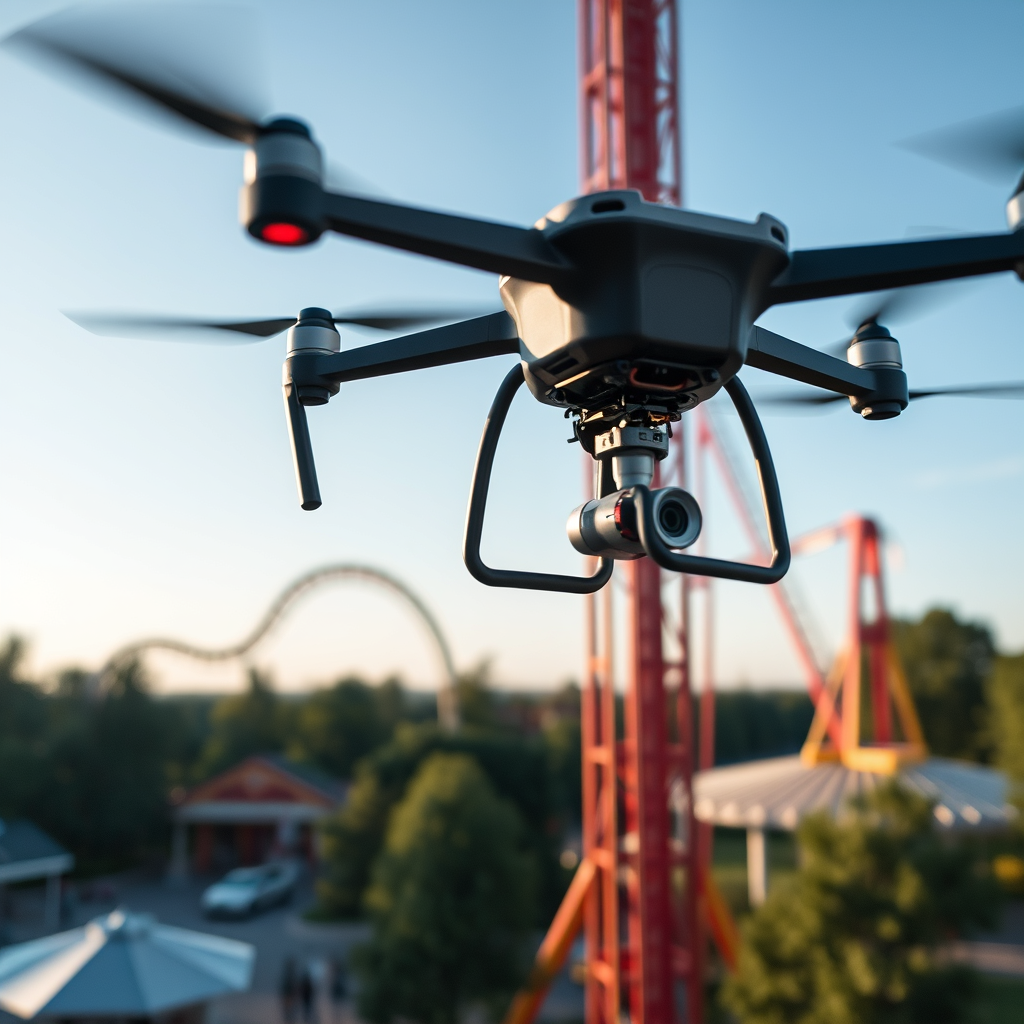
Six Flags parks typically uphold strict no-drone policies for a variety of reasons. The primary concern is the safety of park attendees; drones can pose significant risks, especially in crowded areas filled with families and children. The presence of drones can lead to accidents involving guests or park assets, creating liability issues for both the park and the drone operator.
Additionally, privacy concerns play a considerable role in these policies. With the rise of aerial photography and video capabilities, guests may feel uncomfortable being filmed without consent. Six Flags, like many other amusement parks, aims to maintain a family-friendly environment, where all guests can enjoy their experience without the worry of being surveilled by flying cameras. As a result, these parks often post visible signage indicating their drone policies, making it clear that unauthorized drone flights are not permitted.
FAA Regulations on Drone Flying
The Federal Aviation Administration (FAA) regulates all airspace in the United States, including areas surrounding amusement parks. These regulations are designed to ensure the safety of both manned and unmanned aircraft. Recreational drone pilots are required to adhere to specific altitude and distance restrictions. For instance, drones must typically not exceed an altitude of 400 feet and must remain within the operator’s line of sight.
Moreover, the FAA designates certain areas as no-fly zones, which include locations near airports and large public events. Many amusement parks, including Six Flags, are located in urban areas where airspace is heavily regulated. Consequently, drone operators need to be acutely aware of their surroundings and ensure they are compliant with FAA regulations to avoid potential fines or legal action.
Potential Exceptions for Drone Use
While Six Flags maintains a general prohibition on drone flying, there may be potential exceptions under certain circumstances. Some parks may host special events, such as festivals or promotional activities, where drone use is permitted. In these cases, the park may provide specific guidelines and require drone operators to obtain permits or register their drones in advance.
If you are considering flying a drone near a Six Flags park, it is essential to contact park management beforehand. They can provide insight into any upcoming events that may allow drone usage and clarify the necessary permissions required. Engaging with the park’s management not only shows respect for their policies but also enhances your chances of gaining approval to fly your drone responsibly.
Safety Considerations When Flying Near Amusement Parks
If you find yourself in a position where drone flying is permitted near an amusement park, safety should always be your top priority. First and foremost, maintain a safe distance from crowds and park attractions. Flying over densely packed areas can lead to accidents and injuries, so it is crucial to keep your drone at a safe distance from guests and park structures.
Furthermore, be aware of no-fly zones and restricted airspace around urban areas. Using drone mapping applications can help you understand the airspace regulations in real-time, allowing you to avoid potential violations. Always conduct a pre-flight check to ensure that your drone is in good working order, and familiarize yourself with emergency procedures in case something goes wrong during your flight.
Alternatives to Flying Drones at Six Flags
If drone flying at Six Flags is not an option, there are several alternative methods to capture your experiences at the park. Many visitors find that traditional photography or video recording using handheld devices can still provide excellent results. High-quality cameras and smartphones equipped with advanced imaging capabilities can capture stunning visuals without the need for a drone.
Additionally, consider utilizing GoPros or similar action cameras that can be mounted on rides or worn on your person to document your day at the park. These devices are typically allowed and can offer unique perspectives that drones might not capture due to restrictions. Leveraging these alternatives not only adheres to park policies but also allows you to focus on enjoying your time without the burden of managing drone operations.
Tips for Responsible Drone Usage
For those who are determined to fly drones, whether at special events or in other permissible locations, practicing responsible drone usage is paramount. Always respect the privacy of individuals and avoid filming guests without their consent. This respect fosters a positive relationship between drone enthusiasts and the general public, reinforcing the notion that drones can be used responsibly.
Moreover, familiarize yourself with local laws and park regulations to avoid fines or bans. Each park and region may have different guidelines regarding drone usage, so staying informed will help you navigate the complexities of drone flying responsibly. Lastly, consider joining local drone clubs or online forums to connect with other enthusiasts who can share experiences and advice regarding safe and legal drone flying.
In summary, while flying a DJI drone at Six Flags is generally prohibited due to safety and privacy regulations, understanding the rules can help you navigate your options. The FAA regulates all airspace, including around amusement parks, and exceptions may exist during special events with prior permission from park management. Always prioritize safety, consider alternatives for capturing memories, and follow responsible drone usage practices. Before attempting to fly a drone near Six Flags or any amusement park, check the park guidelines and explore creative alternatives to document your visit.
Frequently Asked Questions
Can you fly a DJI drone at Six Flags?
No, you cannot fly a DJI drone at Six Flags. Most amusement parks, including Six Flags, have strict regulations that prohibit the use of drones on their premises for safety and privacy reasons. It’s important to check the park’s specific rules and regulations before planning any drone activities, as violating these rules could result in removal from the park or legal action.
Why are drones not allowed at Six Flags?
Drones are prohibited at Six Flags primarily for safety and security concerns. The close proximity of rides, large crowds, and the potential for accidents make flying a drone dangerous. Additionally, privacy issues arise when capturing footage of park guests without their consent, which further justifies the park’s ban on drone usage.
What should I do if I want to take aerial photos near Six Flags?
If you’re interested in capturing aerial photos near Six Flags, consider using a drone-friendly location outside the park’s boundaries. Ensure you are in compliance with local drone laws, including any necessary permits and altitude restrictions. Alternatively, you can use ground-based photography or seek out designated viewpoints that allow for great shots of the park without violating any regulations.
How can I report someone flying a drone at Six Flags?
If you notice someone flying a drone at Six Flags, it’s best to report it to park security immediately. You can approach a staff member or use designated communication channels within the park. Reporting unauthorized drone activity is crucial for maintaining safety, and park personnel are trained to handle such situations promptly.
Which parks allow drone flying, and how can I find them?
While many amusement parks, including Six Flags, do not allow drone flying, there are some parks and natural areas that do. To find parks that permit drone use, check local regulations and specific park rules, or consult online resources that list drone-friendly locations. Additionally, consider visiting state parks or open recreational areas, which often have fewer restrictions compared to commercial amusement parks.
