
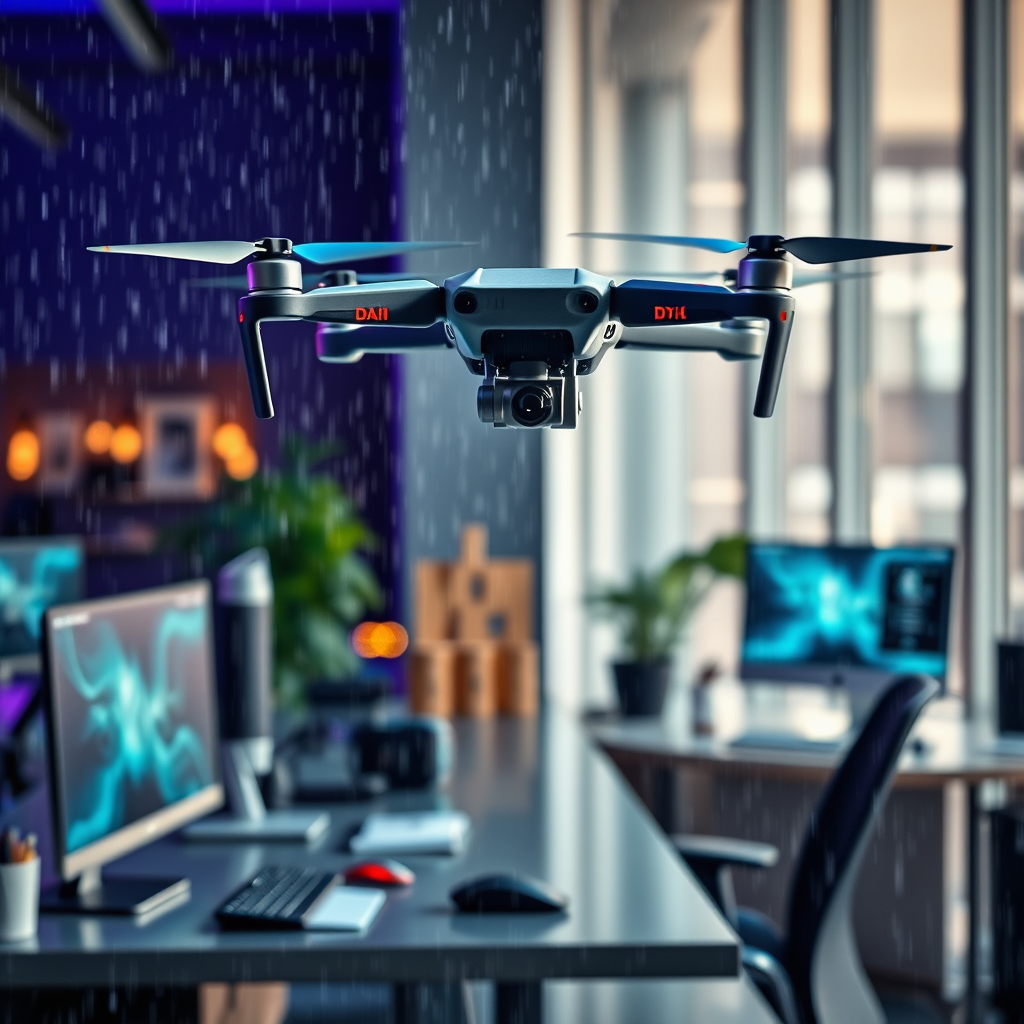
Yes, you can fly a DJI drone in light rain, but it’s important to consider the potential risks and limitations. While certain DJI models come equipped with weather-resistant features, flying in adverse conditions can still significantly impact performance and safety. Understanding these factors is critical for any drone operator looking to navigate through less-than-ideal weather. This article explores key considerations when flying your drone in light rain, ensuring you are well-informed to make safe decisions.
Understanding DJI Drone Weather Resistance
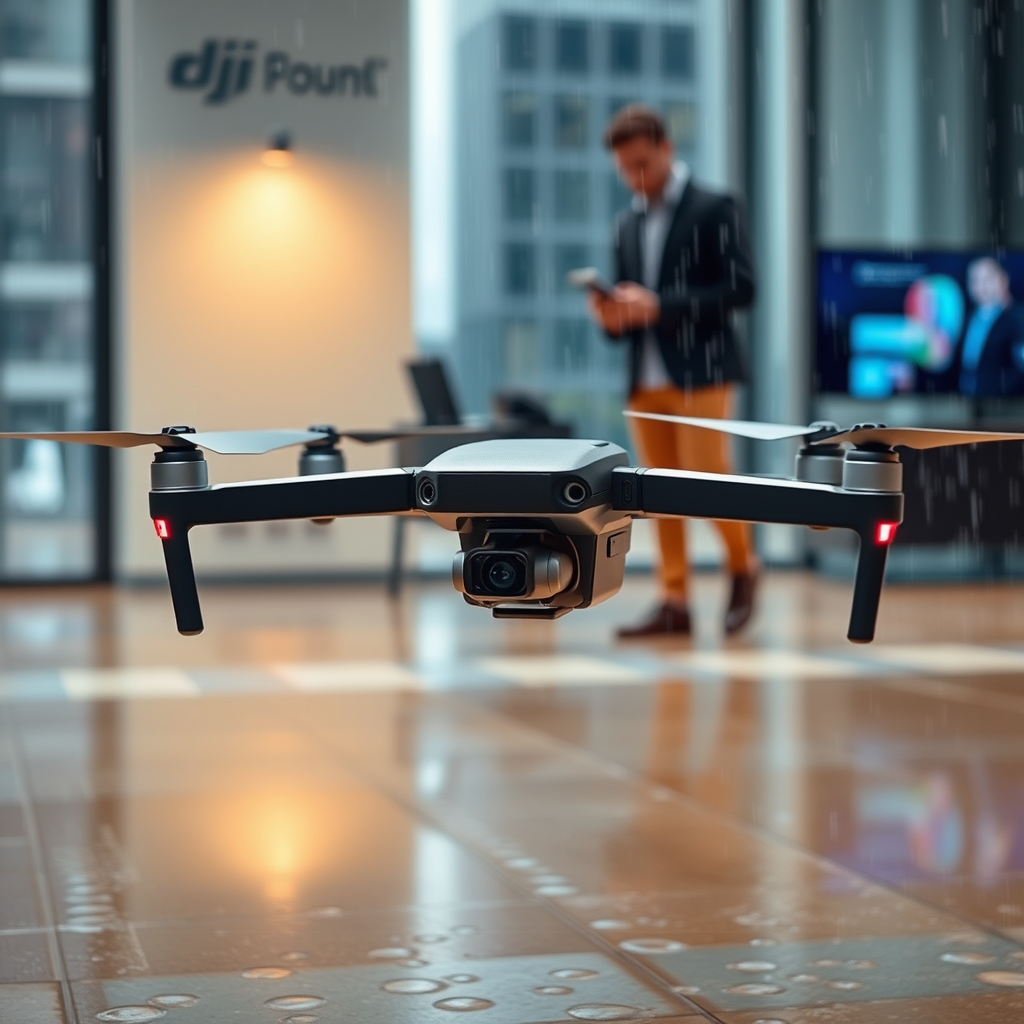
Many DJI drones are designed with varying levels of water resistance, making them more suitable for challenging weather conditions than standard consumer drones. For instance, the DJI Mavic series offers models like the Mavic Air 2 that can withstand light rain due to their IP rating, which indicates the level of protection against water and dust intrusion. The IP rating system typically ranges from IPX0 (no protection) to IPX7 (protection against immersion in water). It’s essential to check the specific model’s ratings to understand their capabilities; for example, the DJI Phantom 4 Pro is not officially rated for water resistance, which makes it less suitable for rainy conditions.
However, having a water-resistant design does not mean you should disregard all safety protocols. Even drones with higher IP ratings can experience performance issues when exposed to moisture, particularly during heavy rain or prolonged exposure. Therefore, always consult the user manual and manufacturer guidelines to comprehend the limitations of your specific drone model.
Risks of Flying in Light Rain
Flying in light rain presents several risks that pilots must carefully consider. One of the most pronounced dangers is reduced visibility. Rain can create a haze that impairs both the pilot’s visual line of sight and the drone’s camera functionality, leading to navigation challenges. When visibility is compromised, the risk of colliding with obstacles increases significantly, making it essential to maintain extra caution.
Additionally, rain can adversely affect battery performance. Water can lead to corrosion and decreased battery life, particularly if moisture penetrates into battery compartments or connectors. The cold temperatures associated with rainy conditions can also decrease battery efficiency, resulting in reduced flight time. As a general rule, it’s prudent to monitor battery levels closely and avoid flying in rain if your drone’s battery is nearing its limits.
Pre-Flight Checks for Rainy Conditions
Before taking off in light rain, conducting thorough pre-flight checks is crucial to ensure your drone is ready for the conditions. Begin by inspecting your drone for any potential water damage. Look for any signs of moisture or corrosion in the battery compartment, camera, and other electrical components. If you notice any water accumulation, it is best to refrain from flying until the drone is completely dry.
Furthermore, make sure that all ports and openings are sealed properly to prevent water ingress. Many DJI models come equipped with protective covers for USB and HDMI ports, but it’s advisable to double-check that these are firmly in place. You can also enhance your drone’s weather resistance by using silicone sealants or other protective sprays designed for electronic devices. These additional measures can provide peace of mind when flying in light rain.
Best Practices for Flying in Light Rain
If you choose to fly your DJI drone in light rain, consider implementing best practices to maximize safety and performance. First, limit your flight time and distance. Keeping your flights short reduces the risk of encountering adverse weather changes and helps manage battery life more effectively. Aim to stay within a visual range, allowing you to maintain control and quickly return to a safe landing if conditions worsen.
Additionally, avoid flying over water or in areas with heavy winds. Water bodies can create unpredictable gusts that can affect your drone’s stability, while winds can exacerbate the impact of rain on visibility and control. Instead, opt for sheltered environments with minimal wind exposure, where you can still capture quality footage without risking your drone’s safety.
Alternatives to Flying in Rain
When faced with rainy weather, it can be wise to consider alternatives to outdoor flying. Indoor flying options, such as using a flight simulator or flying in controlled environments, can provide valuable practice and experience while keeping your drone safe from the elements. Many flight simulation apps mimic real-world flying conditions, which can help improve piloting skills without the risk of damaging your equipment.
Moreover, if you have a specific project or shot in mind, planning your flights for a clearer day is advisable. Utilizing weather forecasting tools can help you identify optimal flying days, ensuring you achieve the best results without compromising safety. Additionally, consider using this time for drone maintenance or upgrades, ensuring your equipment is in top condition for your next flight.
Legal Considerations for Flying in Rain
Before flying your drone in light rain, it is essential to check local regulations regarding drone operation in inclement weather. Some jurisdictions may have specific rules about flying during adverse conditions, particularly concerning visibility and safety. Understanding these regulations is crucial to avoid potential fines or legal issues.
Furthermore, be aware of any restrictions that may apply to flying in rain. Local authorities may enforce temporary no-fly zones during severe weather events, impacting your ability to operate a drone legally. Always remain informed about local drone laws and guidelines to ensure compliance and maintain a positive relationship with law enforcement and local communities.
In summary, flying in light rain may be permissible, but it is essential to prioritize safety and adhere to legal regulations.
Conclusion
Flying a DJI drone in light rain is indeed possible, but it requires careful consideration of the associated risks and best practices to ensure safety. Always prioritize pre-flight checks, adhere to weather resistance guidelines, and remain informed about local regulations. While it may be tempting to capture stunning footage despite the weather, often the best option is to wait for clearer skies. By carefully assessing conditions and preparing adequately, you can navigate the challenges of flying in less-than-ideal weather conditions while ensuring your drone remains safe and functional.
Frequently Asked Questions
Can I fly my DJI drone in light rain?
While DJI drones are designed with some level of water resistance, flying them in light rain is generally not recommended. Exposure to moisture can damage the internal components and affect performance, especially if water seeps into the motors or electronics. It’s best to check the specific model’s water resistance rating and avoid flying in any wet conditions to ensure the longevity of your drone.
What precautions should I take when flying a DJI drone in light rain?
If you must fly your DJI drone in light rain, ensure that all ports and openings are sealed, and avoid flying in heavy or continuous rain. Wipe the drone down after landing to remove any water droplets and monitor its performance closely during and after flight. Always keep an eye on battery levels, as wet conditions can lead to unexpected changes in flight time or stability.
Why is it risky to fly a DJI drone in light rain?
Flying a DJI drone in light rain poses several risks, including potential water damage to electronic components, reduced visibility for navigation, and compromised battery performance. Even light rain can create conditions that lead to slippery surfaces and increased likelihood of losing control of the drone, making it crucial to prioritize safety and equipment care.
Which DJI drones are best suited for flying in wet conditions?
Drones like the DJI Mavic 2 Enterprise and DJI Phantom 4 RTK have better water resistance ratings compared to consumer models. However, no drone is completely waterproof, and even those with higher ratings should only be flown in light rain or mist. Always review the manufacturer’s guidelines for your specific model regarding flying in wet conditions.
How can I protect my DJI drone from rain damage?
To protect your DJI drone from rain damage, consider using a waterproof drone cover or a rain shield designed specifically for your model. Before flying, check for any cracks or damage to the drone’s body that could allow water to enter. Additionally, always perform regular maintenance and inspections to ensure that seals and gaskets are intact and functioning properly.
References
- https://www.wired.com/story/dji-drone-rain-flying-tips/
- https://www.faa.gov/uas/
- https://www.nytimes.com/2020/05/12/technology/drones-rain.html
- https://www.abc.net.au/news/2020-05-13/flying-drones-in-the-rain-what-you-need-to-know/12229734
- https://www.dronewatchdog.com/flying-drones-in-rain/
- https://www.techradar.com/news/can-you-fly-a-drone-in-the-rain
