
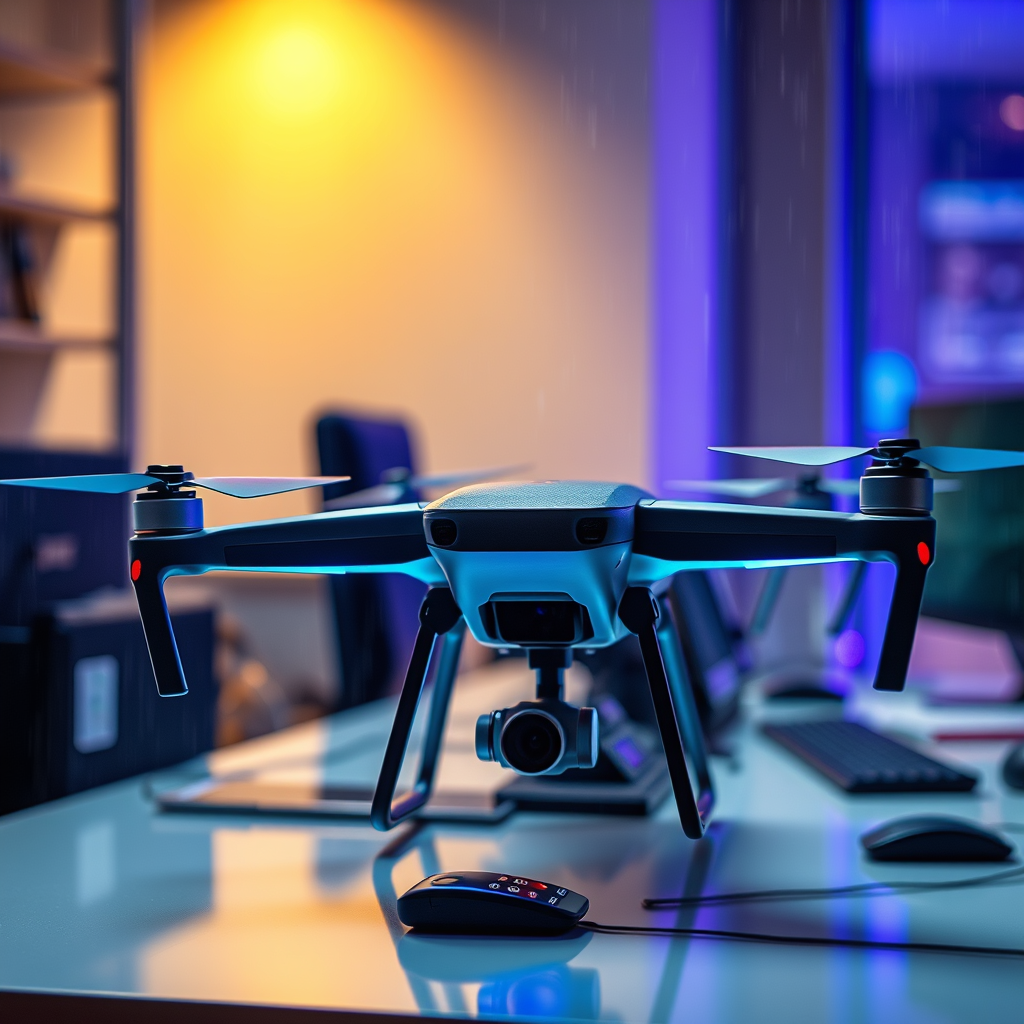
Flying a DJI drone in light rain is generally not recommended, as water exposure can damage the drone’s sensitive electronics and affect its performance. However, some DJI models come with varying levels of weather resistance, which may allow for limited flying in such conditions. It is crucial to understand the implications of flying in light rain and to take necessary precautions to ensure both your safety and the longevity of your drone. In this article, we’ll explore the nuances of flying a DJI drone in light rain and provide tips for safer operation.
Understanding DJI Drone Weather Resistance
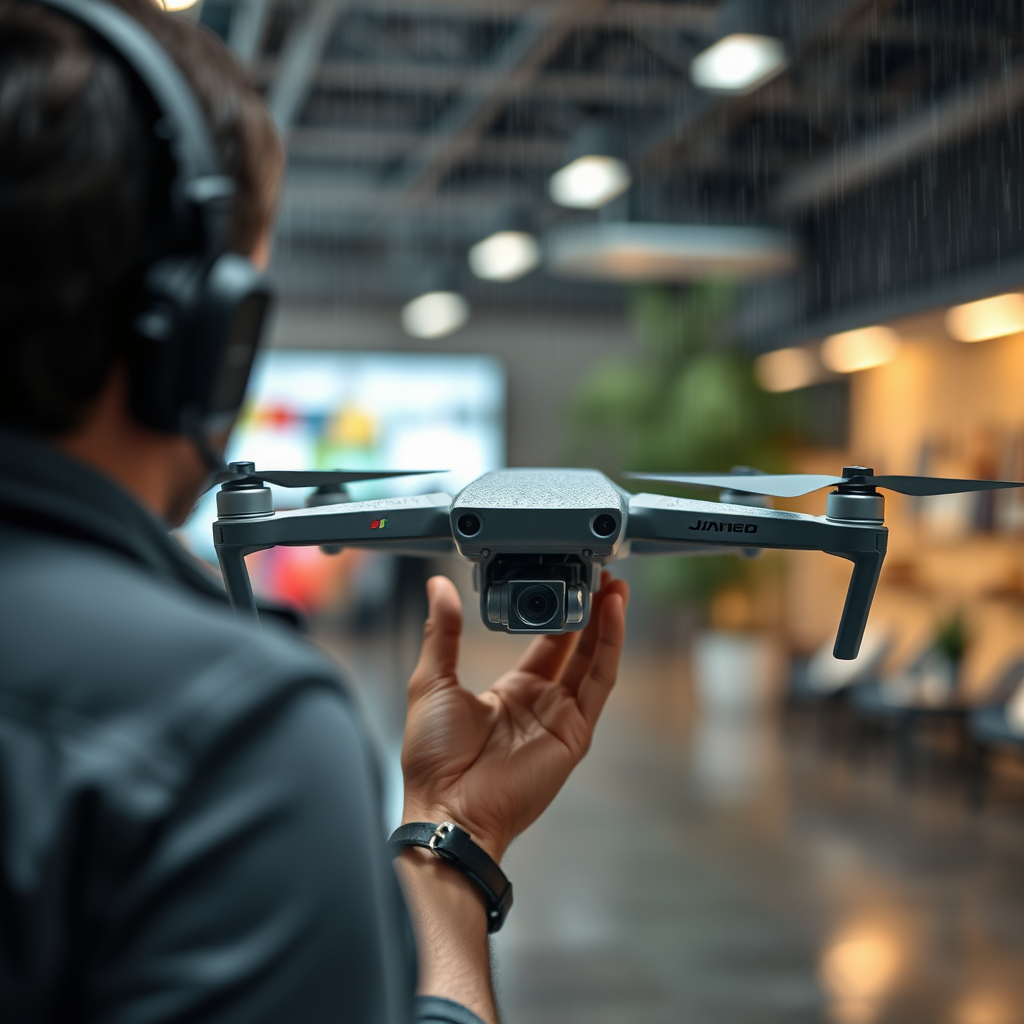
Different DJI models have varying degrees of water resistance, making some better suited for adverse conditions than others. For instance, the DJI Mavic 2 Enterprise is designed with a weather-resistant body that can handle light moisture, while the DJI Phantom 4 series is known for its robust construction but lacks official water resistance ratings. Always check the manufacturer’s specifications to determine your drone’s capabilities regarding moisture exposure. Familiarizing yourself with these specifications not only helps in making informed decisions during inclement weather but also extends your drone’s operational life.
Water resistance is often rated by the Ingress Protection (IP) code system, which indicates how well a device is protected against dust and water. For example, a drone with an IP rating of IPX4 can withstand splashes of water from any direction but is not fully waterproof. Therefore, knowing your drone’s IP rating can help you assess the risks of flying in light rain. In addition, understanding the materials used in your drone’s construction can also hint at its ability to withstand wet conditions. Plastic components may not hold up as well as those made from higher-grade materials like aluminum or carbon fiber.
Risks of Flying in Light Rain
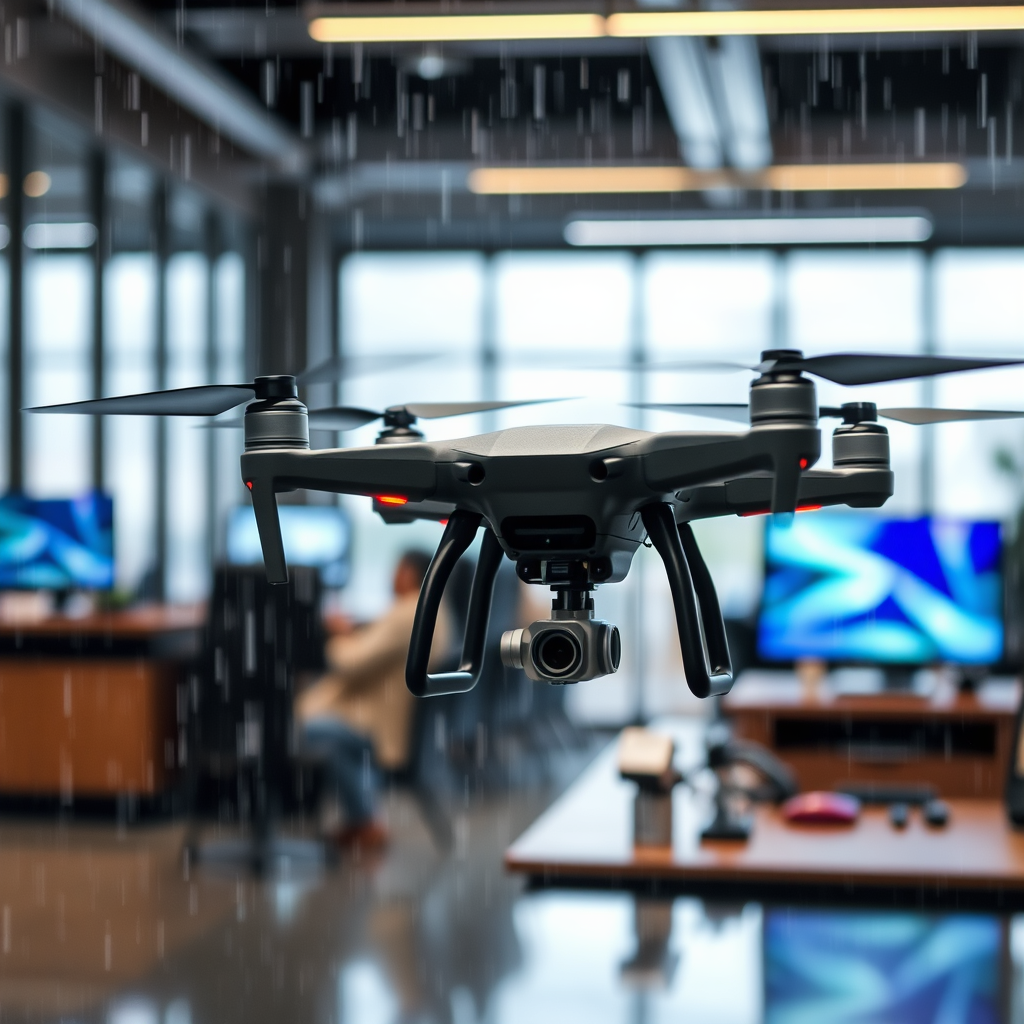
Water can penetrate the drone’s body, leading to potential electrical failures. Moisture can short-circuit sensitive electronic components such as the flight controller, gyroscope, and camera sensors. This not only poses a risk of immediate failure during flight but can also lead to long-term degradation of the drone’s electronic systems. Even if the drone appears to function normally after a flight in light rain, unseen damage may compromise its reliability in future operations.
Moreover, flying in light rain often comes with reduced visibility and increased wind, which can significantly affect flight stability and control. Rain can obscure the drone’s camera, making it difficult to capture clear images or videos. Furthermore, wet conditions can alter wind patterns, leading to unpredictable turbulence that can impact your ability to maintain control over the drone. This combination of factors makes flying in light rain a risky endeavor that could jeopardize not only the drone’s integrity but also the safety of bystanders and property below.
Safety Tips for Flying in Rainy Conditions
If you must fly, ensure minimal exposure to rain and avoid heavy downpours. One effective strategy is to schedule your flights during brief windows of lighter precipitation and monitor the forecast closely for sudden changes in weather conditions. Additionally, consider using a rain cover designed for your specific drone model. These covers can help shield critical components from moisture while allowing for limited airflow, thus reducing the risk of overheating.
Monitoring battery life closely is also crucial, as wet conditions can lead to unexpected performance drops. Water intrusion can affect battery efficiency and lead to premature shutdowns, which could cause a crash. Always fly with batteries that are fully charged and consider bringing extra batteries in case of unexpected power loss. Furthermore, maintaining a lower altitude during rainy conditions can help you maintain control and improve your chances of a safe landing if the drone’s performance declines unexpectedly.
Alternatives to Flying in the Rain
Instead of risking damage to your drone, consider waiting for clearer weather or using indoor flying options to practice. Indoor drone flying can be an excellent way to refine your skills without exposing your equipment to the elements. Many drones come with indoor flying modes that limit altitude and speed, making them more manageable in confined spaces.
Exploring drone simulators is another effective alternative to traditional flying. These simulators offer realistic flight scenarios and can help you develop your piloting skills without the risk of crashing your drone or suffering damage due to weather conditions. Many reputable drone manufacturers offer simulation software that can mimic various flying conditions, including adverse weather. This can be an invaluable tool for both novice and experienced pilots looking to enhance their skills.
Post-Flight Drone Maintenance After Rain
Thoroughly drying your drone after flying in wet conditions is essential to prevent long-term damage. Use a soft, dry cloth to wipe down the exterior and remove any moisture from the propellers and body. Pay particular attention to crevices and openings where water may accumulate. Leaving moisture trapped within the drone can lead to corrosion and potential failure of electronic components.
Inspecting for any water ingress is also vital. Check the battery compartment, camera housing, and any other openings for signs of moisture. If you suspect that water has entered the drone, consider using a silica gel packet or specialized moisture-absorbing products to help draw out any lingering moisture. Performing necessary maintenance, such as tightening screws or replacing worn parts, can also ensure that your drone remains in optimal condition for future flights.
Legal Considerations for Flying in Rain
Familiarizing yourself with local regulations regarding drone operation in adverse weather conditions is crucial. Some jurisdictions may have specific laws prohibiting drone flights in certain weather conditions, including rain. Violating these regulations could result in fines or penalties, and more importantly, could pose safety risks to other individuals and property.
Always prioritize safety and legal compliance to avoid potential fines or penalties. Before flying, check with local aviation authorities or drone regulatory agencies to ensure you are operating within the law. Additionally, maintaining a responsible flying attitude can help build a positive image for the drone community and enhance public perception of drone operations.
Maintaining drone safety and performance should be your top priority. While flying in light rain may be possible with certain models, it’s crucial to understand the risks involved and take appropriate precautions. If conditions are not ideal, it’s best to wait for a clearer day to ensure both your safety and your drone’s well-being. By adhering to these guidelines and prioritizing maintenance, you can enjoy a fulfilling and safe drone-flying experience, regardless of the weather conditions.
Frequently Asked Questions
Can you fly a DJI drone in light rain?
Flying a DJI drone in light rain is generally not recommended, even if it is light. Most DJI drones are not designed to be waterproof, and exposure to moisture can damage the electronic components and impair the drone’s performance. If your drone is equipped with a water-resistant feature, consult the specific model’s guidelines to determine its limitations. Always prioritize safety and the longevity of your equipment.
What should I do if my DJI drone gets wet in the rain?
If your DJI drone gets wet during a flight, immediately land it safely and turn off the power to prevent short-circuiting. Remove any accessible batteries and memory cards. Allow the drone to dry completely in a warm, dry place for at least 24 hours before attempting to power it on again. It may also be wise to consult a professional if you notice any performance issues after it has dried.
How does flying in light rain affect drone performance?
Flying a drone in light rain can significantly affect its performance, including stability and battery life. Rain can create additional weight on the drone, leading to reduced flight times and increased strain on the motors. Additionally, moisture on the sensors can interfere with navigation and obstacle avoidance systems, potentially causing accidents.
Why is it important to check weather conditions before flying my DJI drone?
Checking weather conditions before flying your DJI drone is crucial for ensuring both safety and equipment preservation. Adverse weather, including light rain, can lead to unexpected challenges such as reduced visibility and unstable flight conditions. By understanding the forecast, you can avoid situations that may jeopardize your drone or result in accidents, ensuring a smoother and safer flying experience.
What are the best practices for flying a DJI drone in varying weather conditions?
To fly your DJI drone safely in varying weather conditions, always check the forecast and avoid flying in rain, high winds, or extreme temperatures. Familiarize yourself with your drone’s specifications regarding wind resistance and moisture tolerance. Additionally, consider flying during times of day when visibility is good, and always keep your drone within line of sight. Preparing for unexpected weather changes can help minimize risks and enhance your flying experience.
References
- https://www.dji.com/support/faq/what-are-the-operating-conditions-for-dji-drones
- Unmanned Aircraft Systems (UAS) | Federal Aviation Administration
- https://www.theverge.com/2021/1/5/22213050/dji-drone-flying-in-rain-conditions-precautions
- https://www.dronepilotgroundschool.com/flying-drones-in-the-rain/
- https://www.uavcoach.com/flying-drones-in-the-rain/
- Dronelife – The Trusted Source for Drone Industry News
- https://www.cnet.com/tech/mobile/can-i-fly-my-drone-in-the-rain/
