
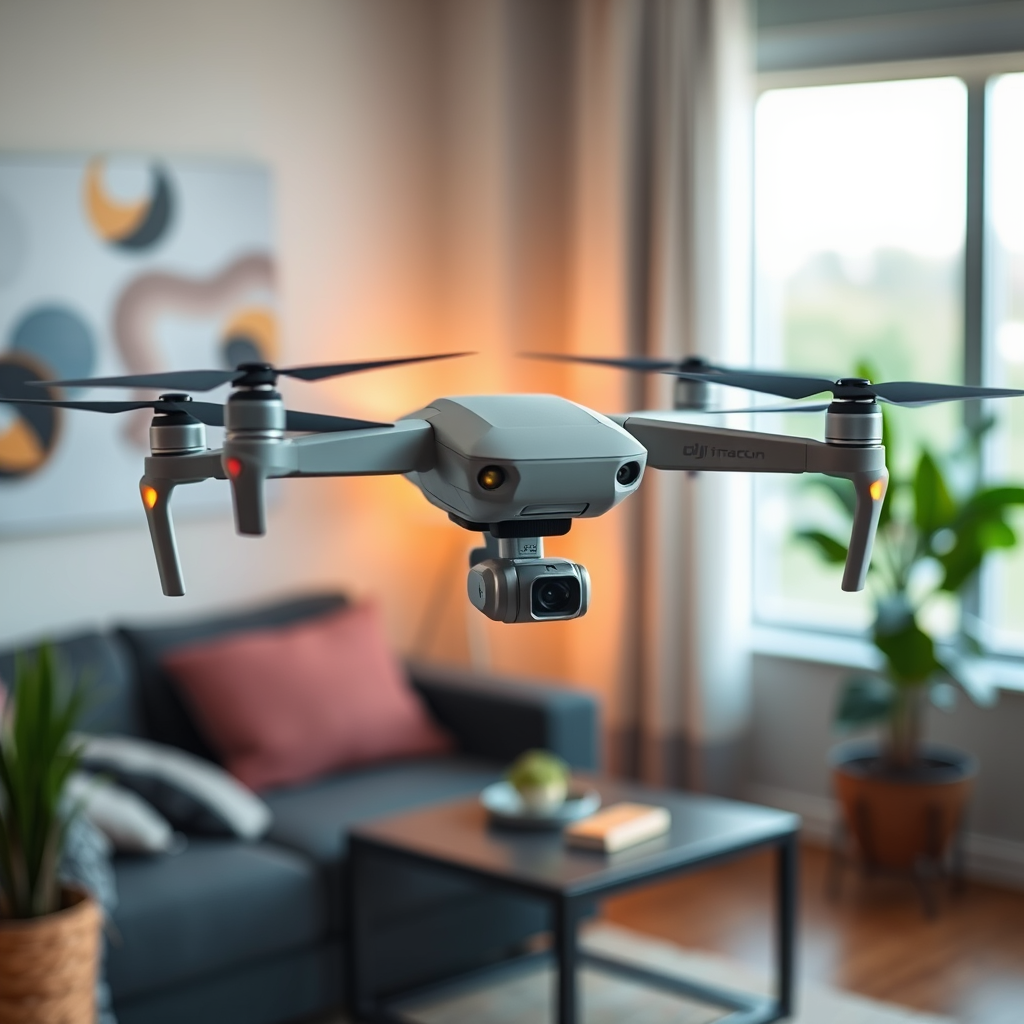
Flying a DJI drone indoors is indeed possible, but it comes with specific considerations and precautions. Indoor flight can be a unique and rewarding experience, allowing for creative opportunities in tight spaces; however, it requires careful planning and awareness of your surroundings. In this article, you’ll learn the key factors to keep in mind, including safety tips, regulatory concerns, and the best practices for indoor flying.
Understanding DJI Drones and Indoor Use
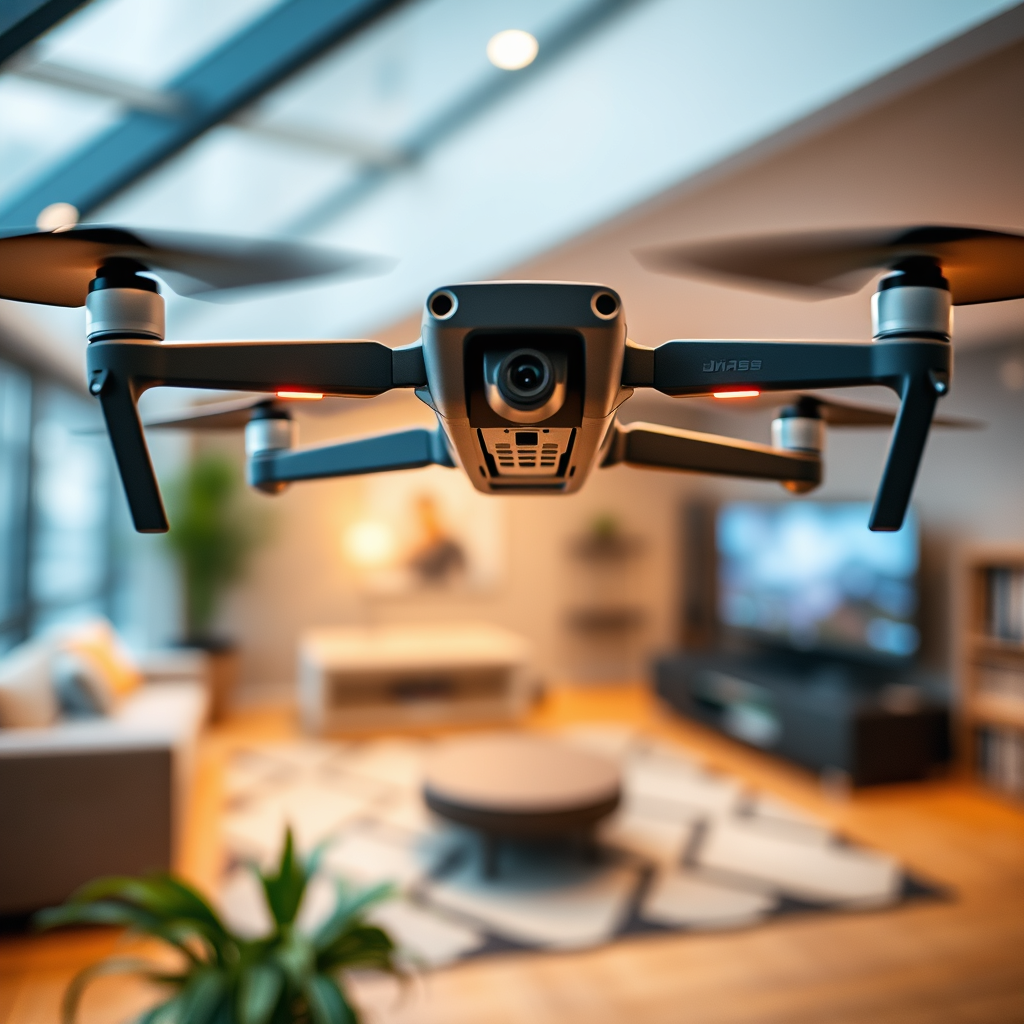
DJI drones are equipped with advanced technology, making them suitable for indoor flight. Many models come with features such as GPS, obstacle avoidance sensors, and advanced stabilization systems. However, these technologies may function differently indoors due to the lack of satellite signals that are crucial for GPS navigation. Indoors, drones rely more on visual positioning systems and ultrasonic sensors for altitude hold and stabilization.
For optimal indoor flying, consider models like the DJI Mini 2 or the DJI Mavic Mini, which are lightweight and designed with stability in mind. Their compact size and user-friendly controls can make indoor operations more manageable, especially for beginners. Understanding how your specific DJI model behaves in an indoor environment is vital to ensure a safe and enjoyable flying experience.
Safety Precautions for Indoor Flying
Safety should always be your top priority when flying a drone, especially indoors. Start with a thorough inspection of your drone, checking for any damage to propellers, motors, or battery connections. Any malfunction can lead to accidents, particularly in confined spaces where the risk of collisions increases.
Additionally, it’s crucial to maintain a safe distance from people, pets, and fragile objects. A drone can cause significant injury or damage if it collides with something or someone. Therefore, inform others in the vicinity of your flight and, if possible, ensure the area is secure and free from unintended obstacles. Furthermore, using propeller guards can help mitigate the risk of injury and damage during indoor flights.
Choosing the Right Location for Indoor Flying
Selecting the right location for indoor flying cannot be overstated. A spacious area free from obstructions and hazards, such as furniture or low ceilings, is ideal. Large gyms, warehouses, or open hall spaces can serve as excellent venues for indoor drone flying.
Consider the height of the ceiling as well; flying in areas with higher ceilings gives you more room to maneuver and reduces the risk of crashing into overhead obstacles. It’s also advisable to have a plan in place for managing unexpected situations, such as a loss of control or a sudden battery failure. Always prioritize environments that allow for ample room to navigate safely.
Understanding Flight Modes
Familiarizing yourself with the different flight modes available on your DJI drone can significantly enhance your control while flying indoors. DJI drones often come equipped with various modes tailored to different flying conditions.
For instance, the “Altitude Hold” mode is particularly useful for maintaining a steady flight level without constant manual adjustments, allowing for easier navigation in tight spaces. Conversely, “Sport Mode” can provide faster response times and greater agility, but it requires a more experienced pilot to handle effectively. Understanding when and how to use these modes can be the difference between a successful indoor flight and a crash.
Regulatory Considerations
Before embarking on your indoor flying journey, it’s essential to check local laws and regulations regarding indoor drone operation. Some areas may have specific restrictions on where drones can be flown, including in public spaces or certain community facilities.
If you plan to fly in venues like schools, community centers, or event spaces, it’s also important to understand their rules and guidelines regarding drone usage. Getting permission from venue managers is advisable to avoid any misunderstandings or legal issues. Being informed about the regulatory landscape surrounding drone flight will not only enhance your flying experience but also ensure that you remain compliant with local laws.
Tips for Capturing Indoor Footage
Capturing high-quality video and photos indoors can be a challenge due to lighting conditions and spatial constraints. To enhance your footage, utilize slow, steady movements when flying your drone. Quick, jerky motions can lead to shaky videos or blurred images, whereas smooth flying will yield more professional-looking results.
Lighting is another critical factor; experiment with different lighting conditions to optimize your footage. Avoid overly bright or dark areas, as they can affect camera performance. Additionally, consider using the drone’s built-in camera settings to adjust exposure and ISO, helping to improve image quality in various indoor lighting scenarios.
Flying indoors may also allow for creative angles and perspectives that are not possible in outdoor environments. Take advantage of the unique features of your surroundings to produce compelling content.
Flying a DJI drone indoors can be a rewarding experience when done safely and thoughtfully. By following the discussed precautions and tips, you can enjoy indoor flying while minimizing risks. Embrace the opportunity to explore new creative avenues and capture stunning footage in ways you hadn’t imagined. For more insights and advice on drone flying, consider exploring our related articles or joining a local drone community!
Frequently Asked Questions
Can you fly a DJI drone indoors without any special equipment?
Yes, you can fly a DJI drone indoors, but it’s essential to consider several factors for a safe experience. DJI drones come equipped with sensors that help with obstacle detection and positioning, which are beneficial in indoor environments. However, be cautious of limited space, potential obstacles, and the risk of losing GPS signal indoors, as it may affect stability.
What are the risks of flying a DJI drone indoors?
Flying a DJI drone indoors poses several risks, including potential collisions with walls, furniture, or people. Indoor flying can also lead to sensor interference, which might cause the drone to behave unpredictably. Additionally, the lack of GPS signal can make it challenging to maintain stable flight or return home, increasing the likelihood of accidents.
How do I prepare for flying my DJI drone indoors?
To prepare for indoor flying with your DJI drone, first, ensure you have ample space to maneuver safely. Remove obstacles and secure any fragile items in the vicinity. It’s also advisable to switch off any nearby Wi-Fi devices that might interfere with your drone’s sensors and to familiarize yourself with the drone’s indoor flying capabilities, including understanding the use of the Vision Positioning System (VPS).
Which DJI drones are best suited for indoor flying?
DJI drones such as the DJI Mini 2 and the DJI Mavic Air 2 are well-suited for indoor flying due to their compact size and advanced obstacle avoidance features. These models have effective sensors that help prevent collisions and maintain stability in limited spaces. Always check the specifications and features of each model to ensure they meet your indoor flying needs.
Why is it important to follow indoor flying regulations for DJI drones?
Following indoor flying regulations for DJI drones is crucial for safety and compliance with local laws. Many regions have specific guidelines regarding drone operation, even indoors, to protect bystanders and property. Adhering to these regulations helps prevent accidents, promotes responsible flying, and ensures a more enjoyable experience for both the operator and those nearby.
References
- https://en.wikipedia.org/wiki/Drone_flight_laws
- https://www.faa.gov/uas/getting_started/part_107/
- https://www.nytimes.com/2020/03/06/technology/drones-indoor-flying.html
- https://www.dronepilotgroundschool.com/flying-drones-indoors/
- https://www.nasa.gov/feature/nasa-develops-drones-for-indoor-environments
- Unmanned Aircraft Systems (UAS) | Federal Aviation Administration
- https://www.theguardian.com/technology/2021/jan/27/how-to-fly-a-drone-indoor-safety-tips
- https://www.sciencedirect.com/science/article/pii/S187705091931669X
