
Yes, you can fly a DJI drone without cell service. Most DJI drones operate independently of cellular networks by utilizing GPS and internal sensors for navigation. This autonomy allows users to enjoy aerial photography and videography in remote areas where cellular coverage may be sparse or nonexistent. However, flying without cell service does come with certain considerations that drone operators should be aware of to ensure a safe and effective flight experience.
Understanding Drone Navigation Systems
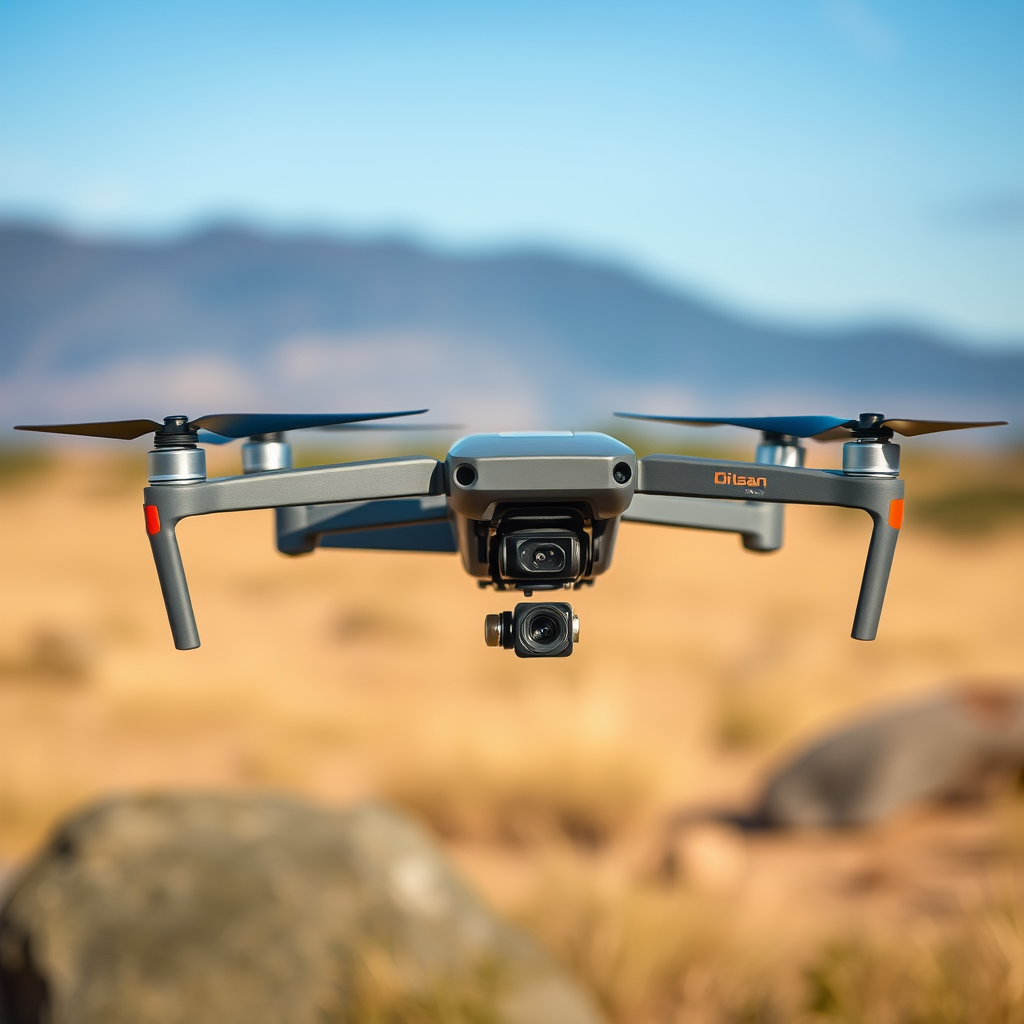
DJI drones primarily rely on Global Positioning System (GPS) technology for location tracking and navigation. GPS provides critical data that helps the drone determine its position relative to the Earth’s surface, enabling it to maintain stability and follow pre-defined flight paths. In addition to GPS, DJI drones are equipped with internal sensors such as Inertial Measurement Units (IMUs) and barometers. IMUs monitor the drone’s orientation and movement, while barometers assess altitude changes based on air pressure, adding an additional layer of stability during flight.
These systems work together to ensure that the drone can fly accurately even in the absence of cell service. For example, when flying in a remote mountain range, the drone’s GPS will still provide accurate positioning data, while the IMU ensures that it maintains a steady altitude and orientation, regardless of cellular connectivity. This is particularly beneficial for enthusiasts and professionals who often venture into areas with limited or no cellular coverage.
Preparing for Flight Without Cell Service
Before taking to the skies without cell service, thorough preparation is essential. One of the first steps is to download any necessary maps and firmware updates. DJI’s software allows users to store offline maps of their intended flying areas, which can be crucial for navigating without real-time data. Furthermore, ensuring that both the drone’s batteries and the remote controller are fully charged can prevent disruptions during flight, especially in locations where recharging options are unavailable.
Additionally, operators should familiarize themselves with the drone’s settings and features that can be accessed offline. For instance, pre-programming flight routes or creating waypoints in the drone’s app can help streamline the flying process, allowing for a more efficient experience without cell service. Lastly, reviewing local regulations regarding drone use in specific areas is critical to ensure compliance, as some regions may have specific restrictions or requirements.
Limitations of Flying Without Cell Service
While flying a DJI drone without cell service is achievable, several limitations must be acknowledged. For instance, features such as live streaming video or accessing real-time geofencing updates are typically unavailable when disconnected from cellular networks. This can limit the drone’s operational capabilities, particularly for those who rely on live feedback or need to avoid restricted airspace.
Furthermore, pilots will not receive real-time weather updates or airspace notifications, which can be crucial for safe flying. Weather conditions can change rapidly, affecting visibility and flight safety. Without access to current weather reports, operators may be unaware of sudden changes that could impact their flight plans, such as gusty winds or impending storms.
To mitigate these issues, it is advisable to check weather conditions thoroughly before departure and to have a basic understanding of local airspace regulations, even without real-time updates. This preparation can help drone pilots avoid potential hazards and ensure a more enjoyable flying experience.
Safety Precautions When Flying
Flying a drone, especially in areas without cell service, necessitates a strong emphasis on safety. Conducting a pre-flight check is essential to ensure that all systems are functioning correctly. This includes verifying that the GPS signal is strong, checking battery levels, and confirming that the drone’s sensors are operational. A comprehensive pre-flight checklist can help prevent accidents and ensure a smooth flight.
Additionally, maintaining a visual line of sight with the drone is crucial. This practice not only helps avoid collisions but also ensures that the pilot can respond quickly to any unexpected situations. In remote areas, where obstacles such as trees or cliffs may be present, maintaining visual contact can be the difference between a safe landing and a crash.
Lastly, it is important to educate oneself about emergency procedures, such as the proper way to regain control of the drone if it loses GPS signal or how to execute a safe landing in case of battery failure. Having a clear plan in place can significantly enhance flight safety.
Best Practices for Operating in Remote Areas
When operating a DJI drone in remote areas, careful planning can make a significant difference in the flight experience. One effective strategy is to utilize offline maps for flight path planning. Many drone applications allow users to download maps for offline use, which can guide pilots during their flights without cellular connectivity. This preparation can help avoid disorientation and ensure that the drone remains within a designated area.
Carrying a backup battery is another best practice for flying in remote locations. Extended flights may drain the battery faster than anticipated, particularly if the conditions are not ideal. Having an extra battery on hand can allow operators to extend their flying time and ensure a successful outing. Additionally, packing emergency supplies, such as a first-aid kit and basic tools for minor repairs, can be invaluable in unforeseen circumstances.
Moreover, familiarizing oneself with the terrain before flying is recommended. Understanding the geography and identifying potential hazards can help prevent accidents and allow for better flight planning. Whether it involves scouting the area beforehand or utilizing satellite imagery, knowledge of the environment can enhance both safety and enjoyment.
Utilizing Alternative Technologies
While cell service may be absent, alternative technologies can provide additional functionality for DJI drone operators. Wi-Fi networks, when available, can facilitate data transfer and access to features that enhance the flying experience. For instance, some drones can connect to Wi-Fi hotspots for real-time updates, making it easier to utilize certain features, such as map downloads or firmware updates.
Additionally, exploring offline flight planning apps can be beneficial. Various applications allow users to plan their flights, set waypoints, and create routes without needing an internet connection. These tools can significantly enhance navigation capabilities and improve the overall flying experience in remote areas.
Using a combination of technology and thorough preparation can help drone pilots maximize their capabilities, even when flying without cell service.
In conclusion, flying a DJI drone without cell service is entirely feasible with appropriate planning and awareness of limitations. By understanding the drone’s navigation systems, preparing thoroughly for flight, recognizing potential challenges, prioritizing safety, and utilizing alternative technologies, operators can ensure a successful and enjoyable flying experience. As the popularity of drone technology continues to grow, being equipped with the right knowledge and resources will empower users to explore the skies with confidence, regardless of cellular connectivity.
Frequently Asked Questions
Can you fly a DJI drone without cell service?
Yes, you can fly a DJI drone without cell service. DJI drones are designed to operate independently of cellular networks, as they use GPS and onboard sensors for navigation and stabilization. However, it’s essential to ensure that your drone has a strong GPS signal for safe flying, and you should download any necessary maps or updates before your flight to avoid connectivity issues.
What features of DJI drones allow them to operate without cell service?
DJI drones come equipped with various features that enable them to function without cell service, including GPS, inertial measurement units, and obstacle avoidance sensors. These systems work together to provide accurate location data and stability, allowing the drone to fly autonomously and return to home safely, even in areas with no cellular coverage.
How can I prepare my DJI drone for flying in remote areas without cell service?
To prepare your DJI drone for flying in remote areas without cell service, ensure that you fully charge the drone’s battery and remote controller. Additionally, download the latest firmware updates and any required maps to your mobile device before heading to the location. Familiarize yourself with the drone’s features, such as the Return to Home (RTH) function, to ensure a safe flight.
Why is it important to have a good GPS signal when flying a DJI drone without cell service?
A good GPS signal is crucial when flying a DJI drone without cell service because it helps maintain the drone’s position and stability in the air. Without a reliable GPS connection, the drone may experience drift or difficulty in executing automated functions like RTH, which can lead to potential crashes or loss of control. Always check GPS signal strength before takeoff to ensure a safe flight experience.
Which DJI drones are best suited for flying without cellular connectivity?
Most DJI drones are well-suited for flying without cellular connectivity, but models like the DJI Mavic Air 2, DJI Mini 2, and DJI Phantom 4 Pro are particularly popular due to their robust GPS systems and advanced flight features. These drones offer excellent stability, long flight times, and user-friendly controls, making them ideal for outdoor flying in remote areas where cell service may be unreliable.
References
- https://en.wikipedia.org/wiki/Drone#Control_system
- https://www.faa.gov/uas/getting_started/registration
- https://www.faa.gov/uas/getting_started/fly_for_fun
- https://www.cnet.com/home/smart-home/can-you-fly-a-drone-without-cell-service/
- https://www.dronepilotgroundschool.com/flying-drone-without-mobile-data/
- https://www.abc.net.au/news/2021-07-02/drone-flying-without-cell-service/100265862
- https://www.technologyreview.com/2022/03/01/1048677/drone-technology-privacy-issues/
- https://www.usatoday.com/story/tech/2020/06/01/can-you-fly-drone-without-internet-cell-service/5300548002/
