
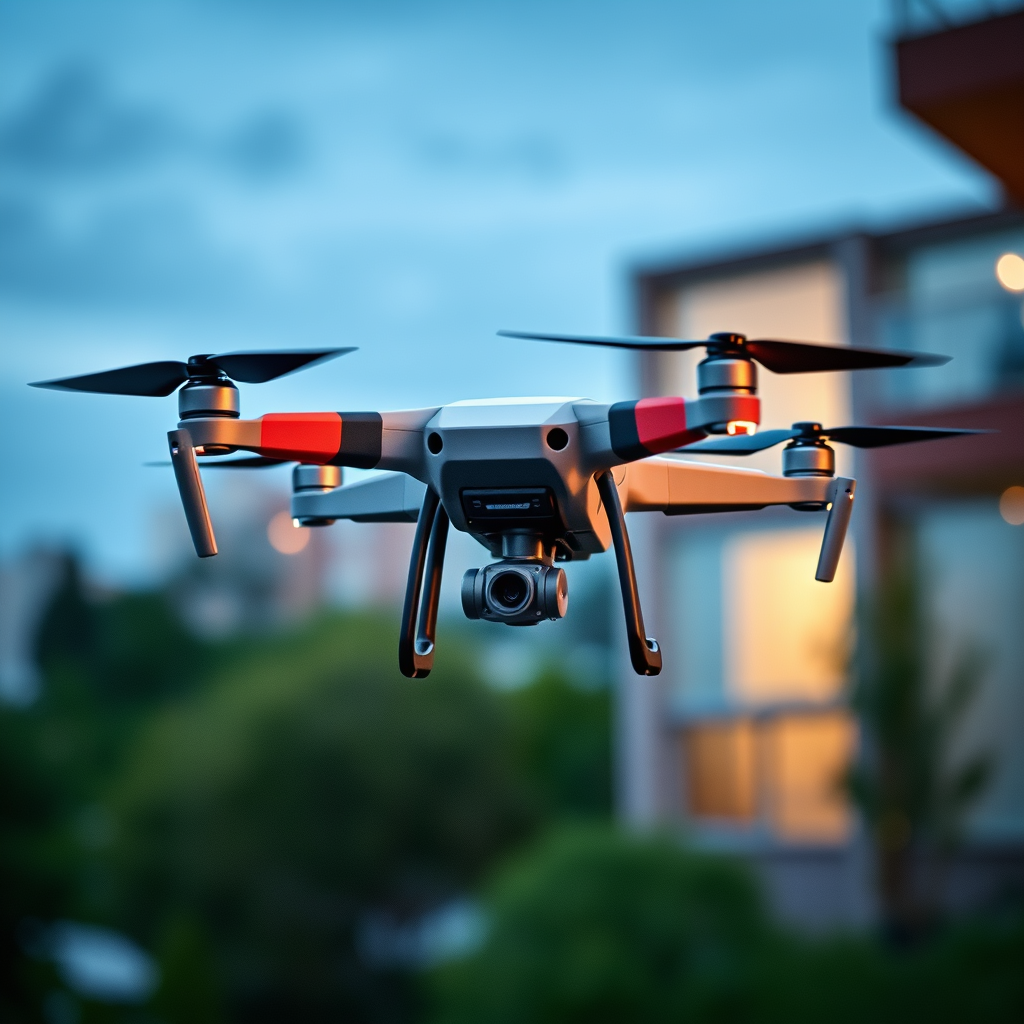
Flying a DJI drone without GPS is indeed possible but comes with significant limitations. While many DJI models operate optimally with GPS, certain modes allow for manual control when GPS signals are unavailable. However, the absence of GPS complicates flight stability and control, demanding heightened pilot skill and adaptability. This article will delve into the implications, techniques, and best practices for successfully flying a DJI drone without GPS.
Understanding GPS Functionality in Drones
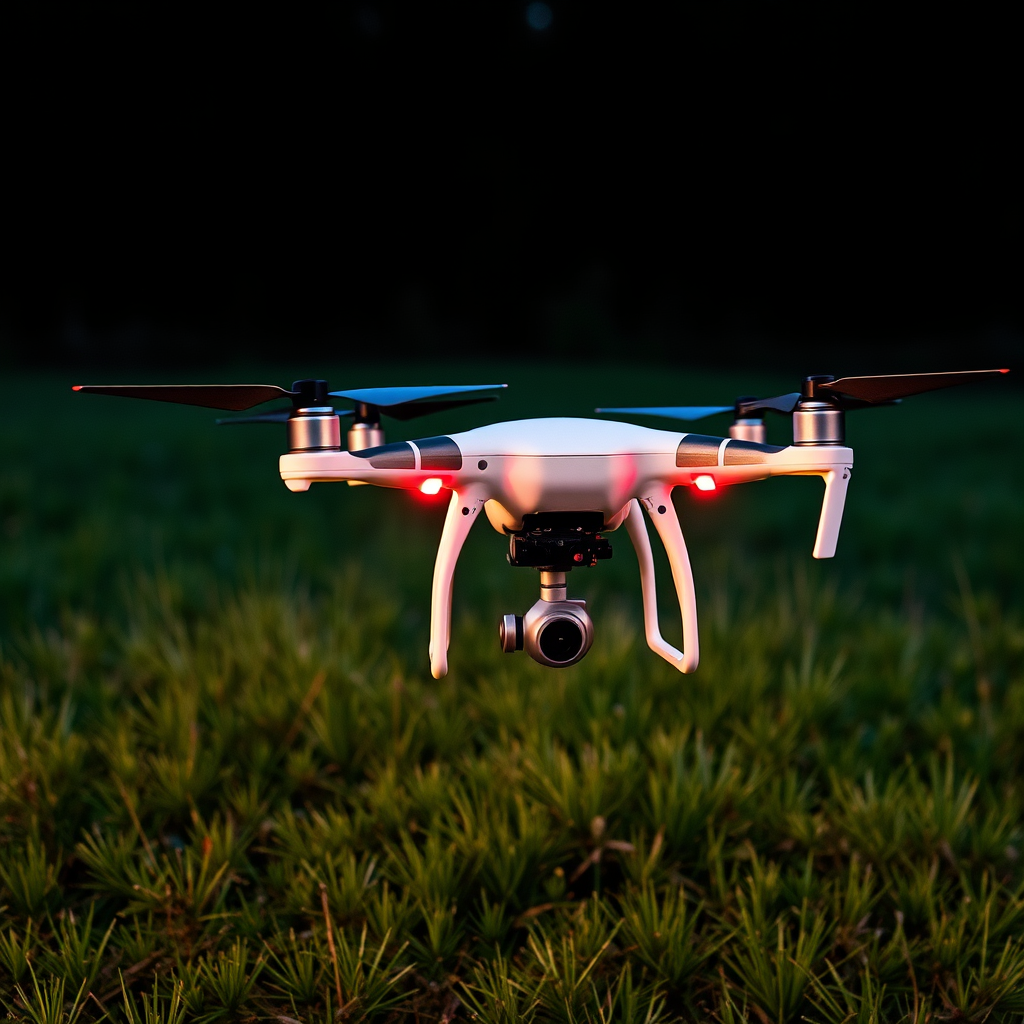
GPS, or Global Positioning System, plays a critical role in the operation of most modern drones, including those manufactured by DJI. This technology provides essential location data that enables stable flight by helping the drone maintain its position, altitude, and orientation relative to the ground. For instance, when GPS is active, the drone can utilize features like Return to Home (RTH), which automatically brings the drone back to its launch point if the connection is lost or the battery is running low. Additionally, GPS enables waypoint navigation, allowing pilots to pre-program flight paths and have the drone autonomously follow them. Without GPS, many of these automated features become unusable, making manual piloting the only option.
Modes of Flight Without GPS
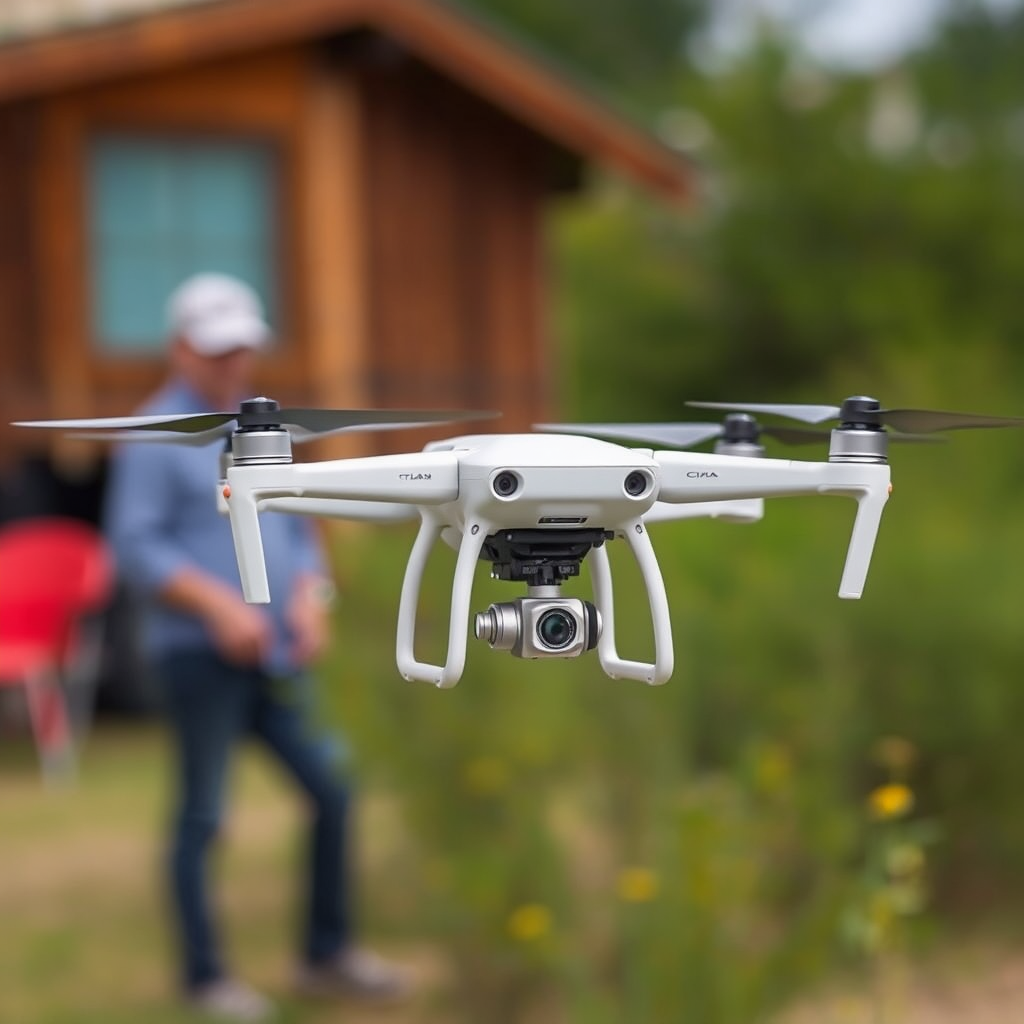
When flying a DJI drone without GPS, pilots can utilize specific modes designed for manual control. One of the primary modes available is ATTI (Attitude) mode. In this mode, the drone relies on its onboard sensors—such as accelerometers and gyroscopes—to maintain stability and orientation, but it does not have access to GPS data for position holding. This requires the pilot to actively manage altitude and position, which can be challenging, particularly for less experienced operators.
Some DJI drones also feature a “No GPS” mode that limits or completely disables certain automated functions. For example, in this mode, the drone may not be able to execute RTH or follow predefined flight paths, compelling the pilot to maintain full manual control. Understanding these modes is crucial for any pilot looking to fly without GPS, as each mode presents unique challenges and requires different skill sets.
Challenges of Flying Without GPS
Flying a DJI drone without GPS introduces several challenges that can significantly affect the flying experience. One of the most noticeable difficulties is the increased effort required to maintain altitude and position. In GPS mode, the drone can hover in place with minimal pilot input, but in modes like ATTI, even slight changes in wind can have a pronounced impact on stability. Pilots may find themselves constantly correcting for drift, which can be particularly taxing in windy conditions or complex environments, such as near tall structures or trees.
Additionally, without GPS, pilots lose the benefits of automated safety features, increasing the risk of losing control of the drone. For example, if the drone drifts beyond the operator’s line of sight, it may become difficult to recover it. This is especially true for beginners who may not yet possess the requisite flying skills to handle such scenarios effectively.
Best Practices for Manual Flight
To enhance the experience of flying a DJI drone without GPS, pilots should adopt several best practices. First and foremost, it is vital for pilots to familiarize themselves with the drone’s controls and functions before venturing into ATTI mode. Understanding how the throttle, yaw, pitch, and roll work in tandem is essential for achieving stable flight.
Practicing in open areas with minimal obstacles is another critical step. This allows pilots to gain confidence in their control over the drone without the pressure of navigating around trees, buildings, or other potential hazards. Gradually increasing the complexity of the flight environment can help build skills and confidence, leading to better control in more challenging conditions.
Additionally, pilots should consider using flight simulators to practice their skills virtually. Many simulator programs mimic the behavior of DJI drones and allow for experimentation with various flight modes without the risk of damaging the actual equipment.
Safety Considerations
When flying a DJI drone without GPS, safety should be a primary concern. Before taking off, pilots must check local regulations regarding drone operations, as some jurisdictions may have restrictions on flying without GPS or in specific airspaces. Being aware of these regulations can prevent legal complications and promote safer flying practices.
Moreover, pilots should always be mindful of their surroundings. This includes being aware of other aircraft, people, and obstructions within the vicinity. Utilizing visual line-of-sight flying techniques is crucial when flying without GPS, as it helps maintain awareness of the drone’s position and the environment around it. Implementing a buddy system, where another person assists in spotting the drone, can also enhance safety during flights.
Alternatives to GPS Assistance
When GPS is unavailable, pilots can employ various alternatives to assist with navigation and stability. One effective technique is to utilize visual line-of-sight flying. This approach encourages pilots to keep the drone within their direct line of sight, allowing for better control and quicker reaction times to any changes in the flight environment.
Additionally, some drones can be equipped with extra sensors or cameras that can help with stabilization and navigation. For example, using downward-facing cameras or ultrasonic sensors can assist in altitude maintenance and provide more data for the drone’s onboard systems. These technologies can enhance the drone’s ability to fly smoothly, even in the absence of GPS.
For more advanced pilots, integrating external devices such as ground-based stations or using telemetry systems can also enhance control and situational awareness, although these options may require additional investment and technical knowledge.
Flying a DJI drone without GPS is indeed feasible but requires a skilled pilot to navigate effectively. By understanding the challenges and employing best practices, you can enhance your flying experience. If you’re ready to take your skills further, consider practicing in safe environments and exploring drone flight training resources. As you build your confidence and expertise, you may find new ways to enjoy the thrill of flying, even when GPS signals are weak or absent.
Frequently Asked Questions
Can you fly a DJI drone without GPS?
Yes, you can fly a DJI drone without GPS, but it may limit the drone’s functionality and stability. In GPS mode, drones can lock onto satellites for precise positioning and altitude control, which enhances safety and ease of use. Without GPS, you can switch to ATTI mode, which relies on the drone’s internal sensors, but this requires more pilot skill as the drone won’t have positional hold and will be affected more by wind.
What happens to a DJI drone when GPS is unavailable?
When GPS is unavailable, a DJI drone typically transitions to ATTI mode, where it relies on its onboard sensors for stabilization. In this mode, the drone will not hold its position or altitude automatically, making it more challenging to control, especially in windy conditions. Pilots need to be more attentive and skilled to maneuver the drone effectively, as it may drift with the wind and require constant adjustments.
How can I fly my DJI drone safely without GPS?
To fly your DJI drone safely without GPS, it’s essential to practice in a controlled environment with minimal wind. Familiarize yourself with the drone’s controls in ATTI mode, and maintain visual line of sight at all times. Additionally, consider flying at lower altitudes and avoiding areas with obstacles to prevent crashes, as you won’t have the GPS features that assist in avoiding hazards.
Why would someone want to fly a DJI drone without GPS?
Some users may want to fly a DJI drone without GPS to enhance their piloting skills, as it requires more manual control and precision. Enthusiasts may also seek to fly in areas where GPS signals are weak or blocked, such as dense forests or urban canyons. Furthermore, flying without GPS can provide a unique experience for capturing creative aerial shots that might be more challenging in GPS mode.
Which DJI drones can operate without GPS?
Most DJI drones can operate without GPS, including popular models like the DJI Mavic series, Phantom series, and the DJI Mini series. While all these drones have GPS capabilities, they can switch to ATTI mode when GPS is unavailable. However, it’s important to note that flying without GPS is generally not recommended for beginners, as it requires a higher level of skill and understanding of drone controls.
References
- Drone
- Remote Identification of Drones | Federal Aviation Administration
- https://www.dronepilotgroundschool.com/flying-a-drone-without-gps/
- https://www.nytimes.com/2020/07/30/technology/drone-flying.html
- https://www.theguardian.com/technology/2021/sep/17/drones-flying-regulations-rules
- https://www.sciencedirect.com/science/article/pii/S2352864821002742
