
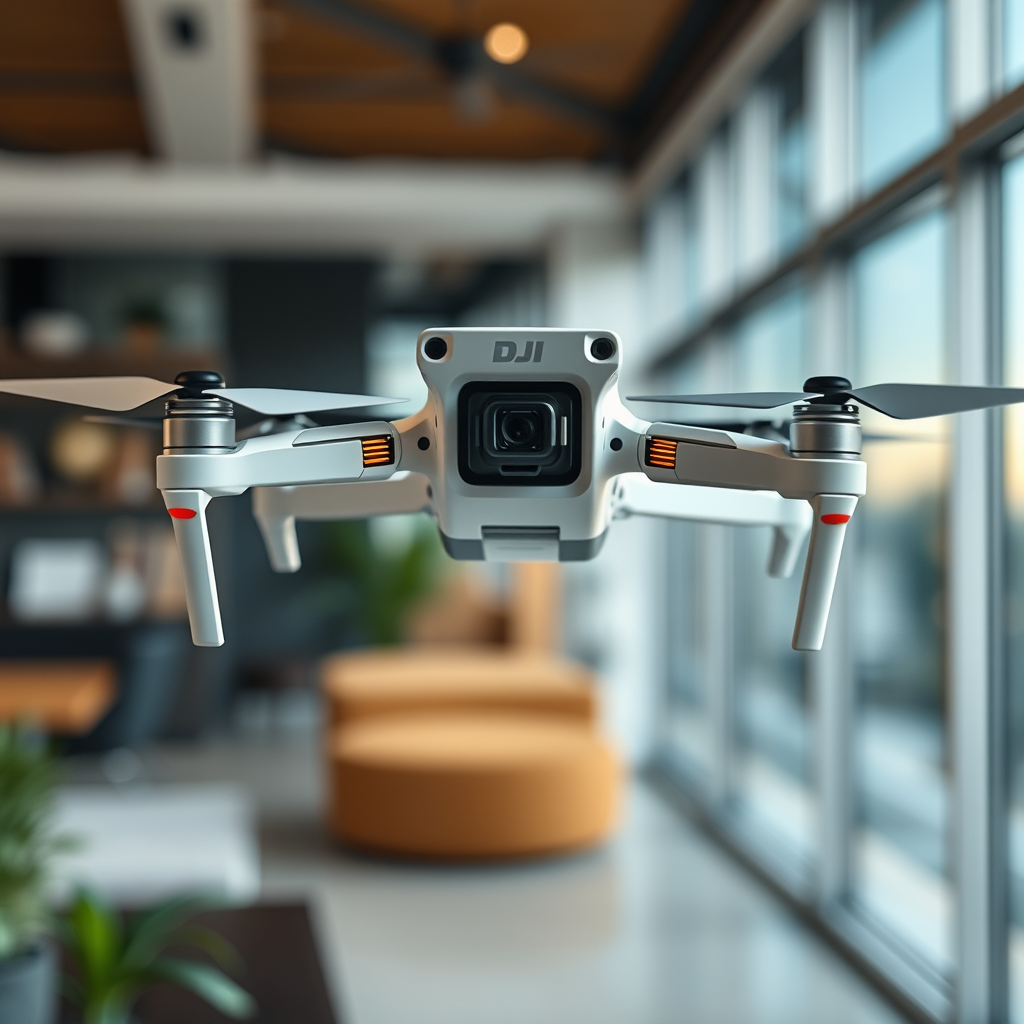
Yes, you can fly a DJI FPV drone without goggles by using a smartphone or a remote controller with a built-in screen. However, flying without goggles eliminates the immersive experience and may limit your control in certain situations. The DJI FPV drone is designed to provide a high-quality first-person view (FPV) flying experience, and while alternate methods exist for operating the drone, they come with their own set of challenges and limitations. Let’s explore the various ways you can operate the drone and the implications of flying without the FPV headset.
Understanding the DJI FPV Drone Setup
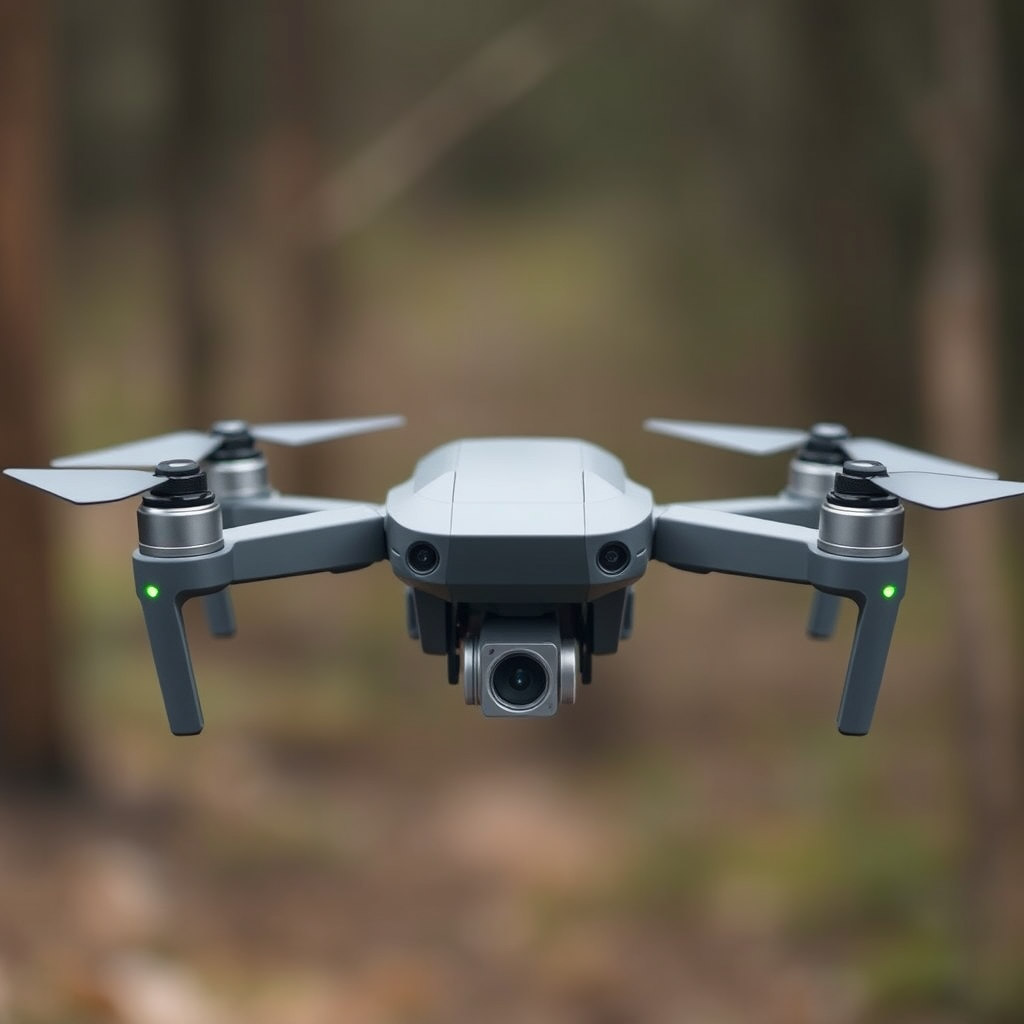
The DJI FPV drone is a sophisticated piece of technology that combines the thrill of racing drones with the ease of use associated with consumer drones. It features a lightweight design, a maximum speed of 87 mph, and the ability to shoot 4K video at 60 frames per second. The drone is equipped with a 150-degree field of view camera, which offers an expansive perspective that enhances the flying experience.
One of the standout features of the DJI FPV system is its immersive FPV goggles. These goggles provide a live feed directly from the drone’s camera, delivering a seamless and engaging experience that allows pilots to feel as if they are sitting in the cockpit. The goggles also feature low latency, which is crucial for high-speed maneuvers and racing. The primary importance of goggles in FPV flying lies in their ability to provide an unobstructed view of the surroundings, thereby enhancing situational awareness and control.
Options for Flying Without Goggles
If you choose to fly your DJI FPV drone without goggles, there are two primary alternatives to consider: using a compatible smartphone or tablet for the video feed and utilizing the remote controller with a built-in display.
Using a Compatible Smartphone or Tablet for Video Feed
Many users opt to connect their smartphone or tablet to the DJI Fly app for a visual feed while flying their drone. This method allows you to monitor the drone’s camera view on a larger screen, although it tends to lack the real-time responsiveness and immersive experience provided by FPV goggles. To connect your smartphone, you can use the USB-C or Lightning connection, depending on your device type. Make sure to mount the smartphone securely to avoid distractions during flight.
Utilizing the Remote Controller with a Built-in Display
Another option is to use the DJI FPV remote controller, which is equipped with a built-in display. This controller provides a decent alternative to goggles, as it allows you to see the live feed from the drone’s camera without needing an additional device. However, while the remote controller display can show essential flight data and a video feed, it may not offer the same level of immersion or situational awareness as FPV goggles, particularly during fast-paced maneuvers.
Limitations of Flying Without Goggles
Flying a DJI FPV drone without goggles presents several limitations that can impact the overall experience.
Reduced Field of View Compared to FPV Goggles
When using a smartphone or remote controller display, you will notice a significantly reduced field of view compared to what FPV goggles offer. The goggles provide a panoramic view that immerses you in the flight, whereas a smartphone screen may feel constricted and less engaging. This limitation can result in a less thrilling experience and may hinder your ability to notice critical environmental changes.
Potential for Decreased Situational Awareness During Flight
Situational awareness is crucial when flying drones, especially in dynamic environments. FPV goggles allow pilots to maintain a consistent view of the drone’s surroundings, but when flying without them, the pilot may struggle to keep track of both the drone’s position and the physical landscape. This can lead to potential collisions or miscalculations during flight, particularly if the drone is flying at high speeds or navigating obstacles.
Safety Considerations When Flying FPV
Safety should always be a priority when operating a drone.
Importance of Keeping Line of Sight with the Drone
While it may be tempting to rely solely on the drone’s camera feed, maintaining a visual line of sight with the drone is essential for safe operation. This is especially true when flying without goggles; using a smartphone or remote controller display can lead to distractions that may take your focus away from the drone’s actual position. Always ensure you can see the drone, as this will help prevent accidents and maintain control.
Recommended Flying Environments and Conditions
It is advisable to fly in open spaces away from crowds, buildings, and other obstacles. Ideal conditions include clear weather with minimal wind. Avoid flying during inclement weather or in low-light conditions, as these factors can further reduce your situational awareness and make it more challenging to operate the drone safely.
Enhancing Your Experience Without Goggles
For those who choose to fly without goggles, there are several strategies to enhance the experience.
Tips for Utilizing the Drone’s Camera Features to Your Advantage
Make the most of the DJI FPV drone’s advanced camera capabilities. Use the drone’s various shooting modes, such as Hyperlapse and QuickShots, to capture stunning aerial footage even without the immersive experience of goggles. Experimenting with these features can help you create visually appealing content while allowing you to focus on piloting the drone effectively.
Suggestions for Accessories That Can Improve Control and Visibility
Consider investing in accessories that enhance your flying experience. For instance, a tablet mount for your remote controller can provide a sturdier setup, allowing for better visibility and control. Additionally, using a sunshade for your smartphone or tablet can help reduce glare, making it easier to see the live feed during bright conditions.
Legal Regulations and Compliance
When flying a DJI FPV drone, understanding local regulations is crucial.
Overview of Drone Regulations Regarding FPV Flying
Different countries and regions have specific regulations governing drone operation, especially when it comes to FPV flying. In many places, flying without goggles may require you to maintain a visual line of sight at all times. Familiarize yourself with Federal Aviation Administration (FAA) guidelines, or your local equivalent, to ensure compliance and avoid potential fines.
Importance of Adhering to Local Laws When Flying Without Goggles
Adhering to local laws is critical for safe drone operation. Not only does compliance help avoid legal issues, but it also promotes responsible flying within the community. Always ensure you follow the required safety protocols, including registering your drone if necessary, and respect no-fly zones to ensure a safe flying environment for everyone.
In conclusion, while it is possible to fly a DJI FPV drone without goggles, doing so comes with several limitations that can affect your flying experience. The immersive qualities of FPV goggles are designed to enhance control and situational awareness, which are crucial for safe and enjoyable drone operation. For the best results, consider investing in FPV goggles to fully enjoy the capabilities of your drone. Always remember to fly safely and within legal guidelines to ensure a positive experience for yourself and others.
Frequently Asked Questions
Can you fly a DJI FPV drone without goggles?
Yes, you can fly a DJI FPV drone without goggles, but it is not recommended. The goggles provide an immersive first-person view (FPV) experience, making it easier to navigate and control the drone. Without them, you would rely solely on the drone’s camera feed displayed on your smartphone or remote controller, which can limit your ability to gauge the drone’s position and orientation effectively.
How do you operate a DJI FPV drone without using goggles?
To operate a DJI FPV drone without goggles, you need to use the DJI Fly app on your smartphone or tablet connected to the remote controller. Make sure to adjust your settings for optimal performance, and keep the drone within your line of sight. Additionally, familiarize yourself with the drone’s controls and camera functions to ensure a more manageable flying experience.
Why is it not advisable to fly a DJI FPV drone without goggles?
Flying a DJI FPV drone without goggles is not advisable because it diminishes situational awareness and makes it challenging to control the drone effectively. Goggles enhance the pilot’s perspective, providing a real-time, immersive experience that allows for quick reactions to obstacles and changes in the environment. This lack of immersion can lead to crashes or loss of control, especially at higher speeds.
What are the best practices for flying a DJI FPV drone without goggles?
If you decide to fly your DJI FPV drone without goggles, follow these best practices: always maintain a clear line of sight with the drone, fly in open spaces away from people and obstacles, and keep the drone at a lower altitude to minimize risk. Additionally, familiarize yourself with the drone’s controls and settings via the DJI Fly app to enhance your flying experience.
Which DJI FPV drone models can be flown without goggles?
Most DJI FPV drone models, including the DJI FPV and DJI Avata, can be flown without goggles, as they come equipped with a remote controller that connects to your smartphone. However, to fully utilize the drone’s capabilities and features, using goggles is highly recommended for an optimal flying experience. Always check the specifications and user manual for any model-specific instructions related to flying without goggles.
