
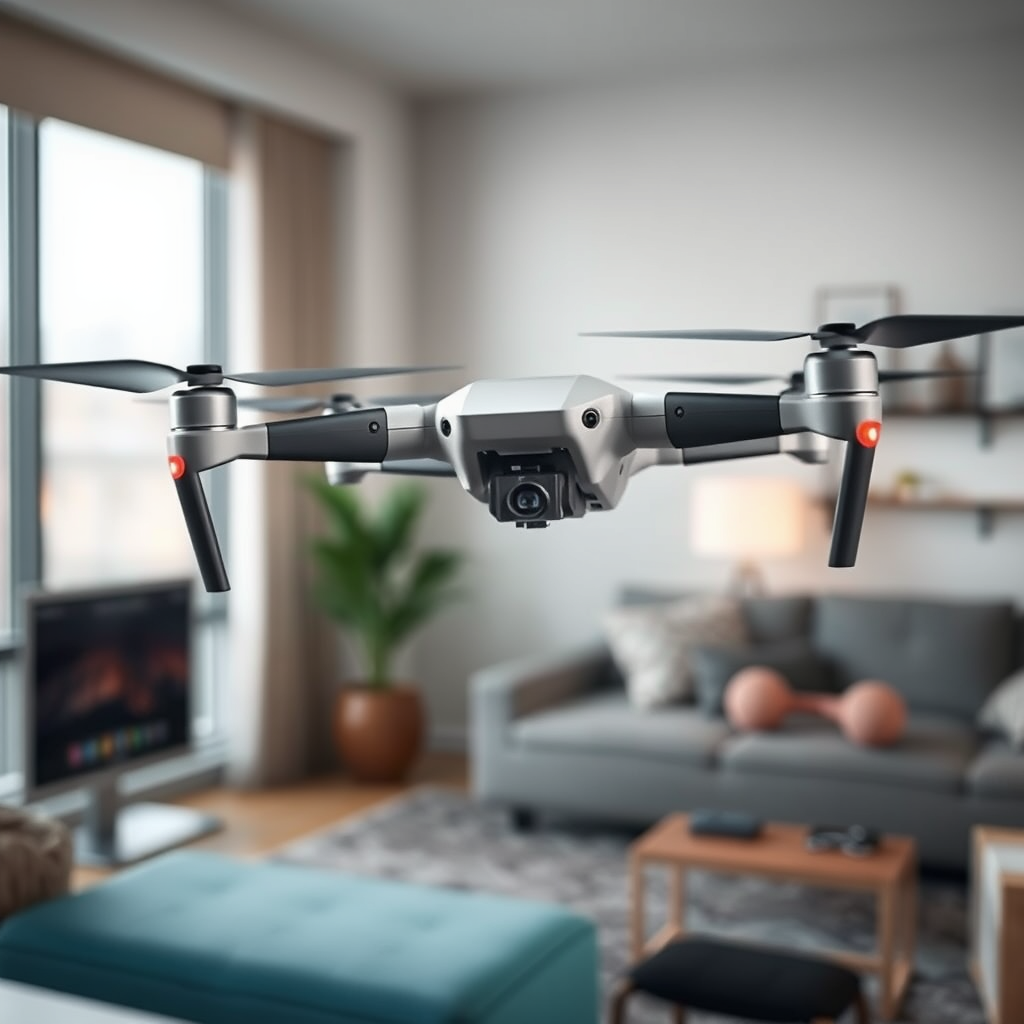
Yes, you can fly a drone across the border, but there are important regulations and restrictions you must follow. Understanding these rules is crucial to avoid legal issues and ensure safe operation. With the growing popularity of drone technology, many enthusiasts and professionals are eager to capture stunning aerial footage in different countries. However, the process involves navigating a web of legal requirements that can vary significantly between nations. This guide will provide you with a comprehensive overview of what you need to consider before flying your drone internationally.
Understanding Drone Regulations
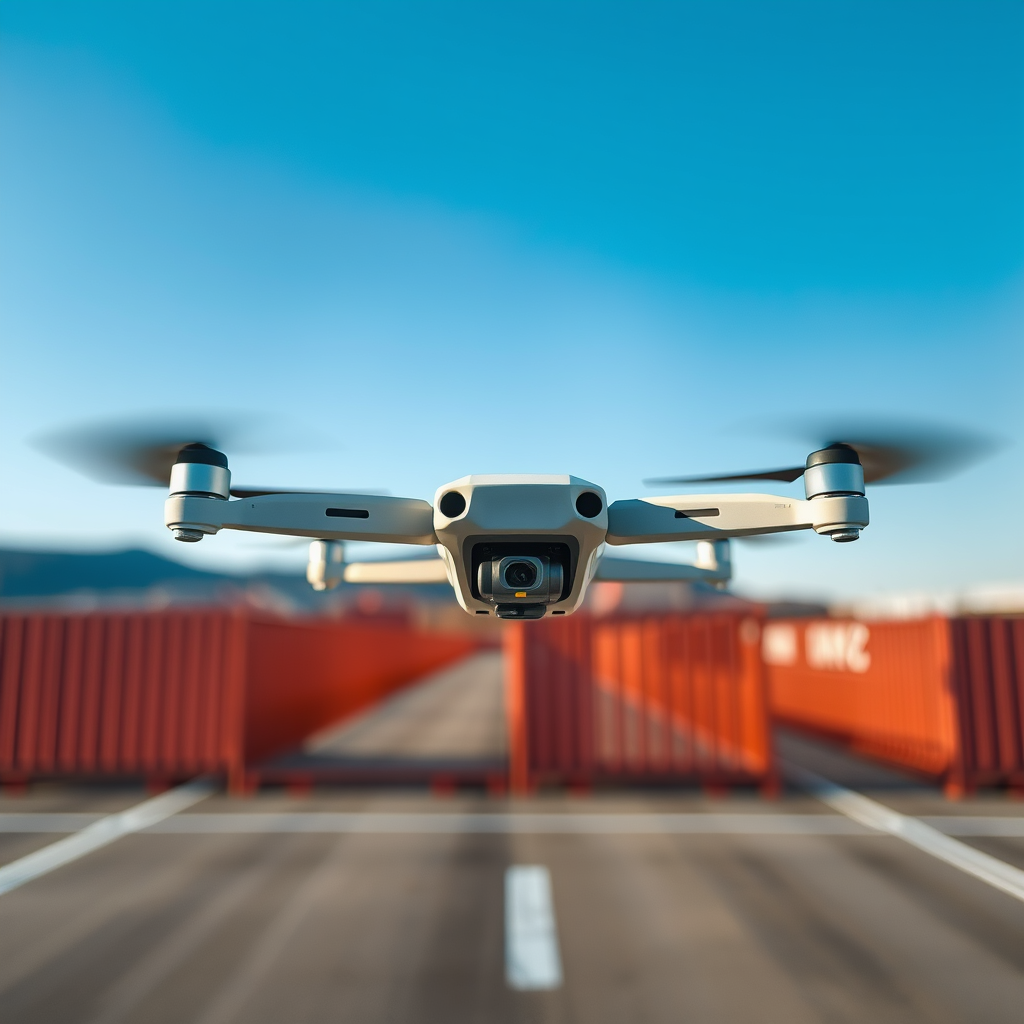
Different countries have varying laws regarding drone flight, which can be influenced by factors such as national security, privacy concerns, and air traffic management. For instance, in the United States, the Federal Aviation Administration (FAA) has established guidelines for drone operation, including weight limits and altitude restrictions. Conversely, countries like Canada have their own set of regulations that may require drone pilots to follow specific flight paths and maintain a certain distance from populated areas.
Before embarking on your journey, it is essential to check both the departure and arrival country’s regulations to ensure compliance. Many countries require drone pilots to register their drones and obtain permits, particularly for commercial use. Failure to adhere to these rules can result in hefty fines or even confiscation of your equipment. Websites of national aviation authorities often provide useful resources, including FAQs and downloadable guides to help you navigate the legal landscape.
Customs and Border Control
When crossing international borders, your drone may be subject to customs inspections. This process can vary based on the countries involved, but being prepared is essential. Upon arrival, you may be required to declare your drone to customs officials. This declaration typically involves providing information about your drone, including its model, purpose of use, and whether it is for personal or commercial purposes.
To avoid complications, it is advisable to carry proof of ownership and any relevant documentation that supports your flight intentions. For example, if your drone is registered, having copies of your registration documents can expedite the customs process. Additionally, some countries may impose restrictions on the type of drones allowed for entry, so it is wise to verify these regulations in advance.
Registration and Licensing
Many countries require drone registration, especially for commercial use. In the U.S., for example, any drone weighing over 0.55 pounds must be registered with the FAA, while the European Union mandates registration for all drones over 250 grams. These regulations often come with stipulations regarding pilot certification as well.
Before flying your drone across borders, ensure you have the necessary licenses and permissions to operate your drone legally in both the departure and arrival countries. Some nations, such as Australia, may require you to complete a training course and obtain a Remote Pilot License (RePL) for commercial operations. It’s prudent to familiarize yourself with the specific requirements of your destination and make arrangements accordingly.
Import and Export Restrictions
Some countries have specific import/export restrictions on drones, which can vary widely. For instance, countries like Japan and India impose strict regulations on the types of drones that can be imported, and certain models may be entirely prohibited. Additionally, some nations may require special permits or fees for bringing a drone into their territory.
Research any additional fees or permits required for bringing a drone into a foreign country. In some cases, you may need to pay customs duties based on the value of your drone. Staying informed about these potential costs can help you budget effectively for your trip and avoid unexpected expenses at customs.
Safety and Insurance Considerations
Before flying your drone internationally, check if your drone insurance covers international flights. Many insurance policies have geographic limitations, and you may need to purchase additional coverage for overseas operations. Having sufficient insurance is not only a prudent measure but also a legal requirement in some jurisdictions.
Additionally, be aware of local airspace restrictions and no-fly zones. Many countries have designated areas where drone flights are prohibited, such as near airports, military installations, or populated urban centers. Utilizing mapping tools and apps that provide real-time information on local airspace regulations can help you plan your flight effectively and avoid flying in restricted areas.
Local Flying Conditions
Researching the weather and geographical conditions at your destination is critical for safe drone operation. Factors such as wind speed, precipitation, and temperature can significantly impact drone performance. For example, high winds can make it difficult to control your drone, while rain can damage sensitive electronic components.
Moreover, understanding local wildlife and environmental factors that may affect drone operation is essential. In some regions, there may be restrictions on flying near certain habitats during specific seasons to protect wildlife. Familiarizing yourself with these conditions will help you make informed decisions and enhance the safety of your flights.
Flying a drone across the border is possible, but it requires thorough preparation and compliance with legal regulations. Always research your destination’s laws and ensure you have the proper documentation to enjoy a hassle-free flying experience. By understanding the complexities of international drone operation, you can capture breathtaking aerial imagery while adhering to the necessary legal frameworks and ensuring your safety and the safety of others.
Frequently Asked Questions
What are the regulations for flying a drone across the border?
When considering flying a drone across international borders, it’s crucial to understand both the laws of your home country and the destination country. Each nation has specific regulations regarding drone usage, including registration, permits, and restricted airspaces. Always check with the relevant aviation authorities and customs for the latest rules—failure to comply can lead to confiscation of your drone or legal penalties.
How can I prepare my drone for international travel?
To prepare your drone for international travel, start by ensuring it’s compliant with the regulations of the countries you are traveling to and from. This includes checking weight limits, battery regulations, and any necessary documentation like registration certificates. Additionally, consider packing your drone securely to prevent damage during transit and familiarize yourself with local laws regarding drone operation to avoid any issues upon arrival.
Why is it important to check customs regulations when flying a drone across borders?
Checking customs regulations is vital when flying a drone across borders because different countries have varied rules about importing electronic devices, including drones. Some countries may require you to declare your drone upon entry, while others may have restrictions on the types of drones allowed. Understanding these regulations can prevent potential fines, delays, or even the confiscation of your drone at customs.
Which countries have the strictest drone regulations for cross-border travel?
Countries like Canada, the United Kingdom, and Australia are known for having strict drone regulations, particularly regarding cross-border travel. In Canada, for instance, you must have a Special Flight Operations Certificate (SFOC) for certain drone activities, while the UK has specific requirements for commercial drone operators. Researching the regulations of each country will help you navigate the complexities of international drone travel effectively.
What should I do if I encounter issues with my drone at an international border?
If you encounter issues with your drone at an international border, remain calm and comply with the requests of customs officials. Be prepared to provide documentation regarding your drone’s registration and any permits you obtained. It’s also advisable to have a backup plan, such as contacting your airline or local embassy for assistance, as they may provide additional resources or guidance on resolving the situation.
References
- https://www.faa.gov/uas/getting_started/registration
- https://www.faa.gov/uas/where_to_fly/foreign
- https://www.govinfo.gov/content/pkg/FR-2020-01-15/pdf/2019-27969.pdf
- https://www.bbc.com/news/world-us-canada-48761077
- https://www.nytimes.com/2021/06/28/us/drone-border-patrol.html
- https://www.dhs.gov/publication/transportation-security-administration-drones-summary-report
- https://www.ncbi.nlm.nih.gov/pmc/articles/PMC6316604/
