
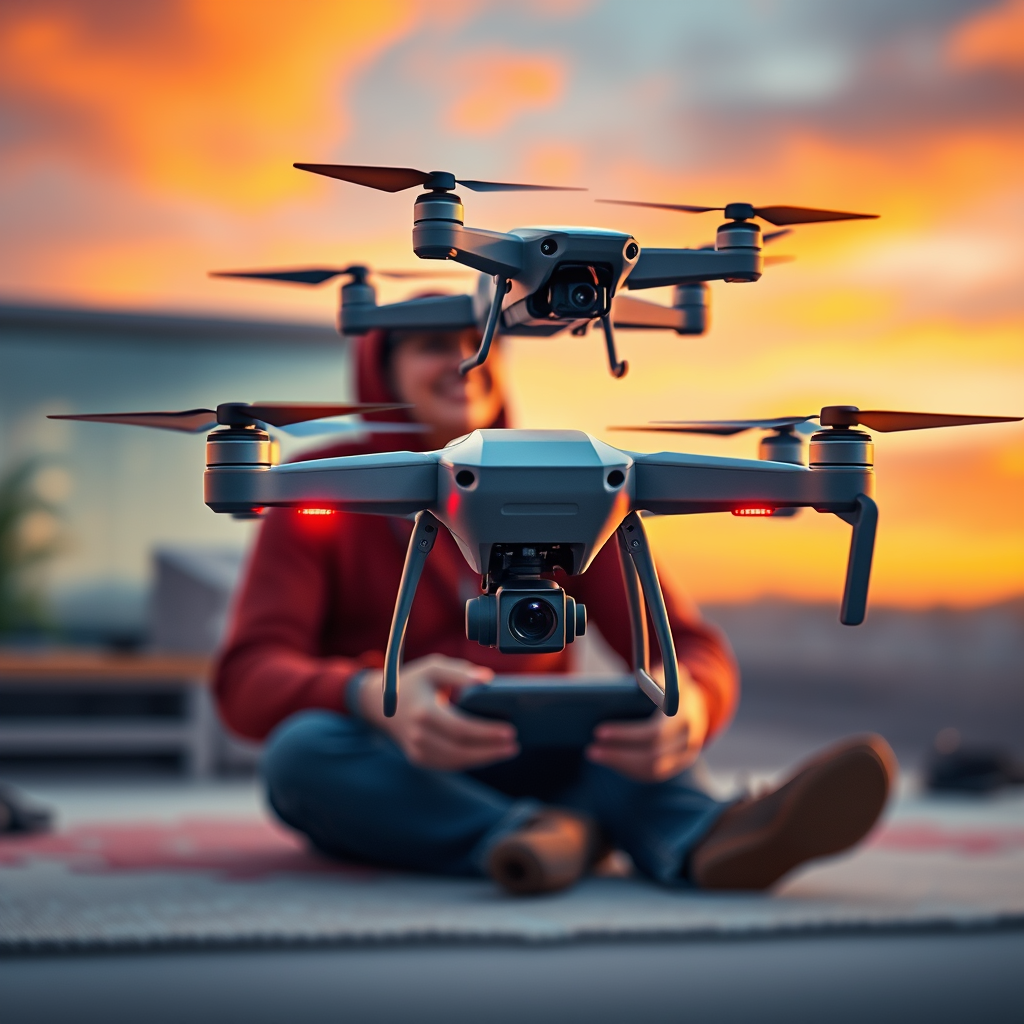
Yes, you can fly a drone in many places, but there are significant regulations and restrictions to consider. Understanding these rules is essential for responsible flying and to avoid legal issues. As the popularity of drones continues to rise, so does the complexity of the regulations that govern their use. Familiarizing yourself with these guidelines not only enhances your flying experience but also ensures that you remain within legal boundaries, safeguarding both yourself and the communities in which you operate.
Understanding Drone Regulations
Different countries have varying laws regarding drone flight, making it imperative for drone operators to be well-informed about the regulations in their specific region. For instance, in the United States, the Federal Aviation Administration (FAA) has established comprehensive guidelines that all drone pilots must follow. These include registration requirements, altitude limits, and restrictions on flying near populated areas. In contrast, countries like Canada and the UK have their own regulatory bodies, such as Transport Canada and the Civil Aviation Authority, each with distinct rules. Therefore, whether you’re flying a drone for recreational purposes or commercial use, it is crucial to check local regulations before taking off. This can often involve consulting government websites, local aviation authorities, or utilizing dedicated apps that provide up-to-date information on drone laws.
Restricted Airspaces
Areas such as airports and military installations are off-limits for drone flight. These restricted airspaces are designated to protect both manned and unmanned aircraft, ensuring safety and security. For example, in the United States, the FAA maintains a detailed map of No-Fly Zones, which includes not only airports but also stadiums, emergency response sites, and other critical infrastructure. Violating these restrictions can result in severe penalties, including fines and potential criminal charges. It’s essential to be aware of these restrictions before you fly. Many drones come equipped with GPS features that prevent them from entering these areas, but it’s still vital for pilots to be knowledgeable about their surroundings and understand where they can legally operate.
Privacy Concerns
Be mindful of flying over people’s property without permission, as this can lead to significant privacy concerns. Drone technology allows for high-resolution aerial photography and videography, which can inadvertently infringe upon the privacy of individuals. Many states have laws that protect individuals from surveillance and unauthorized recordings, and violating these laws can lead to legal repercussions. Respecting privacy is not just ethical but may also be legally required; therefore, it’s advisable to obtain permission from property owners before flying over private land. Engaging with the community and ensuring that your activities do not disturb or invade the privacy of others can foster goodwill and a more positive perception of drone use.
Drone Flight Safety
Always maintain visual line-of-sight with your drone to ensure safe operations. This practice allows pilots to monitor the drone’s flight path, avoiding obstacles and potential hazards. Additionally, being aware of weather conditions that could affect flight safety is imperative. Wind, rain, and other adverse weather can drastically impact a drone’s performance, leading to malfunctions or crashes. For example, gusty winds may make it challenging to control a drone, particularly smaller models. Operators should check weather forecasts and refrain from flying in inclement weather to ensure both their safety and the longevity of their equipment. Moreover, adhering to safety guidelines, such as not flying near crowds and keeping the drone within a specific altitude, further enhances overall flight safety.
Permissions and Licenses
Some regions require permits or licenses for commercial drone use, which can vary significantly depending on the jurisdiction. In the U.S., commercial drone operators must obtain a Remote Pilot Certificate from the FAA, which involves passing a knowledge test covering various topics, including regulations, airspace classification, and weather. Recreational users may have different requirements based on location; for example, while hobbyists in many areas do not require a license, they must still adhere to specific guidelines, such as registering their drones if they exceed a certain weight. It’s important to investigate the specific requirements in your area to ensure compliance and avoid fines or other legal issues.
Drone Technology and Features
Advanced drones may have built-in geofencing to prevent flying in restricted areas. This technology is designed to enhance safety and compliance with regulations by automatically preventing drones from entering No-Fly Zones. For instance, many popular consumer drones, such as those made by DJI, come equipped with geofencing capabilities that alert pilots when they are approaching restricted airspace and may even prevent takeoff altogether. Familiarizing yourself with your drone’s capabilities and limitations is crucial to maximizing its potential while ensuring safe and responsible operation. Understanding features like return-to-home functions, obstacle avoidance systems, and battery life can significantly improve your flying experience and help prevent accidents.
Community and Resources
Joining local drone flying clubs or online forums can provide valuable tips and advice from experienced pilots. These communities often share insights about navigating regulations, safe flying practices, and the best locations for drone operation. Additionally, utilizing apps and websites that provide information on drone regulations and flying conditions can help you stay informed. Resources such as the FAA’s B4UFLY app offer real-time data on airspace restrictions and safety guidelines based on your location, making it easier to plan your flights responsibly. Engaging with fellow enthusiasts can also foster a sense of camaraderie and community, enhancing your overall drone flying experience.
In conclusion, while there are many places where you can fly a drone, navigating the complex web of regulations and restrictions is essential for responsible flying. By understanding local laws, respecting privacy, prioritizing safety, and utilizing available resources, you can enjoy a fulfilling and legally compliant flying experience. Always stay informed and act responsibly to ensure that your drone activities are not only enjoyable but also contribute positively to the perception of drone use in your community.
Frequently Asked Questions
Can you fly a drone anywhere in the United States?
No, you cannot fly a drone anywhere in the United States. The Federal Aviation Administration (FAA) regulates drone use and prohibits flying in certain areas, such as near airports, military bases, and national parks. Additionally, local laws may impose further restrictions, so it’s essential to check both federal and state regulations before flying your drone.
What are the rules for flying a drone in populated areas?
When flying a drone in populated areas, you must adhere to the FAA regulations, which include maintaining a visual line of sight with your drone and flying below 400 feet. You should also avoid flying over crowds or moving vehicles and respect privacy by not capturing images of individuals without their consent. Additionally, check for any local ordinances that may further restrict drone use in urban settings.
How can I find out if a location is safe to fly my drone?
To determine if a location is safe for flying your drone, you can use apps and websites such as the FAA’s B4UFLY app, which provides real-time information on airspace restrictions and other safety considerations. Additionally, you should check local laws and regulations, as some areas may have specific restrictions on drone use. Always look for no-fly zones and consider the proximity to people, wildlife, and property.
Why are there restrictions on where you can fly a drone?
Restrictions on where you can fly a drone are primarily in place to ensure safety, protect privacy, and minimize the risk of accidents. Drones can pose hazards to manned aircraft, particularly near airports, and can invade the privacy of individuals. By enforcing regulations, authorities aim to create a responsible and safe environment for both drone operators and the public.
What is the best way to stay informed about drone flying regulations?
The best way to stay informed about drone flying regulations is to regularly check the FAA website for updates on national rules and guidelines. Additionally, joining local drone clubs or online forums can provide valuable insights and community support. Subscribing to newsletters from drone advocacy organizations and using dedicated apps can also help you stay updated on any changes in regulations or local restrictions.
References
- https://en.wikipedia.org/wiki/Drone_regulations
- https://www.faa.gov/uas
- https://www.nationalgeographic.com/environment/article/what-you-need-to-know-about-drones
- https://www.bbc.com/news/technology-50764861
- https://www.nytimes.com/2021/04/28/technology/drone-regulations.html
- https://www.faa.gov/uas/getting_started/
- https://www.theguardian.com/technology/2020/jun/02/drone-regulations-what-you-need-to-know
- https://sUASnews.com
- https://www.nasa.gov/press-release/nasa-launches-drone-integration-research-to-advance-safe-operations
