

You cannot fly a drone anywhere; there are specific regulations and restrictions based on location and circumstances. Understanding these rules is crucial for safe and legal drone operation. With the increasing popularity of drones for both recreational and commercial use, it is essential to navigate the complex landscape of drone regulations to avoid legal pitfalls and ensure public safety. This blog post will provide an in-depth look at the key considerations you must keep in mind before taking to the skies with your drone.
Understanding Drone Regulations
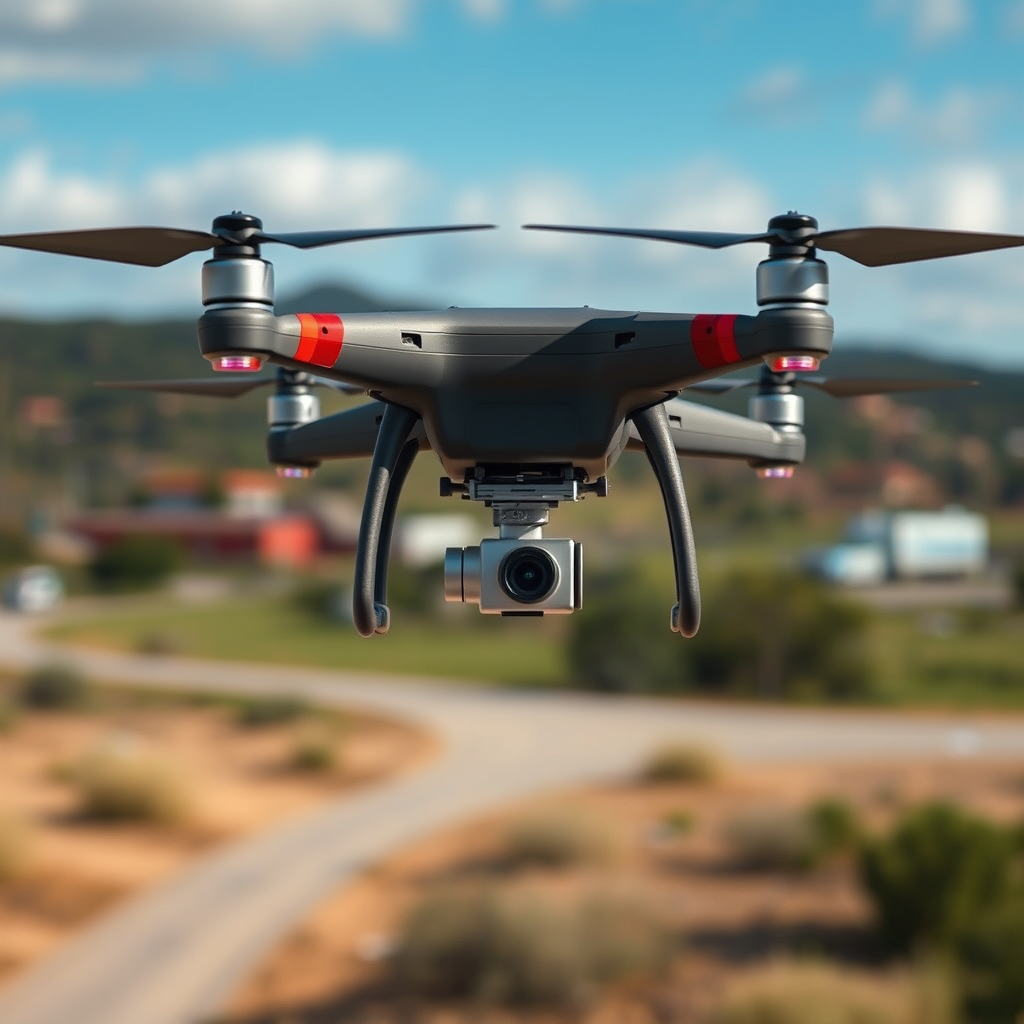
Drones are subject to a myriad of regulations that vary at federal, state, and local levels. In the United States, the Federal Aviation Administration (FAA) oversees drone operations, establishing guidelines that all drone operators must adhere to, including registration requirements for certain types of drones. For instance, drones weighing more than 0.55 pounds must be registered with the FAA, ensuring that operators are accountable for their flights.
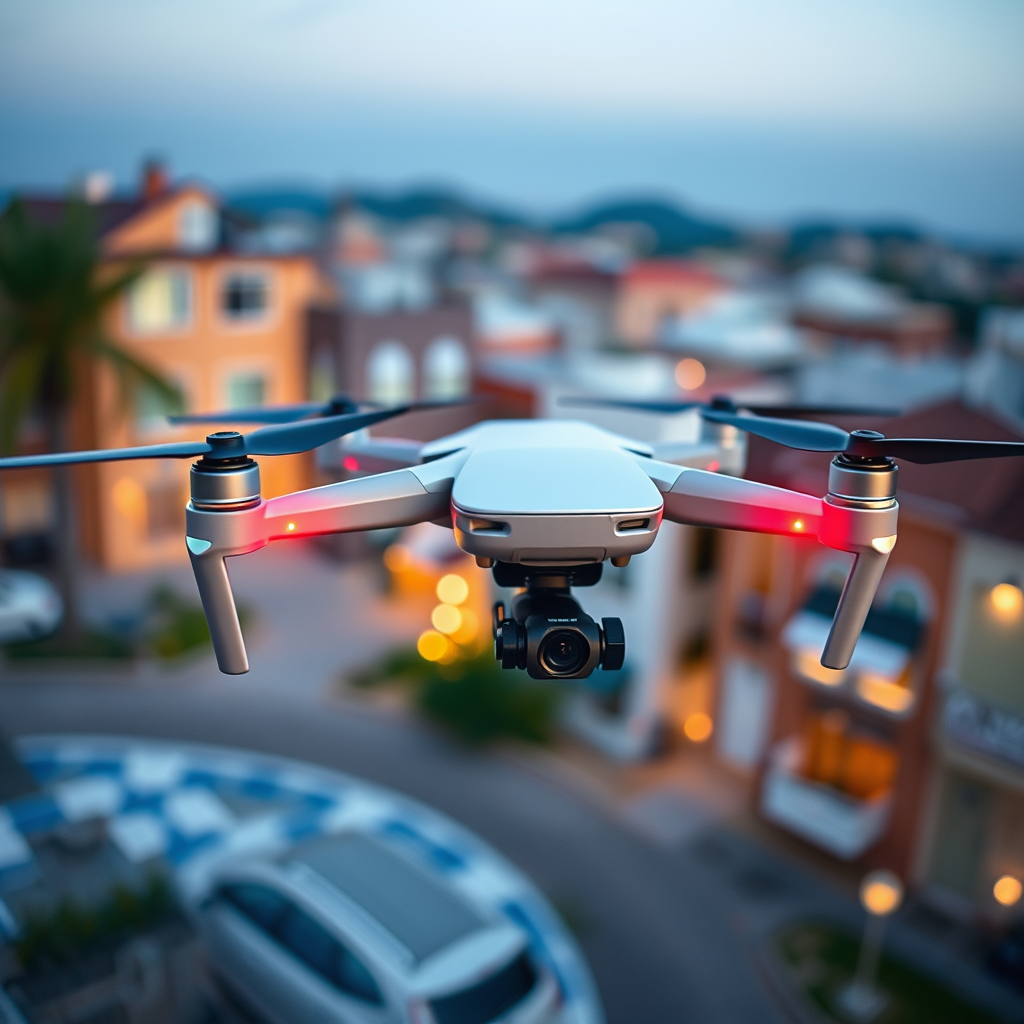
Internationally, regulations can differ significantly. For example, the European Union has its own set of rules governing drone use, which include mandatory training for operators and specific limitations on drone capabilities and flight locations. Countries like Canada and Australia also have unique regulations that must be understood before flying. Thus, it is crucial for drone enthusiasts and professionals alike to familiarize themselves with the regulations relevant to their specific location and intended use.
No-Fly Zones
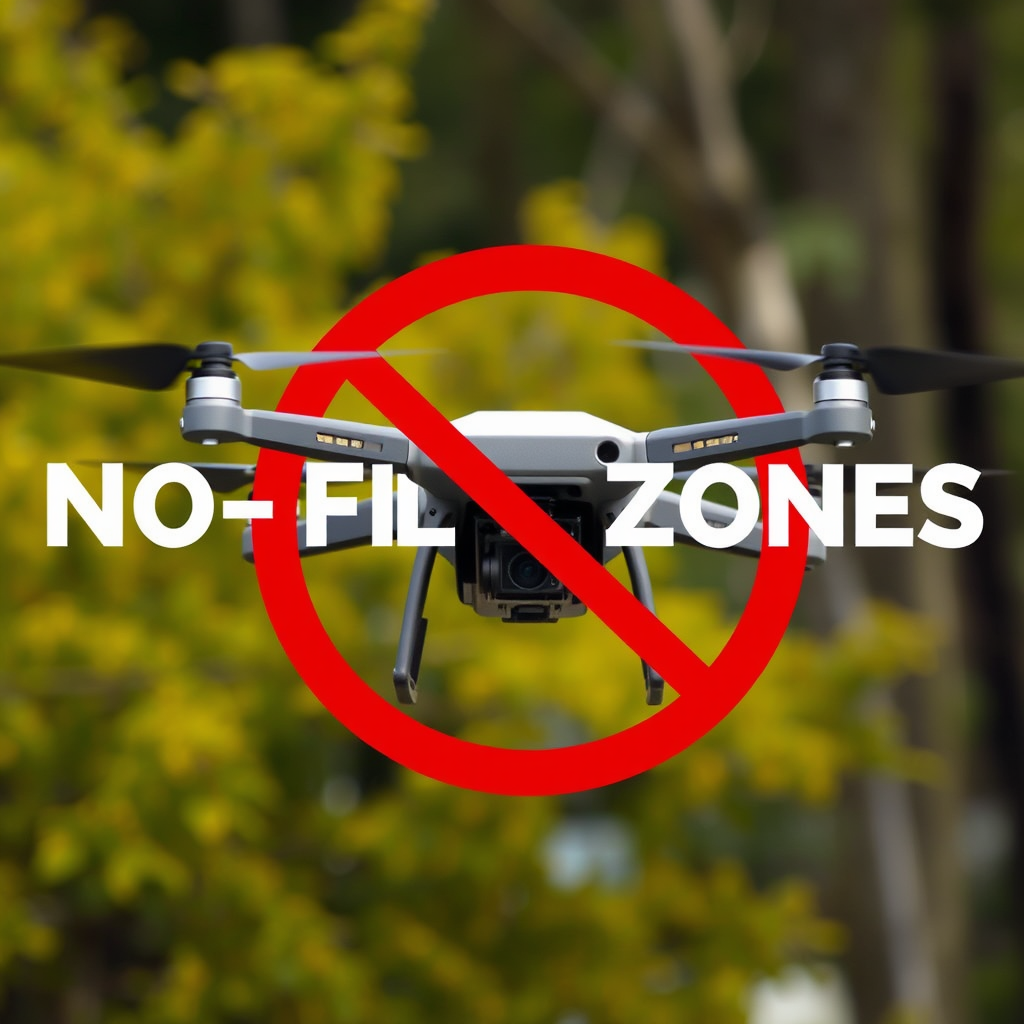
No-fly zones are designated areas where drone flight is prohibited or restricted to ensure safety and security. Commonly restricted locations include airports, military bases, and national parks, where the risk of interference with manned aircraft is heightened. For instance, the FAA mandates a five-mile radius around airports where drone operators must obtain prior authorization before flying.
To navigate these restrictions, using applications such as B4UFLY can be immensely helpful. This app provides real-time information about no-fly zones based on the user’s location and alerts drone pilots to any restrictions that may apply. Additionally, many drone manufacturers include geofencing technology in their products, which prevents drones from entering restricted areas automatically. This feature not only aids compliance with regulations but also helps prevent potential accidents.
Height and Distance Limitations
Most countries impose altitude limits on drone flights, with a common cap of around 400 feet above ground level. This limitation is crucial for minimizing the risk of collisions with manned aircraft, which typically operate at higher altitudes. In the United States, the FAA requires that drone operators maintain a visual line-of-sight with their drones at all times, typically restricting flights to within 3 miles of the operator’s position.
In addition to altitude restrictions, many regulations also require operators to avoid flying in controlled airspace without proper authorization. For example, flying in Class B airspace, which encompasses major airports, necessitates prior approval from air traffic control. Understanding these height and distance limitations is essential for ensuring compliance with aviation regulations and ensuring the safety of both drone operators and the general public.
Privacy Concerns
Privacy concerns are an increasingly significant issue in the drone industry. Flying drones over private property without the owner’s permission can lead to legal complications, including trespassing claims or violations of privacy laws. In many jurisdictions, people have a reasonable expectation of privacy in their homes and on their property, and capturing images or video without consent can infringe on that privacy.
To mitigate potential conflicts and complaints, drone operators should always respect the privacy of others. This includes being mindful of where they fly and avoiding areas where individuals may reasonably expect privacy, such as backyards or residential neighborhoods. Additionally, obtaining explicit permission from property owners before conducting flights can prevent misunderstandings and foster goodwill between drone operators and the community.
Safety and Liability
Operating a drone safely is paramount to preventing accidents and injuries. Drone operators must be vigilant about their surroundings, ensuring that their flights do not interfere with other air traffic or pose a risk to individuals on the ground. Prior to each flight, conducting pre-flight checks to verify that the drone is in proper working condition is essential.
Liability is another critical consideration for drone operators. In the event of an accident resulting in property damage or personal injury, the operator may be held liable. Therefore, carrying liability insurance is advisable, particularly for those using drones for commercial purposes. Insurance can provide financial protection against potential claims and help operators navigate the complexities associated with drone-related incidents.
Local Ordinances and Community Rules
In addition to federal and state regulations, cities and towns may have specific drone laws that can vary widely. For example, some municipalities may ban drone flights in public parks or require permits for commercial operations. Local ordinances can also include restrictions on flying over gatherings of people or during certain times of the day.
To avoid fines or penalties, it is crucial for drone operators to check local regulations before flying. Engaging with local government or community boards can also provide insights into any upcoming legislative changes that may affect drone use. By staying informed about local rules, drone operators can ensure they are flying legally and responsibly.
Best Practices for Responsible Flying
To promote safe and responsible drone operations, operators should adhere to best practices. Conducting pre-flight checks is essential to verify that the drone is functioning correctly, including checking battery levels, ensuring that propellers are secure, and calibrating the compass. Additionally, drone operators should remain aware of their surroundings, keeping an eye on other aircraft, people, and obstacles.
It is also advisable to maintain a safe distance from crowds, sensitive areas, and wildlife. Educating oneself about the local environment, including potential hazards and air traffic patterns, can significantly reduce the risk of accidents. Lastly, participating in community forums or groups can foster a sense of responsibility among drone operators and promote a culture of safety.
In conclusion, while flying a drone can be an exciting experience, it is essential to understand and adhere to the regulations and restrictions that apply to your area. From national no-fly zones and local ordinances to privacy considerations and safety practices, being informed and responsible will enhance your flying experience. Staying updated on the evolving drone regulations will not only ensure compliance but also contribute to the safe integration of drones into our airspace.
Frequently Asked Questions
Can you fly a drone anywhere in the United States?
No, you cannot fly a drone anywhere in the United States due to various regulations set by the Federal Aviation Administration (FAA). Drones are prohibited in certain areas like near airports, military bases, and national parks. Additionally, local laws and regulations may impose further restrictions, so it’s crucial to check both federal and local guidelines before flying your drone.
What are the legal restrictions for flying drones in urban areas?
In urban areas, drone pilots must adhere to specific legal restrictions that often include flying below 400 feet, avoiding congested areas, and maintaining a visual line of sight. Many cities have their own regulations that may prohibit drone flights in public spaces or require special permits. Always check local ordinances and the FAA’s guidelines to ensure compliance before operating your drone in an urban environment.
How do I know if a location is safe for flying my drone?
To determine if a location is safe for flying your drone, utilize tools like the FAA’s B4UFLY app, which provides information on airspace restrictions and safety guidelines. Additionally, check for any temporary flight restrictions (TFRs) in the area and ensure you’re not flying over people, private property, or sensitive environments without permission. Always prioritize safety and legality when selecting a flying location.
Why are there restrictions on where drones can be flown?
Restrictions on where drones can be flown are primarily in place to ensure public safety and privacy. Drones can pose risks to manned aircraft, cause accidents, or invade the privacy of individuals. Regulations help manage airspace and protect sensitive areas, promoting responsible drone use while minimizing hazards to people and property on the ground.
What are the best practices for flying a drone in restricted areas?
The best practices for flying a drone in restricted areas include obtaining necessary permissions or waivers from local authorities or the FAA, ensuring compliance with all regulations, and always prioritizing safety. If you must fly in a restricted area for a specific purpose, such as for work or research, it’s essential to have a clear understanding of the rules and to conduct a thorough risk assessment to mitigate any potential hazards.
References
- https://en.wikipedia.org/wiki/Drone_regulations
- https://www.faa.gov/uas/getting_started/
- https://www.faa.gov/uas/resources/policy_library/
- https://www.gao.gov/products/gao-20-55
- https://www.abc.net.au/news/2021-01-21/drone-regulations-in-australia/13076156
- https://www.nytimes.com/2021/01/09/technology/drone-regulations.html
- https://www.npr.org/2020/12/29/951734399/drone-usage-in-the-u-s-is-rising-but-regulations-are-still-catching-up
- https://www.jstor.org/stable/10.5325/jpsocsciencestudieduc.2.2.0044
- https://www.itu.int/en/ITU-T/academia/Pages/drones.aspx
