
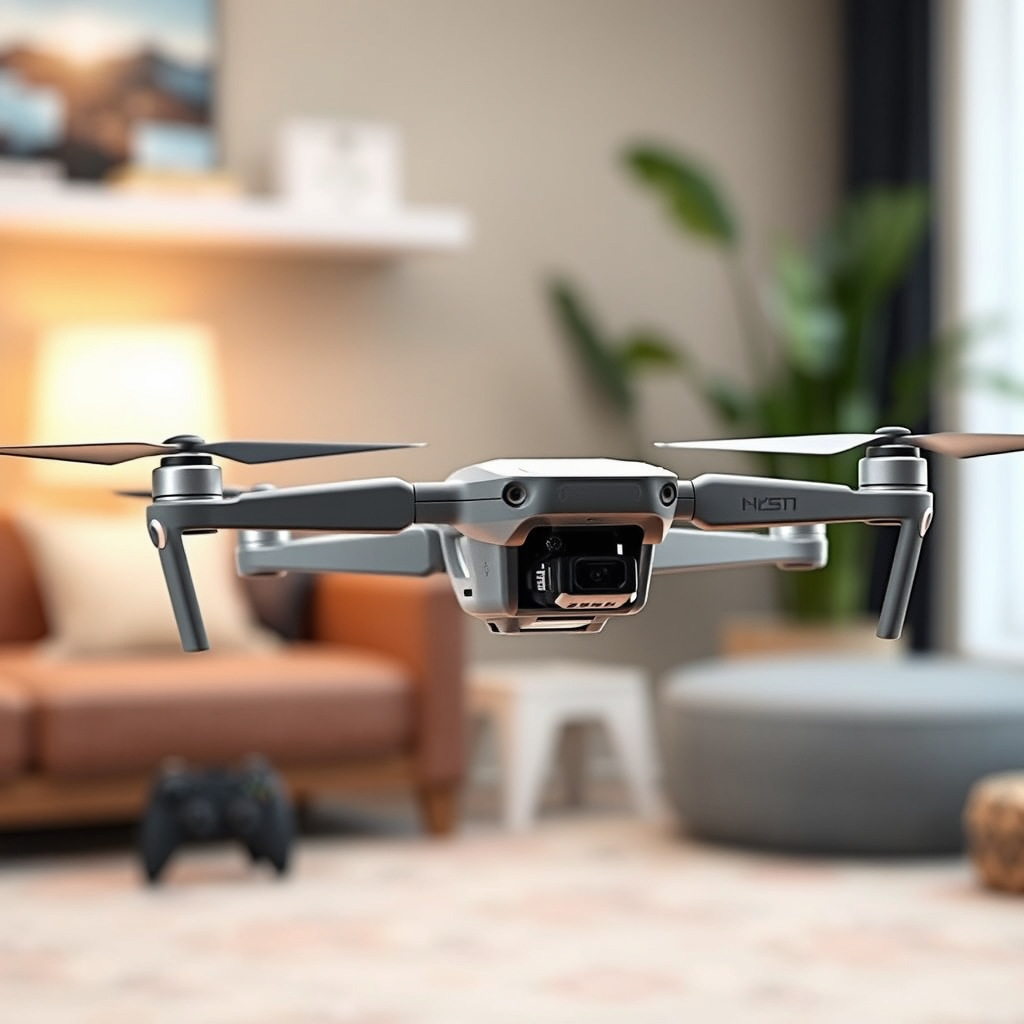
You cannot fly a drone anywhere you want due to various regulations and restrictions. Different countries and regions have specific laws governing drone use to ensure safety and privacy. These regulations are in place to protect air traffic, safeguard sensitive areas, and respect the rights of individuals. Understanding these rules is essential for responsible drone operation and helps pilots avoid legal repercussions.
Understanding Drone Regulations
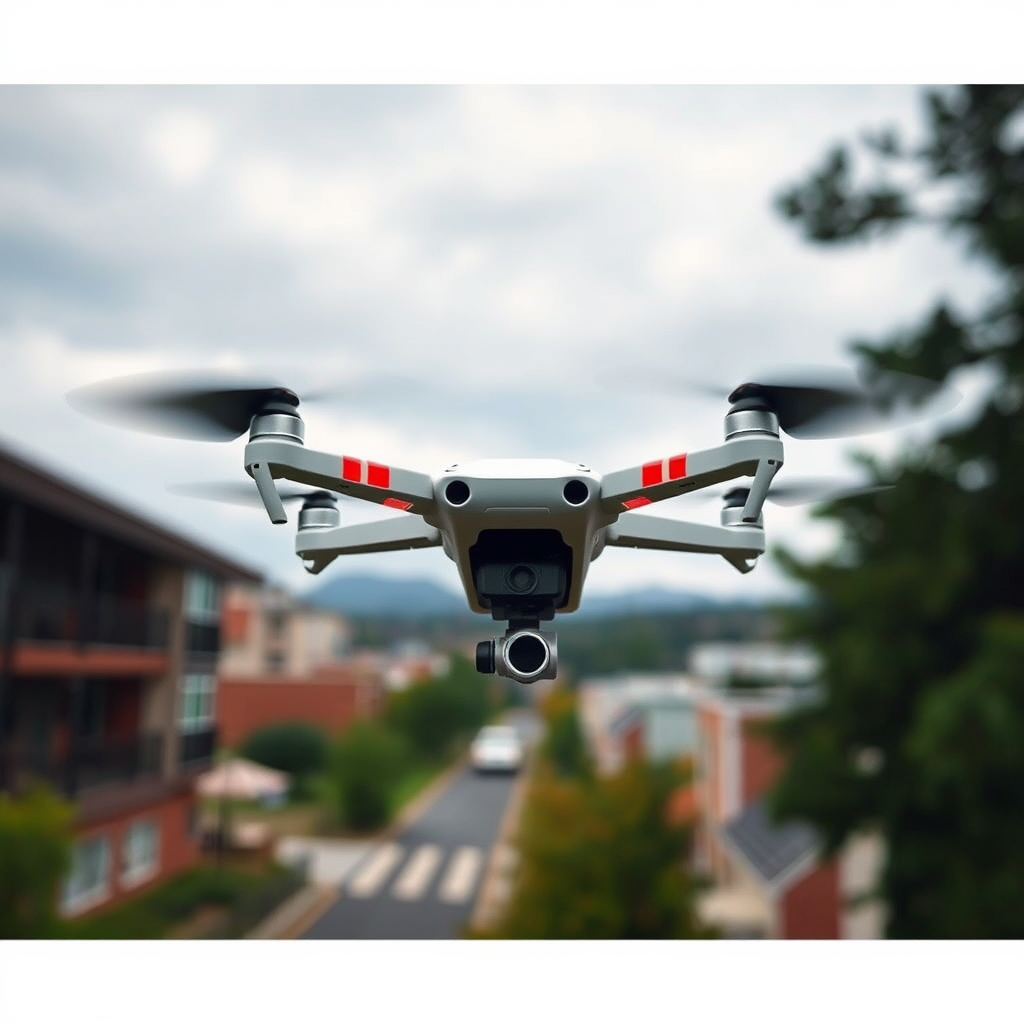
Drone regulations vary significantly from one country to another and even among local jurisdictions. In the United States, the Federal Aviation Administration (FAA) governs drone use, setting forth guidelines that all drone operators must follow, such as registering drones over a certain weight, adhering to altitude restrictions, and maintaining visual line-of-sight. Similarly, the European Union has established the European Union Aviation Safety Agency (EASA) regulations, which include categorizing drones based on their weight and intended use.
It is crucial for drone pilots to familiarize themselves with both national and local regulations before flying. Local laws may impose additional restrictions, such as designated no-fly zones around schools, hospitals, and densely populated urban areas. Neglecting to check these laws can lead to fines or other legal actions, undermining the joy of flying a drone.
Restricted Areas for Drone Flight
Several locations are universally recognized as restricted areas for drone flight due to safety and security concerns. National parks and wildlife reserves, for example, often prohibit drone usage to protect wildlife and preserve the natural environment. In the U.S., the National Park Service has implemented strict rules against flying drones in these areas, with violations leading to hefty fines.
Another critical area of concern is the proximity to airports and military bases. Drones can pose significant hazards to manned aircraft, making it illegal to fly within a certain distance of these locations. The FAA mandates that drone operators maintain a minimum distance of five miles from airports unless they have contacted the airport operator and received permission. Similarly, military airspace is strictly regulated, and flying a drone in these zones can lead to severe consequences.
Obtaining Necessary Permissions
In some cases, drone pilots may wish to fly in restricted zones, necessitating the acquisition of permits. Many countries offer processes for applying for these permits, which often require a clear justification for the flight, details about the drone and its intended use, and a demonstration of compliance with safety protocols. For instance, in the U.S., the FAA provides a streamlined process for obtaining waivers for specific operations that might otherwise be prohibited.
Notifying local authorities is also a critical step when planning to fly in or near restricted areas. This communication not only helps ensure compliance with regulations but also fosters goodwill with law enforcement and other stakeholders. In some regions, local governments may have additional restrictions, and being proactive can help mitigate potential legal issues.
Safe Flying Practices
Practicing safe flying is paramount for drone operators. One of the most fundamental practices is maintaining a visual line-of-sight with the drone at all times during operation. This ensures that the pilot can monitor the drone’s position and surroundings, reducing the risk of collisions or accidents.
Additionally, understanding height restrictions is crucial. Many regulations dictate maximum altitude limits, often set at 400 feet above ground level for recreational flyers in the U.S. and similar limits in other countries. Furthermore, drone pilots should remain aware of no-fly zones, which may include areas near schools, hospitals, or large gatherings of people. Utilizing drone mapping applications can assist pilots in identifying these zones in real-time.
Privacy Concerns and Drone Use
Respecting the privacy of others while flying a drone is not only ethical but also a legal obligation in many jurisdictions. Drone pilots should be mindful of where they are flying and what they are filming. In many regions, capturing images or videos of individuals without their consent can lead to legal repercussions, including invasion of privacy claims.
When operating a drone in public spaces, it is essential to be aware of local laws regarding filming and photography. For instance, some areas might require permits for commercial filming, while others may have specific restrictions on capturing images of private property. Being informed about these regulations can help avoid conflicts and promote responsible drone use.
Resources for Drone Pilots
Numerous resources are available to assist drone pilots in understanding airspace restrictions and regulations. Websites such as the FAA’s B4UFLY app provide real-time information on where you can and cannot fly your drone. Similarly, tools like AirMap and DroneDeploy offer comprehensive maps that highlight no-fly zones, altitude restrictions, and other relevant data.
In addition to these resources, establishing contact with national aviation authorities can be invaluable. Many countries have dedicated offices or hotlines that provide guidance to drone operators, helping them navigate the complex landscape of drone regulations effectively.
Consequences of Ignoring Drone Laws
Disregarding drone laws can lead to severe consequences, ranging from hefty fines to criminal charges. In the United States, penalties for violating FAA regulations can range from $1,000 to $27,500, depending on the severity of the offense. In more extreme cases, repeated violations may result in the suspension of a pilot’s drone license or even criminal prosecution.
Moreover, ignoring these laws can have broader implications for the drone community as a whole. Incidents involving reckless flying or safety breaches can lead to stricter regulations that affect responsible pilots who adhere to the rules. A single negative event may result in public backlash against drones, undermining their acceptance and use in various sectors.
In conclusion, while flying a drone can be an exciting hobby, it’s crucial to understand the regulations and restrictions that apply to your flying area. Always do your research, follow the rules, and enjoy your drone responsibly! By prioritizing safety, privacy, and compliance, you can contribute positively to the drone community and ensure that this innovative technology continues to thrive.
Frequently Asked Questions
Can you fly a drone anywhere you want in the United States?
No, you cannot fly a drone anywhere you want in the United States. The Federal Aviation Administration (FAA) has established regulations that restrict drone flights in certain areas, such as near airports, military bases, and national parks. Additionally, local laws and ordinances may impose further restrictions, so it’s essential to check both federal and local regulations before flying your drone.
What are the main restrictions on flying a drone?
The main restrictions on flying a drone include altitude limits, no-fly zones, and the requirement to maintain visual line-of-sight. Drones must typically fly below 400 feet and avoid areas classified as restricted airspace, such as near airports. Furthermore, flying over people or moving vehicles is generally prohibited unless you have specific waivers or permissions from the FAA.
How can I find out if a location is safe for drone flying?
To determine if a location is safe for drone flying, you can use various online tools and resources, such as the FAA’s B4UFLY app or the AirMap platform. These tools provide real-time information on airspace restrictions, weather conditions, and local regulations. Additionally, checking for any temporary flight restrictions (TFRs) is important, as these can change regularly due to events such as wildfires or sporting events.
Why is it important to follow drone regulations?
Following drone regulations is crucial for safety, privacy, and legal compliance. Violating these rules can lead to fines, legal action, and even the loss of your drone. Moreover, adhering to regulations helps prevent accidents with manned aircraft and protects people’s privacy, ensuring that drone use remains a safe and enjoyable activity for everyone.
Which states have the strictest drone laws?
States like California, New York, and Florida are known for having some of the strictest drone laws due to their large populations and high levels of air traffic. These states often have additional regulations regarding drone use in urban areas, parks, and near landmarks. Always verify state-specific laws and local ordinances before flying your drone to ensure compliance and avoid potential penalties.
References
- https://www.faa.gov/uas/getting_started/where_to_fly
- https://www.faa.gov/uas/
- https://en.wikipedia.org/wiki/Drone_regulation
- https://www.nytimes.com/2021/04/19/us/drone-regulations.html
- https://www.nas.gov/
- https://www.nerc.com/pa/Stand/Pages/Drone-Operations.aspx
- https://www.easa.europa.eu/domains/civil-drones-uas
- https://www.asa.org/education/drone-safety-and-regulation
- https://www.ncbi.nlm.nih.gov/pmc/articles/PMC7116461/
