
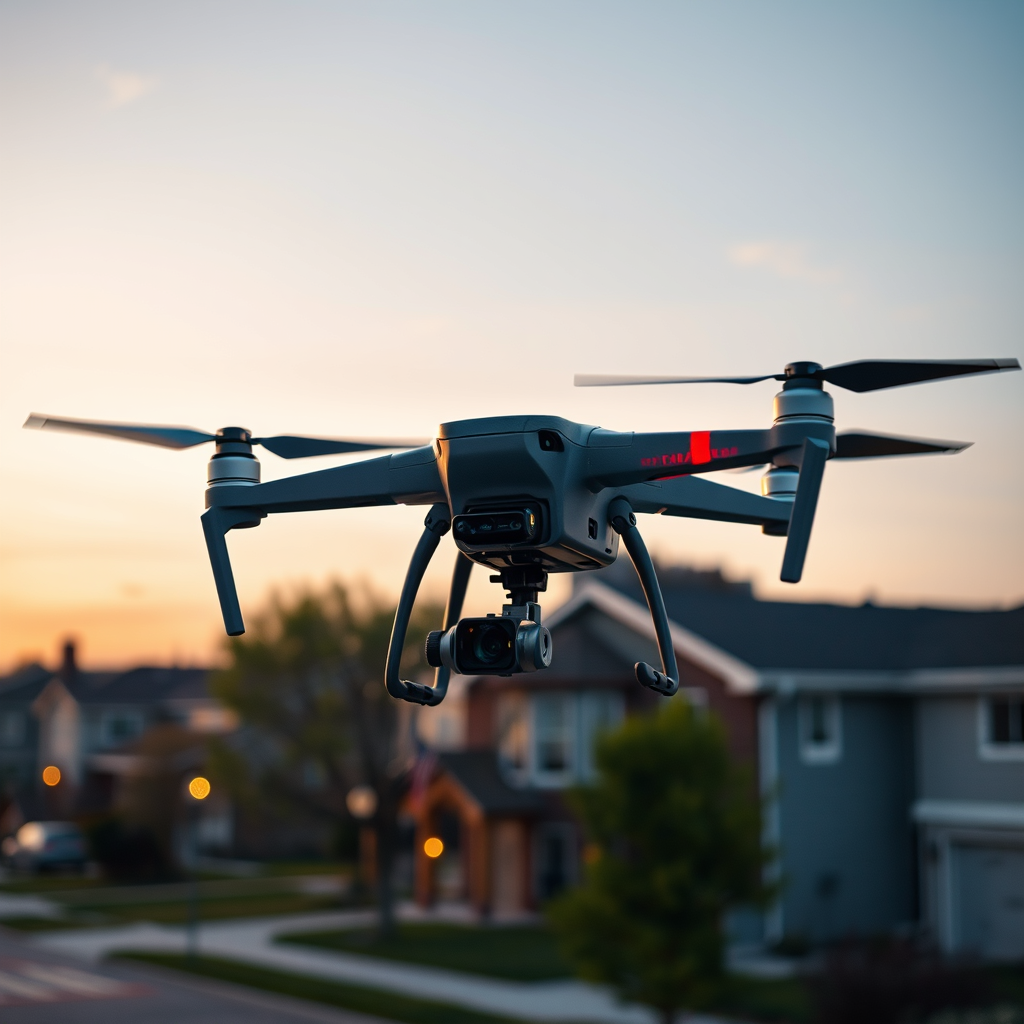
Yes, you can fly a drone around your neighborhood, but there are important regulations and safety considerations to keep in mind. Understanding local laws and practicing responsible flying will ensure a positive experience for you and your neighbors. Drones have become increasingly accessible and popular, offering a unique perspective on the world around us. However, as with any technology, it is essential to approach drone flying with a clear understanding of the responsibilities that come with it.
Understanding Local Drone Regulations
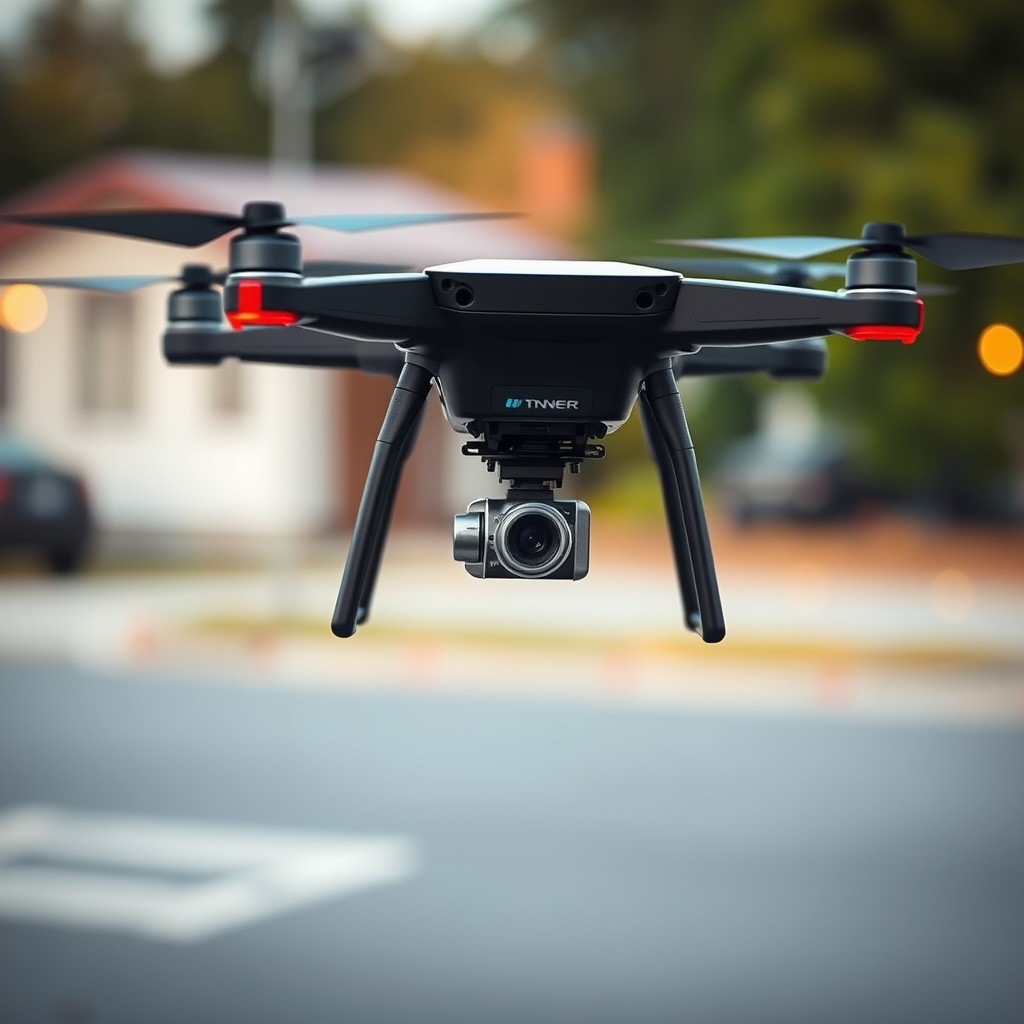
Before you take to the skies, it’s crucial to familiarize yourself with local drone regulations. In the United States, the Federal Aviation Administration (FAA) governs airspace usage, but states and municipalities may impose additional restrictions. Begin by researching your local laws regarding drone usage, including any necessary permits or registration requirements.
For instance, some cities have noise ordinances that could affect when and where you can fly. Residential areas may also have specific restrictions to ensure that drone activity does not interfere with the tranquility of the neighborhood. Furthermore, if you live near an airport, there are stringent regulations in place to prevent drones from operating within certain proximities, typically within five miles of an airport. Always check the FAA’s B4UFLY app or website to identify any airspace restrictions before launching your drone.
Safety Guidelines for Flying Drones
Safety should be your top priority when flying a drone in your neighborhood. One of the fundamental safety guidelines is to always maintain a visual line of sight with your drone while it is airborne. This means that you should be able to see your drone at all times without the aid of binoculars or other visual enhancement tools. Maintaining line of sight allows you to react quickly to any unforeseen situations, such as obstacles or other aircraft.
Additionally, it is essential to avoid flying over crowds or private properties without explicit permission from the property owners. Not only does this respect the privacy and comfort of your neighbors, but it also minimizes the risk of potential accidents. If you have specific locations in mind for flying, consider seeking permission from property owners or utilizing public parks where drone flying is permitted.
Choosing the Right Drone for Neighborhood Flying
Selecting the right drone is crucial for a successful flying experience in your neighborhood. Choose a drone that aligns with your skill level and intended use. Beginners might opt for user-friendly models with stable flight capabilities and straightforward controls, such as the DJI Mini SE, which is lightweight and easy to maneuver.
Moreover, consider drones with noise-reducing features. Quiet operation can be a significant advantage when flying in residential areas, as it minimizes disturbances to your neighbors and enhances your flying experience. Drones equipped with quieter propellers, such as the Parrot Anafi, can help maintain a peaceful environment while still allowing you to enjoy aerial photography or videography.
Best Practices for Responsible Drone Operation
Responsible drone operation extends beyond legal compliance; it also involves respecting your community. One of the best practices for ensuring harmony with your neighbors is to avoid flying over their homes. This not only demonstrates consideration for their privacy but also reduces the risk of complaints or conflicts.
Furthermore, be mindful of the times you choose to fly. Early mornings or late evenings are typically quieter times, but they can also be times when noise is particularly disruptive. Aim to limit your flight times to avoid causing disturbances, especially during weekends or holidays when neighbors may be enjoying their outdoor spaces.
Tips for Engaging with Your Community
Engaging with your community can enhance your experience as a drone pilot and foster a positive atmosphere around drone flying. Inform your neighbors about your intentions to fly drones and share your enthusiasm for the technology. This transparency can build goodwill and understanding, alleviating any concerns they may have about privacy or safety.
Consider organizing community drone events where you can showcase responsible flying practices and educate others about drones. Such events can serve as an opportunity for interested individuals to learn about drone technology and possibly even try flying a drone themselves. By promoting a sense of community and shared interest, you can help create a supportive environment for drone enthusiasts.
Preparing for Unexpected Situations
Even with careful planning, unexpected situations can arise while flying a drone. It is essential to have a contingency plan in place for emergencies, such as a low battery or loss of signal. Always monitor your drone’s battery life and be prepared to land it safely when it reaches a critical level.
Equipping your drone with safety features like return-to-home functionality can significantly reduce the risks associated with losing signal. This feature allows your drone to automatically return to its launch point if it loses connection with the remote controller. Additionally, familiarizing yourself with the drone’s emergency procedures can help you stay calm and react swiftly in challenging situations.
Resources for Drone Operators
To stay informed and enhance your flying experience, utilize available resources for drone operators. Online forums and local drone clubs can provide valuable tips, support, and a sense of community among fellow enthusiasts. Engaging with others who share your interests can lead to opportunities for collaboration and learning.
Moreover, staying updated with the latest drone technology and regulations is crucial. Official websites, such as the FAA’s, offer resources on safety guidelines, airspace information, and upcoming regulations that might affect drone operations. Subscribing to newsletters or following relevant social media channels can also provide timely updates and insights into the evolving drone landscape.
In conclusion, flying a drone around your neighborhood can be an enjoyable activity if you adhere to local regulations and practice safe flying. By understanding the laws governing drone usage, respecting your neighbors’ privacy, and engaging with your community, you can foster a positive environment for drone flying. Take the time to educate yourself, choose the right equipment, and maintain open communication with those around you to enhance your experience and promote responsible drone operation.
Frequently Asked Questions
What are the legal requirements for flying a drone in my neighborhood?
Before flying a drone in your neighborhood, it’s essential to understand the legal requirements set by the Federal Aviation Administration (FAA) in the U.S. You must register your drone if it weighs more than 0.55 pounds, adhere to the rules of the airspace, and fly below 400 feet. Additionally, always maintain visual line-of-sight with your drone and avoid flying over people or private property without permission to ensure compliance with local laws and regulations.
How do I check if my neighborhood is a no-fly zone for drones?
To determine if your neighborhood is a no-fly zone for drones, you can use online tools and apps like the FAA’s B4UFLY app, which provides real-time information on airspace restrictions and no-fly zones. Additionally, local laws may impose specific restrictions, so it’s advisable to consult with your city or county regulations regarding drone usage. Always verify before flying to avoid legal issues.
Why is it important to respect privacy when flying a drone in my neighborhood?
Respecting privacy while flying a drone in your neighborhood is crucial to maintaining good community relations and avoiding legal complications. Drones equipped with cameras can inadvertently invade the privacy of others, leading to potential complaints and legal actions. Always be mindful of where you’re flying and aim to avoid capturing images or video of individuals or private property without consent to foster a responsible flying culture.
What are the best practices for flying a drone safely in residential areas?
To ensure safe drone flying in residential areas, always follow the FAA regulations, fly during daylight hours, and maintain a safe distance from people, buildings, and vehicles. Additionally, pre-flight checks on your drone’s battery and functionality can prevent accidents. Communicating with neighbors about your flying activities can also help alleviate concerns and promote a positive drone-flying experience.
Which drones are best suited for flying in residential neighborhoods?
The best drones for flying in residential neighborhoods are typically lightweight, quiet, and equipped with features like GPS stabilization and obstacle avoidance. Models like the DJI Mini 2 or the Ryze Tello are excellent choices due to their compact size, user-friendly interfaces, and safety features that minimize risks in populated areas. Always select a drone that matches your flying skill level and adheres to local regulations for optimal safety.
References
- https://en.wikipedia.org/wiki/Drone_regulations
- https://www.faa.gov/uas/getting_started/
- https://www.nolo.com/legal-encyclopedia/drone-laws-your-state-29940.html
- https://www.nytimes.com/2021/04/07/technology/drone-regulations.html
- https://www.reuters.com/technology/drone-usage-2021-11-10/
- https://www.faa.gov/uas/education/
- https://www.theguardian.com/us-news/2020/feb/10/us-drone-rules-regulations-2020
- https://www.dronebusiness.markets/2020/10/drone-laws-in-the-us-a-state-by-state-guide/
