
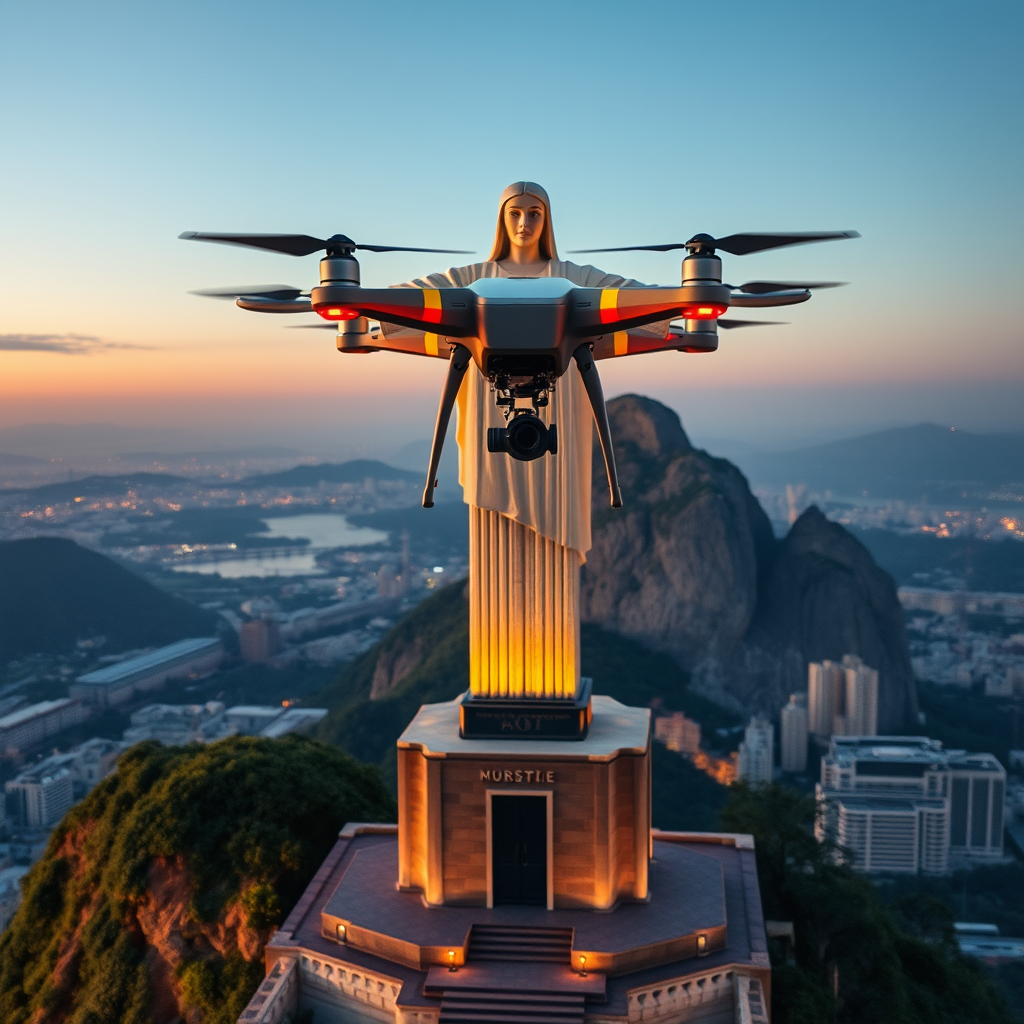
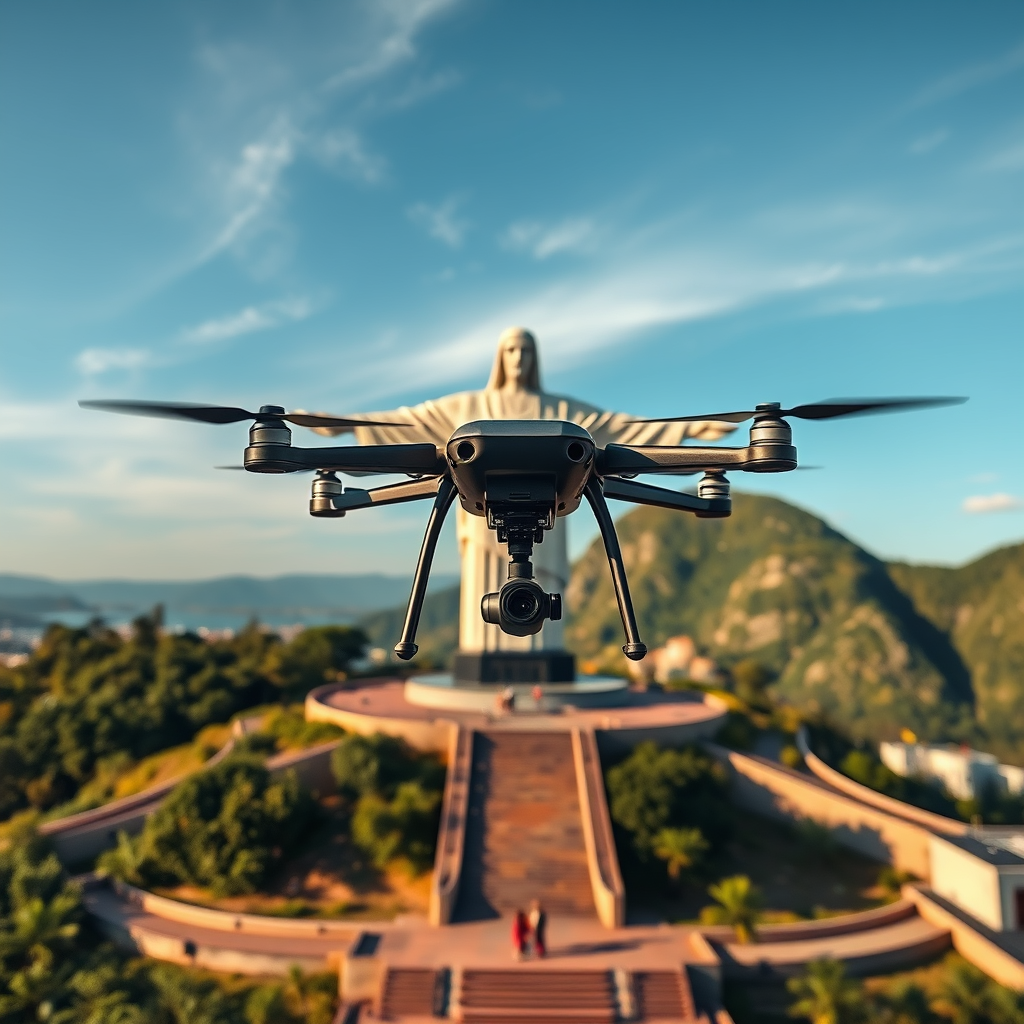
Yes, you can fly a drone near Christ the Redeemer, but there are strict regulations and restrictions in place. Flying a drone in Brazil, particularly around such significant landmarks as Christ the Redeemer, requires a thorough understanding of the legal framework governing drone usage. By familiarizing yourself with these regulations, you can ensure a safe and legal flying experience while capturing the breathtaking views of this iconic monument.
Understanding Drone Regulations in Brazil
Brazil has established a comprehensive set of laws governing drone operations to ensure safety and respect for privacy and public spaces. The Brazilian National Civil Aviation Agency (ANAC) oversees these regulations, which are designed to accommodate the rapidly growing use of drones for recreational and commercial purposes.
Drones in Brazil are categorized based on their weight and intended use. For instance, drones weighing under 250 grams may have less stringent regulations compared to those exceeding this threshold. Recreational users typically face different requirements than commercial operators, who must adhere to more rigorous standards, including obtaining specific permits and following operational guidelines. Understanding these classifications is crucial for drone operators to navigate the complex legal landscape effectively.
No-Fly Zones Around Christ the Redeemer
The area surrounding Christ the Redeemer is classified as restricted airspace due to its cultural significance and the large crowds of tourists it attracts. Consequently, there are clear no-fly zones in place to ensure public safety and preserve the integrity of this historic site.
The Brazilian Air Force and ANAC have established strict guidelines regarding the distance from which drones can operate near the monument. Violating these no-fly zone regulations can lead to severe penalties, including fines and the confiscation of your drone. It is essential to familiarize yourself with the specific aerial restrictions in the area, as well as to remain aware that accessing restricted airspace can lead to legal consequences.
Obtaining Necessary Permissions
To fly a drone legally in Brazil, particularly near Christ the Redeemer, you must obtain the appropriate permits from ANAC. The process often involves registering your drone, providing details about its specifications, and clarifying your intended use—whether recreational or commercial.
For commercial drone operations, additional approval from local authorities may be required, particularly in urban areas where drone activity could impact public safety. It is advisable to start this process well in advance of your planned flying date, as obtaining the necessary permits can take time. Engaging with local drone flying communities may also provide insights into the permitting process and help streamline your experience.
Best Practices for Drone Flying
Even with proper permits, following best practices while flying your drone is essential to ensure safety and compliance with the law. Always check local regulations and airspace restrictions before taking off, as these can change frequently.
If you plan to utilize your drone for commercial purposes, it is prudent to notify local authorities ahead of time and seek any additional permissions that may be required. Furthermore, adhering to basic drone etiquette, such as maintaining a safe distance from people and wildlife, can enhance the overall experience for both you and those around you. Always be vigilant about weather conditions and battery life to avoid unexpected issues during your flight.
Alternative Locations for Drone Flying
If flying a drone directly at Christ the Redeemer proves challenging due to regulations, consider exploring alternative locations in Rio de Janeiro where drone usage is permitted and often less restricted. Parks and open areas away from densely populated tourist zones can be excellent options for capturing stunning aerial footage without the legal complications associated with high-traffic sites.
For example, locations such as Parque Lage or the beaches of Ipanema and Copacabana may provide breathtaking views and ample space for drone operation. Researching these areas ahead of time will not only enhance your flying experience but also help you comply with local laws and regulations.
Enjoying Christ the Redeemer Responsibly
While flying your drone can enhance your experience at Christ the Redeemer, it is vital to approach this activity with a sense of responsibility. Respecting both the environment and fellow tourists is paramount. Ensure that your drone activities do not disturb the cultural and natural heritage of the site, and always be mindful of your surroundings.
Capture stunning views while prioritizing the safety and enjoyment of others. Drones can create noise and may pose risks if not operated correctly, so being considerate of these factors will contribute to a more positive experience for all visitors to this iconic landmark.
In conclusion, while flying a drone at Christ the Redeemer presents a unique opportunity to capture breathtaking views of one of the world’s most recognizable monuments, it is essential to navigate the associated regulations and restrictions carefully. By understanding drone laws in Brazil, obtaining the necessary permissions, and practicing responsible flying, you can ensure a safe and successful experience. Always prioritize compliance and respect for your surroundings to make the most of your visit to this iconic site.
Frequently Asked Questions
Can you fly a drone at Christ the Redeemer in Brazil?
No, flying drones at Christ the Redeemer is strictly prohibited. The site is located within the Tijuca National Park, where drone usage is banned to protect both the wildlife and the iconic landmark. Additionally, the area is heavily monitored by the authorities, and violators can face fines and other penalties.
What are the penalties for flying a drone at Christ the Redeemer?
If caught flying a drone at Christ the Redeemer, you could face fines ranging from R$500 to R$10,000, depending on the severity of the violation. In addition to financial penalties, authorities may confiscate your drone and possibly initiate legal action against you, especially if your flight poses safety risks to the public or the surrounding environment.
Why is drone usage prohibited at Christ the Redeemer?
Drone usage is prohibited at Christ the Redeemer primarily for safety and preservation reasons. The area is frequented by a large number of tourists, and unauthorized drone flights could result in accidents or injuries. Furthermore, the site is a national heritage monument, and protecting its structural integrity and the surrounding ecosystem is a top priority for conservation efforts.
What is the best way to capture aerial views of Christ the Redeemer without a drone?
The best way to capture aerial views of Christ the Redeemer without using a drone is to take a guided tour that includes trips to designated viewpoints, such as the Sugarloaf Mountain or the Mirante Dona Marta. These locations provide stunning panoramic views of the statue and the surrounding cityscape, allowing you to take breathtaking photographs while adhering to local regulations.
Which areas near Christ the Redeemer allow drone flying?
While flying drones is prohibited in the immediate vicinity of Christ the Redeemer, there are some areas in Rio de Janeiro where drone flying is allowed, such as certain beaches and parks that fall outside restricted zones. It is important to check local regulations and obtain any necessary permits before flying, as Brazil has specific laws governing drone usage that must be followed to ensure safety and compliance.
References
- https://www.reuters.com/article/us-brazil-drone-idUSKBN2A90Z1
- https://www.bbc.com/news/world-latin-america-51229492
- https://www.wired.com/story/drone-rules-regulations-brazil/
- https://www.gov.br/anac/pt-br/assuntos/drones
- https://www.nytimes.com/2021/01/14/world/americas/brazil-drone-christ-the-redeemer.html
