
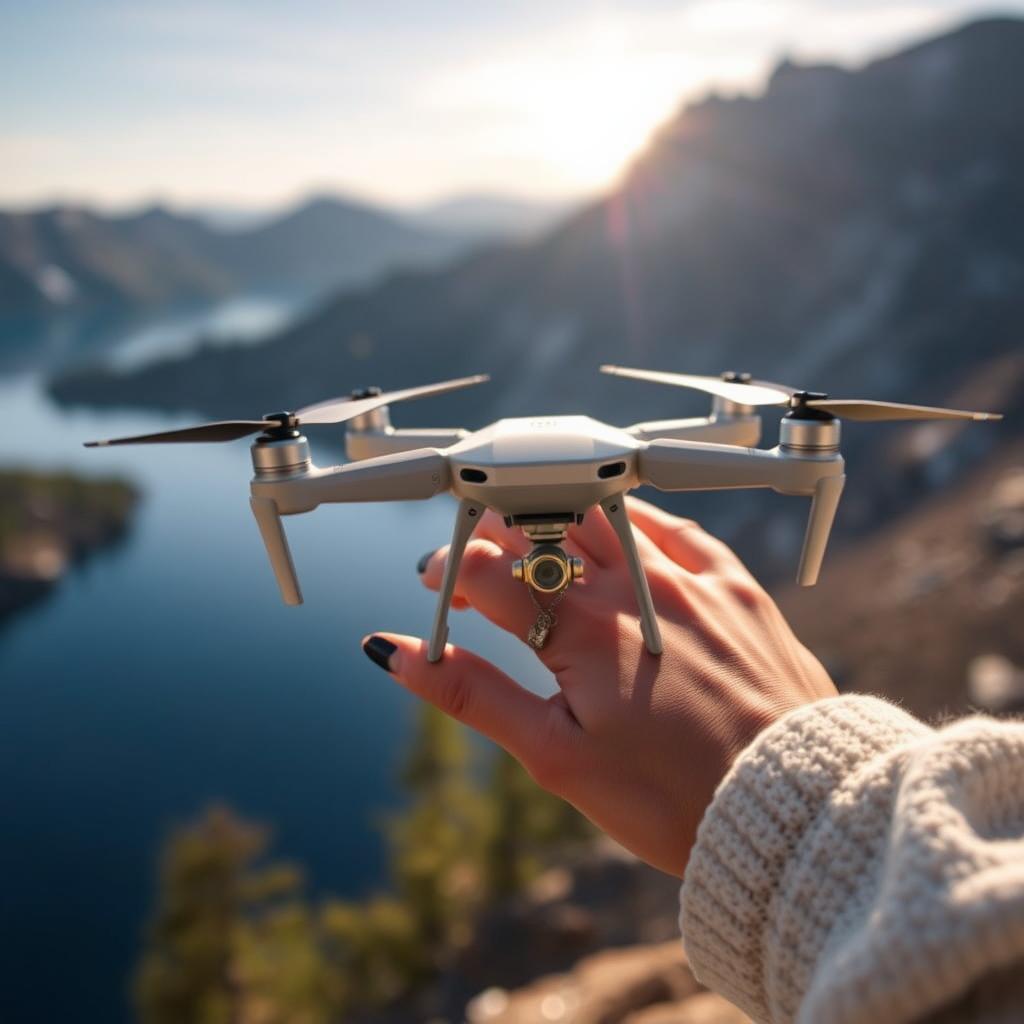
Yes, you can fly a drone at Crater Lake, but there are specific regulations and guidelines you must follow. Crater Lake National Park, known for its stunning vistas and rich biodiversity, has strict rules designed to protect both its natural beauty and the wildlife that inhabits it. If you’re planning to capture aerial footage or explore the park from above, understanding these regulations is crucial for a safe and compliant drone experience. This article delves into the necessary information regarding drone use at Crater Lake, including applicable regulations, the application process for special permits, alternative flying locations, and responsible drone operation practices.
Understanding National Park Regulations
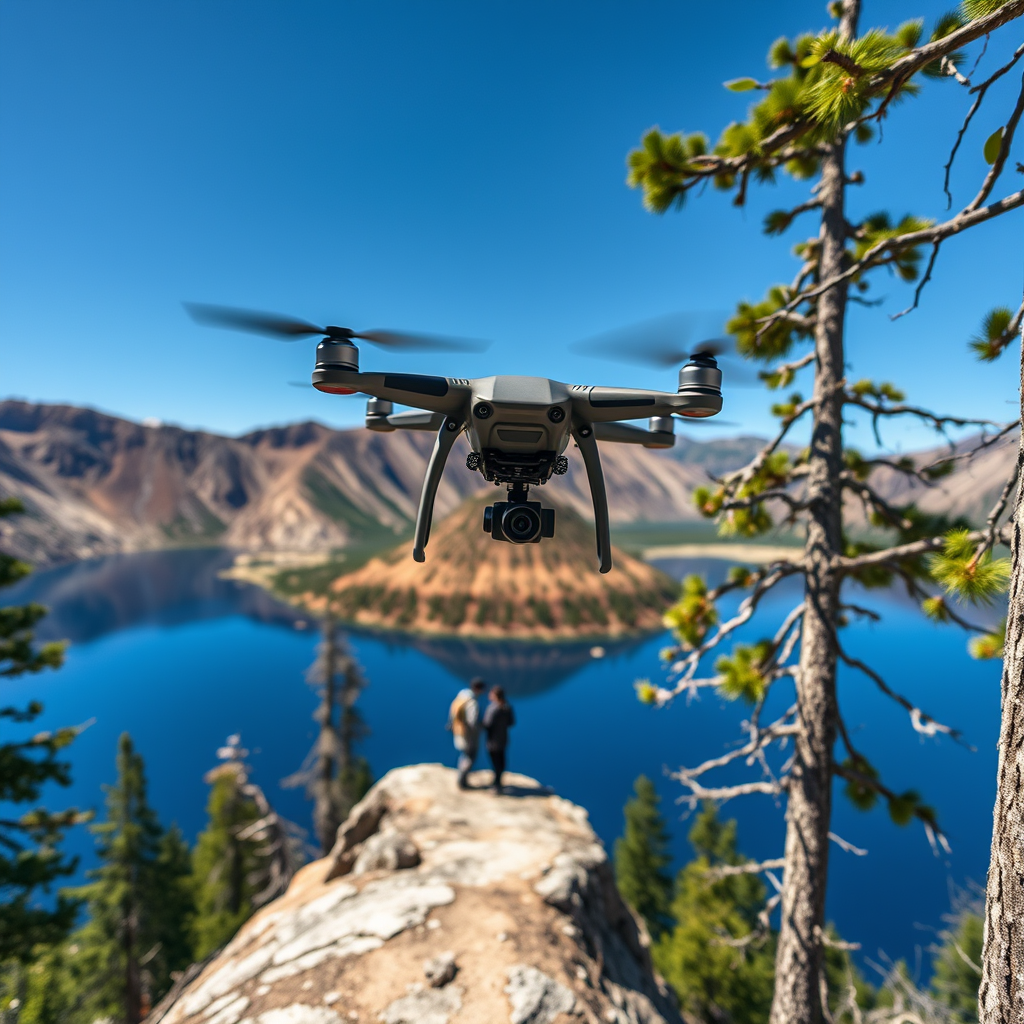
In general, flying drones in national parks is prohibited, and Crater Lake is no exception. The National Park Service (NPS) has established guidelines that restrict drone usage across all national park areas to preserve the environment and enhance visitor experience. According to NPS regulations, the use of unmanned aircraft systems (UAS) for recreational purposes is not allowed, primarily due to concerns over wildlife disturbance and the potential for accidents in crowded areas.
However, there are exceptions to this rule, as some individuals may apply for a special use permit to operate a drone within the park boundaries. These permits are not easily obtained and typically require a detailed application process, which evaluates the purpose of the drone use, the potential impact on the park, and the safety measures that will be implemented.
Reasons for Drone Restrictions
The preservation of wildlife and natural environments is a top priority for national parks, including Crater Lake. Drones can pose a significant risk to the delicate ecosystems within the park. For example, the noise generated by drone flights can disturb nesting birds and other wildlife, which rely on the tranquility of their habitats to thrive. Additionally, the visual presence of drones can detract from the natural aesthetics that visitors seek when exploring these pristine landscapes.
Moreover, drones can disrupt the experiences of other park visitors who come to enjoy the serene atmosphere of Crater Lake. The sounds of drones can be intrusive, and the presence of flying machines may detract from the natural beauty that the park offers. By restricting drone usage, the NPS aims to maintain a peaceful environment for all visitors and protect the wildlife that calls Crater Lake home.
Applying for a Special Use Permit
If you have a compelling reason to fly your drone at Crater Lake, the first step is to research the special use permit application process. This process is designed for individuals or organizations that have legitimate reasons for drone operation, such as scientific research, educational purposes, or media production.
To apply for a special use permit, you will need to provide detailed information regarding your planned activities. This includes the specific dates and locations where you intend to fly, the type of drone you will use, and the objectives of your flight. Additionally, you may be required to outline the safety measures you will implement to mitigate any potential risks to wildlife and other visitors.
It is essential to submit your application well in advance, as the review process can take time, and permits are granted at the discretion of park officials. Be prepared for a thorough evaluation and ensure that your application clearly articulates how your drone use aligns with the park’s conservation goals.
Alternative Locations for Drone Flying
While Crater Lake National Park may have strict regulations regarding drone usage, there are alternative options available for those eager to capture aerial footage. Nearby areas outside the national park boundaries often have fewer restrictions, allowing for a more relaxed flying experience.
Local parks, open spaces, and recreational areas can provide stunning landscapes and beautiful scenery suitable for drone photography and videography. For instance, the surrounding forests and hills adjacent to Crater Lake offer excellent vantage points. However, it’s crucial to verify local regulations, as drone laws can vary significantly by location.
Moreover, consider reaching out to drone-friendly communities or websites that provide insights into the best places for drone flying in the vicinity. This proactive approach can lead to discovering hidden gems that may not only satisfy your aerial ambitions but also offer unique perspectives of the beautiful landscapes of Southern Oregon.
Tips for Responsible Drone Use
If you decide to operate your drone, whether in permitted areas or alternative locations, adhering to responsible drone use is paramount. Always check for updated regulations before your visit, as laws can change, and local ordinances may impose additional restrictions.
Respecting other visitors is equally important. When flying your drone, be mindful of the proximity to people, ensuring that you do not invade their space or disrupt their experience. Additionally, always maintain a safe distance from wildlife to avoid causing stress or harm.
Keeping your drone within visual line-of-sight and adhering to any altitude restrictions is also essential for safety and compliance. Familiarizing yourself with the rules of the airspace in the area where you are flying will help you operate your drone responsibly and ethically.
Consequences of Violating Drone Policies
Understanding the potential consequences of violating drone policies at Crater Lake is crucial for anyone considering flying in the area. Operating a drone without proper permission may result in significant fines, removal from the park, or even legal repercussions. The NPS takes violations seriously, as they can undermine the conservation efforts in place to protect national treasures like Crater Lake.
Moreover, violating drone regulations can lead to broader implications for drone enthusiasts as a whole, resulting in stricter regulations that affect everyone. Therefore, it is imperative to familiarize yourself with the rules and respect the regulations in place to ensure both the preservation of the park and the continued enjoyment of drone flying for future visitors.
In conclusion, while flying a drone at Crater Lake is heavily regulated and often prohibited, there are avenues to explore if you’re determined to do so. The process of obtaining a special use permit is challenging but not impossible, and understanding the reasons behind these regulations is essential to fostering a respectful relationship with the park. Always prioritize compliance with park rules, consider alternative locations for your drone flying adventures, and stay informed about updates in regulations. By doing so, you can ensure a responsible and enjoyable drone flying experience while preserving the natural beauty of Crater Lake for all to enjoy.
Frequently Asked Questions
Can you legally fly a drone at Crater Lake National Park?
No, flying a drone at Crater Lake National Park is not permitted. The National Park Service has established regulations that prohibit the use of unmanned aircraft within park boundaries to protect wildlife, preserve the natural landscape, and ensure visitor safety. If you’re planning a visit, it’s essential to respect these regulations to avoid potential fines and to help maintain the park’s stunning environment.
Why are drones restricted in national parks like Crater Lake?
Drones are restricted in national parks like Crater Lake primarily to safeguard the natural ecosystem and wildlife. The noise produced by drones can disturb animal behaviors and threaten their habitats. Additionally, the presence of drones can detract from the serene experience many visitors seek in such pristine environments, leading to stricter regulations to maintain the park’s tranquility and beauty.
What are the consequences of flying a drone illegally at Crater Lake?
Flying a drone illegally at Crater Lake can result in hefty fines, which can range from hundreds to thousands of dollars, depending on the severity of the violation. In addition to monetary penalties, violators may face confiscation of their drone and potential criminal charges, especially if the drone causes harm to wildlife or damages park property. It’s crucial to adhere to park rules to avoid these serious repercussions.
How can I capture aerial views of Crater Lake without a drone?
To capture stunning aerial views of Crater Lake without using a drone, consider hiring a certified aerial photography service that specializes in using manned aircraft. Alternatively, you can explore vantage points around the park that offer elevated perspectives or use high-quality zoom lenses to capture detailed images from the ground. Additionally, consider taking a guided boat tour on the lake, which can provide unique angles and photo opportunities.
Which other locations near Crater Lake allow drone flying?
While Crater Lake National Park prohibits drone use, nearby areas such as the Fremont-Winema National Forest or the BLM (Bureau of Land Management) lands may allow drone flying, provided you follow local regulations. Always check specific rules for each location, as restrictions can vary significantly. Additionally, ensure you comply with FAA regulations, including maintaining visual line of sight and flying below 400 feet for safety.
