
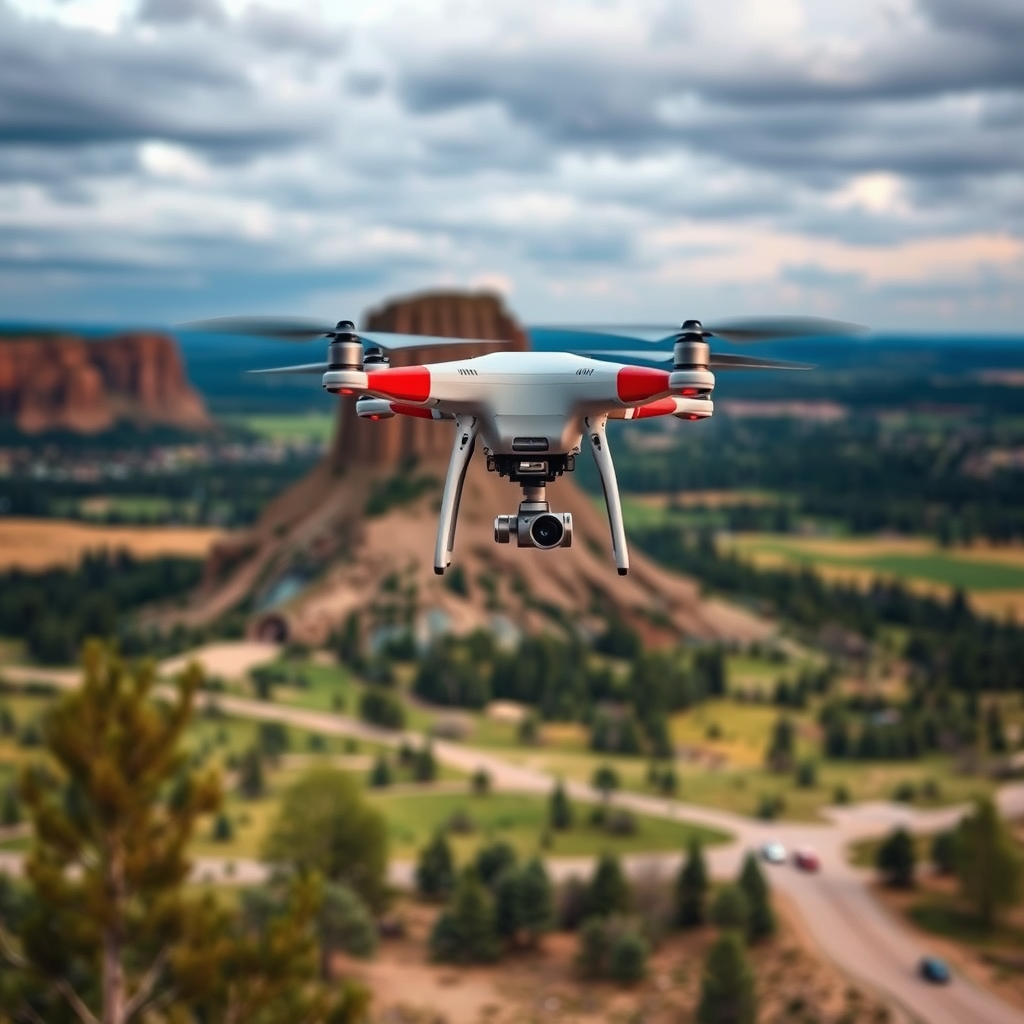
Yes, you can fly a drone at Devils Tower, but there are specific regulations and guidelines you must follow. This iconic landmark, recognized as the first national monument in the United States, is not only a stunning geological feature but also holds significant cultural importance to Native American tribes. Understanding the rules governing drone usage will enhance your experience while ensuring that you respect the natural beauty and heritage of the area.
Understanding the Regulations
Flying a drone in the vicinity of Devils Tower is governed by various regulations set forth by the Federal Aviation Administration (FAA) as well as local restrictions. The FAA regulates drone operations to ensure airspace safety, which includes altitude limits—typically, drones must not be flown above 400 feet unless operating within a registered controlled airspace where special permissions may be required. Additionally, it is crucial to stay updated on any temporary flight restrictions (TFRs) that might arise, especially during events such as wildfires or search and rescue operations. Before heading out, check the FAA’s B4UFLY app or website to ensure compliance with these regulations, as violations can result in hefty fines.
National Park Service Guidelines
As a national monument, Devils Tower is subject to the National Park Service (NPS) guidelines, which are crafted to protect both the environment and the cultural significance of the site. Drone usage may be explicitly prohibited in certain areas, particularly those designated for wildlife conservation or culturally sensitive sites. The NPS has a strict policy regarding the disturbance of wildlife, especially during nesting seasons, and flying a drone can be disruptive to local fauna. Therefore, it is essential to review the NPS’s official website or contact park authorities directly to understand where drones are permitted and any specific restrictions that might apply to your planned activities.
Best Practices for Flying Drones
To ensure a safe and enjoyable drone-flying experience, adhere to best practices that prioritize both safety and compliance with regulations. Always maintain visual line of sight with your drone, which is not only a legal requirement but also a safety measure to avoid collisions with other aircraft or obstructions. Avoid flying over crowds or private property, as this can lead to privacy concerns and potential legal issues. To further enhance safety, consider flying during times when fewer visitors are present at the monument. This practice not only minimizes the risk of accidents but also allows for a more peaceful experience, both for you and other visitors.
Ideal Locations for Drone Photography
Devils Tower offers a variety of picturesque locations that can serve as ideal spots for capturing stunning aerial photography. While specific designated areas for drone use should be verified with the NPS, generally, locations that provide unobstructed views of the tower itself and the surrounding landscape will yield the best results. Early morning or late afternoon is often the best time for photography, as the lighting conditions during these hours can provide dramatic contrasts and vibrant colors. Additionally, consider the changing seasons; fall foliage or snow-covered landscapes can add unique elements to your aerial shots.
Environmental Considerations
When planning your drone flight, it is vital to be mindful of the local wildlife and environmental conditions. Certain times of the year, particularly spring and early summer, are critical nesting periods for many bird species in the region. Disturbing these animals can have lasting impacts on their populations. Familiarize yourself with the specific wildlife in the area and plan your flight to avoid these sensitive times. Moreover, practice Leave No Trace principles by ensuring that your presence does not negatively impact the environment. This includes not disturbing natural habitats and minimizing noise pollution, which can disrupt wildlife and other visitors’ experiences.
Tips for a Successful Flight
To maximize the chances of a successful drone flight, conducting a thorough pre-flight checklist is essential. This checklist should include checking battery levels, ensuring firmware is up to date, and verifying that all components are functioning correctly. Familiarize yourself with your drone’s controls and features before taking off, as this knowledge can be crucial in unexpected situations. Consider practicing in less sensitive areas before your visit to Devils Tower to build your confidence and skill. Additionally, be aware of weather conditions on the day of your flight; strong winds or inclement weather can significantly affect drone performance.
In summary, while it is indeed possible to fly a drone at Devils Tower, adhering to regulations and guidelines is crucial to ensure that you respect the natural and cultural significance of this remarkable site. By understanding the regulations, following National Park Service guidelines, practicing safety, and considering environmental impacts, you can enjoy a rewarding experience capturing the stunning views that Devils Tower offers. Plan your visit thoughtfully, be respectful of the rules, and you will create unforgettable memories while flying your drone in this breathtaking setting.
Frequently Asked Questions
Can you fly a drone at Devils Tower National Monument?
No, flying drones at Devils Tower National Monument is prohibited. The National Park Service (NPS) has strict regulations against drone usage in most national parks, including Devils Tower, to protect wildlife, preserve the natural environment, and ensure visitor safety. Visitors should respect these regulations to avoid fines and contribute to the conservation of this iconic site.
What are the consequences of flying a drone at Devils Tower?
If you fly a drone at Devils Tower, you may face legal repercussions, including fines and confiscation of your drone. Violating NPS regulations can lead to penalties ranging from warnings to citations, depending on the severity of the infraction. Furthermore, unauthorized drone flights can disturb wildlife and the natural landscape, leading to broader environmental impacts.
How can I take photos of Devils Tower without using a drone?
To capture stunning photos of Devils Tower without a drone, consider using a high-quality camera with a zoom lens to shoot from various viewpoints around the monument. The surrounding hiking trails and designated viewpoints offer excellent angles for photography. Additionally, sunrise and sunset provide beautiful lighting conditions that enhance your images.
Why are drones banned in national parks like Devils Tower?
Drones are banned in national parks like Devils Tower primarily to protect the natural environment, minimize disturbances to wildlife, and ensure visitor safety. Noise and visual pollution from drones can disrupt the serene experience that national park visitors seek. Moreover, wildlife may be stressed by drone activity, which can lead to harmful effects on their behavior and habitats.
Which areas near Devils Tower allow drone flying?
While Devils Tower National Monument itself prohibits drone flying, there are several areas nearby where drone use may be permitted. Check with local laws and regulations in the surrounding Wyoming state parks or Bureau of Land Management (BLM) lands, as these areas may have different rules. Always ensure you respect local wildlife and property boundaries when flying your drone.
References
- https://www.nps.gov/deto/planyourvisit/drone-use.htm
- https://www.faa.gov/uas
- https://www.wyoming.gov/portal/
- https://www.nps.gov/subjects/science/drone-use-in-parks.htm
- https://www.wyomingpublicmedia.org/post/drone-use-allowed-devils-tower-national-monument#stream/0
