
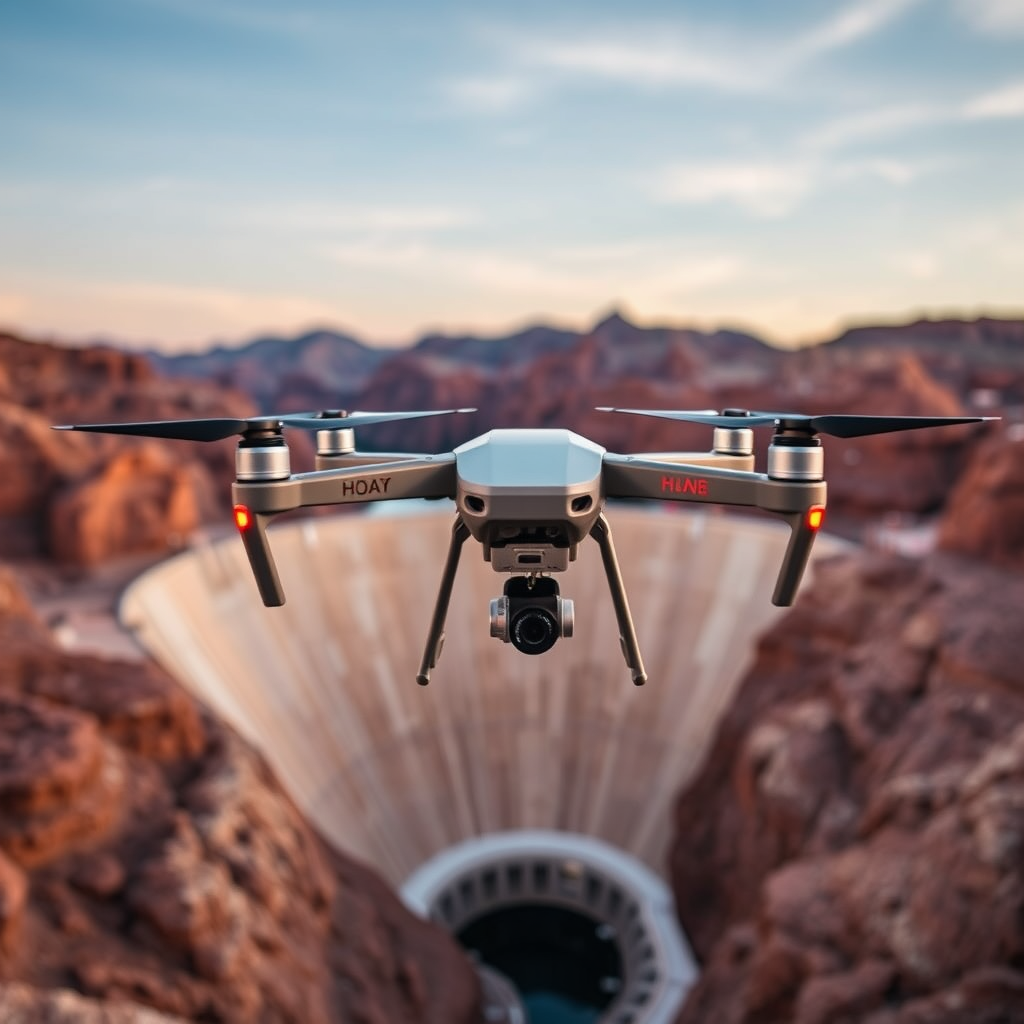
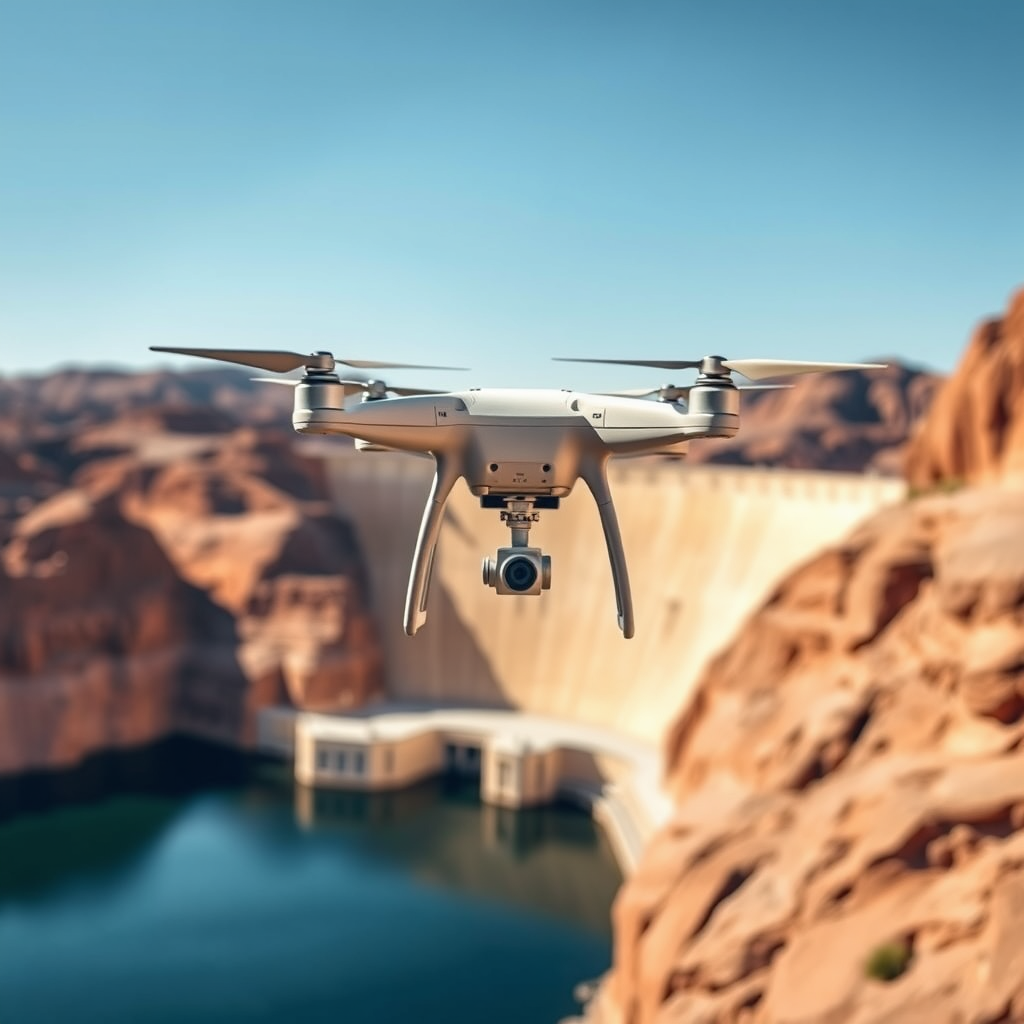
Yes, you can fly a drone at Hoover Dam, but there are strict regulations and guidelines you must follow to ensure safety and compliance with the law. The Hoover Dam, an engineering marvel and a popular tourist destination, is located in a restricted airspace area that requires drone pilots to adhere to specific Federal Aviation Administration (FAA) regulations and local laws. Understanding these rules is crucial for anyone looking to capture aerial footage of this iconic site while avoiding potential fines or penalties.
Understanding the Regulations
The Hoover Dam is situated within a designated restricted airspace, which means that drone pilots must comply with FAA regulations that govern airspace usage. The area around the Hoover Dam is classified as a no-fly zone due to its proximity to critical infrastructure and national security concerns. As a result, flying a drone in this region necessitates a thorough understanding of the applicable regulations.
In addition to FAA guidelines, drone operators must also adhere to local laws and the regulations set forth by the National Park Service (NPS). Violations can lead to fines, confiscation of equipment, or even legal action. Therefore, it is imperative for drone pilots to familiarize themselves with both federal and local regulations before planning a flight at Hoover Dam.
FAA Guidelines for Drone Operation
To operate a drone legally in the United States, all drone operators must register their drones with the FAA if they weigh over 0.55 pounds. This registration process is straightforward and can be completed online. After registration, pilots must always maintain visual line-of-sight with their drones during flight. This means that the operator should be able to see the drone without the aid of visual enhancement devices, such as binoculars or drones equipped with cameras.
Furthermore, the FAA restricts drone flights to a maximum altitude of 400 feet above ground level. This height limit is in place to prevent interference with manned aircraft and to ensure the safety of both drone operators and the public. Pilots should also be aware of temporary flight restrictions (TFRs) that may be in place due to special events or emergencies in the area.
National Park Service Restrictions
Hoover Dam is located within the Lake Mead National Recreation Area, which is managed by the National Park Service (NPS). The NPS has specific policies regarding drone usage that reflect the mission of preserving natural and cultural resources. Generally, drones are prohibited in national parks unless special permission is granted.
To obtain permission for drone use within the park, operators typically need to submit a request to the NPS, outlining the purpose of the flight, the intended flight path, and how they plan to mitigate any potential impacts on wildlife and visitors. The approval process can be lengthy, and there is no guarantee of receiving permission. Therefore, it is advisable to plan well in advance if you wish to seek authorization for drone operation in this area.
Safety Considerations
Safety should always be the paramount concern for drone operators. It is essential to be aware of your surroundings and to avoid flying near crowds, buildings, or in adverse weather conditions. High winds, rain, and low visibility can all significantly impact the stability and control of a drone, leading to accidents or malfunctions.
Before flying, ensure that your drone is in good working condition, including checking battery levels, ensuring the firmware is up to date, and verifying that all components are functioning correctly. Pilots should also conduct pre-flight checks and familiarize themselves with emergency procedures in case of equipment failure. By prioritizing safety, drone operators can enjoy a more secure flying experience while minimizing risks to themselves and others.
Best Times to Fly
Timing can greatly impact the quality of drone photography and videography, especially at a popular site like Hoover Dam. Early morning or late afternoon are generally considered the best times to fly, as these periods typically offer better lighting conditions for capturing stunning aerial shots. Additionally, visiting during these times can help avoid large crowds, allowing for a more serene flying experience.
Before planning your flight, it’s prudent to check for any scheduled events, construction work, or maintenance activities that might affect drone usage. Local news sources or the official Lake Mead National Recreation Area website can provide up-to-date information regarding any potential disruptions. Being informed about the current situation can help ensure a successful and enjoyable flight.
Alternatives to Flying at Hoover Dam
If flying a drone at Hoover Dam proves to be too challenging due to restrictions or regulations, consider alternative locations in the surrounding area that permit drone operation. Several viewpoints and public areas around the dam provide excellent vantage points for capturing stunning imagery without the restrictions imposed at the dam itself.
Additionally, exploring other parts of the Lake Mead National Recreation Area or nearby public lands can offer a wealth of opportunities for drone photography. Many of these locations provide breathtaking landscapes, unique geological formations, and scenic vistas, allowing drone pilots to capture remarkable aerial footage while complying with the law.
In conclusion, while you can fly a drone at Hoover Dam, it is essential to adhere to all regulations and guidelines to ensure a safe and enjoyable experience. By understanding the restrictions set forth by the FAA and the National Park Service, as well as prioritizing safety and considering alternative locations, drone pilots can successfully navigate the complexities of flying in this iconic area. Always do your research beforehand and maintain a respectful approach to this remarkable site. Happy flying!
Frequently Asked Questions
Can you legally fly a drone at Hoover Dam?
No, flying a drone at Hoover Dam is illegal. The area is under strict regulations due to its status as a critical infrastructure site. The Federal Aviation Administration (FAA) prohibits drone operations in this region to ensure public safety and security, making it essential for drone operators to respect these laws to avoid hefty fines and potential legal issues.
What are the penalties for flying a drone at Hoover Dam?
The penalties for flying a drone at Hoover Dam can be severe, including fines that can reach up to $20,000. Additionally, unauthorized drone flights in restricted airspace can result in criminal charges, confiscation of the drone, and other legal repercussions. It is crucial for drone enthusiasts to understand and comply with the regulations to avoid these consequences.
Why are drones prohibited at Hoover Dam?
Drones are prohibited at Hoover Dam primarily for security and safety reasons. As a vital piece of national infrastructure, Hoover Dam is subject to heightened security measures to prevent potential threats and ensure the safety of visitors and the surrounding environment. The presence of drones could pose risks to aviation safety and public security, prompting these stringent restrictions.
Are there any areas near Hoover Dam where drone flying is permitted?
While flying a drone directly at Hoover Dam is not allowed, there are several nearby areas where drone operations may be permitted, provided they comply with FAA regulations. Popular locations include sections of Lake Mead National Recreation Area, where drone flying can be enjoyed with proper caution and adherence to local laws. Always check local regulations and obtain any necessary permits before flying your drone.
How can I find out about drone regulations in national parks and monuments like Hoover Dam?
To find out about drone regulations in national parks and monuments, including Hoover Dam, you can visit the official National Park Service website or the FAA’s website for updated information. Additionally, it’s beneficial to check local regulations from state or city authorities, as these can also impact drone operations. Staying informed through these resources will help ensure your drone activities remain compliant and enjoyable.
References
- https://en.wikipedia.org/wiki/Hoover_Dam
- https://www.faa.gov/uas/
- https://www.nps.gov/places/hoover-dam.htm
- https://www.lakepowell.com/hoover-dam-drone-regulations/
- https://www.azcentral.com/story/news/local/arizona/2021/06/24/drone-rules-hoover-dam-faa-regulations/5339884001/
- https://www.usbr.gov/recman/recguide/recguide.pdf
