
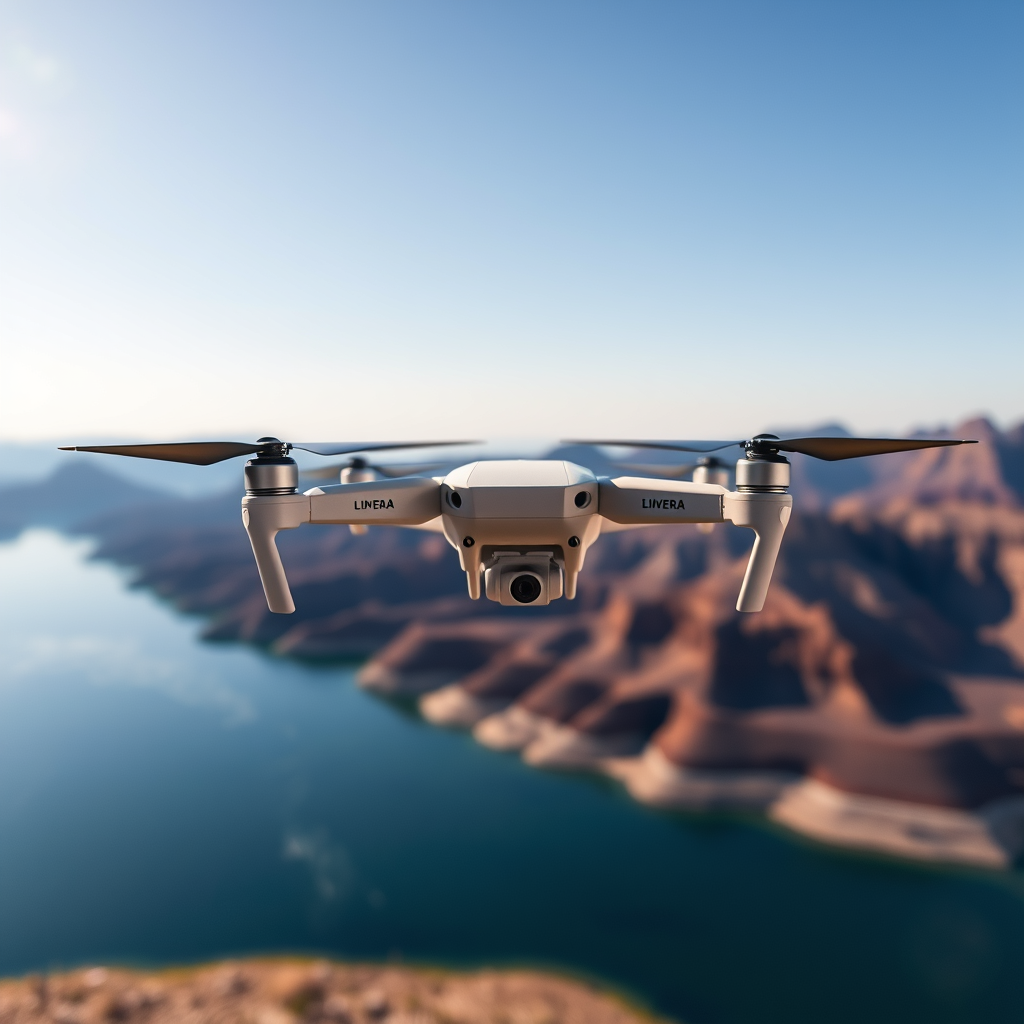
Yes, you can fly a drone at Lake Mead, but there are specific regulations and guidelines that you must follow to ensure safety and compliance with local laws. Understanding these rules will help you enjoy your drone flying experience while respecting the natural environment and other visitors. Lake Mead, which straddles the border of Nevada and Arizona, is a stunning location for drone enthusiasts, offering breathtaking vistas and unique geological formations. However, to ensure a safe and enjoyable experience, it’s critical to familiarize yourself with the regulations governing drone use in this area.
Overview of Drone Regulations at Lake Mead
Drones are subject to federal regulations enforced by the Federal Aviation Administration (FAA). This means that all drone operators must adhere to the FAA’s guidelines, which include maintaining a maximum altitude of 400 feet, ensuring that your drone remains within visual line of sight, and avoiding restricted airspace. In addition to these federal regulations, Lake Mead National Recreation Area has its own set of rules that drone operators must follow.
Certain areas within the park may have restrictions or no-fly zones, particularly near sensitive habitats or regions where wildlife is prevalent. For example, flying a drone near nesting birds can disturb their natural behaviors and lead to adverse ecological impacts. Therefore, it is essential to consult the park’s official website or contact park officials for the latest information about specific areas where drone flying is prohibited or restricted.
Permit Requirements for Drone Use
If you are planning to use a drone for commercial purposes at Lake Mead, you may need to obtain a special use permit. This permit is required for any activity that involves the commercial use of a drone, which can include aerial photography, surveying, or promotional video shoots. The process for acquiring a special use permit typically involves submitting an application detailing your intended use, along with any necessary documentation regarding insurance and safety measures.
On the other hand, recreational flying typically does not require a permit, but it is crucial to check local guidelines before your visit. State and local regulations can change, and certain events or conditions may introduce temporary restrictions, so staying informed will help you avoid potential fines or penalties.
Designated Flying Areas
When planning your drone flight at Lake Mead, it is essential to identify specific zones within the park where drone flying is permitted. The park service has designated certain areas for drone operations to minimize disturbances to wildlife and other park visitors. Commonly accepted areas for drone flying often include open fields or less-trafficked sections of the park, but these can vary based on ongoing conservation efforts.
To respect the natural environment and other visitors, you should avoid flying near sensitive wildlife habitats, such as nesting sites or areas where endangered species are known to inhabit. Additionally, it is advisable to steer clear of crowded areas, such as picnic spots, beaches, and hiking trails, as flying a drone over such locations can pose safety risks and create disturbances for others.
Safety Guidelines for Drone Operations
Safety should always be a top priority when operating a drone. To mitigate risks and ensure a safe flying experience, adhere to the following guidelines:
1. Maintain Visual Line of Sight: Always keep your drone within your line of sight. This is not only a legal requirement but also a fundamental safety practice to prevent collisions with other aerial objects.
2. Avoid Flying Over People and Vehicles: To ensure the safety of others, do not fly your drone over crowds, vehicles, or private property without permission. Such actions can lead to serious legal consequences and safety hazards.
3. Pre-Flight Checks: Before taking off, conduct a thorough pre-flight check to ensure that your drone is in optimal working condition. This includes checking battery levels, ensuring that the firmware is up to date, and inspecting propellers for damage.
4. Weather Considerations: Always check weather conditions before flying. Wind, rain, or other adverse conditions can significantly impact your ability to control the drone safely.
5. Emergency Procedures: Familiarize yourself with emergency procedures, including how to safely land your drone in case of a malfunction or loss of signal.
Environmental Considerations
When flying a drone at Lake Mead, it is essential to be mindful of the potential environmental impacts. Drone noise can disrupt wildlife, particularly during breeding seasons when animals are more sensitive to disturbances. For instance, loud noises can lead to increased stress levels in animals, potentially affecting their reproductive success.
To minimize your impact on the environment, follow “Leave No Trace” principles. This means not only avoiding littering but also being cautious with your drone’s noise and flight paths. Consider flying during times when wildlife activity is lower, such as early mornings or late afternoons, to reduce disturbances. Additionally, ensure that your drone does not land on or disturb natural formations or habitats.
Best Practices for a Great Experience
To enhance your drone flying experience at Lake Mead, consider the following best practices:
1. Plan Your Flights: Schedule your flights during times with fewer visitors to minimize disruptions. Early mornings or weekdays may offer less crowded conditions, allowing for a more serene flying experience.
2. Bring Extra Batteries: Long flight times are often a goal for drone enthusiasts. Bringing extra batteries will extend your flying session, allowing you to capture more footage and explore different areas of the park.
3. Check Weather Conditions: Weather can change rapidly at Lake Mead, affecting your ability to fly safely. Always check local weather forecasts and be prepared to adjust your plans accordingly.
4. Educate Yourself About Local Wildlife: Understanding the local fauna will help you select appropriate flying zones and times. Awareness of nesting seasons or migration patterns can guide you in minimizing disturbances to wildlife.
5. Share Your Experience: If you capture stunning imagery or footage, consider sharing it responsibly on social media or drone enthusiast forums while respecting the park’s regulations and other visitors’ privacy.
In conclusion, flying a drone at Lake Mead is allowed under specific regulations and guidelines. By following these rules and respecting the environment, you can have a fulfilling and enjoyable drone flying experience. Always stay informed and check for any updates before your visit, ensuring that you are compliant with both federal and local regulations. By prioritizing safety and environmental stewardship, you contribute to the protection of this stunning natural resource while enjoying the thrill of aerial exploration.
Frequently Asked Questions
Can you fly a drone at Lake Mead National Recreation Area?
Yes, you can fly a drone at Lake Mead National Recreation Area, but there are specific regulations you need to follow. Drones are allowed in certain areas as long as you comply with FAA guidelines, such as keeping your drone below 400 feet and maintaining a visual line of sight. However, be aware that flying drones is prohibited in designated wildlife zones, near visitor centers, and other sensitive areas, so always check local regulations before your flight.
What are the rules for flying a drone at Lake Mead?
The rules for flying a drone at Lake Mead include adhering to FAA regulations, such as registering your drone if it weighs over 0.55 pounds and following altitude limits. Additionally, you must not fly your drone over crowds, near emergency response efforts, or in areas where it could interfere with manned aircraft. It’s crucial to respect wildlife and natural resources, so familiarize yourself with the specific park regulations to ensure a safe and enjoyable experience.
How can I find the best spots to fly a drone at Lake Mead?
To find the best spots for flying a drone at Lake Mead, consider visiting areas with open spaces away from people and wildlife. Popular locations include the scenic overlooks and less crowded beaches around the lake. Additionally, using resources like Google Maps to identify potential launch sites and checking local drone community forums can provide valuable insights into optimal locations and tips from other drone enthusiasts.
Why are there restrictions on drone flying at Lake Mead?
Restrictions on drone flying at Lake Mead are primarily in place to protect wildlife, preserve natural habitats, and ensure visitor safety. Drones can disturb animals, particularly nesting birds, and interfere with the peaceful enjoyment of the park for other visitors. Additionally, managing airspace around the lake is crucial for the safety of both manned aircraft and drone operators, which is why understanding and adhering to the regulations is essential.
Which drone models are best suited for flying at Lake Mead?
The best drone models for flying at Lake Mead are those that are lightweight, portable, and equipped with good battery life and GPS features. Popular choices include the DJI Mini series for their compact size and excellent camera quality, as well as the DJI Mavic Air 2 for its advanced capabilities and stability in windy conditions. Always ensure your drone is in compliance with local regulations and is suitable for the specific flying conditions at the lake.
References
- https://www.nps.gov/lake/planyourvisit/drone-use.htm
- https://www.faa.gov/uas/getting_started/
- https://www.lake-mead-recreation-area.com/faq.html
- https://www.lake-mead-recreation-area.com/
- https://www.usbr.gov/lc/region/g4000/rec/lake_mead.html
- https://www.nps.gov/lake/learn/news/drone-use-in-lake-mead.htm
