
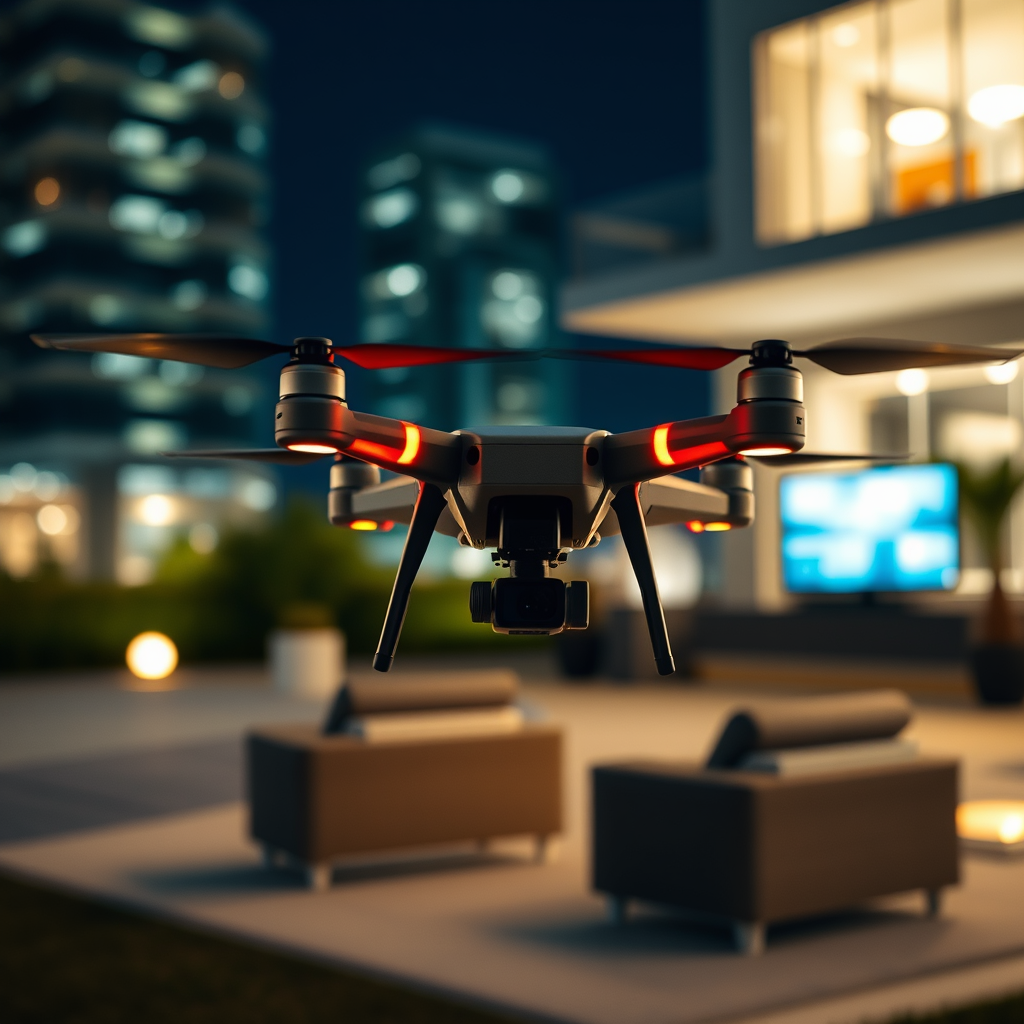
Yes, you can fly a drone at night, but there are specific regulations and safety guidelines you must follow to ensure compliance and safety. As the popularity of drone flying continues to grow, many operators are eager to explore the unique perspectives that nighttime flying offers. However, engaging in this activity demands an understanding of legal requirements, equipment specifications, and best practices that ensure both safety and adherence to aviation laws.
Understanding the Legal Framework
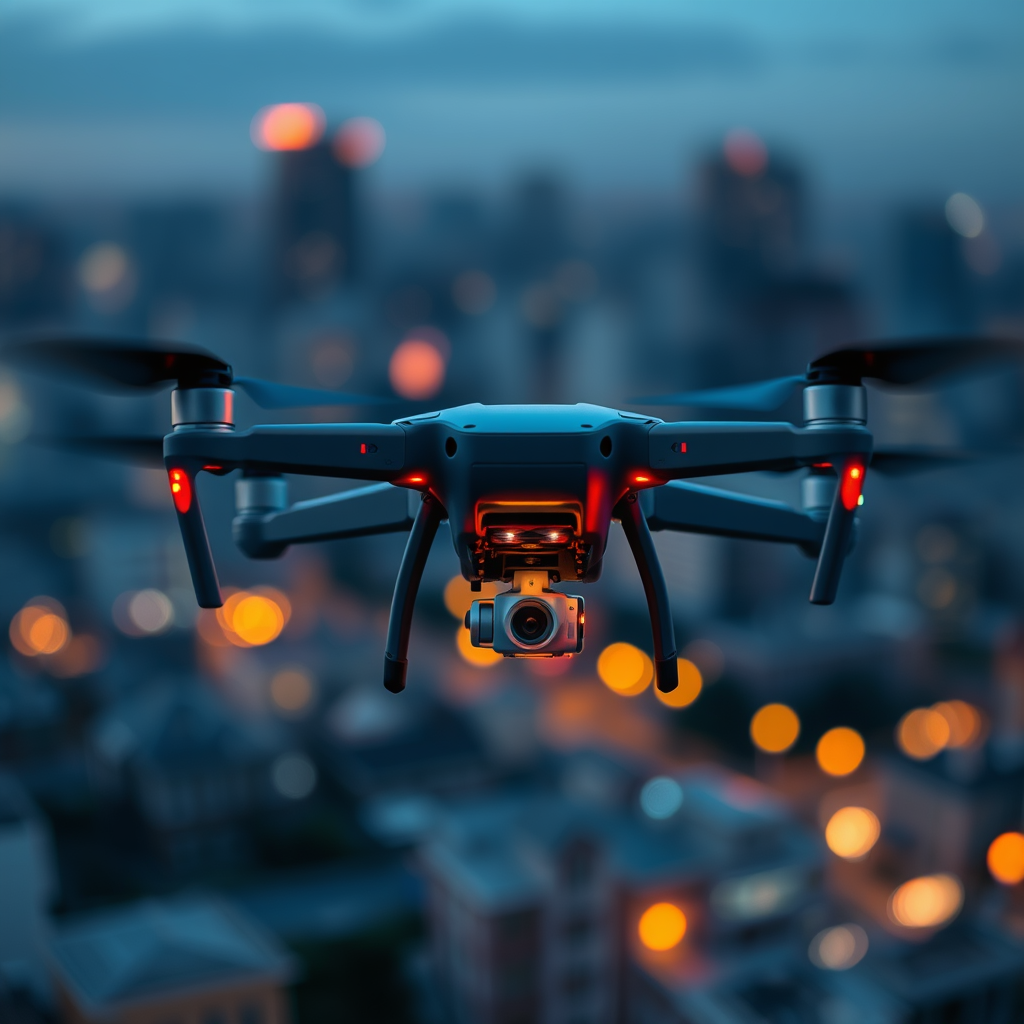
In the United States, the Federal Aviation Administration (FAA) regulates drone operations, including those conducted at night. According to FAA regulations, flying a drone after dark is permissible, provided certain conditions are met. To legally operate a drone at night, pilots must possess a Part 107 certification, which entails successfully passing a knowledge test on regulations, airspace classification, weather, and operational limitations. Furthermore, the FAA mandates that pilots complete a night operation training course, enhancing their understanding of the unique challenges posed by night flying, such as visibility and navigation difficulties.
This legal framework is designed to promote safety and accountability within the drone community. Pilots must stay informed about any updates or changes to these regulations, as the FAA periodically revises its guidelines to adapt to evolving technologies and safety concerns.
Equipment Requirements for Night Flying
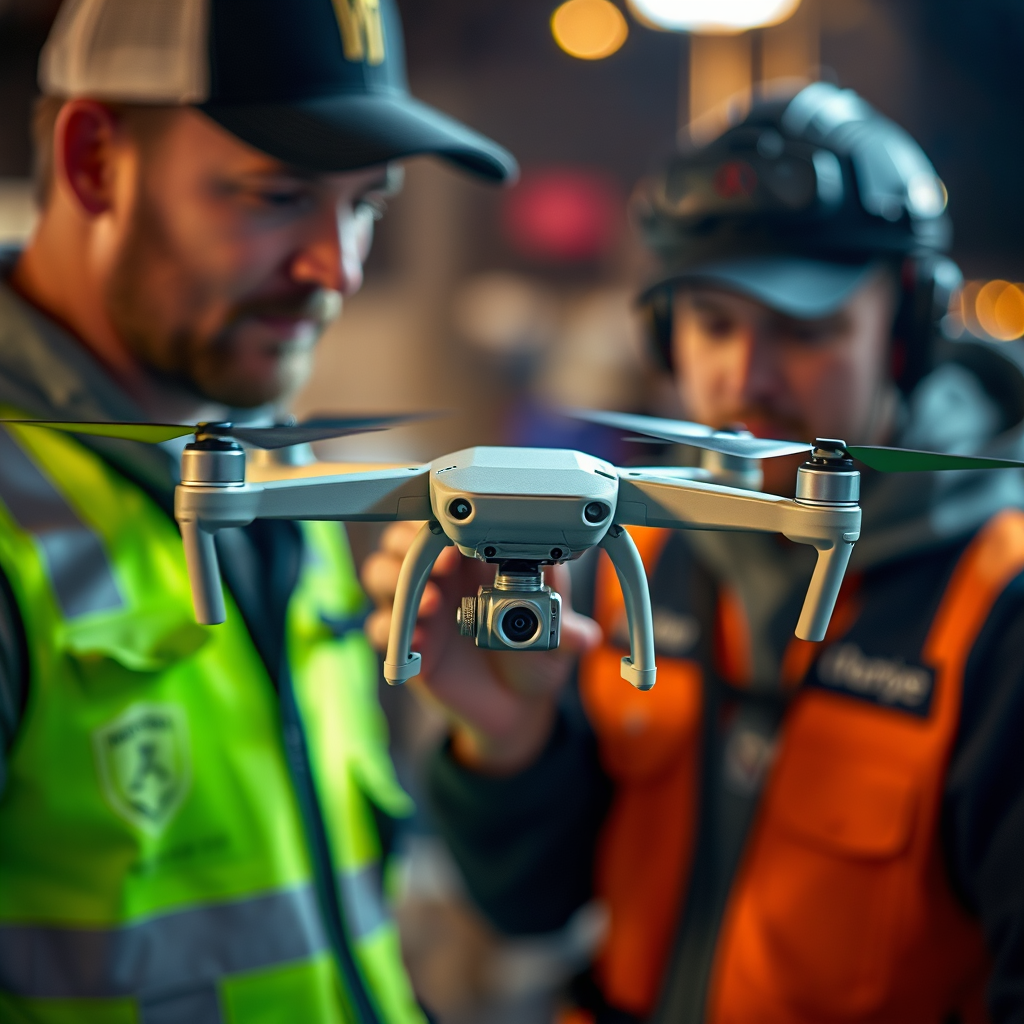
When flying a drone at night, specific equipment requirements must be met to ensure safe operations. Foremost among these requirements is the installation of anti-collision lights that are visible from a distance of at least three statute miles. These lights help other aircraft and on-the-ground observers detect your drone in the dark, significantly reducing the risk of accidents.
In addition to the mandatory lights, operators may want to consider using supplementary lighting systems to enhance visibility. LED lights can be attached to the drone to illuminate the area beneath it, aiding in navigation and obstacle avoidance. Some pilots opt for colored lights to make their drones more distinguishable against the night sky. However, it is essential to ensure that any additional lighting does not interfere with the drone’s operation or violate FAA regulations.
Safety Considerations for Night Flying
Safety should always be the primary concern when flying a drone, especially at night. One of the most critical considerations is to maintain a clear flight path and avoid populated areas as much as possible. This not only minimizes the risk to individuals on the ground but also reduces the likelihood of potential legal issues arising from property damage or personal injury.
Pilots must also keep their drone within visual line of sight (VLOS) during night operations. This requirement is crucial because limited visibility can make it challenging to assess the drone’s position and orientation in relation to surrounding obstacles, such as trees, buildings, and power lines. To mitigate risks, it is advisable to practice flying in well-lit areas before attempting more complex maneuvers in low-light conditions.
Additionally, pilots should remain acutely aware of their surroundings and any potential hazards, such as changing weather conditions, which can adversely affect visibility and control.
Planning Your Night Flight
Before embarking on a night flight, thorough planning is essential. Operators should first check local laws and regulations, as they can vary by state or municipality. Some areas may have specific restrictions regarding nighttime drone flights, and it is crucial to be aware of these to avoid fines or legal repercussions.
Planning your flight route in advance is equally important. Consider potential hazards that may not be as apparent at night, such as obstacles that could obstruct your path or areas with increased pedestrian activity. Utilizing mapping tools and apps designed for drone pilots can help identify safe flight zones and provide real-time information about airspace regulations.
Moreover, it’s advisable to conduct a pre-flight risk assessment to identify and mitigate any potential issues before takeoff. This proactive approach can enhance your confidence and ensure a successful flight experience.
Best Practices for Night Drone Operations
To maximize safety and efficiency during night drone operations, pilots should adhere to a set of best practices. Conducting a comprehensive pre-flight inspection is paramount. This inspection should include checking the drone’s battery levels, ensuring all lights are functioning correctly, and confirming that the control systems are operational.
Having a spotter can also significantly enhance safety during night flights. A spotter can assist in identifying hazards and keeping the drone within visual line of sight, allowing the pilot to focus on operating the drone effectively. The spotter can also act as a secondary pair of eyes, helping to avoid potential collisions or accidents.
Moreover, consider flying with a friend or fellow drone enthusiast who can provide feedback and support during the flight. This collaborative approach can enhance the overall experience and contribute to a safer flying environment.
Common Challenges of Night Flying
While flying a drone at night can be an exhilarating experience, it does come with its share of challenges. Limited visibility is one of the most significant obstacles, which can lead to disorientation and difficulty navigating. Pilots may find it more challenging to gauge distances and perceive obstacles, increasing the risk of losing control of the drone.
To combat this, it is advisable to practice flying in well-lit areas before progressing to more complex environments. Familiarizing yourself with your drone’s responses and handling in low-light conditions can help build your confidence and skill level.
Additionally, be aware that the risk of losing control increases at night. Pilots should start with simple maneuvers and gradually work up to more complicated flight patterns as they become more comfortable with nighttime operations.
Resources for Night Flying Regulations and Training
For those interested in flying drones at night, a wealth of resources is available to ensure compliance and safety. One of the best starting points is the FAA’s official website, which provides the most current regulations and guidelines regarding drone operations. This resource can also offer insights into specific training programs tailored to night flying.
Consider enrolling in online courses or local workshops that focus on night flying techniques. These courses can equip pilots with valuable skills and knowledge necessary for successful night operations. Engaging with the drone community, through forums or local clubs, can also provide support and shared experiences that enhance your understanding of night flying.
In conclusion, while flying a drone at night is permitted under certain regulations, it is crucial to adhere to safety guidelines and local laws to ensure a successful flight. By understanding the legal framework, equipping your drone with the necessary features, and following best practices for safety and planning, you can enjoy the unique experience of nighttime flying. Always stay informed and prepared, as the thrill of capturing stunning nighttime imagery awaits those willing to take to the skies after dark.
Frequently Asked Questions
Can you fly a drone at night legally?
Yes, you can fly a drone at night, but only if you comply with specific regulations set by aviation authorities, such as the FAA in the United States. To fly legally at night, you must have a Part 107 certification and your drone must be equipped with anti-collision lights that are visible for at least three statute miles. Additionally, it’s essential to maintain visual line of sight and adhere to any local laws regarding nighttime drone usage.
How do you prepare to fly a drone at night?
Preparing to fly a drone at night involves several steps to ensure safety and legality. First, check that your drone is equipped with the required lighting, such as LED lights, to make it visible to other aircraft. Next, familiarize yourself with your flying area during daylight hours to identify landmarks and potential obstacles. Lastly, ensure your drone’s battery is fully charged and consider using GPS and obstacle avoidance technology to navigate safely in low visibility.
Why is flying a drone at night considered risky?
Flying a drone at night is considered risky mainly due to reduced visibility and the increased difficulty in maintaining spatial awareness. Without adequate lighting, it can be challenging to detect obstacles or other aircraft, leading to potential accidents. Moreover, nighttime flying requires heightened attention to navigation and control, as it’s easier to lose sight of the drone, emphasizing the importance of having proper lighting and flying in familiar areas.
What are the best practices for flying a drone at night?
The best practices for flying a drone at night include ensuring your drone is equipped with bright, visible lights, planning your flight path in advance, and flying in open areas away from crowds and obstacles. Always keep your drone within visual line of sight, and use a reliable GPS to assist with navigation. Additionally, it’s advisable to conduct a pre-flight check to confirm that all systems are functioning properly, including battery levels and lighting.
Which drones are suitable for nighttime flying?
Drones that are suitable for nighttime flying typically include those that have built-in lighting systems and are equipped with advanced features such as GPS navigation and obstacle avoidance. Models from reputable brands like DJI, Parrot, and Yuneec often include these features, making them ideal for safe nighttime operations. When selecting a drone for night flying, ensure it meets your specific needs and complies with local regulations for nighttime use.
References
- https://en.wikipedia.org/wiki/Drone_flight_regulations
- https://www.faa.gov/uas/getting_started/fly/
- https://www.faa.gov/uas/media/Part_107_Summary.pdf
- https://www.npr.org/2021/10/11/1045116926/drone-night-flying-faa-regulations
- https://www.reuters.com/technology/faa-proposes-new-regulations-drone-operations-2021-10-01/
- https://www.theguardian.com/us-news/2021/jul/20/drones-faa-night-flying-regulations
- https://www.suasnews.com/2021/06/faa-approves-night-operations-for-drones/
- https://www.dji.com/newsroom/news/faa-night-operations-2021
