

Yes, you can fly a drone at night, but there are specific regulations and safety guidelines you must follow. Understanding these rules is crucial for safe and legal nighttime drone operations. Nighttime flying can open up a new dimension of aerial photography, surveying, and recreational flying, but it comes with its own set of challenges and requirements. In this article, we will explore the key aspects of flying drones at night, including regulations, equipment requirements, and safety tips to ensure a smooth and compliant experience.
Understanding FAA Regulations
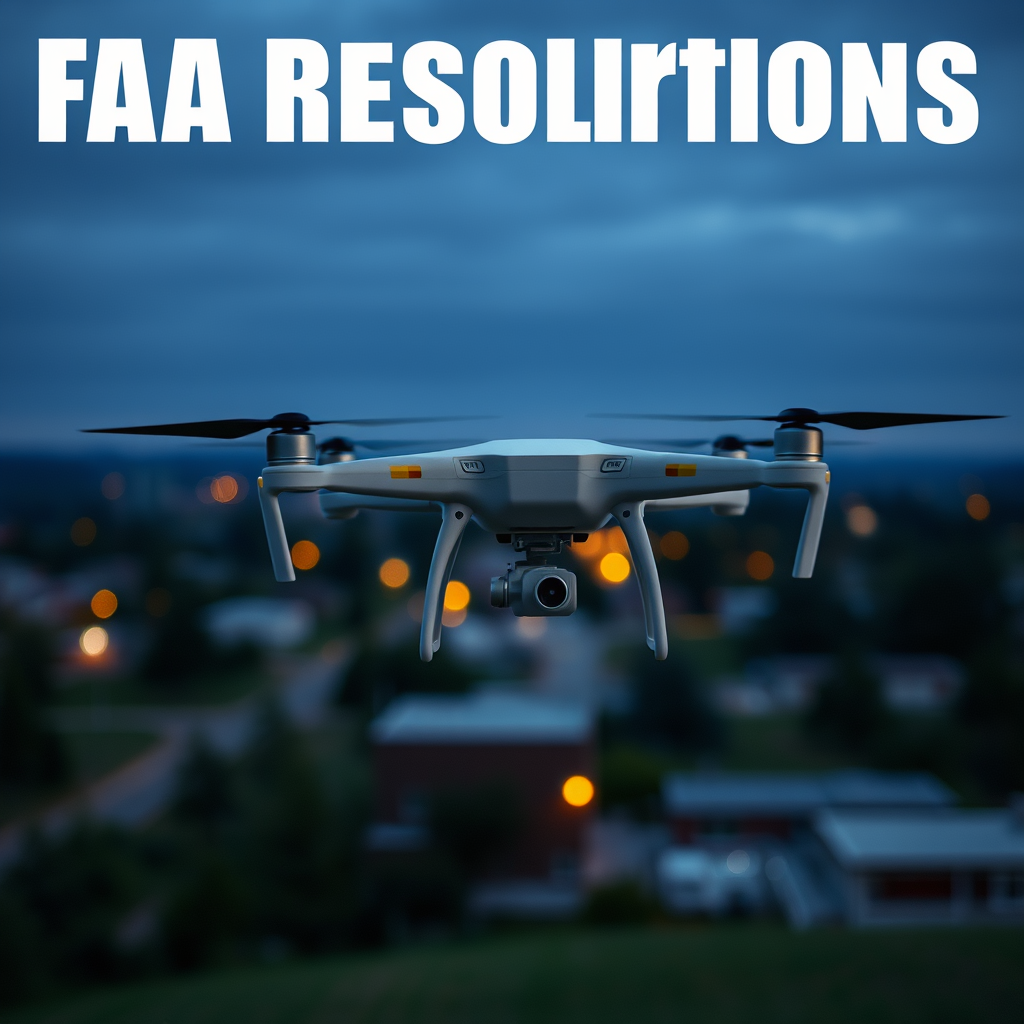
The Federal Aviation Administration (FAA) has established clear regulations regarding the operation of drones at night to ensure safety for both operators and the general public. According to FAA guidelines, any drone flown at night must be equipped with anti-collision lights that are visible for at least 3 statute miles. These lights are crucial for preventing accidents by making your drone visible to other pilots and aircraft in the area.
Furthermore, operators must possess a valid Part 107 certification if they intend to fly commercially at night. This certification ensures that the pilot has the necessary knowledge of drone operations, airspace regulations, and safety practices. For those wishing to fly outside the confines of the Part 107 rules, obtaining a specific waiver is required. This process involves providing the FAA with a detailed plan outlining how safety will be maintained while operating at night, including how visibility will be ensured and how the pilot will manage risks associated with low-light flying.
Equipment Requirements
When flying a drone at night, having the right equipment is essential for both safety and performance. Drones must be outfitted with proper lighting systems to enhance visibility. Anti-collision lights are a must, but operators may also consider using additional LED lights to illuminate the drone itself, making it easier to track during flight. These lights should be bright enough to be seen from a distance, adding an extra layer of safety.
Moreover, utilizing drones equipped with enhanced sensors and cameras can significantly improve performance in low-light conditions. Many modern drones come with advanced night vision capabilities or low-light camera features that allow for high-quality imaging even in darkness. For example, drones like the DJI Mavic 2 Enterprise have excellent low-light performance, making them suitable for nighttime operations such as search and rescue missions or nighttime inspections of structures. Ensuring that your drone is equipped with the latest technology will enhance safety and operation efficiency.
Safety Considerations
Safety should always be a top priority when flying a drone, particularly at night. Conducting a thorough pre-flight check is essential to ensure all systems are functioning properly. This includes checking battery levels, confirming that all lights are operational, and ensuring that the GPS and other navigation systems are working accurately.
Maintaining line-of-sight with your drone is also critical. At night, visual references can be more challenging, so it’s vital to stay aware of your surroundings and monitor the drone’s position closely. Utilizing a spotter can be beneficial; they can help keep track of the drone while you focus on operating it safely. Additionally, familiarizing yourself with local air traffic protocols is essential to avoid collisions with other aircraft that may be flying at night.
Planning Your Flight
Effective planning can make a significant difference in the success of your nighttime drone operations. Start by choosing a well-lit area for takeoff and landing. This not only aids visibility but also reduces the risk of accidents during these critical phases of flight. Urban areas often provide more natural light, which can help in navigating your drone effectively.
Before heading out, check the weather conditions to ensure they are suitable for flying. Wind speeds, precipitation, and cloud cover can all impact your drone’s performance and safety. For example, flying in strong winds or rain can diminish visibility and increase the risk of losing control of your drone. Furthermore, it’s advisable to plan your flight path in advance, taking note of any obstacles such as trees, buildings, or power lines that could pose a hazard during night flights.
Nighttime Flight Techniques
Navigating in the dark presents unique challenges, and employing specific techniques can enhance your nighttime flying experience. Utilizing GPS technology is essential, as it helps in accurate positioning and can assist in returning the drone to its launch point if visibility is lost.
Advanced flight modes, such as waypoint navigation or follow-me features, can help simplify the flying process during nighttime operations. These modes allow the drone to autonomously follow a pre-determined path or track a moving subject, reducing the pilot’s workload.
Familiarity with your drone’s capabilities and limitations in low-light situations is also crucial. Some drones may struggle with altitude changes or sudden movements in darkness, so practicing in well-lit conditions before attempting nighttime flights can build confidence and skill.
Legal and Ethical Responsibilities
In addition to complying with FAA regulations, drone operators must also consider local laws and community guidelines when flying at night. Noise regulations may be stricter in residential areas, and respect for privacy is paramount. Avoid flying over private properties without permission, and be aware of any local ordinances that might restrict nighttime flying.
Furthermore, be conscious of restricted airspace and no-fly zones that may be in effect during nighttime hours. Many cities have specific regulations regarding drone operations in urban areas, especially at night when noise and safety concerns may be heightened. Always check for any temporary flight restrictions (TFRs) that may apply, especially during events or emergencies.
In conclusion, while flying a drone at night is possible, it requires careful planning and adherence to regulations for safety and legality. By understanding the FAA’s requirements, ensuring your equipment is up to par, and being mindful of safety considerations, you can enjoy the unique experience of nighttime drone flying. Always remain informed and prepared before taking to the skies after dark to ensure a safe and enjoyable operation.
Frequently Asked Questions
Can you fly a drone at night legally?
Yes, you can fly a drone at night legally, but there are specific regulations you must follow. In the United States, the Federal Aviation Administration (FAA) requires drone pilots to have a Part 107 certification and to operate drones equipped with anti-collision lights that are visible for at least three statute miles. Additionally, you must maintain visual line of sight with the drone, which can be more challenging at night.
What are the requirements for flying a drone at night?
To fly a drone at night, you need to adhere to several key requirements. First, ensure you possess a valid Part 107 Remote Pilot Certificate from the FAA. Your drone must be outfitted with lights that make it visible for three miles and must be equipped with reflective tape or other means to enhance visibility. Moreover, you must be familiar with your drone’s controls and have practiced flying in low-light conditions to ensure safety.
Why is it important to follow regulations when flying a drone at night?
Following regulations when flying a drone at night is crucial for safety and compliance. Night flights present unique challenges, such as reduced visibility and increased difficulty in maintaining spatial awareness. Adhering to FAA regulations not only minimizes the risk of accidents and collisions but also helps maintain public trust in drone operations, ensuring that airspace remains safe for all users.
What are the best practices for flying a drone at night?
The best practices for flying a drone at night include conducting a thorough pre-flight check to ensure all lights are functioning correctly and that your drone is in optimal condition. Familiarize yourself with the area you plan to fly in, avoiding crowded places and obstacles. Use additional lighting, such as landing lights, to improve visibility and ensure you have a plan for emergencies, including knowing how to safely land your drone if you lose visual contact.
Which drones are suitable for night flying?
When choosing a drone for night flying, look for models with built-in LED lights for visibility and stabilization features for better control in low-light conditions. Drones like the DJI Mavic Air 2 and the Phantom 4 Pro are popular choices due to their robust cameras and reliable flight performance in various lighting scenarios. Additionally, ensure that the drone has a good battery life and GPS capabilities, which can help in navigating and returning safely after night flights.
References
- https://en.wikipedia.org/wiki/Drone#Regulations
- https://www.faa.gov/uas/getting_started/fly_basics/
- https://www.faa.gov/uas/getting_started/fly/
- https://www.faa.gov/uas/registration/
- https://www.npr.org/sections/alltechconsidered/2016/09/14/493463735/faa-issues-new-rules-for-drone-operators
- https://www.reuters.com/article/us-usa-drone-regulations-idUSKBN2A02C2
- https://www.dronepilotgroundschool.com/faa-drone-night-flying-rules/
- https://www.knowbeforeyoufly.org/
- https://www.aopa.org/news-and-media/all-news/2021/february/02/can-you-fly-a-drone-at-night
