

Yes, you can fly a drone at Snoqualmie Falls, but there are specific regulations and guidelines you must follow. As one of Washington State’s most iconic natural attractions, Snoqualmie Falls offers breathtaking views that are perfect for aerial photography. However, understanding and adhering to the local laws and park rules is essential for a safe and enjoyable drone experience.
Understanding Drone Regulations in Washington State
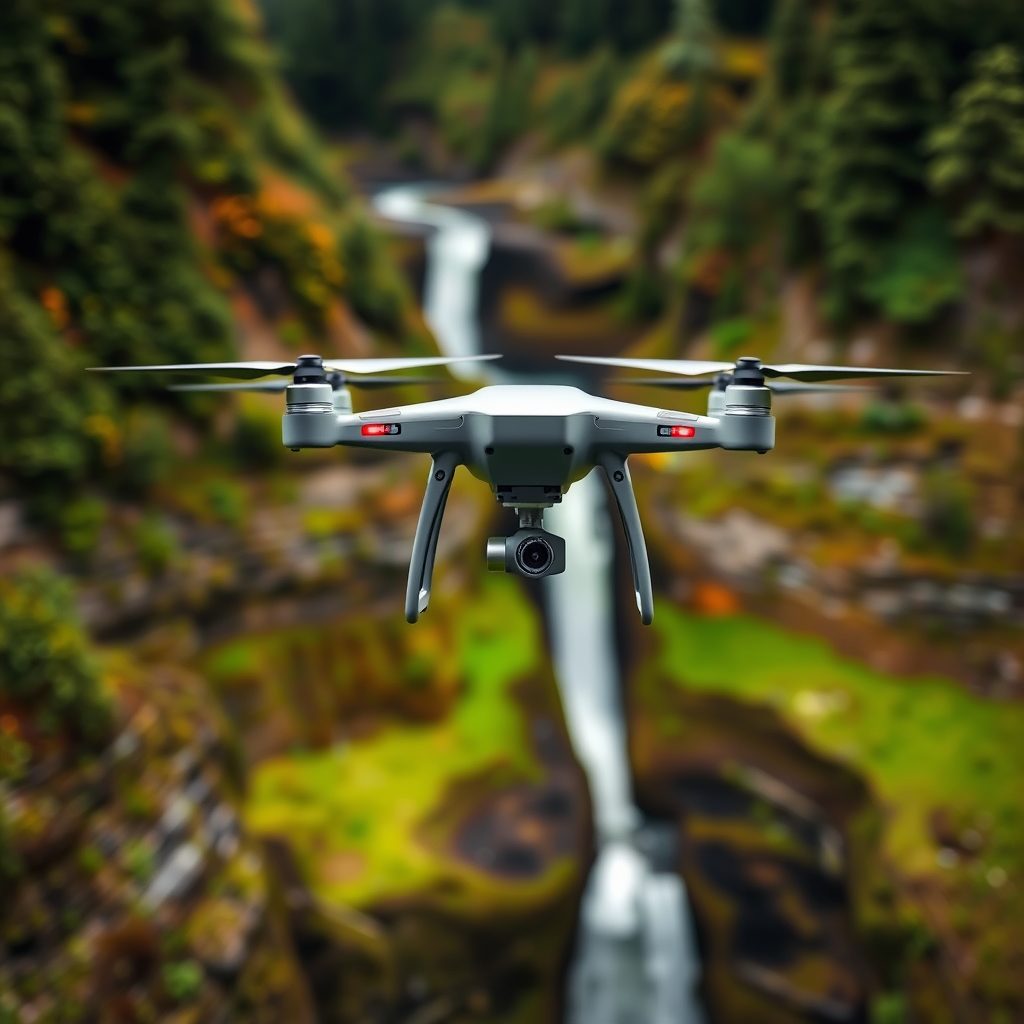
In the United States, drone operations are governed by the Federal Aviation Administration (FAA), which has established comprehensive rules that all drone operators must follow. These regulations include requirements for registration, altitude limits, and guidelines for flying near airports. For instance, drones must not exceed an altitude of 400 feet and should always be flown within the operator’s line of sight.
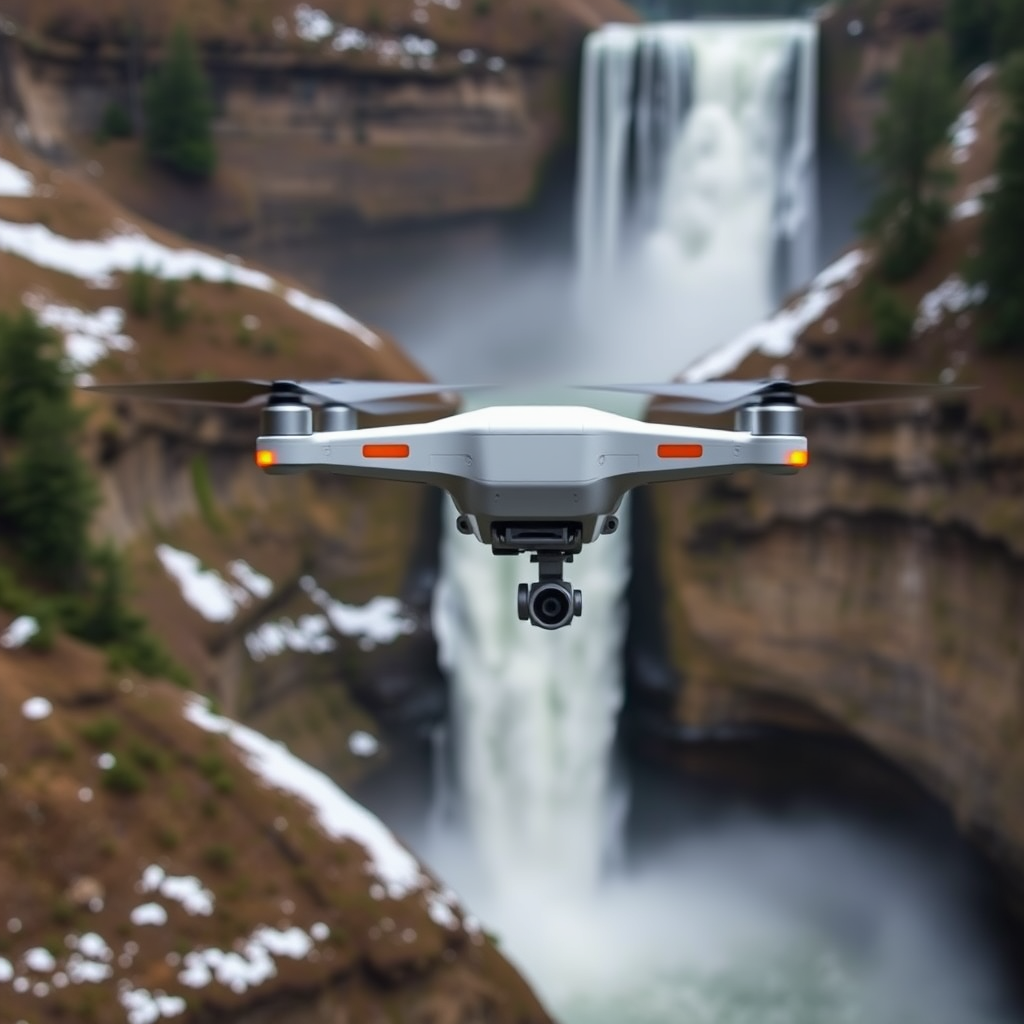
In addition to FAA regulations, Washington State has its own set of laws regarding drone usage, particularly in public spaces and parks. Some areas may have additional restrictions, especially those that are known for their natural beauty or are frequented by visitors. It is important for drone pilots to stay informed about both federal and state laws governing their use of UAVs (unmanned aerial vehicles). For instance, drones are generally prohibited from flying over state parks without explicit permission, which can affect your plans to capture stunning aerial footage of Snoqualmie Falls.
Snoqualmie Falls Park Rules
Snoqualmie Falls is not only a picturesque landmark but also a public park where visitors come to enjoy the natural splendor. However, regulations regarding drone flights in such public spaces can be stringent. The park management may impose restrictions on drone flying to ensure the safety and comfort of all visitors, as well as to protect local wildlife and their habitats.
Before flying your drone, it is crucial to look for any posted signs or announcements within the park that may indicate drone usage restrictions. Often, park authorities will provide clear guidelines regarding where and when drones may be flown. For instance, certain areas may be designated as no-fly zones due to the presence of wildlife or to maintain the tranquility of the setting. Failing to adhere to these regulations can result in fines or even the confiscation of your drone.
Permissions and Permits
If you plan to use your drone for commercial purposes—such as for photography services or promotional videos—you may need to obtain a special permit from the relevant authorities. Commercial drone operations typically require additional licensing and adherence to stricter regulations, including filing a Notice of Intent to Fly. In Washington State, this often involves submitting documentation to the FAA as well as any local governing bodies overseeing public lands.
For recreational flyers, while permits may not typically be required, it is still prudent to verify whether you need any specific permissions before launching your drone at Snoqualmie Falls. Local regulations can vary, and it’s always best to check the official Snoqualmie Falls Park website or contact park management directly for the most accurate and up-to-date information regarding drone use.
Safety Considerations
Safety should be the top priority for any drone operator. Maintaining a safe distance from people, wildlife, and natural features is essential to prevent accidents and ensure a positive experience for all. When flying your drone, avoid crowded areas where people are gathered. This not only protects the safety of others but also aligns with FAA regulations that require operators to avoid flying over people without proper waivers.
Furthermore, be mindful of the weather conditions, as factors such as high winds or inclement weather can greatly affect a drone’s stability and performance. Snoqualmie Falls can experience sudden weather changes; thus, it is crucial to check the forecast before you fly. If conditions are not optimal, it may be best to delay your flight to ensure the safety of your drone and those around you.
Best Practices for Flying Drones
To ensure compliance with FAA regulations while maximizing the quality of your drone photography, follow these best practices. Firstly, keep your drone below 400 feet, which is not only a legal requirement but also helps to minimize potential conflicts with manned aircraft. Secondly, aim to fly your drone during times when the park is less crowded, such as early morning or late afternoon, to avoid unnecessary interactions with other visitors.
Additionally, it is essential to respect the privacy of others. Avoid flying your drone over private property or capturing images of individuals without their consent, as this can lead to legal issues and violate privacy rights. Always act professionally and courteously while operating your drone, as responsible flying contributes to positive perceptions of drone use in public spaces.
Alternatives to Flying a Drone
If navigating the regulations of flying a drone at Snoqualmie Falls seems daunting, consider alternative methods for capturing the stunning beauty of the area. A high-quality camera with a zoom lens can provide excellent results without the complexities associated with drone regulations. This approach allows you to take breathtaking photographs from various vantage points around the falls without the need for special permissions.
Additionally, many local photography tours offer guided experiences that can help you capture the beauty of Snoqualmie Falls without the hassle of flying a drone. These tours often provide insights into the best angles and lighting conditions, enhancing your photography experience while ensuring you remain compliant with park regulations.
In summary, while flying a drone at Snoqualmie Falls is possible, it comes with specific regulations and responsibilities. Understanding the applicable laws, acquiring necessary permits, and following best safety practices are essential for a rewarding drone experience. Alternatively, consider traditional photography methods or guided tours to enjoy the beauty of this remarkable site. Always stay informed about local laws and practice safe flying to make the most of your experience.
Frequently Asked Questions
Can you legally fly a drone at Snoqualmie Falls?
Flying a drone at Snoqualmie Falls is restricted under local regulations. The area is part of the Washington State Parks system, which prohibits drone use without a special permit. To ensure compliance and avoid fines, it’s essential to check the latest regulations from the Washington State Parks website or contact park officials for updated guidelines on drone usage.
What are the best practices for flying a drone in natural parks like Snoqualmie Falls?
When flying a drone in natural parks, always prioritize safety and respect for wildlife. Best practices include keeping a safe distance from people and animals, avoiding flight during peak visitor hours, and maintaining visual line of sight with your drone. Additionally, familiarize yourself with no-fly zones and always adhere to the FAA regulations regarding drone flight.
Why is drone flying prohibited at Snoqualmie Falls?
Drone flying is prohibited at Snoqualmie Falls primarily to protect the natural environment and ensure visitor safety. Drones can disturb wildlife, disrupt the serene experience for other visitors, and pose safety hazards. The regulations are in place to preserve the park’s natural beauty and promote a peaceful atmosphere for all guests.
How can I get permission to fly a drone at Snoqualmie Falls?
To obtain permission to fly a drone at Snoqualmie Falls, you will need to apply for a special use permit from the Washington State Parks. This process typically involves submitting an application detailing your intended use, safety measures, and the specific dates of your drone flight. It’s advisable to apply well in advance, as approval can take time and is not guaranteed.
Which alternatives are available for capturing aerial views of Snoqualmie Falls without a drone?
If you can’t fly a drone at Snoqualmie Falls, consider alternatives like hiring a professional photographer who specializes in aerial photography, or using a camera with a high-quality zoom lens from viewpoints around the park. Additionally, many scenic viewing areas provide stunning perspectives of the falls that can be captured beautifully without needing a drone.
References
- https://www.wta.org/go-hiking/hikes/snoqualmie-falls
- https://www.dronelife.com/2021/11/22/drone-regulations-in-washington-state/
- https://www.seattle.gov/transportation/projects-and-programs/programs/transportation-safety/drone-use
- https://www.washington.edu/uwpress/books/9780295748598/
- https://www.faa.gov/uas/getting_started/part_107/
- https://www.nps.gov/articles/drone-use-in-national-parks.htm
- https://www.kirklandwa.gov/Government/Departments/Planning/Drone_Usage.htm
