

Yes, you can fly a drone at the beach, but there are important regulations and safety considerations to keep in mind. Flying a drone in these picturesque settings can yield stunning aerial photography and exhilarating experiences, but it requires understanding local laws and being mindful of safety protocols. This article will guide you through the key factors to ensure a safe and enjoyable flying experience while capturing the beauty of coastal landscapes.
Understanding Local Regulations
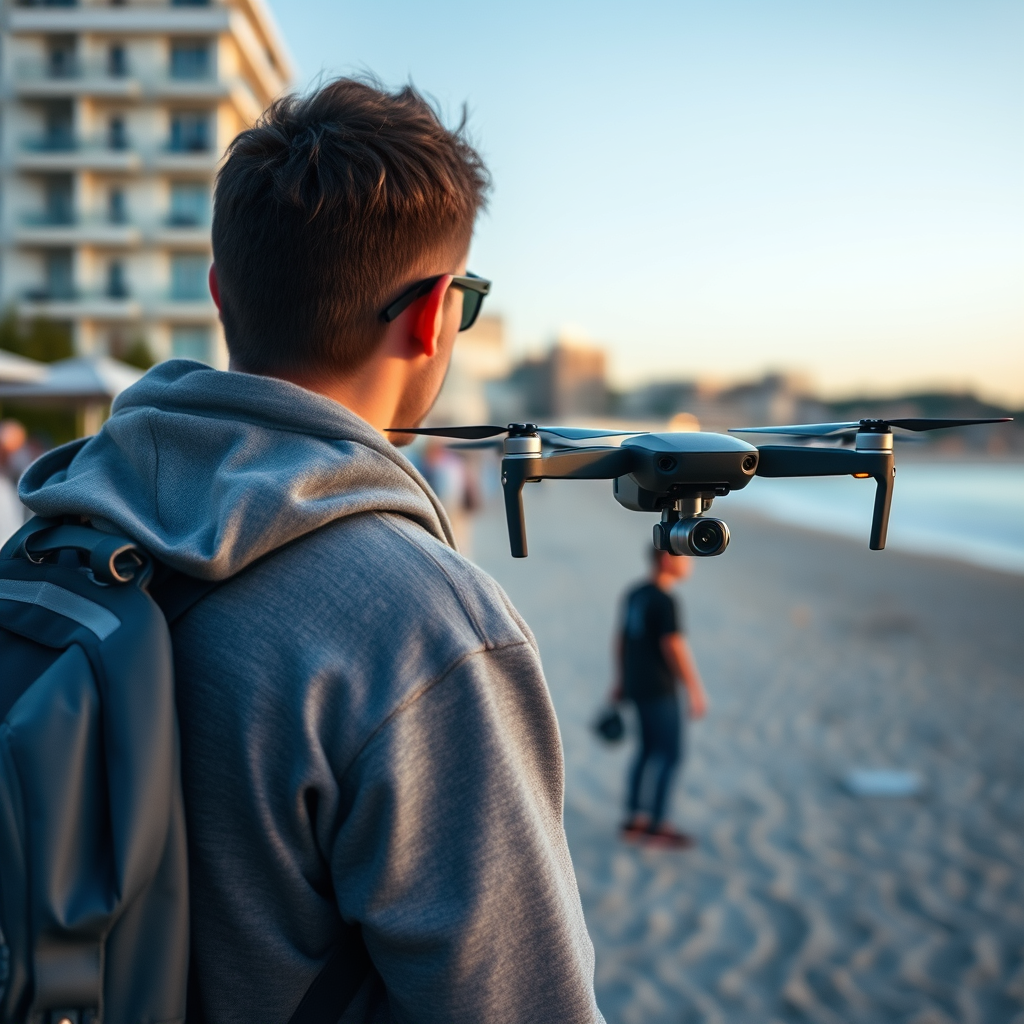
Before embarking on your drone-flying adventure at the beach, it is imperative to familiarize yourself with local regulations governing drone use. Many coastal regions impose specific laws, which can vary significantly from one location to another. For instance, some beaches may have designated no-fly zones, particularly in proximity to wildlife reserves or crowded areas.
In the United States, the Federal Aviation Administration (FAA) mandates that drone pilots adhere to specific guidelines, including maintaining a visual line of sight with the drone and flying below 400 feet. However, local authorities may impose additional restrictions, such as permitting drone flights only during certain hours or requiring permits for commercial use. Thus, it is wise to check with local government websites or the beach management to ensure compliance with all regulations. Being aware of these laws not only keeps you on the right side of the law but also contributes to a safer environment for all beachgoers.
Safety Considerations
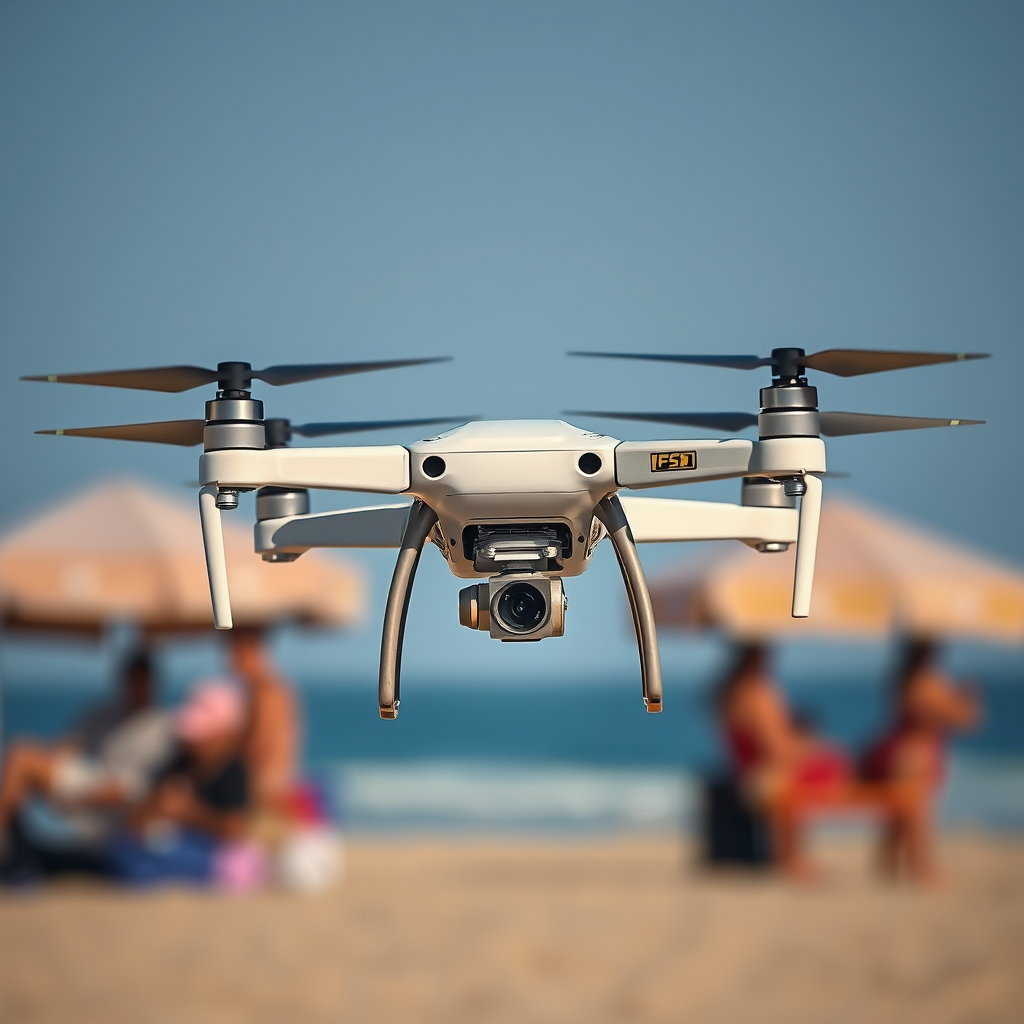
Safety is paramount when flying a drone, especially at a busy location like the beach. One of the primary concerns is the presence of people and wildlife. To avoid accidents, be vigilant about your surroundings and ensure that you maintain a safe distance from individuals and groups. The last thing you want is to inadvertently cause harm or disrupt someone’s relaxing day at the beach.
Additionally, consider environmental factors such as wind conditions and potential hazards like water and sand. Beaches are often windy, which can affect drone stability and control. Always check the weather forecast and assess wind speeds before taking off. Moreover, be cautious of the proximity to water; drones can easily be knocked down by gusts or crash into waves, leading to potential loss or damage. Sand can also damage drone components, so it is crucial to fly from a stable, clean area away from the shoreline.
Best Practices for Flying Drones at the Beach
To ensure a successful and safe drone experience, it is essential to adopt best practices. First and foremost, maintain a safe distance from both the water and crowds. A good rule of thumb is to fly at least 100 feet away from people and avoid flying directly over them. This not only adheres to safety guidelines but also respects the privacy of other beachgoers.
Utilizing your drone’s built-in features can enhance safety. Many modern drones are equipped with GPS and return-to-home functions, which allow the drone to automatically return to its takeoff point if it loses signal or encounters low battery power. Familiarize yourself with these features before flying to ensure you can leverage them effectively. Additionally, performing a pre-flight check to ensure your drone is in good working condition is crucial, including checking battery levels, propeller integrity, and firmware updates.
Popular Beach Locations for Drone Flying
When planning your drone-flying excursion, it is beneficial to research beaches known for being drone-friendly. Certain locations may have established guidelines that facilitate a more enjoyable experience. For example, places like South Padre Island in Texas and the Outer Banks in North Carolina have been recognized for their openness to drone enthusiasts, often featuring wide open spaces and minimal restrictions.
Look for beaches that are less crowded, especially during off-peak hours, as this allows for greater freedom and enjoyment while flying. Beaches with wide expanses of sand and fewer obstructions make ideal locations for capturing stunning aerial shots and provide ample space for safe takeoff and landing. Always check local regulations beforehand, as some beaches might require permits or have designated flying zones.
Tips for Capturing Great Beach Shots
To make the most of your drone flights, timing and technique are critical for capturing breathtaking beach shots. Flying during the golden hour—shortly after sunrise or before sunset—can dramatically enhance the quality of your photos. The warm, soft light during these times creates stunning visuals that can elevate your photography to new heights.
Moreover, experimenting with various angles and heights can yield unique perspectives of the beach and surrounding landscapes. Consider flying low to the water for dynamic shots of waves lapping at the shore, or ascending to capture panoramic views that showcase the vastness of the coastline. Utilizing your drone’s camera settings, such as adjusting exposure and shutter speed, can also make a significant difference in the quality of your shots.
Equipment and Accessories to Consider
To enhance your drone-flying experience at the beach, it is advisable to invest in specific equipment and accessories. One essential item is propeller guards, which help protect your drone from potential damage caused by sand or water during takeoff and landing. These guards can be particularly useful in preventing mishaps when flying in sandy environments.
Additionally, consider using a waterproof case for your drone, especially if you plan to fly near the water. This can provide extra protection against accidental splashes or crashes into the surf. Other accessories, such as extra batteries and memory cards, can be beneficial as well, ensuring you have ample power and storage for capturing all your beach adventures.
Flying a drone at the beach can be a rewarding experience if done responsibly. Always check regulations, prioritize safety, and capture the beauty of your surroundings. By understanding local laws, being mindful of the environment, and utilizing best practices, you can enjoy the thrill of drone flying while also respecting the beach community. Happy flying!
Frequently Asked Questions
What are the regulations for flying a drone at the beach?
Regulations for flying a drone at the beach can vary by location, so it’s essential to check local laws before you launch. Many beaches fall under federal, state, or local jurisdiction, which may impose restrictions on drone use for safety and privacy reasons. Additionally, areas near airports or national parks often have stricter rules. Always consult the FAA guidelines and any local ordinances to ensure compliance and avoid fines.
How can I safely fly my drone at the beach without disturbing others?
To fly your drone safely at the beach, choose times when the area is less crowded and maintain a respectful distance from people, pets, and wildlife. Use a “spotter” to help monitor your surroundings and avoid obstacles. Also, keep your drone within line-of-sight and adhere to the recommended altitude limits. By being considerate of others and following safety protocols, you can enjoy your flying experience without causing disruption.
Why is it important to check the weather before flying a drone at the beach?
Checking the weather is crucial before flying a drone at the beach because beach conditions can change rapidly, affecting both drone performance and safety. Windy conditions, sudden rain, or fog can impair visibility and control, making it difficult to operate your drone effectively. Additionally, strong gusts can cause drones to drift or crash. Always assess wind speeds and precipitation forecasts to ensure a safe flying experience.
What is the best time of day to fly a drone at the beach?
The best time of day to fly a drone at the beach is typically early morning or late afternoon when the winds are calmer, and the lighting is favorable for photography. During these times, you are likely to avoid heavy crowds, allowing for a more enjoyable flying experience. Additionally, the golden hour just before sunset provides stunning visuals for aerial photography and videography.
Which drone models are best suited for flying at the beach?
When choosing a drone for beach flying, it’s best to look for models that are lightweight, have good wind resistance, and offer features like GPS stabilization. Popular options include the DJI Mini 2 and the DJI Air 2S, known for their portability and excellent camera quality. Additionally, consider drones with water-resistant features to protect against sand and saltwater, which can be detrimental to electronic components.
References
- https://www.faa.gov/uas/getting_started/remote_pilot/
- https://www.nps.gov/articles/drone-use-in-national-parks.htm
- https://www.nationalgeographic.com/science/article/drone-flying-rules-regulations
- https://www.abc.net.au/news/2020-10-24/drone-use-at-beaches-and-parks-rules-and-regulations/12808946
- https://www.dronepilotgroundschool.com/drone-laws-flying-at-the-beach/
