

Yes, you can fly a drone at the Bonneville Salt Flats, but there are specific regulations and considerations to keep in mind. This unique landscape offers stunning views and ample space for drone enthusiasts, but understanding the local rules and best practices is essential for a safe and enjoyable experience. The Bonneville Salt Flats, known for their expansive white crust and panoramic vistas, provide an extraordinary backdrop for aerial photography and videography. However, to ensure a responsible and fulfilling drone-flying experience, it is imperative to familiarize yourself with the local regulations, optimal flying times, safety precautions, and best practices for capturing impressive footage.
Understanding Local Regulations
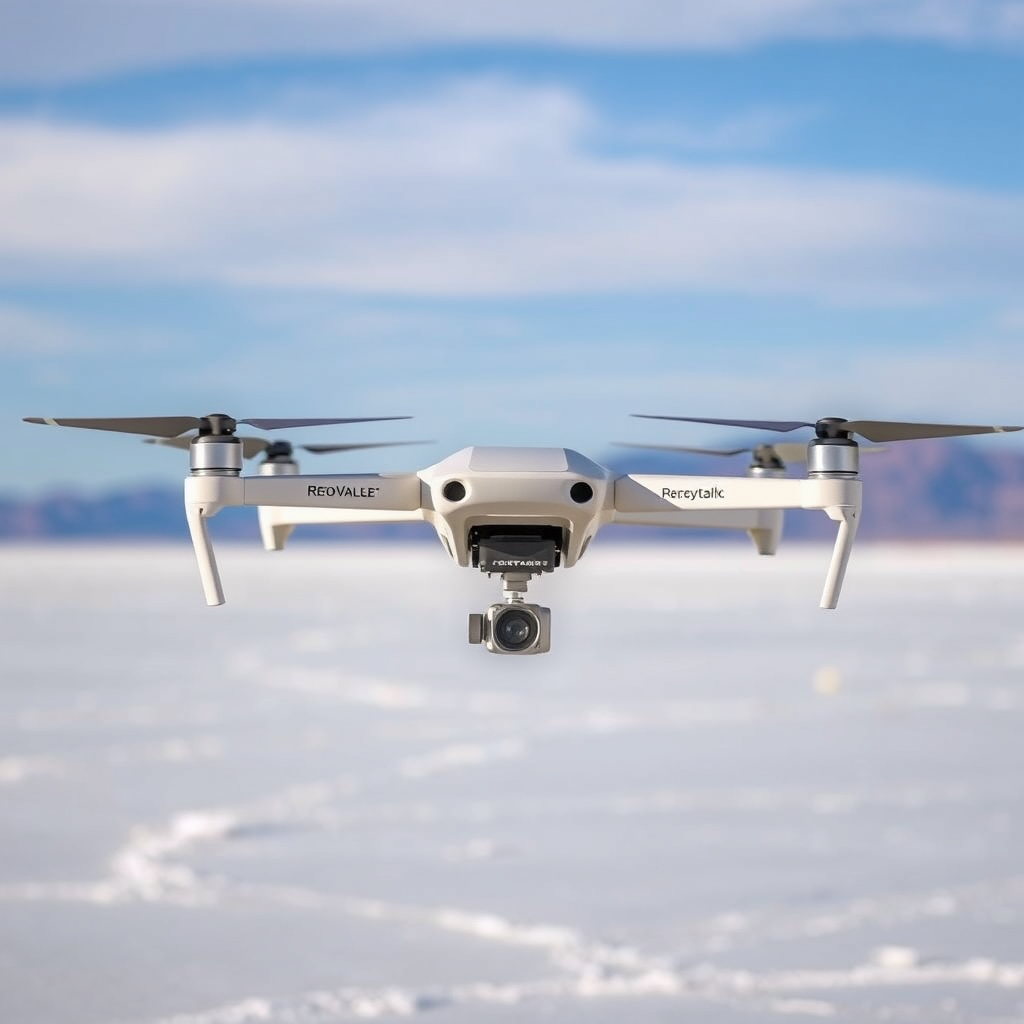
The Bonneville Salt Flats are located in Utah, which has specific drone laws that must be adhered to by all pilots. The Federal Aviation Administration (FAA) governs drone operations across the United States, and this includes altitude limits, airspace restrictions, and registration requirements. For recreational drone pilots, it is crucial to maintain a maximum altitude of 400 feet above ground level and to avoid flying near airports or restricted areas. The Bonneville Salt Flats are typically classified as Class G airspace, which allows for more flexibility, but it’s essential to remain vigilant about any temporary flight restrictions that may apply, particularly during events or high-traffic times.

In addition to FAA regulations, local laws may impose additional restrictions. Always check with the Bureau of Land Management (BLM) or local authorities for any specific guidelines related to drone use in the Salt Flats area. It is also advisable to have your drone registered with the FAA if it weighs more than 0.55 pounds, as this is a legal requirement.
Best Times to Fly
Timing is critical when planning a drone flight at the Bonneville Salt Flats. Early mornings and late afternoons are considered the best times to fly, particularly for photography, as the lighting is softer and more flattering, creating vibrant colors and shadows that enhance the landscape’s beauty. The golden hour—shortly after sunrise and before sunset—provides optimal conditions for capturing striking images.
Weather conditions can change rapidly in this region, so checking forecasts is crucial before heading out. Be prepared for strong winds, especially in the afternoon, as they can make flying difficult and jeopardize your drone’s stability. Planning your visit during the spring or fall can also yield more temperate conditions, reducing the likelihood of extreme heat or cold that could affect your drone and battery life.
Safety Considerations
Safety is paramount when flying a drone, particularly in an area like the Bonneville Salt Flats, which attracts many visitors for recreational activities. It is essential to remain aware of other people in the vicinity, ensuring that you do not pose a risk to their safety or enjoyment. This is especially important during peak tourist seasons when the salt flats can be crowded with photographers, families, and motorsport enthusiasts.
Wildlife is another consideration; while the flats are largely barren, it’s essential to respect any local fauna and refrain from flying too close to any nesting sites or habitats. Furthermore, maintaining a safe distance from the salt crust is important to avoid damaging both your drone and the fragile environment. The salt crust is delicate and can be easily disrupted, which may harm the ecosystem and alter the landscape.
Ideal Locations for Drone Photography
The Bonneville Salt Flats are renowned for their vast, unbroken expanses, making them an idyllic location for drone photography. To capture the best panoramic shots, seek areas with minimal obstructions, allowing for uninterrupted views of the horizon. Popular spots include the west side of the flats, where the salt crust is particularly flat and expansive, providing an excellent platform for aerial shots.
Additionally, unique geological features such as the remnants of the ancient Lake Bonneville or the distant mountains can serve as captivating focal points for your images. When planning your flight path, consider using landmarks or specific points of interest to create visually appealing compositions that highlight the dramatic contrasts of the landscape.
Tips for Capturing Stunning Footage
Capturing stunning footage with your drone requires a mix of technical skill and creativity. One effective way to elevate your drone shots is by utilizing filters. Polarizing filters can enhance colors and reduce glare from the salt surface, resulting in richer images that capture the beauty of the landscape. ND (neutral density) filters are also useful for managing exposure, especially during bright daylight, allowing for smoother video footage and more controlled photographic results.
Experimenting with different angles and altitudes can also lead to dynamic footage. Try capturing wide shots to showcase the vastness of the salt flats, and then switch to lower, close-up shots to emphasize texture and detail in the salt crust. Incorporating movement, such as panning or tracking shots, can add depth and interest to your videos, making them more engaging for viewers.
Respecting Nature and Preservation
As a responsible drone operator, it is essential to respect the natural environment and contribute to the preservation of the Bonneville Salt Flats. Following the principle of “leave no trace” is vital; this means packing out all trash, avoiding littering, and minimizing your impact on the surroundings. The delicate ecosystem of the salt flats can be easily disrupted, so it is crucial to avoid disturbing wildlife and to stay on established paths whenever possible.
Additionally, familiarize yourself with local guidelines for drone use in delicate environments. The BLM has made efforts to protect the natural landscapes and ecosystems, and adhering to these guidelines not only ensures the preservation of the salt flats but also promotes responsible recreational use for future generations.
In conclusion, flying a drone at the Bonneville Salt Flats can be a rewarding experience if you adhere to regulations and respect the environment. By understanding local laws, selecting the best times to fly, prioritizing safety, and employing effective techniques for capturing footage, you can create breathtaking visuals that showcase the unique beauty of this remarkable location. Plan your visit carefully, and you’ll leave with stunning memories and footage of one of nature’s most extraordinary landscapes.
Frequently Asked Questions
Can you fly a drone at the Bonneville Salt Flats?
Yes, you can fly a drone at the Bonneville Salt Flats, but there are regulations to consider. The area is under the jurisdiction of the Bureau of Land Management (BLM), and you must adhere to federal drone regulations as well as any specific local guidelines. It’s important to check for any temporary flight restrictions or special events that may affect drone operations in the area.
What are the drone regulations at Bonneville Salt Flats?
Drone regulations at the Bonneville Salt Flats require pilots to follow the Federal Aviation Administration (FAA) rules, which include flying below 400 feet, maintaining visual line of sight, and avoiding flying over crowds or near airports. Additionally, as it’s a popular area for racing and events, always check for any special notices or restrictions that might be in effect during your visit.
What is the best time to fly a drone at the Bonneville Salt Flats?
The best time to fly a drone at the Bonneville Salt Flats is typically during the early morning or late afternoon when the light is softer and the winds are calmer. These times not only provide better lighting for photography and videography but also minimize the chances of strong gusts that can affect drone stability. Additionally, visiting during the shoulder seasons of spring and fall can help you avoid extreme heat and crowds.
How do I prepare my drone for flying at the Bonneville Salt Flats?
To prepare your drone for flying at the Bonneville Salt Flats, ensure that your equipment is in good working order by checking battery levels, firmware updates, and propeller conditions. Bring spare batteries and memory cards, as the expansive landscape offers great opportunities for extended flying and capturing stunning footage. Familiarize yourself with the area’s layout and potential hazards, such as salt crusts and wildlife.
Why is the Bonneville Salt Flats a popular location for drone flying?
The Bonneville Salt Flats is a popular location for drone flying due to its vast, open spaces and unique landscape, which creates stunning visual backdrops for aerial photography and videography. The flat, reflective surface of the salt flats can produce breathtaking images, especially during sunrise and sunset. Additionally, the area often has minimal obstructions and wide visibility, making it an ideal spot for drone enthusiasts to explore and capture high-quality footage.
References
- https://en.wikipedia.org/wiki/Bonneville_Salt_Flats
- https://www.faa.gov/uas/
- https://www.blm.gov/programs/recreation/areas/utah/bonneville-salt-flats
- https://www.utah.gov/
- https://www.nps.gov/articles/drone-use-in-national-parks.htm
- https://www.saltlakecity.gov/
- https://www.faa.gov/uas/resources/pubs/
- https://www.dronepilotgroundschool.com/drone-laws-by-state/utah-drone-laws/
