
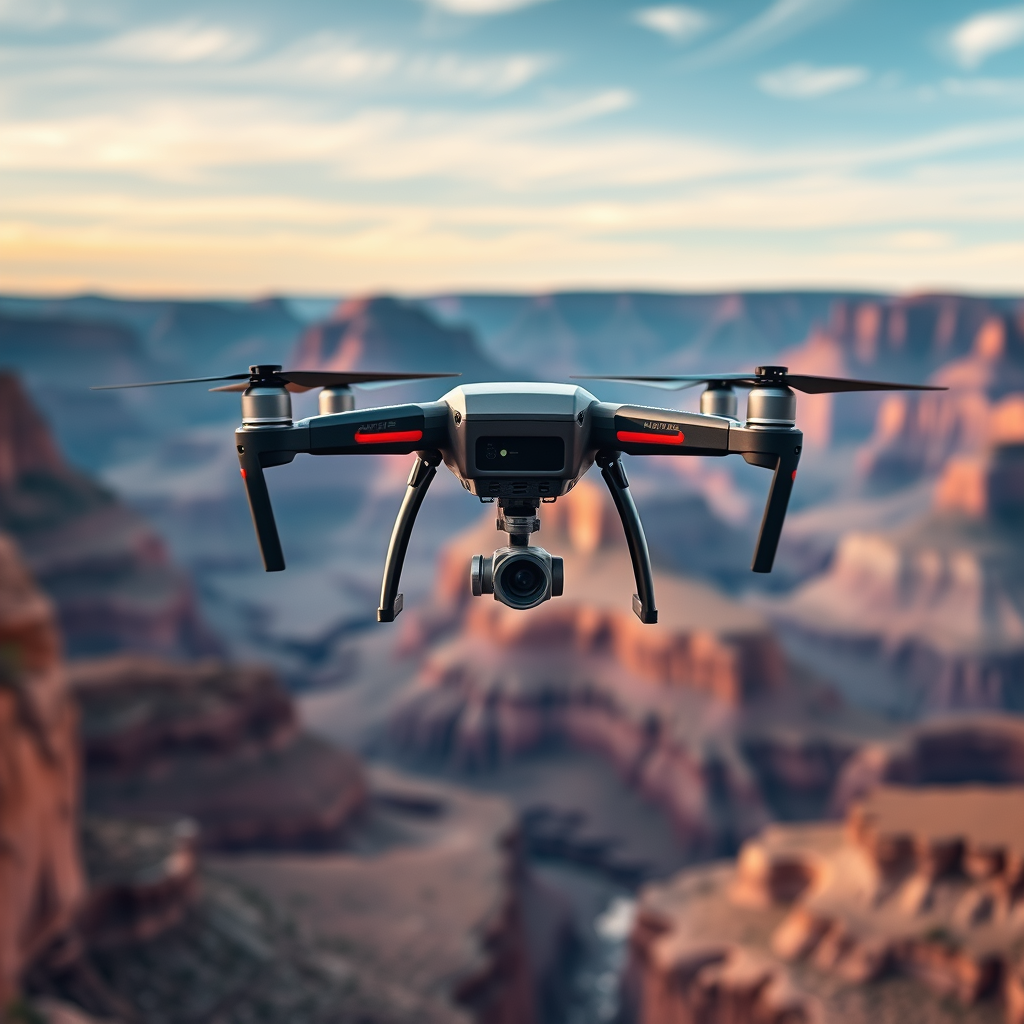
Yes, you can fly a drone at the Grand Canyon, but there are strict regulations and guidelines you must follow. The Grand Canyon National Park, renowned for its stunning vistas and natural beauty, has implemented specific rules to protect both its wildlife and the experiences of visitors. Understanding these regulations is essential for safe and lawful drone operation, allowing enthusiasts to capture the park’s breathtaking landscapes without compromising safety or environmental integrity.
Overview of Drone Regulations at the Grand Canyon
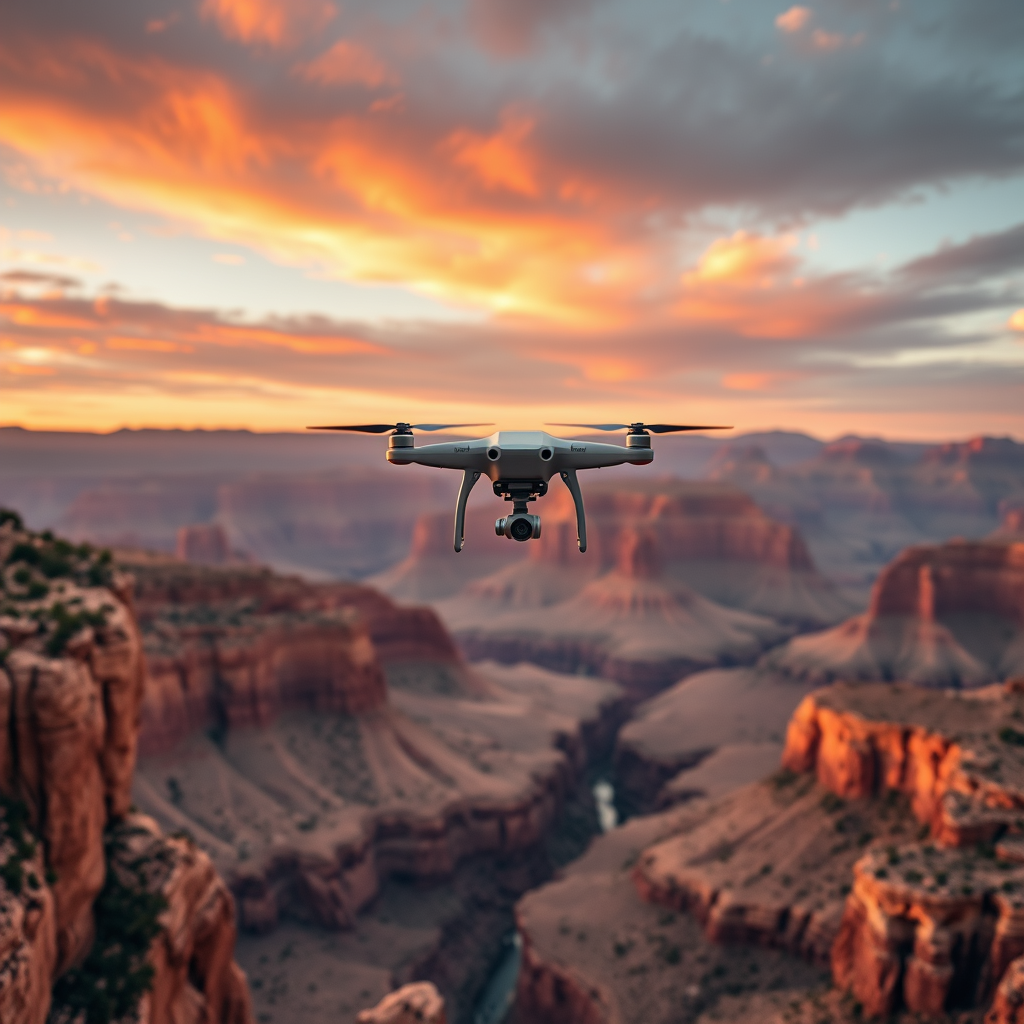
The Grand Canyon National Park has established comprehensive drone regulations that significantly restrict where and how drones can be operated within its boundaries. The National Park Service (NPS) prohibits the use of drones in almost all areas of the park. This prohibition is in place primarily to safeguard the natural environment, wildlife habitats, and the overall visitor experience, which can be disrupted by the noise and presence of drones.
In recent years, there has been an increase in drone usage in national parks, leading the NPS to enforce stricter regulations to mitigate risks associated with wildlife disturbances and potential accidents. Visitors are encouraged to respect these regulations not only for their own safety but also to preserve the park for future generations.
Areas Where Drone Flying is Allowed
While drone flying is largely restricted within the Grand Canyon National Park itself, there are limited zones where drone flights may be permitted. These areas are typically designated outside the park boundaries, where fewer regulations apply. For instance, certain locations in the surrounding Coconino National Forest may provide opportunities for drone use, though users should remain vigilant about local guidelines and restrictions.
Before planning a drone flight, it is critical to conduct thorough research on specific areas and their regulations. The Grand Canyon area is vast, and drone enthusiasts should consider alternative locations that allow for safe and lawful operation. Always check for updated information from local authorities to ensure compliance with any applicable laws.
Required Permits and Permissions
For commercial drone operators, obtaining the necessary permits from the National Park Service is a crucial step before flying their drones in or near the Grand Canyon. The application process typically involves submitting a proposal that outlines the intended use of the drone, safety measures, and how the operation will not interfere with park visitors or wildlife.
Recreational drone flyers are also encouraged to familiarize themselves with the potential need for notifications or permissions, although the requirements may be less stringent than those for commercial operators. Regardless of your purpose for flying a drone, it’s advisable to contact the NPS for the most current guidelines and to ensure that you adhere to all necessary protocols.
Safety Considerations for Drone Use
Safety is a paramount concern when operating drones, particularly in natural environments like the Grand Canyon. Drone operators must maintain a safe distance from wildlife, which can be easily startled by the presence of drones. The NPS emphasizes the importance of preserving wildlife and minimizing disturbances, as many species are sensitive to human activities, including drone flights.
Additionally, drone operators should adhere to Federal Aviation Administration (FAA) guidelines, which include restrictions on altitude and flight paths. For instance, drones should not exceed an altitude of 400 feet in uncontrolled airspace, and operators must always maintain a visual line of sight with their drones. Following these safety guidelines not only protects wildlife and park visitors but also enhances the overall flying experience.
Consequences of Violating Drone Regulations
Violating drone regulations at the Grand Canyon can result in severe consequences, including hefty fines and penalties. The NPS takes unauthorized drone flights seriously, and those caught operating drones in restricted areas may face significant financial repercussions. In some cases, authorities may also confiscate drones that are being operated illegally.
The consequences extend beyond financial penalties; violating these regulations can also lead to a loss of privileges for future drone flying, impacting not just the individual operator but also the broader drone community. Respecting the established rules is essential to foster a positive relationship between drone enthusiasts and national park authorities.
Resources for Drone Enthusiasts
For those interested in flying drones at the Grand Canyon, several resources can provide valuable information. The official Grand Canyon National Park website is an excellent starting point for the latest updates on drone policies, regulations, and any changes to the law. Additionally, the FAA’s website contains essential guidelines concerning drone operation, including safety protocols and airspace regulations.
Local drone user groups and forums can also serve as a resource for sharing experiences and advice. Engaging with other drone enthusiasts can provide insights on the best practices for flying responsibly and legally.
In conclusion, while flying a drone at the Grand Canyon is possible under specific conditions, it’s crucial to familiarize yourself with the regulations and safety measures in place. By understanding the limitations and requirements set forth by the National Park Service and adhering to FAA guidelines, drone enthusiasts can ensure a safe and enjoyable experience while respecting the park’s natural beauty and preserving it for future generations. Always prioritize compliance and environmental stewardship when exploring the stunning landscapes that the Grand Canyon has to offer.
Frequently Asked Questions
Can you fly a drone at the Grand Canyon National Park?
No, flying a drone is prohibited at Grand Canyon National Park. The National Park Service has strict regulations in place to protect the park’s natural beauty and wildlife. Drones can disturb the park’s serenity and pose risks to other visitors, which is why they are banned throughout the park and in most national parks across the United States.
What are the penalties for flying a drone in the Grand Canyon?
If you are caught flying a drone in the Grand Canyon, you could face significant fines and legal repercussions. Penalties can vary, but they may include fines up to $5,000 for individuals and $10,000 for organizations, depending on the severity of the violation. Additionally, your drone may be confiscated, and you could be banned from returning to the park.
Are there any locations near the Grand Canyon where I can legally fly my drone?
Yes, there are several areas near the Grand Canyon where drone flying is allowed, provided you adhere to FAA regulations and local laws. For instance, some parts of the Kaibab National Forest and certain state lands may permit drone usage, but it’s essential to check specific regulations for those areas before flying. Always ensure that you’re flying responsibly, keeping a safe distance from wildlife and other people.
Why are drones not allowed in national parks like the Grand Canyon?
Drones are prohibited in national parks like the Grand Canyon primarily to preserve the natural environment and ensure visitor safety. The noise and disruptions caused by drones can negatively impact wildlife and the overall experience of park-goers seeking tranquility and connection with nature. Furthermore, drones can pose safety risks if they collide with people or aircraft, especially given the park’s proximity to air traffic.
What should I know before visiting the Grand Canyon if I want to capture aerial footage?
If you’re looking to capture aerial footage of the Grand Canyon, consider using traditional photography methods such as hiring a helicopter tour or booking a hot air balloon ride, both of which offer stunning views legally and safely. Make sure to check the specific regulations and guidelines for any commercial photography or filming permits if you’re planning a professional shoot. Always respect the park’s rules to help preserve its beauty for future generations.
References
- https://www.nps.gov/grca/planyourvisit/drone-use.htm
- https://www.faa.gov/uas/getting_started/
- https://www.nps.gov/subjects/transportation/drone-regulations.htm
- https://www.grandcanyon.com/drone-regulations/
- https://www.wired.com/story/drone-regulations-national-parks/
- https://www.faa.gov/uas/resources/policy_library/
- https://www.nps.gov/subjects/transportation/drone-use-in-national-parks.htm
