

Yes, you can fly a drone, but there are important considerations to keep in mind, including legal requirements, safety practices, and operational skills. Understanding these elements is crucial for a responsible and enjoyable flying experience. In this article, we will delve into the essential guidelines and tips to help you navigate the world of drone flying effectively.
Understanding Drone Regulations
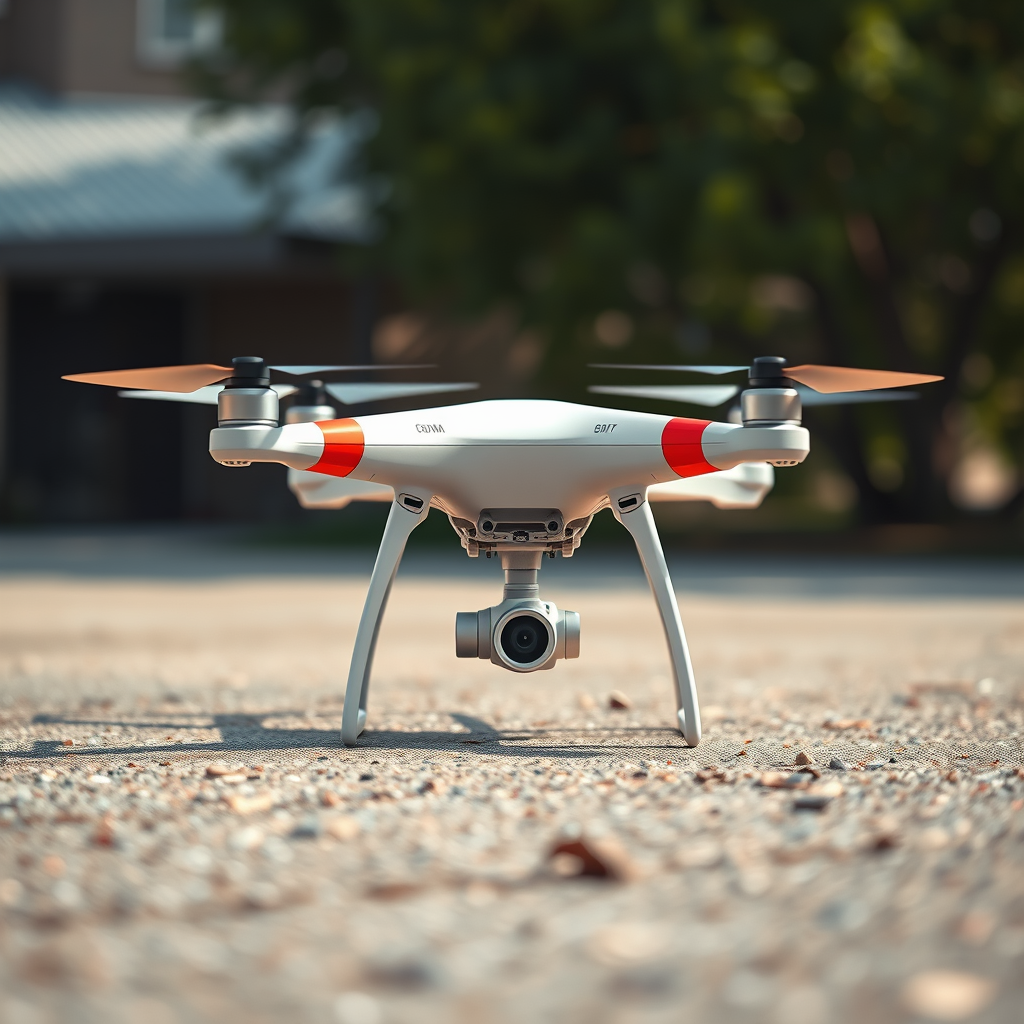
Before you take to the skies, it is vital to familiarize yourself with local laws and regulations governing drone use. Each country has its own set of rules, which can vary significantly. In the United States, for instance, the Federal Aviation Administration (FAA) regulates drone operations, requiring registration for drones that weigh over 0.55 pounds. In many regions, you must also adhere to specific altitude restrictions, no-fly zones, and privacy laws, which may prohibit flying over populated areas or private property without permission.
To ensure compliance, it is advisable to check the aviation authority in your country. For example, in Europe, the European Union Aviation Safety Agency (EASA) oversees drone regulation, which can include mandatory pilot licensing for certain categories of drone operations. By understanding these regulations, you not only protect yourself from potential fines and legal issues but also contribute to the overall safety of the airspace.
Choosing the Right Drone
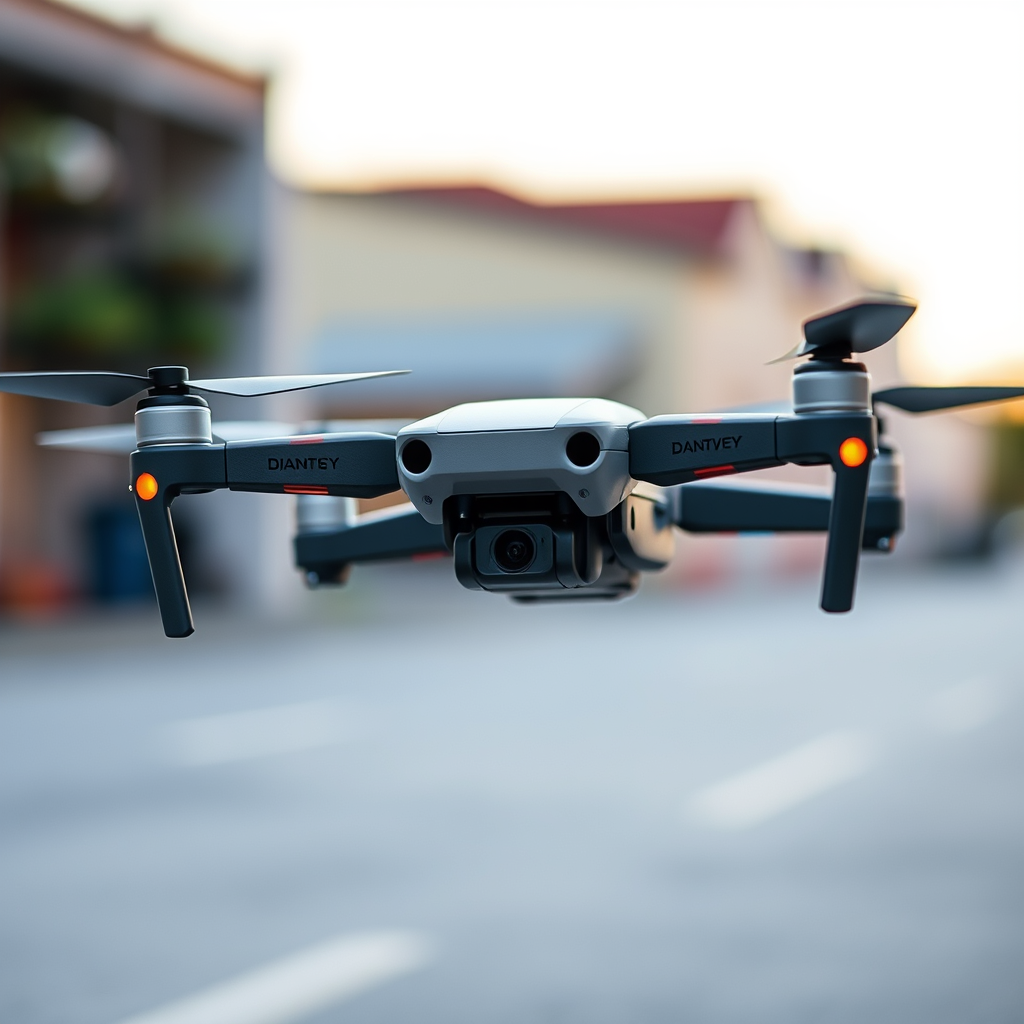
Selecting the appropriate drone is critical, especially considering your experience level. If you are a beginner, it may be prudent to start with a toy or entry-level drone that is easy to operate and less expensive. These models often come with features like altitude hold and one-key takeoff/landing, which can simplify the learning process.
For more advanced users or those interested in specific applications such as aerial photography, choosing a drone with high-end features is essential. Consider aspects like camera quality (e.g., 4K resolution for stunning imagery), flight time (typically between 20 to 30 minutes), and range (the distance you can fly from the controller). Drones like the DJI Mavic Air 2 provide an excellent balance between performance and ease of use, making them suitable for both beginners and experienced users alike.
Safety Practices for Drone Flying
Safety should always be a top priority when operating a drone. Conducting a pre-flight check is essential to ensure your drone is in good working condition. This includes checking the battery levels, ensuring all propellers are secure, and verifying that there are no visible damages. It is also advisable to calibrate the drone before each flight, especially if you have traveled a significant distance since your last flight.
Maintaining a safe distance from people, animals, and restricted areas is also paramount. The FAA recommends keeping your drone within visual line of sight and at least 25 feet away from people and vehicles. Additionally, be aware of restricted areas such as airports, military bases, and national parks, where drone flying may be prohibited. Using apps or online maps designed to indicate no-fly zones can be incredibly helpful.
Essential Flying Techniques
To become proficient in drone flying, start with basic maneuvers. Familiarize yourself with the controls in a safe, open area free from obstacles. Begin with simple tasks like hovering, ascending, and descending. As you gain confidence, practice more advanced maneuvers, such as turns and flips, while gradually increasing the complexity of your flying environment.
One effective way to build your skills is to utilize flight simulators that can replicate the drone flying experience without the risk of crashing a real drone. Many drone manufacturers offer simulators specifically designed for their models, allowing you to practice in various scenarios. This will not only enhance your skills but also prepare you for real-world flying conditions.
Drone Maintenance and Care
Regular maintenance is crucial to ensure optimal performance and longevity of your drone. Start with routine inspections before and after each flight, checking for any signs of wear or damage. Clean the drone regularly, particularly the lenses and sensors, to maintain high-quality video and image capture.
Storing your drone correctly is equally important. Keep it in a safe, dry place to prevent moisture damage and consider investing in a protective case for transportation. Battery care is also vital; store batteries at a partial charge (around 40-60%) to extend their lifespan and always follow the manufacturer’s guidelines for charging and discharging.
Troubleshooting Common Issues
Even experienced drone pilots encounter problems from time to time. Familiarizing yourself with common issues can save you frustration and time. For instance, loss of signal may occur if you fly out of the controller’s range or if there are interference issues. Learning how to regain control and understand your drone’s failsafe features (such as automatic return-to-home) is crucial.
Battery issues can also arise, including rapid drainage or failure to hold a charge. Keeping an eye on battery health and replacing batteries when they show signs of decline will help avoid unexpected power loss during flights. Additionally, always ensure your drone’s firmware is updated to the latest version, as manufacturers often release updates that improve functionality and fix bugs.
Expanding Your Drone Skills
Once you’ve mastered the basics, consider expanding your skills into specialized areas such as aerial photography or drone racing. Aerial photography can open up new creative avenues, allowing you to capture stunning images from unique perspectives. Investing in a drone with a high-quality camera and learning post-processing techniques can enhance your ability to create breathtaking visuals.
Joining local drone clubs or online communities offers additional opportunities to connect with other enthusiasts. These platforms provide valuable resources, tips, and the chance to participate in events or competitions. Engaging with others in the drone community can inspire new ideas and improve your skills through shared experiences.
In conclusion, flying a drone is an exciting and rewarding activity, but it comes with responsibilities. By understanding regulations, practicing safety, and continuously improving your skills, you can enjoy a fulfilling drone flying experience. As you embark on your drone journey, remember to adhere to best practices and engage with the community to enhance your knowledge and enjoyment of this fascinating hobby. Happy flying!
Frequently Asked Questions
What are the legal requirements for flying a drone in the United States?
To legally fly a drone in the United States, you must adhere to the regulations set by the Federal Aviation Administration (FAA). This includes registering your drone if it weighs more than 0.55 pounds, obtaining a Remote Pilot Certificate if you plan to fly for commercial purposes, and following the rules for recreational flying, such as flying below 400 feet, keeping your drone within visual line of sight, and not flying near airports or crowded areas.
How do I choose the right drone for my needs?
Choosing the right drone depends on your intended use, budget, and skill level. For beginners, a lightweight, easy-to-fly drone with a decent camera is ideal. If you’re looking for professional photography or videography, consider a drone with advanced features like a 4K camera, long battery life, and GPS capabilities. Researching user reviews and comparing specifications can also help you find a drone that fits your specific needs.
Why is it important to conduct a pre-flight checklist before flying a drone?
Conducting a pre-flight checklist is crucial for ensuring safety and compliance while flying a drone. This process checks the drone’s battery level, calibration, and functionality of all components, reducing the risk of accidents or malfunctions during flight. Additionally, a thorough pre-flight inspection helps you assess environmental conditions, such as wind speed and weather, ensuring a safe flying experience.
Which areas are restricted for flying drones?
Restricted areas for flying drones typically include locations near airports, military bases, national parks, and populated urban areas. The FAA provides maps and resources to identify these no-fly zones. Additionally, certain states and municipalities may have specific drone regulations, so it’s essential to research local laws and guidelines before flying your drone to avoid fines or penalties.
What are the best practices for flying a drone safely?
To fly a drone safely, always maintain visual line of sight and avoid flying in adverse weather conditions or crowded areas. It’s also important to respect the privacy of others and not fly over private property without permission. Familiarizing yourself with the drone’s controls, practicing in open spaces, and staying informed about current regulations will enhance your flying experience while ensuring safety for yourself and others.
References
- https://en.wikipedia.org/wiki/Unmanned_aerial_vehicle
- https://www.faa.gov/uas
- https://www.nytimes.com/2020/01/03/business/drone-regulations.html
- https://www.nps.gov/articles/flying-drones-in-national-parks.htm
- https://www.itu.int/en/ITU-T/academia/Pages/drone.aspx
- https://www.sciencedirect.com/science/article/pii/S2212017317300497
- https://www.nationalgeographic.com/science/article/drones-are-changing-the-way-we-see-the-world
- https://www.theguardian.com/technology/2021/jul/06/drone-flying-rules-uk
- https://uavcoach.com/drone-flying-laws/
