

Yes, you can fly a drone from a boat, but there are several important considerations to keep in mind, including safety, regulations, and technical challenges. Flying a drone from a boat can provide a unique perspective and stunning aerial footage, but it is essential to navigate the complexities associated with this activity. In this article, we will explore the various aspects of flying a drone from a boat to ensure you have a successful and legally compliant experience.
Understanding the Regulations
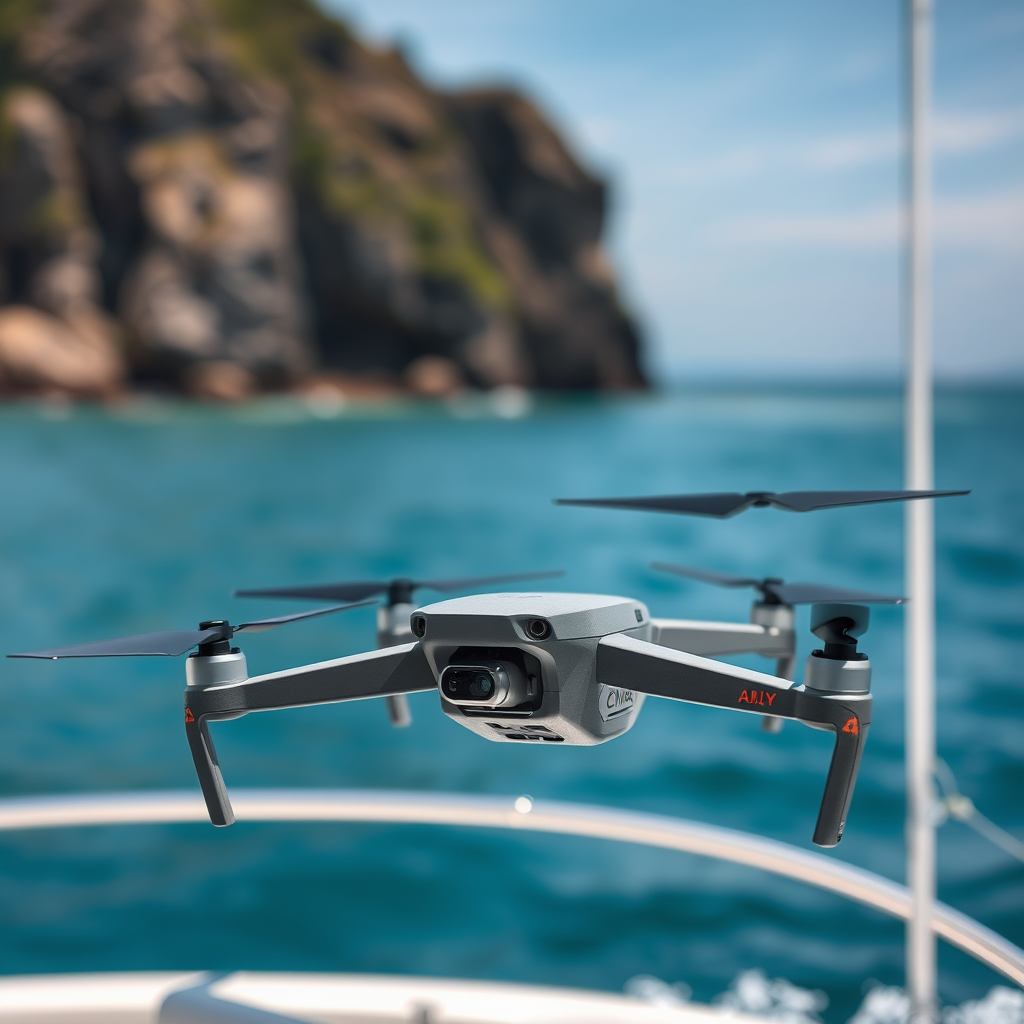
Before embarking on your drone-flying expedition from a boat, it’s critical to familiarize yourself with local laws and regulations. Different regions have varying rules regarding drone usage, especially in maritime zones. In many countries, drones are considered aircraft, and their operation is subject to specific airspace regulations. For instance, in the United States, the Federal Aviation Administration (FAA) governs drone operations, requiring drone pilots to adhere to established guidelines, including flying below 400 feet and maintaining visual line of sight.
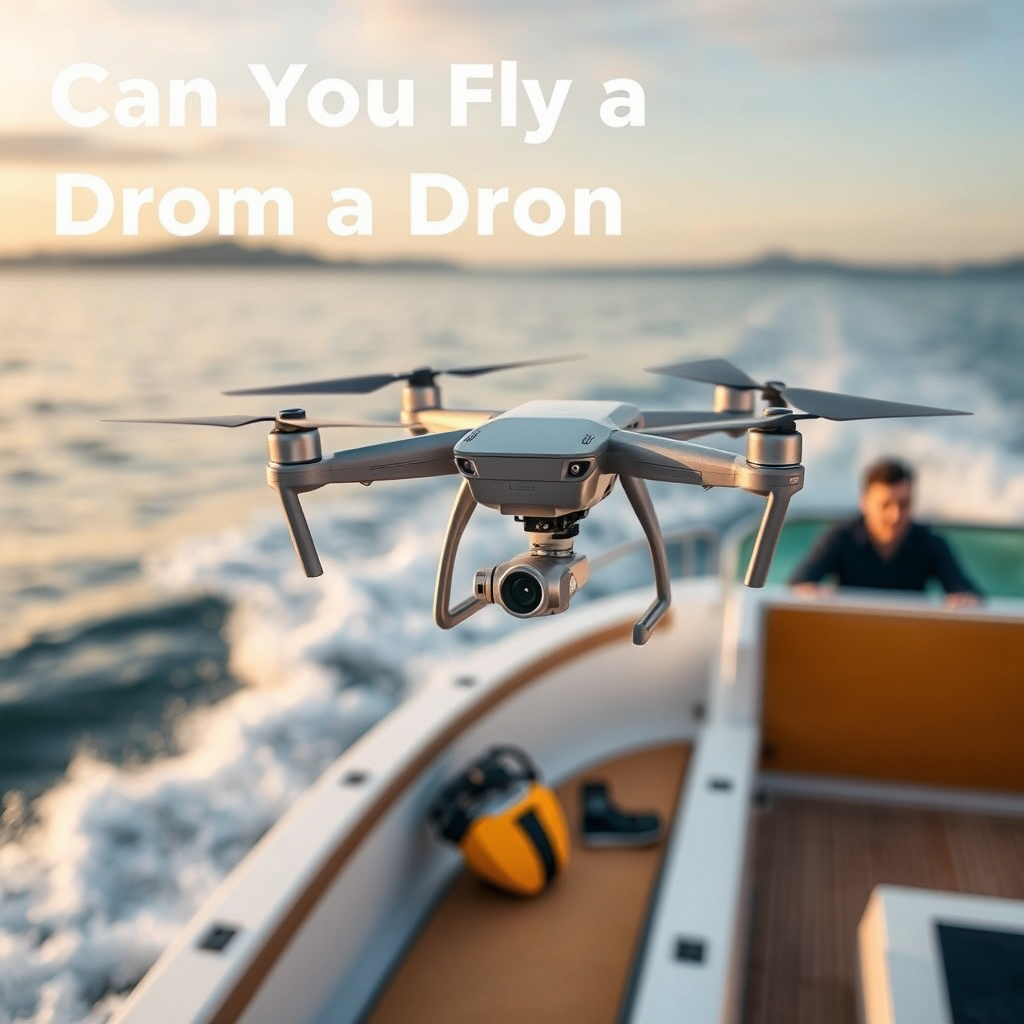
In addition to national regulations, it’s also essential to consider local laws that may impose additional restrictions, particularly in popular boating areas, nature reserves, or near commercial shipping lanes. Some states or municipalities may prohibit drone flights over water entirely or require special permits. Therefore, before launching your drone from a boat, check for any specific regulations that apply to the area you intend to explore. Websites of aviation authorities or local government offices can provide valuable information regarding drone usage in your intended location.
Safety Precautions
Safety should always be a top priority when flying a drone, especially from a moving vessel. One of the most important safety features to ensure is that your drone is equipped with GPS functionality. This feature enhances the drone’s stability and allows for a reliable return-to-home function in case of signal loss or low battery. A drone that can autonomously return to its takeoff point is invaluable when operating over open water, where recovery may be challenging.
In addition to the drone’s technology, it is advisable to have a designated operator who can manage both the drone and the boat. This person should be responsible for monitoring the drone’s flight while also keeping an eye on the boat’s navigation and surroundings. Communication between the drone operator and the boat captain is crucial to avoid collisions and ensure a safe flying environment. Consider having a buddy system in place, where one person flies the drone while another assists with navigation and lookout duties.
Technical Considerations
When flying a drone from a boat, technical challenges can significantly impact the flight experience. One of the foremost considerations is the drone’s battery life and range. Many drones have a limited flight time, typically ranging from 20 to 30 minutes, depending on the model and conditions. Before launching, assess how far you can fly while still having ample battery power to return safely to the boat.
Additionally, boat movement can create turbulence that affects the drone’s stability. It’s beneficial to use a drone equipped with advanced stabilization technology or features like “GPS hold” and “altitude hold.” These capabilities help the drone maintain a steady position, compensating for any rolling or pitching of the boat due to waves. Selecting a drone that offers a “sport mode” or “follow me” function can also enhance your experience, as these modes allow the drone to track the boat’s movement, providing dynamic footage without requiring constant manual adjustments.
Best Practices for Launching
To ensure a successful drone launch from a boat, it’s essential to choose the right conditions. A calm day with minimal wind is ideal for optimal flying, as wind can create challenges for both the drone’s stability and the boat’s navigation. High winds can lead to erratic drone behavior and make it difficult to capture quality footage. Always check the weather forecast before heading out, and look for reports on wind speed and direction.
When preparing to launch, select a clear, flat surface on the boat that provides a stable platform for takeoff and landing. Many boats have designated areas, such as a flat deck or a spacious cockpit, which can serve as a launch pad. Ensure that the area is clear of obstacles and that the crew is aware of the launch to prevent accidents. A smooth takeoff and landing are vital for avoiding damage to the drone and ensuring a positive flying experience.
Capturing Stunning Footage
Flying a drone from a boat presents a unique opportunity to capture breathtaking aerial footage, but planning is essential to maximize the drone’s capabilities. Before launching, outline your shots and consider the angles you want to achieve. Think about the composition and lighting to create visually appealing footage that showcases the beauty of the surrounding landscape.
Additionally, be mindful of the boat’s movement during your flight. Rapid changes in speed or direction can lead to shaky or blurry footage. To mitigate this, consider flying at a moderate speed and maintaining a steady altitude. Utilizing drones with advanced camera stabilization features can also enhance the quality of your shots, ensuring smooth and professional-looking footage.
Common Challenges
While flying a drone from a boat can be exhilarating, it’s not without challenges. One of the most significant factors to consider is how the movement of waves and the boat can impact flight stability. Waves can cause the boat to rock, leading to difficulties in maintaining a consistent flight path. Be prepared for sudden changes in altitude or direction as the boat navigates through choppy waters.
Moreover, potential interference from other boats or maritime activities can pose additional challenges. Always keep an eye on your surroundings and be prepared to adjust your flight path if necessary. Staying aware of other vessels and their activities will help you avoid potential collisions and ensure a safe flying experience.
In conclusion, flying a drone from a boat is certainly possible, but it requires careful planning and adherence to safety and regulatory guidelines. By understanding the regulations, taking necessary safety precautions, addressing technical challenges, and following best practices for launching and capturing footage, you can enhance your drone flying experience. With the right preparation, you can enjoy the unique perspectives that drone photography offers from the water, creating stunning visual content that captures the beauty of your surroundings.
Frequently Asked Questions
Can you legally fly a drone from a boat?
Yes, you can legally fly a drone from a boat, but there are specific regulations you must follow. The Federal Aviation Administration (FAA) requires that drone operators maintain visual line-of-sight with their drones at all times, which can be challenging on a moving vessel. Additionally, you must adhere to local laws and regulations, as certain waterways may have restrictions regarding drone usage.
What are the safety precautions for flying a drone from a boat?
Safety precautions for flying a drone from a boat include ensuring that all participants on the boat are aware of the flight, securing the boat to prevent it from drifting, and checking weather conditions before takeoff. It’s also essential to have a reliable method for landing the drone, such as a designated landing pad or a clear area on the boat, to prevent damage to the drone or the vessel.
How do you launch and land a drone from a boat effectively?
To launch a drone from a boat effectively, position the drone on a flat, stable surface and ensure the boat is stationary to avoid movement during takeoff. For landing, it’s best to have a designated landing pad or an area clear of obstacles. Use the drone’s GPS features for precision, and consider having someone assist by stabilizing the boat if conditions are rough.
Why is it important to check local regulations before flying a drone from a boat?
Checking local regulations before flying a drone from a boat is crucial because different areas may have unique laws that govern drone operations, especially in coastal or navigable waters. Violating these regulations can lead to fines, confiscation of your equipment, or even legal action. Additionally, some areas may be designated as no-fly zones due to safety concerns, impacting your ability to fly legally.
What is the best drone for flying from a boat?
The best drone for flying from a boat is one that is lightweight, portable, and has strong GPS capabilities. Models like the DJI Mavic Air 2 or the DJI Mini 2 are popular choices due to their stability, ease of use, and robust flight features. Additionally, these drones have good battery life and can withstand light winds, making them suitable for maritime conditions while ensuring a smooth flying experience.
References
- https://www.faa.gov/uas/getting_started/flyers/
- https://www.nasa.gov/feature/nasa-researchers-explore-drone-operations-in-urban-environments
- https://www.reuters.com/article/us-usa-drone-boats-idUSKCN1VQ1PZ
- https://www.abc.net.au/news/2020-08-11/drones-on-boats-fishing-aerial-photography-fishing-industry/12547664
- https://www.nytimes.com/2021/07/15/business/drone-fishing.html
- https://www.cnet.com/news/drones-on-boats-why-their-use-is-on-the-rise-in-fishing/
- https://www.wired.com/story/drone-fishing-boat/
