

Yes, you can fly a drone in some county parks, but regulations vary by location. It’s essential to check local rules and guidelines before taking off, as each park may have its own set of restrictions or allowances. Understanding these regulations will ensure a safe and enjoyable experience while minimizing the potential for legal issues or disruptions to wildlife and park visitors.
Understanding Local Regulations
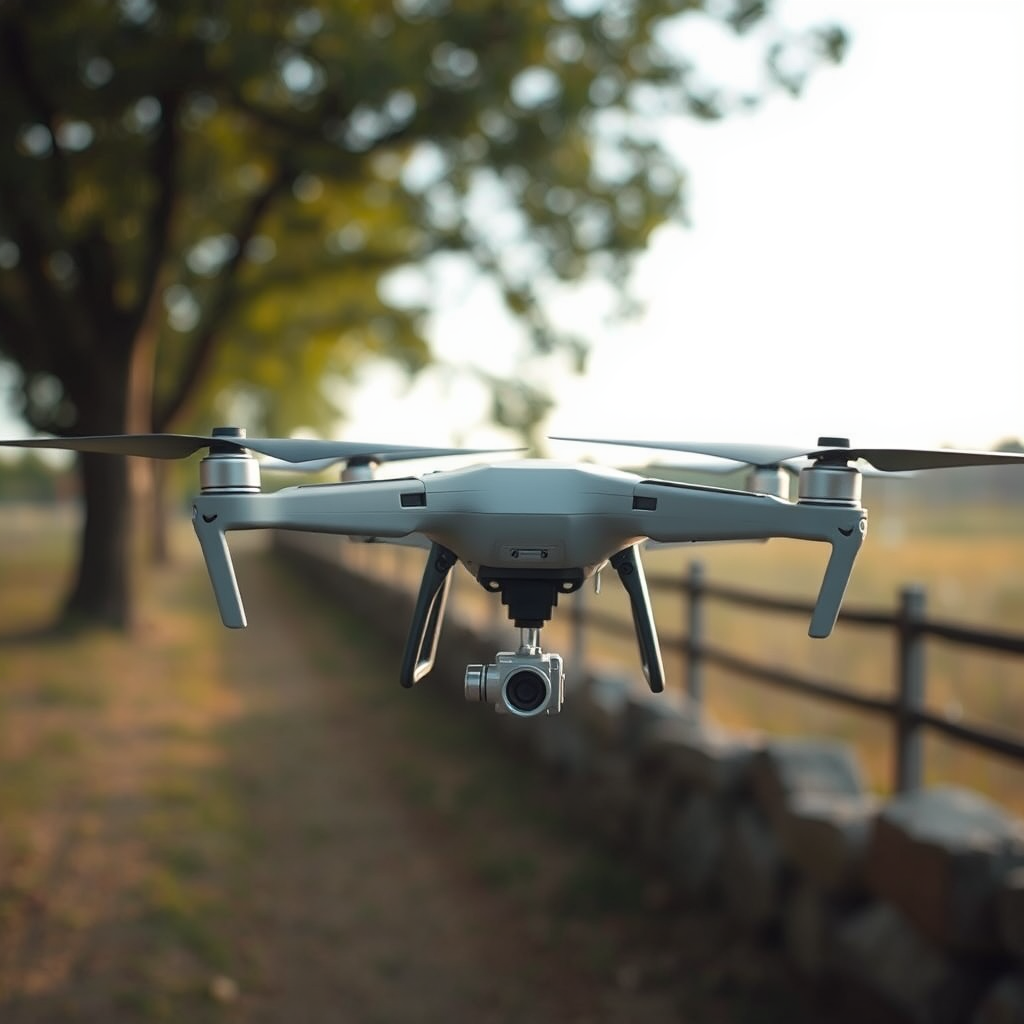
Many county parks have specific rules regarding drone use that are designed to protect both park visitors and the environment. For instance, parks located near urban areas may impose stricter regulations due to increased foot traffic and potential safety hazards. On the other hand, more remote parks might be more lenient, allowing drone usage in designated areas. It is vital to consult the park’s official website or contact park staff directly to obtain the most accurate and up-to-date information concerning drone regulations. Some parks may also have designated flying zones or times, further emphasizing the importance of pre-flight research.
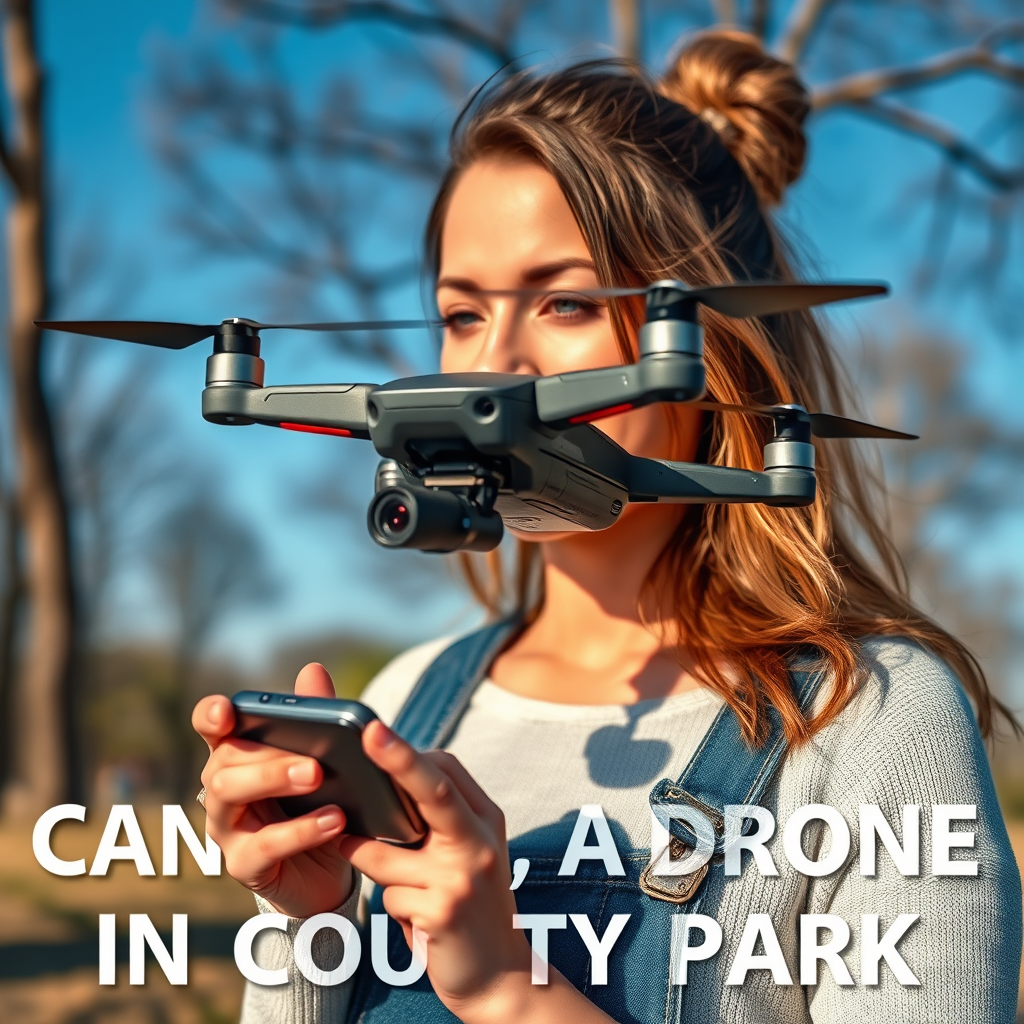
Additionally, local regulations can be influenced by factors such as proximity to airports, historical sites, or wildlife habitats. For example, parks near airports are often subject to more stringent flying restrictions due to airspace regulations enforced by the FAA. Conversely, parks that serve as habitats for endangered species may restrict drone use to prevent disturbances to wildlife.
Federal and State Laws
The Federal Aviation Administration (FAA) has overarching rules for drone operation that apply nationwide. These include requirements for drone registration, maintaining a maximum altitude of 400 feet, and always flying within the visual line of sight. In addition, the FAA prohibits flying drones over people or moving vehicles and mandates that drone operators yield right-of-way to manned aircraft.
State laws may impose additional restrictions on drone usage in public spaces, including county parks. Some states have enacted specific legislation that further limits where and when drones can be flown, particularly in areas designated as sensitive or protected. For example, California has laws that restrict drone use in state parks, while Florida has regulations that apply specifically to wildlife management areas. It is crucial to familiarize yourself with both federal and state laws to ensure compliance and avoid potential penalties.
Safety Considerations
Safety should always be a top priority when flying a drone in a county park. One of the most critical safety protocols is maintaining a clear line of sight with your drone while it is in operation. This ensures that you can react quickly to any potential hazards, such as wildlife or other park visitors, that may come into your drone’s flight path.
Moreover, it is advisable to avoid flying near crowded areas, such as picnic spots or playgrounds, to minimize disturbances and potential accidents. Drones can be startling to people and wildlife alike, so being considerate of your surroundings is essential. Additionally, operating your drone away from sensitive environments, such as bird nesting areas or fragile ecosystems, helps protect the local flora and fauna.
Before your flight, take time to assess weather conditions. High winds, rain, or low visibility can pose significant risks to drone operation, making it essential to choose optimal flying conditions for safety.
Permits and Permissions
Some county parks may require permits for drone flights, especially if you plan to fly for commercial purposes or if the park has specific regulations against recreational flying without permission. Obtaining a permit often involves an application process, which may include submitting flight plans, proof of insurance, or compliance with safety protocols.
Researching whether you need to apply for special permission in advance can save you time and potential disappointment upon arrival at the park. Many parks have online resources that detail the permitting process, including any associated fees and timelines for approval. Engaging with park staff can also provide clarity on any specific requirements or forms you need to complete before your flight.
Best Practices for Responsible Flying
To ensure a positive experience for both yourself and other park visitors, it is crucial to follow best practices for responsible flying. One key aspect is to fly at designated times and in designated areas, as specified by park regulations. This not only respects the experience of other park-goers but also helps to protect wildlife and their habitats.
Remaining aware of your surroundings is equally important. Keep an eye on other drone operators, hikers, cyclists, and natural features that could impact your flight. Communication with other drone pilots can also foster a sense of community and promote safe flying practices.
Additionally, consider taking a drone safety course or workshop to enhance your skills and knowledge about responsible flying. Engaging with fellow enthusiasts and learning from experienced pilots can provide valuable insights that contribute to safer and more enjoyable drone operations.
Tips for Enhancing Your Experience
To further enhance your drone flying experience in county parks, consider joining local drone clubs or online communities. These platforms offer opportunities for shared knowledge and experiences, enabling you to learn from others who have flown in the same locations. Many clubs also organize group flights, which can be both enjoyable and educational.
Moreover, consider the time of day and weather conditions for optimal flying. Early mornings or late afternoons typically provide the best light for aerial photography, while avoiding the heat of midday can help maintain battery life. Additionally, clear weather with minimal wind is ideal for stable flights.
Finally, being respectful of park rules and other visitors can lead to a more enjoyable experience overall. Carrying out your flying activities with consideration for others fosters a positive relationship between drone enthusiasts and park management, ensuring continued access for future flights.
In conclusion, while flying a drone in a county park can be an exciting experience, it’s crucial to adhere to local regulations and practice responsible flying. Understanding the various factors such as local regulations, federal and state laws, safety considerations, and best practices will contribute to a safe and enjoyable experience. Always do your research beforehand, remain respectful of the environment and park visitors, and embrace the opportunity to connect with fellow drone enthusiasts for a rewarding flying experience.
Frequently Asked Questions
Can you fly a drone in a county park without permission?
Flying a drone in a county park typically requires prior permission due to safety and privacy regulations. Each county may have specific rules about drone use, and many parks prohibit drones to protect wildlife and ensure the enjoyment of all visitors. Always check with your local park authority or their website for detailed regulations before flying.
What are the rules for flying a drone in county parks?
The rules for flying a drone in county parks can vary widely by location, but common regulations include restrictions on flying above a certain altitude, maintaining a visual line of sight, and avoiding crowded areas. Additionally, some parks may require you to submit a request for permission or obtain a special permit. It’s crucial to familiarize yourself with both federal regulations from the FAA and local park guidelines.
Why are drones often restricted in county parks?
Drones are often restricted in county parks primarily for safety, privacy, and environmental protection reasons. There is a risk of collisions with other park-goers or wildlife, and drone noise can disrupt the natural setting and experience for visitors. Furthermore, many parks are home to sensitive ecosystems, and drone usage could disturb local flora and fauna.
How can I find out if I can fly my drone in a specific county park?
To find out if you can fly your drone in a specific county park, first visit the official website of the park or county government for any published drone regulations. You can also contact the park office directly to inquire about their policies. Additionally, checking the FAA’s website can provide information on national airspace regulations that may impact your flight.
What’s the best way to ensure a safe drone flight in a county park?
The best way to ensure a safe drone flight in a county park is to start by researching and understanding the specific rules and regulations applicable to that location. Always conduct a pre-flight check of your drone, avoid flying near people or animals, and respect any no-fly zones. Additionally, consider flying during off-peak hours when the park is less crowded, and always maintain a safe distance from park facilities and wildlife.
References
- https://www.faa.gov/uas/getting_started/registration
- https://www.nps.gov/subjects/drones/index.htm
- https://www.usda.gov/topics/farming/using-drones-agriculture
- https://www.aa.com.tr/en/science-technology/what-to-know-about-flying-drones-in-parks/1800803
- https://www.dronepilotgroundschool.com/drone-laws-in-county-parks/
- https://www.washingtonpost.com/technology/2021/07/26/drone-parks-legal-flying/
- https://www.nytimes.com/2020/09/16/us/drones-parks.html
