
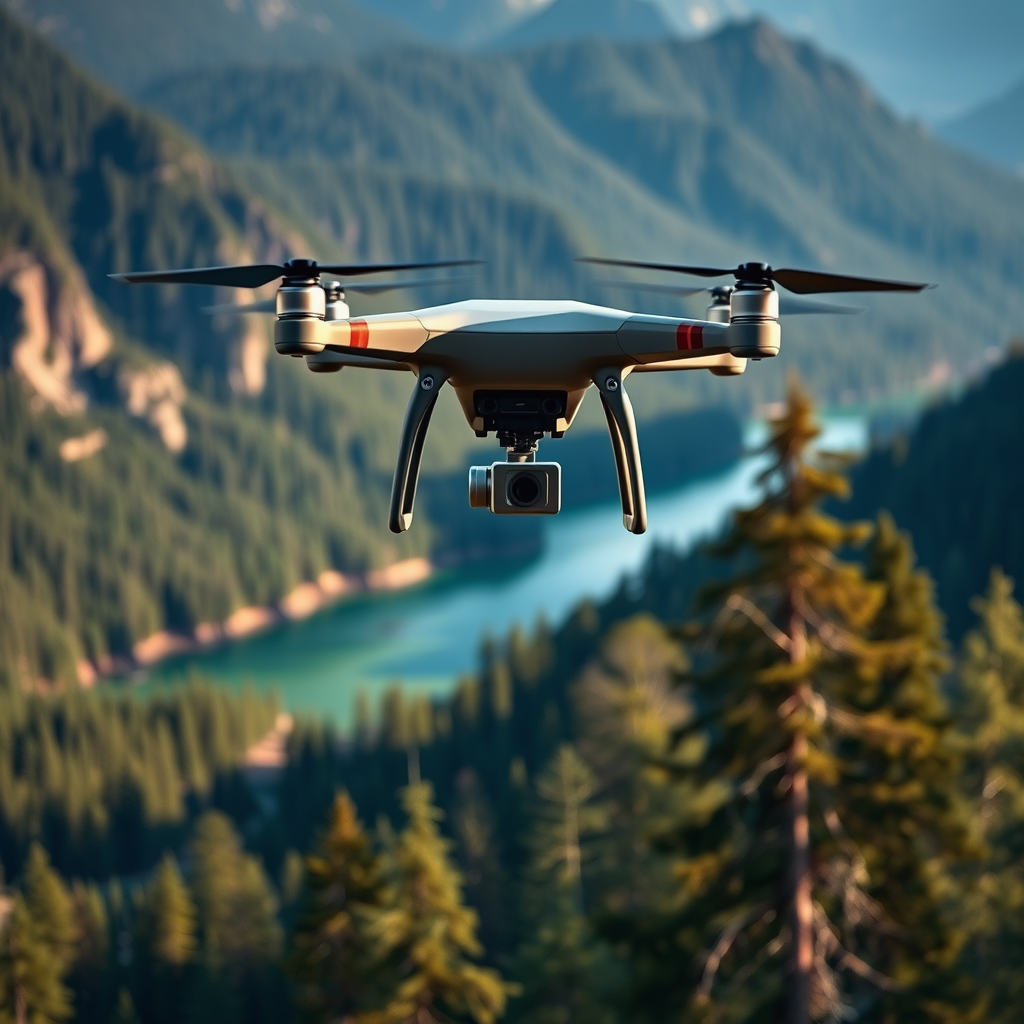
Yes, you can fly a drone in a national forest, but there are specific regulations and guidelines you must follow. Understanding these rules is crucial for ensuring a safe and enjoyable flying experience while simultaneously respecting the delicate wildlife and the environment that national forests encompass.
Understanding National Forest Regulations
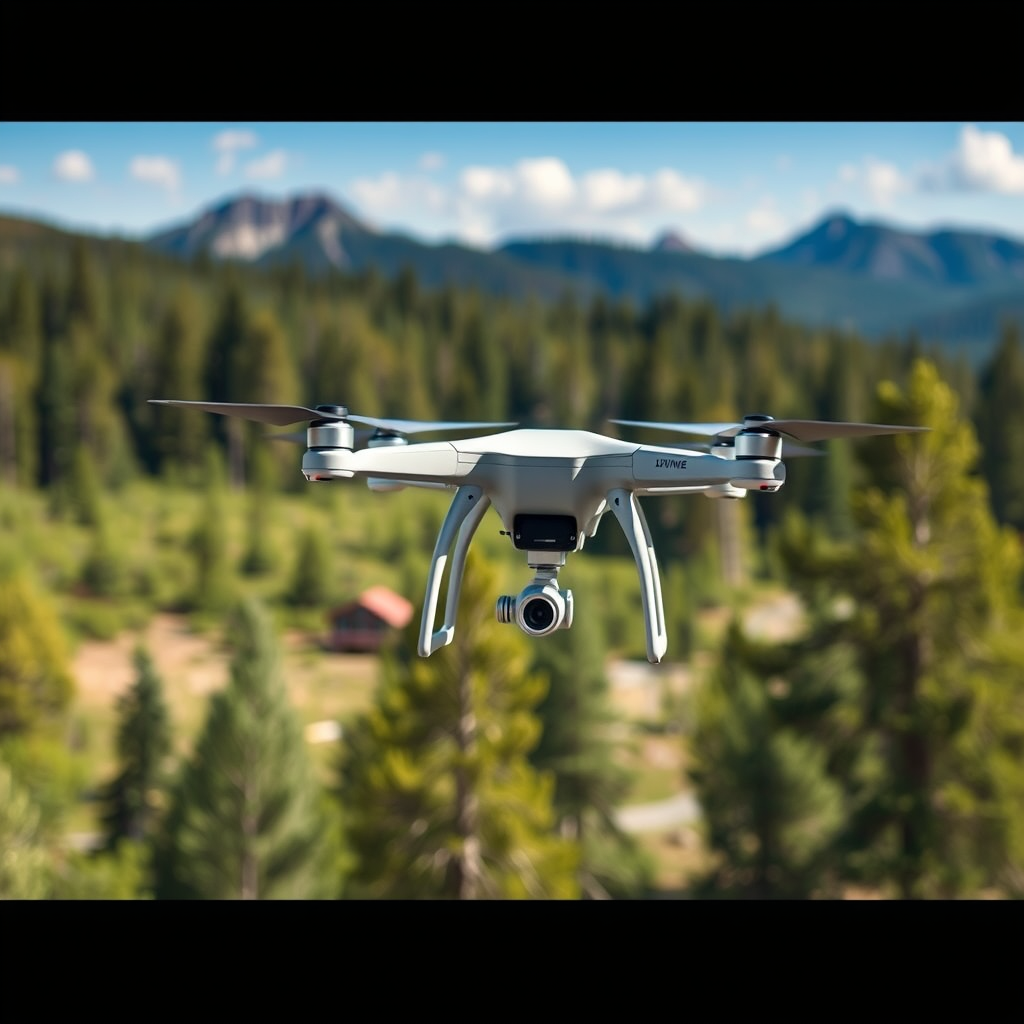
National forests in the United States are managed by the U.S. Forest Service, which has laid out specific regulations regarding drone use. Generally, drones are allowed for recreational purposes, but it is important to recognize that these regulations can vary significantly depending on the location and the types of activities taking place within the forest. Some national forests may have designated areas where drone flying is encouraged, while others may impose strict restrictions or require permits for usage. Always check the local regulations for the specific national forest you plan to visit to ensure compliance.
Additionally, it’s worth noting that the U.S. Forest Service emphasizes the importance of responsible use of drones. This includes minimizing disturbances to wildlife and other forest users, as well as maintaining the integrity of the natural landscape. By adhering to these regulations, you not only safeguard your flying experience but also contribute to the preservation of the forest environment.
Areas Where Drone Flying is Prohibited
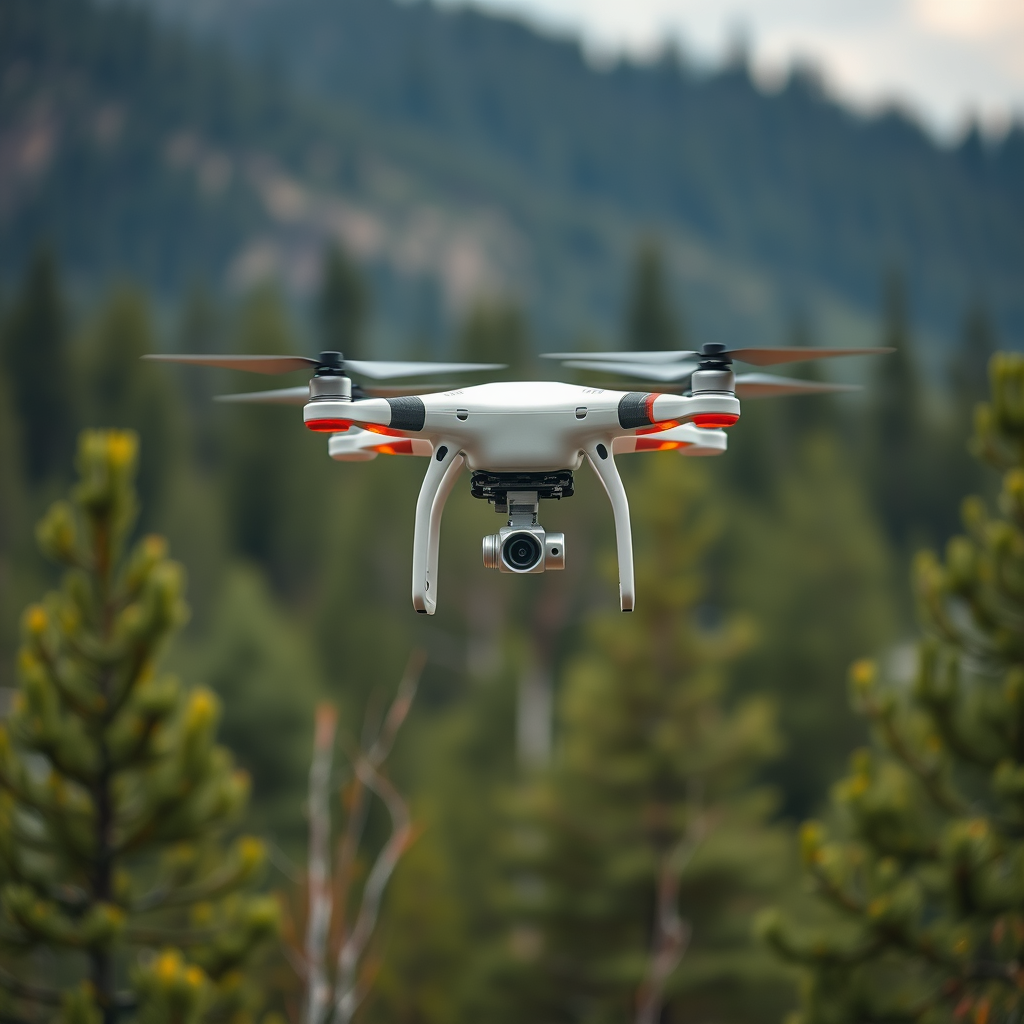
While national forests offer vast areas for exploration, there are specific locations within these lands where drone flying is strictly prohibited. One primary area of restriction is designated wilderness areas, which are protected under the Wilderness Act. These areas are specifically set aside to preserve their natural conditions and to provide opportunities for solitude and primitive recreation. In such regions, any mechanized or motorized equipment, including drones, is not allowed.
Moreover, certain sensitive locations within national forests may also have additional restrictions. For instance, flying drones near wildlife habitats can pose significant risks to animals, especially during breeding seasons. Similarly, areas close to campgrounds, picnic areas, and other gathering spots may have regulations to ensure the safety and enjoyment of all visitors. Be sure to consult signage within the forest and online resources provided by the U.S. Forest Service to determine specific prohibitions in the area you wish to fly.
Federal Aviation Administration (FAA) Guidelines
In addition to the U.S. Forest Service regulations, all drone operators must comply with the Federal Aviation Administration (FAA) guidelines. This includes registering drones that weigh over 0.55 pounds prior to flying. Registration is a straightforward process that can usually be completed online, and it helps ensure accountability among drone operators.
Moreover, the FAA mandates that pilots maintain visual line of sight with their drones during flight. This means that you should always be able to see your drone without the aid of binoculars or other visual enhancement devices. Additionally, drone pilots must adhere to altitude restrictions, which generally limit flights to a maximum of 400 feet above ground level. This is particularly important in national forests, as flying at higher altitudes can interfere with manned aircraft operations in the vicinity.
Understanding and following these FAA guidelines are crucial not only for legal compliance but also for ensuring the safety of all forest users, including hikers, campers, and wildlife.
Safety Considerations When Flying Drones
Before embarking on your drone flight, conducting a thorough pre-flight check is essential. This includes inspecting the drone for any physical damage, ensuring that the battery is fully charged, and checking that all equipment is functioning properly. Malfunctions during flight can lead to crashes that not only damage your drone but also pose risks to people and wildlife in the area.
Weather conditions also play a critical role in drone safety. Strong winds, rain, or other adverse weather conditions can significantly impact drone performance. It is advisable to check the weather forecast before your flight and to avoid flying in conditions that may jeopardize safety. If you notice sudden changes in weather while flying, such as gusty winds or rain, be prepared to land your drone promptly.
Lastly, be aware of your surroundings. Maintain a safe distance from other forest users, wildlife, and sensitive environmental areas. This not only ensures your safety but also enhances the overall experience for everyone enjoying the national forest.
Respecting Wildlife and Environment
One of the primary considerations when flying a drone in a national forest is to respect wildlife and their habitats. Drones can be intrusive and may disrupt the natural behavior of animals, leading to stress or abandonment of nests. It is advisable to avoid flying over or near wildlife, particularly in sensitive areas such as breeding grounds or during migration periods.
In addition to avoiding disturbances to wildlife, adhering to Leave No Trace principles is essential. This means minimizing your impact on the environment by following guidelines such as packing out all trash, staying on designated trails, and avoiding the creation of new trails or disturbances in sensitive areas. By being conscious of your environmental impact, you contribute to the preservation of the national forest for future visitors.
Tips for a Successful Drone Flight Experience
To enhance your drone flying experience in a national forest, it is beneficial to conduct research on the specific forest you plan to visit. Familiarize yourself with local regulations, popular flying spots, and any unique features of the area that may enhance your experience. Many national forests have dedicated websites or visitor centers where you can obtain valuable information.
Joining local drone flying communities can also provide tremendous benefits. These communities often consist of experienced pilots who can share tips, insights, and recommendations for flying in specific areas. Engaging with others who share your passion can help you become a more proficient pilot while also fostering a sense of camaraderie.
Finally, consider documenting your experiences with photos or videos, as long as it is done respectfully and within the regulations. Sharing your adventures can inspire others to engage with the natural world and appreciate the beauty of national forests.
In conclusion, while flying a drone in a national forest is possible, it is imperative to adhere to the regulations set forth by the U.S. Forest Service and the FAA. By prioritizing safety, respecting wildlife, and minimizing environmental impact, you can ensure a positive and rewarding drone-flying experience. Always stay informed and prepared, and happy flying!
Frequently Asked Questions
Can I fly a drone in a national forest without a permit?
Flying a drone in a national forest typically requires compliance with specific regulations set by the U.S. Forest Service. While some areas may allow recreational drone flying without a permit, many national forests have restrictions, especially near sensitive wildlife habitats or in designated wilderness areas. It’s essential to check the specific regulations for the national forest you intend to visit, as the rules can vary significantly.
What are the rules for flying a drone in national forests?
The rules for flying a drone in national forests generally include maintaining a maximum altitude of 400 feet, keeping the drone within visual line of sight, and avoiding flying over crowds or private property. Additionally, certain areas may be off-limits to drone activity, such as locations designated for wildlife protection or near hiking trails. Always refer to the local national forest regulations and the FAA guidelines before flying.
Why are there restrictions on flying drones in national forests?
Restrictions on flying drones in national forests are primarily in place to protect wildlife, preserve natural habitats, and ensure public safety. Drones can disturb wildlife, particularly nesting birds, and may interfere with the experience of other visitors seeking a peaceful outdoor environment. By enforcing these regulations, national forests aim to balance recreational use with conservation efforts.
How can I find out if drone flying is allowed in a specific national forest?
To find out if drone flying is permitted in a specific national forest, you can visit the official website of the U.S. Forest Service or contact the local forest ranger district. These resources provide up-to-date information on drone regulations, restricted areas, and any necessary permits. Additionally, checking for signage at forest entrances can also give you guidance on drone policies for that area.
What are the best practices for flying a drone in national forests?
Best practices for flying a drone in national forests include respecting wildlife and their habitats, maintaining a safe distance from people and animals, and following all posted regulations. It’s also advisable to fly early in the morning or later in the evening to minimize disruption and avoid peak visitor times. Lastly, always ensure your drone is in good working condition, and be mindful of weather conditions to ensure safe operation.
References
- https://www.fs.usda.gov/managing-land/national-forests/faq-drone-use-national-forests
- https://www.nps.gov/subjects/science/drone-use-in-national-parks.htm
- https://www.faa.gov/uas/faq/
- https://www.wilderness.net/NWPS/documents/uwild/Drone%20Use%20in%20Wilderness.pdf
- https://www.nytimes.com/2021/01/28/us/drone-national-parks.html
- https://www.nationalparkstraveler.org/2021/05/understanding-drone-use-national-parks-and-forests
- https://www.wildlife.org/drone-use-in-wildlife-research-and-management/
