
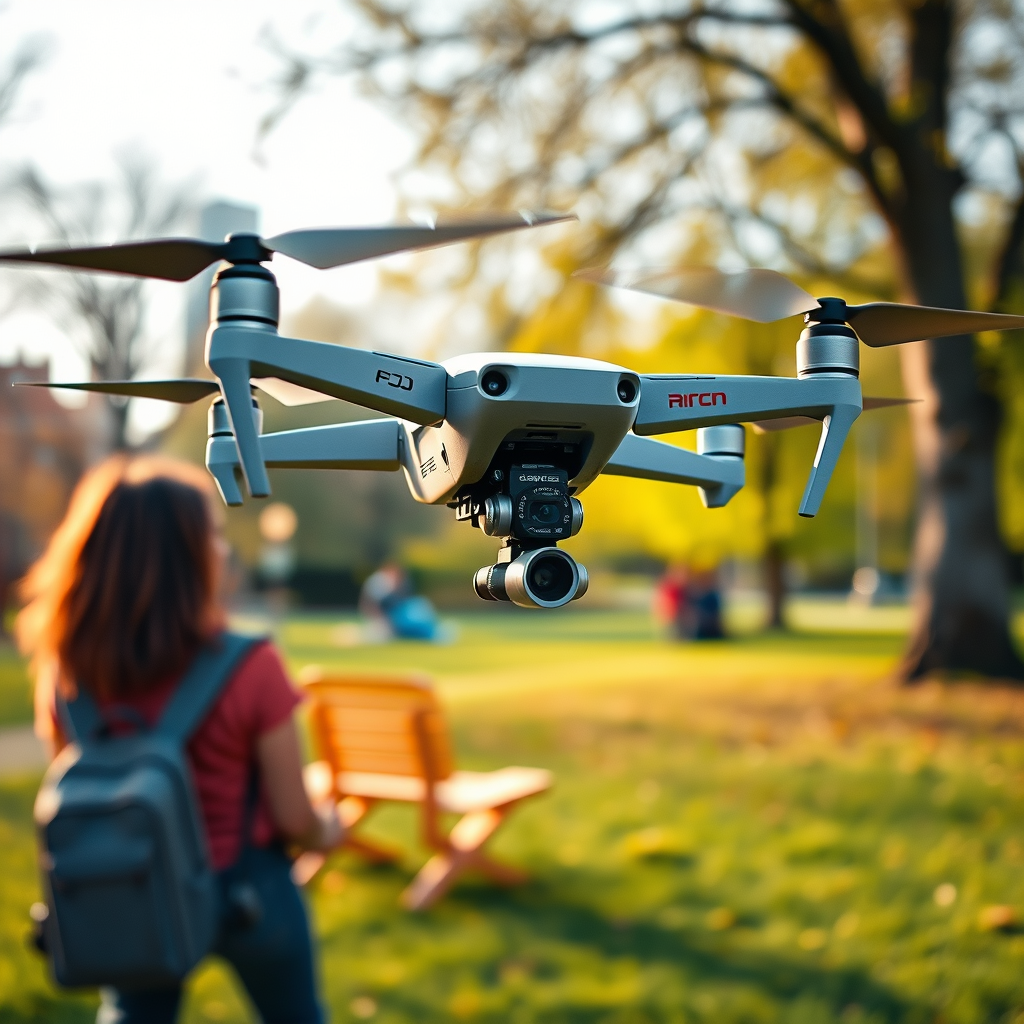
Yes, you can fly a drone in a park, but there are specific regulations and guidelines you must follow. Understanding local laws, park rules, and safety practices is crucial to ensure a responsible flying experience. As drone technology continues to evolve, it has become increasingly accessible for recreational and professional use. However, with this accessibility comes the responsibility to fly safely and within legal boundaries. In this article, we will explore the essential guidelines you need to be aware of when operating a drone in a park setting.
Understanding Local Regulations
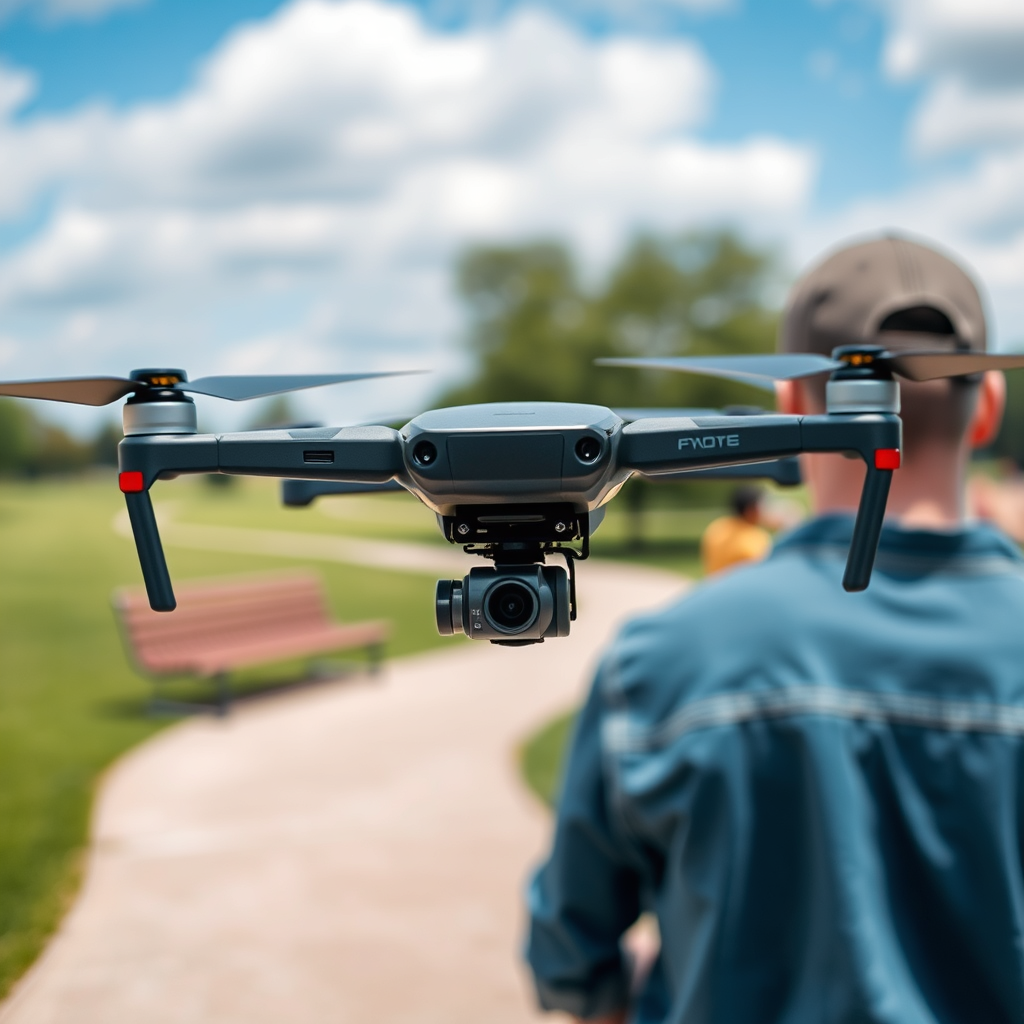
Before flying your drone in any park, it is vital to research local drone laws to ensure compliance. Many regions have specific regulations that dictate where and how drones can be flown. For instance, in the United States, the Federal Aviation Administration (FAA) governs airspace and has established rules for drone operation, including height restrictions and registration requirements for certain drone weights.
Additionally, check if the park is within restricted airspace, such as near airports or military installations, where drone flights may be prohibited or require special permissions. Many drone operators use apps like AirMap or SkyVector to quickly identify airspace classifications and any temporary flight restrictions that may be in place. Ensuring you are informed about these regulations not only protects you from potential fines but also promotes safe flying practices.
Park-Specific Rules
Many parks have their own regulations regarding drone use, which can vary significantly from one location to another. Some parks may allow drone flying, while others may have outright bans due to environmental concerns or the potential for interference with other park activities. To avoid penalties, look for posted signs that indicate whether drones are permitted.
If you are unsure, it is advisable to contact park management directly. They can provide you with the most accurate and up-to-date information regarding drone use in that specific park. For example, some national parks in the United States have strict restrictions against drone flying to protect wildlife and the natural environment, while other state parks may offer designated areas for drone enthusiasts. Always double-check the rules before launching your drone to ensure compliance and respect for the park’s regulations.
Safety Considerations
Safety is paramount when flying a drone, especially in public parks where other visitors may be present. Always maintain a line of sight with your drone, which is not only a legal requirement in many jurisdictions but also a best practice for ensuring safety. This means keeping your drone within your visual range at all times, allowing you to make quick decisions in case of unexpected obstacles or changes in the environment.
Avoid flying over crowds or near sensitive wildlife areas. Parks often serve as habitats for various species, and flying a drone too close can disturb wildlife and their natural behaviors. In addition, many parks have trails, picnic areas, and playgrounds that draw large numbers of visitors, making it important to fly responsibly to prevent accidents. Being aware of your surroundings and flying at a safe height can significantly reduce the risk of collisions and injuries.
Respecting Privacy
When flying in public spaces, it is essential to be mindful of people’s privacy. Drones equipped with cameras can inadvertently capture images or videos of individuals without their consent, which can lead to privacy violations and potential legal issues. Always avoid capturing images or videos of individuals without their explicit permission, especially in crowded areas where people may expect a level of privacy.
Consider the ethical implications of your drone activities. If your goal is to capture footage for personal use or for sharing online, think about how your actions may impact those around you. Respecting people’s privacy not only cultivates good relationships with fellow park visitors but also fosters a positive reputation for the drone flying community as a whole.
Recommended Equipment and Setup
Choosing the right equipment is crucial for a safe and enjoyable flying experience. Use drones equipped with safety features like GPS, altitude hold, and return-to-home functions. These features enhance your control over the drone and help prevent accidents, especially in busy park settings.
Before arriving at the park, prepare your drone and batteries to ensure a smooth flight. Check that your drone is fully charged and functioning correctly to avoid technical issues during your flight. Additionally, familiarize yourself with the drone’s controls and settings to enhance your confidence while flying. A pre-flight checklist can be an excellent way to ensure that you have everything you need, including spare batteries, propeller guards, and any necessary permits or paperwork.
Best Practices for Enjoyable Flying
Planning your flight path in advance is essential to avoid obstacles and ensure a smooth experience. Take the time to scout the park beforehand, identifying potential hazards such as trees, buildings, or other people that you may want to avoid. By plotting a clear flight path, you can minimize risks and maximize your enjoyment of flying.
Moreover, consider flying during less crowded times for a more enjoyable experience. Early mornings or weekdays are often ideal times to take your drone out, as parks tend to be less populated. This not only enhances your flying experience but also helps you adhere to safety practices by reducing the chances of flying near people.
Finally, engage with other drone enthusiasts in the park or join local drone clubs to share experiences and tips. Networking with fellow pilots can lead to valuable insights and enhance your overall flying experience.
In conclusion, flying a drone in a park can be a rewarding experience if you adhere to regulations and respect others. By understanding local laws, following park-specific rules, prioritizing safety, and being mindful of privacy, you can ensure a positive experience for yourself and those around you. Remember to prepare adequately, respect the environment, and enjoy your time in the skies!
Frequently Asked Questions
What are the regulations for flying a drone in a public park?
Regulations for flying drones in public parks can vary significantly depending on the location and local laws. Generally, you must adhere to FAA regulations, which include flying below 400 feet, keeping your drone within visual line of sight, and not flying over people or moving vehicles. Additionally, many parks have specific rules, so it’s crucial to check with local authorities or park management for any restrictions before launching your drone.
How can I find out if a specific park allows drone flying?
To determine if a specific park allows drone flying, start by checking the official website of the park or the governing body that manages it, such as local city or county regulations. You can also contact park rangers or administration offices directly for the most accurate information. Some parks may have designated areas for drone use or may require permits, so it’s essential to gather this information beforehand to avoid potential fines.
Why is it important to respect no-fly zones when flying a drone in parks?
Respecting no-fly zones when flying a drone in parks is critical for several reasons. Firstly, these areas are often designated for safety and privacy concerns, protecting wildlife, sensitive habitats, and the enjoyment of other park visitors. Additionally, violating no-fly zones can result in hefty fines, legal repercussions, or the confiscation of your drone, making it essential to familiarize yourself with local regulations before flying.
What is the best time of day to fly a drone in a park?
The best time of day to fly a drone in a park is typically early in the morning or late in the afternoon. During these times, wind conditions are generally calmer, reducing the risk of unstable flights or drone crashes. Moreover, flying during these hours can help you avoid crowds, allowing for a more enjoyable experience and better photography opportunities, as the lighting is often more favorable.
Which safety precautions should I take when flying a drone in a park?
When flying a drone in a park, several safety precautions are essential to ensure a safe and compliant flight. Always conduct a pre-flight check to inspect your drone for any mechanical issues, and maintain a safe distance from people, animals, and property. Additionally, keep your drone within visual line of sight, be aware of your surroundings, and have a plan for emergency landings. Following these guidelines not only ensures your safety but also promotes responsible drone usage within public spaces.
References
- https://www.faa.gov/uas/getting_started/part_107/
- https://www.nps.gov/subjects/drones/index.htm
- https://www.amausa.org/what-is-the-ama/
- https://www.wired.com/story/drone-flying-in-parks-rules/
- https://www.nytimes.com/2021/06/11/us/drone-regulations.html
- https://www.parks.ca.gov/?page_id=30338
- https://www.usc.edu/dept/pubrel/archives/archives/2021-22/drone-flying-guide.pdf
