

Yes, you can fly a drone in a public park, but it is subject to specific regulations and guidelines that vary by location. These regulations are in place to ensure the safety and enjoyment of all park visitors, as well as to protect the environment. Understanding and adhering to these rules will allow drone enthusiasts to enjoy their hobby while being considerate of others and the natural surroundings.
Understanding Local Regulations
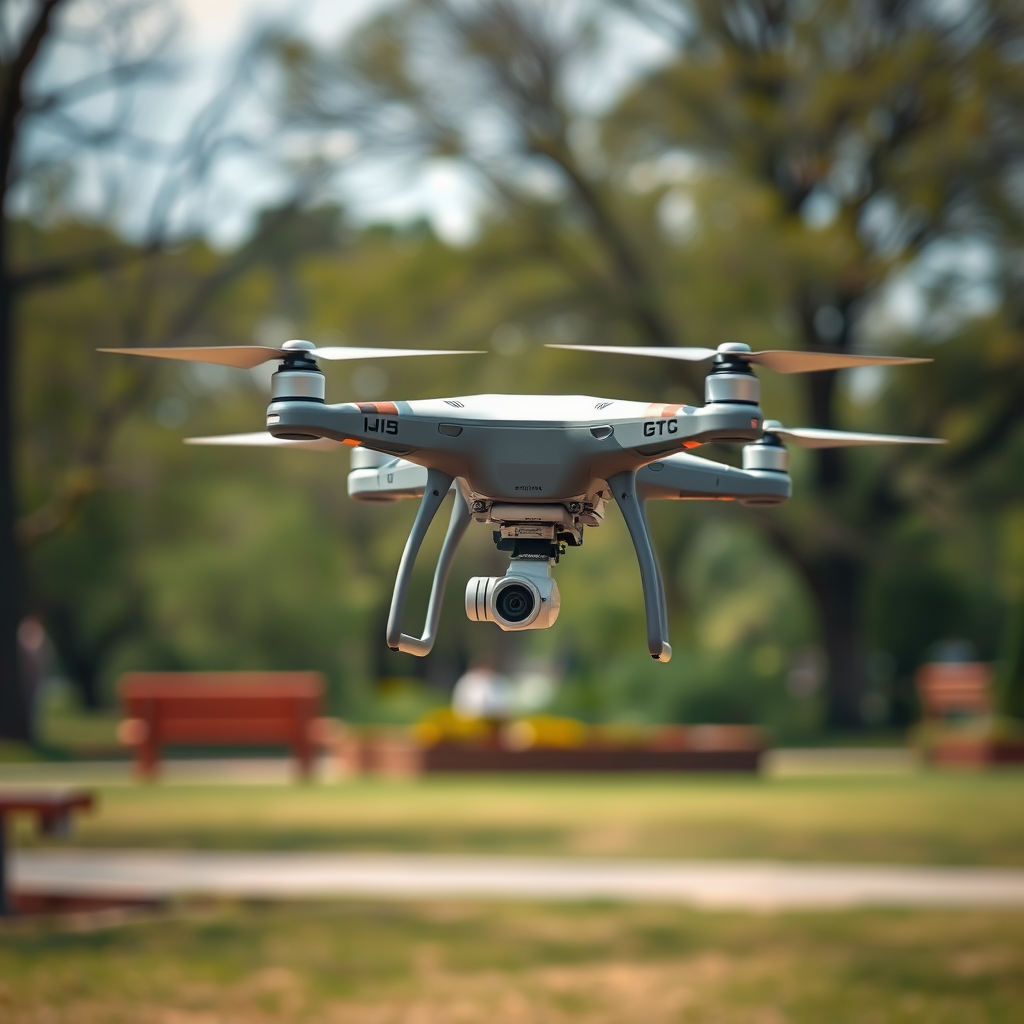
Before taking flight, it is essential to research local laws and regulations regarding drone usage in your area. Each state and municipality can have different rules governing where and how drones can be operated. Some parks may have designated areas for drone flying, while others may completely prohibit it. For instance, in cities like New York, certain parks are off-limits to drone operations due to high foot traffic and the potential for accidents.

Additionally, many state parks have specific rules that must be adhered to, which can often be found on their official websites. Checking for any specific park rules that may prohibit flying drones will save you from potential fines and ensure a smoother experience overall. Local authorities may also provide guidelines on how to report any drone-related incidents, emphasizing the importance of being informed.
Federal Aviation Administration (FAA) Guidelines
Familiarizing yourself with Federal Aviation Administration (FAA) regulations is crucial for any drone operator. The FAA classifies drones as Unmanned Aircraft Systems (UAS) and has established rules that apply to their operation. For example, drone operators must fly below 400 feet, keep their drones within visual line of sight, and avoid flying near airports or other restricted airspaces.
Moreover, if your drone weighs more than 0.55 pounds, it must be registered with the FAA. Registration is a straightforward process and can be completed online. Once registered, you’ll receive a registration number that must be displayed on your drone. Compliance with FAA regulations not only keeps you within legal boundaries but also promotes responsible drone usage.
Safety First: Best Practices for Flying Drones
Safety should always be your top priority when flying a drone. One of the best practices is to maintain visual line of sight with your drone at all times. This ensures that you can quickly react to any unexpected situations, such as other park visitors entering your flying path or changes in weather conditions.
Additionally, it’s essential to avoid flying near people, animals, or private property. This minimizes the risk of accidents and helps maintain a peaceful environment for everyone in the park. For example, consider flying your drone during off-peak hours when fewer people are present, reducing the chances of interference. Always be prepared to land your drone if it becomes a distraction or if park-goers express discomfort with its presence.
Consideration for Park Visitors
Being mindful of other park-goers and their enjoyment of the space is a critical aspect of responsible drone flying. Public parks are often used for various activities such as picnicking, hiking, and sports, and drone noise or presence can disrupt these experiences.
Choosing times when the park is less crowded is advisable; early mornings or weekdays may provide a more tranquil environment for both drone flying and other activities. Additionally, be courteous if someone approaches you with concerns about your drone. Open communication can help alleviate tensions and foster a sense of community. Informing others about your intentions can also enhance their experience, turning a potentially disruptive situation into a collaborative one.
Environmental and Wildlife Impact
Understanding the potential effects of drones on local wildlife and habitats is crucial for environmentally responsible flying. Drones can cause disturbances to birds and other wildlife, especially during nesting seasons. The sound and presence of a drone can lead to stress and displacement of animals, which may affect their behavior and reproduction.
Respecting any wildlife protection guidelines in place is essential. Many parks have established rules to protect sensitive habitats, and adhering to these rules will contribute to the preservation of local ecosystems. For example, avoid flying over designated wildlife refuge areas or during critical wildlife activity periods. Educating yourself about local wildlife and their habitats will not only enhance your drone flying experience but also promote conservation efforts.
Tips for a Successful Drone Flight
Planning your flight path ahead of time can significantly improve your drone flying experience. Familiarize yourself with the park’s layout, and identify potential obstacles such as trees, buildings, or other drones. Utilizing a pre-flight checklist is also a best practice to ensure your drone is in good working order. Check battery levels, camera settings, and the overall condition of the drone before takeoff.
Additionally, consider utilizing drone flight planning apps that can help you map out your flight path and provide real-time information about weather conditions and no-fly zones. These tools can enhance your flight experience by allowing for more precise control and reducing the likelihood of issues arising during your flight.
In conclusion, flying a drone in a public park can be a rewarding experience if you follow the necessary regulations and guidelines. By understanding local laws, respecting FAA regulations, prioritizing safety, and being considerate of other visitors and the environment, you can ensure that your drone flying is enjoyable and responsible. Happy flying!
Frequently Asked Questions
What are the regulations for flying a drone in a public park?
Regulations for flying a drone in a public park can vary significantly by location, but generally, you must adhere to the Federal Aviation Administration (FAA) guidelines. This typically includes flying below 400 feet, maintaining a visual line of sight, and avoiding crowded areas. Additionally, some parks may have specific rules or require permits for drone use, so it’s essential to check with local authorities or the park’s management before launching your drone.
How can I find out if a public park allows drone flying?
To determine if a public park allows drone flying, start by visiting the park’s official website or contacting the park management directly. Many parks provide detailed information on their policies regarding drone usage. You can also check local regulations through city or state government websites, as some areas may have ordinances that restrict drone flying in public spaces.
Why do some public parks prohibit drone flying?
Public parks may prohibit drone flying for several reasons, including safety concerns, wildlife protection, and preservation of the park’s natural environment. Drones can pose risks to other park visitors, disrupt wildlife habitats, and contribute to noise pollution. Additionally, some parks aim to maintain a serene atmosphere, making drone usage incompatible with this goal.
What is the best way to fly a drone safely in a public park?
To fly a drone safely in a public park, always perform a pre-flight check to ensure your equipment is in good working order. Maintain a visual line of sight with your drone, avoid flying over crowds or private property, and respect the park’s boundaries and regulations. Additionally, be mindful of weather conditions and choose times when the park is less crowded to minimize risks and ensure a safe experience.
Which drone models are best suited for flying in public parks?
The best drone models for flying in public parks are typically lightweight, easy to control, and equipped with features that enhance safety, such as GPS and obstacle avoidance. Popular options include the DJI Mini series for their portability and user-friendly design, or the DJI Mavic Air for more advanced features. When selecting a drone, consider battery life, camera quality, and compliance with local regulations to ensure an enjoyable and responsible flying experience.
References
- https://www.faa.gov/uas/getting_started/registration
- https://www.nps.gov/subjects/drones/index.htm
- https://www.ama-flightschool.com/drone-laws-and-regulations/
- https://www.wired.com/story/drone-regulations-2021/
- https://www.washingtonpost.com/technology/2021/05/04/drone-laws/
- https://www.nytimes.com/2020/07/17/us/drone-laws.html
- https://www.abc.net.au/news/2021-03-22/drone-laws-in-australia/13261612
- https://www.usa.gov/elected-officials
- https://www.dronepilotgroundschool.com/drone-laws-in-the-united-states/
