

Yes, you can fly a drone in many recreational areas, but there are specific regulations and guidelines you must follow to ensure safety and compliance. Understanding these rules is essential for both recreational enjoyment and legal operation, allowing you to enjoy your drone hobby while respecting the rights of others and the environment.
Understanding Drone Regulations
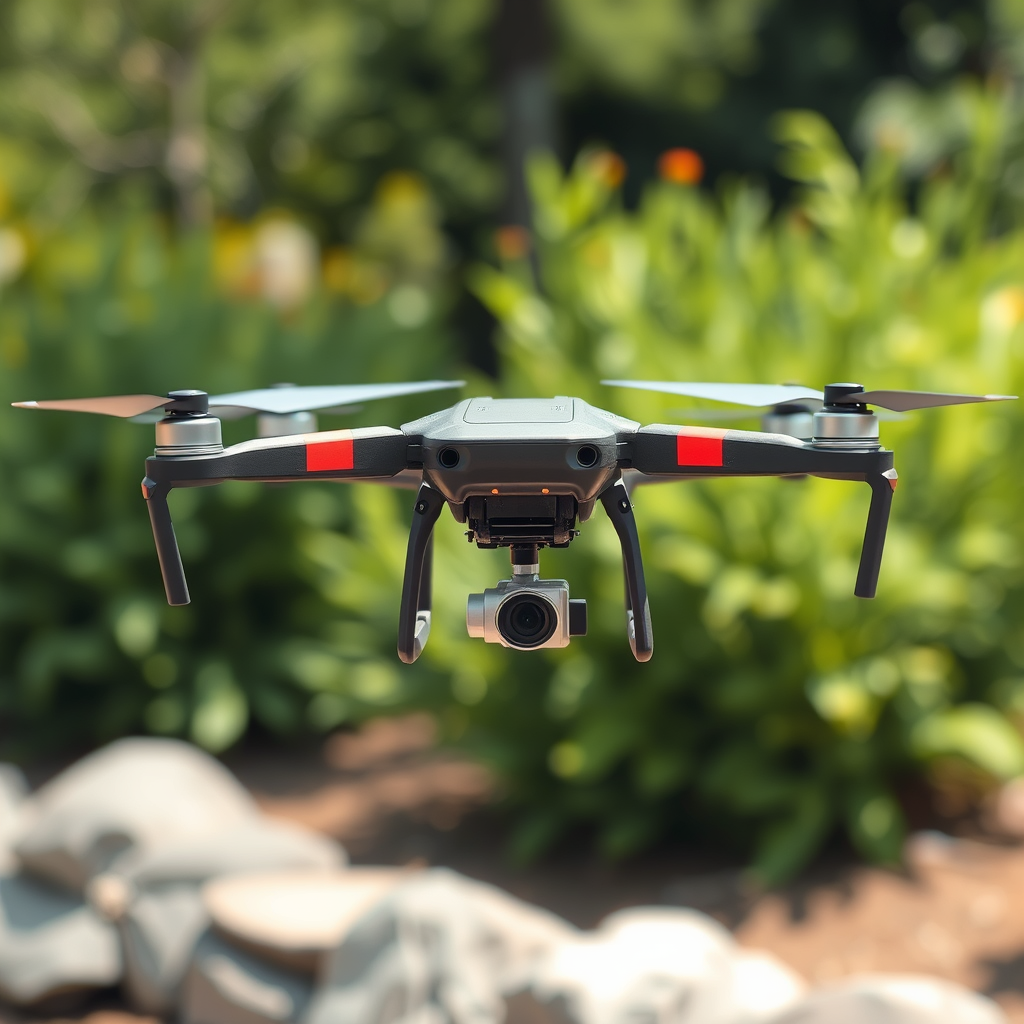
When flying a drone, the first step is to familiarize yourself with the Federal Aviation Administration (FAA) regulations that govern unmanned aerial systems (UAS) in the United States. The FAA mandates that all drone operators adhere to certain rules, including flying below 400 feet, keeping the drone within visual line of sight, and avoiding restricted airspaces, such as near airports or military bases.
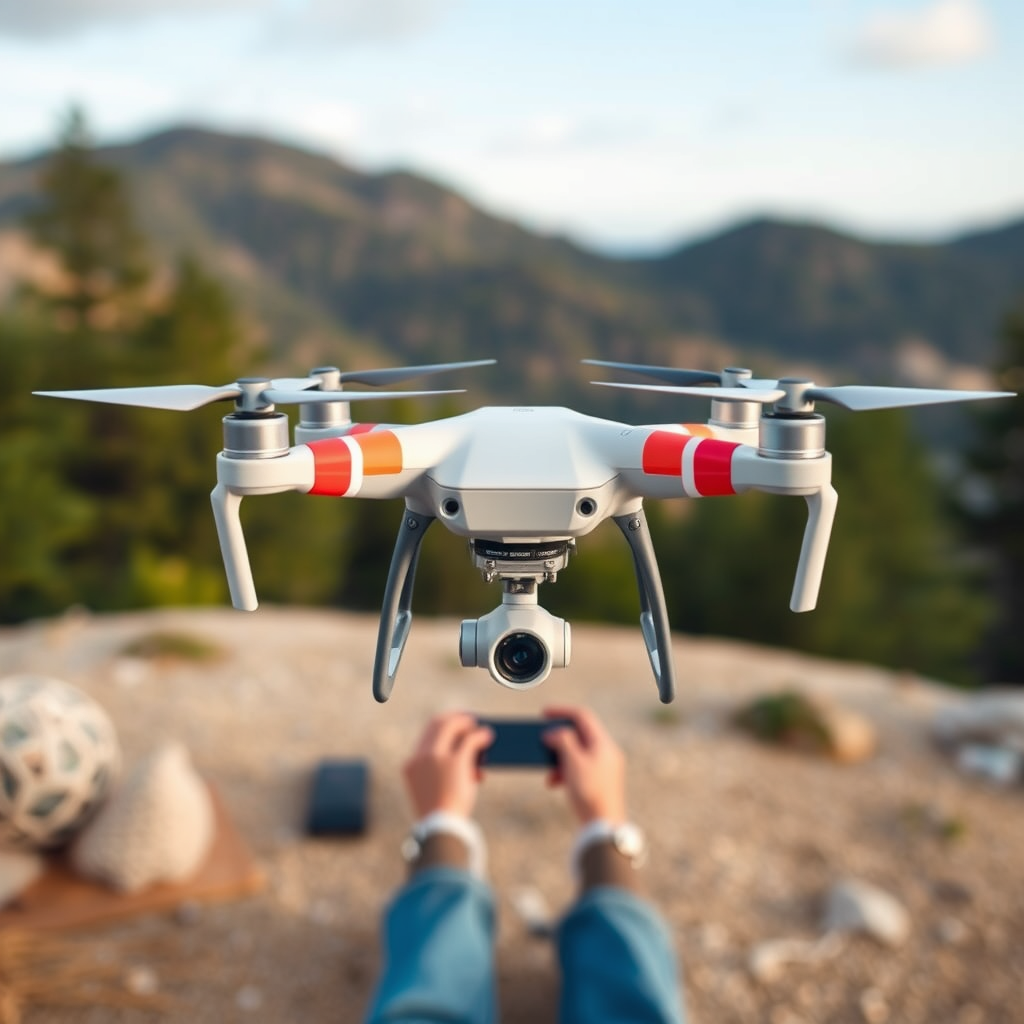
In addition to FAA regulations, local laws may impose additional restrictions on drone usage in recreational areas. Different states and municipalities often have specific ordinances that can limit when and where drones can be flown, particularly in urban environments or popular parks. It is essential to research both federal and local laws to ensure compliance and avoid potential fines or penalties.
Designated Areas for Drone Flight
Not all recreational areas permit drone flying, so it’s crucial to identify local parks or recreational areas that do allow this activity. Many municipalities have designated parks or nature reserves where drone use is permitted, often stipulated in signage or regulations published on their official websites. For instance, some large urban parks may have specific zones marked for drone flying, providing a safe space for enthusiasts to operate their drones without endangering others.
Checking for any designated flight zones not only enhances safety but minimizes disturbances to other park-goers and wildlife. Websites such as the FAA’s B4UFLY app can help drone pilots locate areas where flying is allowed, ensuring a more enjoyable experience while adhering to legal guidelines.
Safety Considerations
Safety should always be a paramount concern when operating a drone in recreational areas. Pilots must maintain a safe distance from people, animals, and property to avoid accidents that could result in injury or damage. The general rule of thumb is to stay at least 25 feet away from any individual or group of people, unless you have their explicit consent.
Being aware of your surroundings is crucial while flying. Drones can be affected by weather conditions like wind and rain, which can lead to loss of control. Furthermore, pilots should be vigilant about potential hazards, such as trees, power lines, or other structures. Avoiding crowded areas and flying during calm weather can enhance safety and contribute to a more enjoyable flying experience.
Respecting Wildlife and Nature
Drones can have a significant impact on wildlife and natural ecosystems, which is why it is vital to avoid flying near wildlife habitats. Many parks have specific guidelines in place to protect sensitive areas, especially during breeding seasons or in locations known to support endangered species. Ignoring these guidelines can not only disturb local wildlife but may also lead to fines or restrictions on drone use.
Following guidelines for environmentally sensitive areas helps protect local ecosystems. For example, the U.S. Fish and Wildlife Service advises drone pilots to maintain a minimum distance from nesting birds and other wildlife to avoid causing stress or dislocation. Engaging in responsible flying practices reflects a commitment to preserving the environment and respecting the natural habitat.
Permission and Permits
Before flying your drone in specific recreational areas, it’s essential to determine if you need a permit. Some parks and recreational facilities may require prior approval for drone use, especially for commercial purposes or larger gatherings. Checking the park’s official website or contacting park management can provide clarity on any necessary permissions.
In addition, some areas may have specific rules about flying during events or peak usage times, where drone activity could interfere with the enjoyment of others. Ensuring that you have the appropriate permits and permissions not only helps you stay compliant but also fosters responsible community relations.
Best Practices for Recreational Drone Pilots
To ensure a safe and enjoyable drone flying experience, adopting best practices is crucial. One effective method is to use a pre-flight checklist, which can include inspecting battery life, ensuring that all parts are functioning correctly, and confirming that the drone’s firmware is up to date. This simple routine can prevent technical malfunctions that may lead to accidents.
Staying updated on local drone laws and community guidelines is also essential. Regulations can change, and new local ordinances may be enacted, impacting where and how drones can be flown. Joining local drone clubs or online forums can be valuable for obtaining timely information and learning from other experienced pilots.
Moreover, being courteous to other park users, whether they are fellow drone enthusiasts or visitors enjoying the outdoors, is critical. Using common sense and good judgment will help foster a positive environment for all recreational activities.
In conclusion, flying a drone in recreational areas is possible, but it is crucial to follow regulations and guidelines to ensure a safe and enjoyable experience. By familiarizing yourself with FAA and local laws, respecting wildlife and nature, and adopting best practices, you can engage in your hobby while contributing to the community and the environment. Always check local laws and respect the environment as you enjoy the freedom that drone flying offers.
Frequently Asked Questions
What are the regulations for flying a drone in a recreational area?
Regulations for flying drones in recreational areas vary by location, but generally, you must adhere to the Federal Aviation Administration (FAA) guidelines in the United States. This includes flying below 400 feet, keeping your drone within visual line of sight, and not flying over people or moving vehicles. Additionally, check local laws and any specific park regulations, as some areas may have restrictions or require permits for drone use.
How do I find out if a recreational area allows drone flying?
To determine if a recreational area permits drone flying, start by checking the official website of the park or recreational facility. Many parks provide specific drone regulations and guidelines. You can also utilize apps like AirMap or the FAA’s B4UFLY, which offer real-time information on airspace restrictions and provide details on local drone laws.
Why is it important to follow drone regulations in recreational areas?
Following drone regulations in recreational areas is crucial for safety, privacy, and environmental protection. Non-compliance can lead to accidents, disturbances to wildlife, and privacy violations for other park-goers. Moreover, violating regulations may result in fines or legal penalties, so adhering to guidelines ensures a safer and more enjoyable experience for everyone involved.
What should I do if I encounter issues while flying my drone in a recreational area?
If you face issues while flying your drone in a recreational area, first ensure that you are complying with all regulations and guidelines. If you encounter conflicts with other visitors or park staff, remain calm and respectful, and address the situation directly. It may also be beneficial to have a copy of the drone regulations on hand to clarify any misunderstandings, and if necessary, consider relocating to another area where drone use is permitted.
Which recreational areas are the best for flying drones?
The best recreational areas for flying drones typically include wide-open spaces such as state parks, designated drone flying zones, or fields that are free from people and obstacles. Specific parks and wildlife refuges known for drone-friendly policies can be found online. Always verify the local regulations and check for any specific areas that are off-limits to ensure a safe and enjoyable flying experience.
References
- https://www.faa.gov/uas/recreational_flyers/
- https://www.nps.gov/subjects/drones/index.htm
- https://www.ama-flightschool.com/
- https://www.wired.com/story/drone-flying-laws-guide/
- https://www.ncparks.gov/drone-flying-in-north-carolina-state-parks
- https://www.theguardian.com/technology/2021/mar/01/what-you-need-to-know-about-drones
- https://www.faa.gov/uas/getting_started/where_to_fly/
- https://www.aaus.org/
- https://www.faa.gov/uas/getting_started/registration/
- https://www.reuters.com/technology/drone-rules-recreational-flyers-2021-06-18/
