

Yes, flying a drone in a wildlife management area is often restricted or regulated. Understanding these regulations is crucial for drone enthusiasts who want to capture the beauty of nature without disrupting wildlife habitats. This article will delve into the important aspects of flying drones in wildlife management areas (WMAs), including the purpose of these areas, relevant federal and state laws, local guidelines, the impact of drone activity on wildlife, best practices for responsible usage, and alternative methods for wildlife observation.
Understanding Wildlife Management Areas
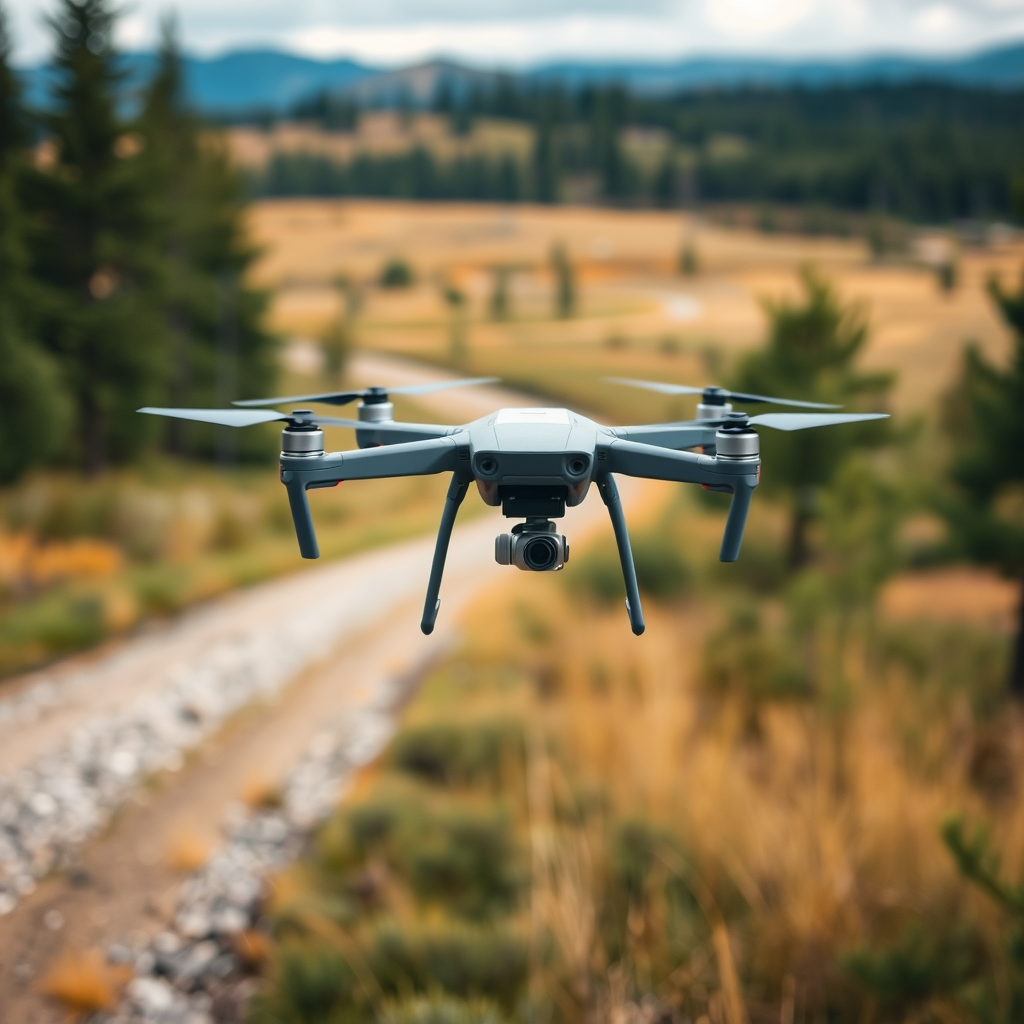
Wildlife Management Areas (WMAs) are designated lands aimed at conserving wildlife and their habitats while providing opportunities for public enjoyment and education. These areas serve multiple purposes, including the protection of endangered species, the restoration of native habitats, and the management of wildlife populations for hunting and recreation. WMAs play a crucial role in maintaining biodiversity and ensuring that ecosystems remain intact, as they are often situated in critical areas where wildlife can thrive without the pressures of urban development.
The importance of conservation and habitat protection cannot be overstated. WMAs act as sanctuaries where various species can live, reproduce, and flourish. They also serve as vital research sites for scientists and conservationists who study ecological balance, species interactions, and the impacts of human activity on the environment. Thus, any activities conducted within these areas, including drone flights, must be carefully regulated to prevent disturbances to wildlife and their habitats.
Federal and State Regulations
The use of drones in WMAs is subject to a variety of federal laws designed to protect wildlife and their environments. The National Park Service, for instance, has strict regulations that prohibit drone use in national parks, which often overlap with WMAs. The Migratory Bird Treaty Act also plays a significant role in regulating drone use, as it protects migratory birds and their habitats from disturbances caused by human activities, including aerial photography and observation.
At the state level, regulations can vary significantly. Some states have specific laws that restrict drone use in WMAs to ensure that wildlife remains undisturbed. For example, in California, the Department of Fish and Wildlife prohibits drone usage in certain protected areas to safeguard sensitive species. Similarly, Florida has enacted regulations that limit drone flights near specific wildlife habitats, particularly during nesting seasons. Therefore, it is essential for drone operators to familiarize themselves with both federal and state regulations before planning a flight in a WMA.
Local Guidelines and Restrictions
In addition to federal and state laws, local guidelines play a critical role in determining whether drone flights are permissible in WMAs. Local wildlife management authorities often establish rules that cater to the unique characteristics of their areas. Before flying a drone, it is essential to research the specific WMA you intend to visit. Many WMAs provide information on their websites about drone usage, including any restrictions that may apply.
Moreover, potential seasonal restrictions may be in place to protect wildlife during breeding or migration periods. For instance, some WMAs may prohibit drone flights during the nesting season of birds or the calving season of deer to prevent unnecessary stress on these animals. Understanding these local guidelines not only helps you comply with regulations but also contributes to the overall conservation efforts in the area.
Impact on Wildlife
Drone activity can significantly disturb wildlife and their habitats. The noise generated by drones can startle animals, leading them to flee their nests or feeding grounds, which can have detrimental effects on their survival and reproduction. For example, studies have shown that nesting birds can abandon their eggs or chicks when disturbed by low-flying drones, ultimately jeopardizing their populations.
Certain species are particularly vulnerable to drone disturbances. Raptors, for instance, are known to be sensitive to aerial disturbances, which can disrupt their hunting and nesting behaviors. Similarly, ground-nesting birds such as plovers and terns may abandon their nests in response to drone activity. Understanding the potential impacts of drones on local wildlife is crucial for anyone considering flying in or around WMAs.
Best Practices for Responsible Drone Use
For those who choose to operate drones in WMAs, adhering to best practices is vital to minimize the impact on wildlife. First and foremost, always follow local regulations and guidelines. Before taking off, conduct thorough research on the specific WMA’s rules regarding drone usage.
Additionally, consider flying your drone at higher altitudes to reduce noise pollution and minimize disturbances to wildlife on the ground. Avoid flying over nesting sites or areas where wildlife is known to congregate, and maintain a respectful distance from animals to mitigate stress. Using drones for wildlife observation should prioritize the well-being of the creatures being observed, ensuring that their natural behaviors are not disrupted.
Finally, if you are using drones for photography or videography, consider utilizing features that allow for silent operation or limit the drone’s noise output. This approach not only protects wildlife but also enhances the quality of your footage by capturing scenes without the distracting hum of drone motors.
Alternatives to Flying Drones in WMAs
If flying a drone in a wildlife management area is not permissible or desirable, there are several alternative methods for wildlife observation that can provide enriching experiences without the potential for disruption. Traditional wildlife watching can be incredibly rewarding, allowing for close encounters with animals in their natural habitats while maintaining a respectful distance.
Field guides and binoculars can enhance your wildlife observation experience, allowing you to appreciate the beauty of animals without the noise and disturbance associated with drones. Additionally, wildlife photography can be done effectively from the ground, capturing stunning images from a distance.
For those keen on drone technology, consider seeking out locations where drone use is permitted, such as certain parks or recreational areas that do not overlap with critical wildlife habitats. These areas often offer breathtaking landscapes and opportunities for aerial photography without the ethical concerns associated with flying in WMAs.
In conclusion, while flying a drone in a wildlife management area may seem appealing for capturing stunning views and engaging in wildlife observation, it is essential to adhere to regulations and prioritize the well-being of wildlife. Understanding the specific rules governing drone use, both federally and locally, is crucial for responsible operation. By considering the impact of drone activity on wildlife and exploring alternative methods for observation, you can enjoy and appreciate nature while contributing to the protection of our invaluable ecosystems. Always check local guidelines before planning your drone activities and strive to engage with nature in a responsible and respectful manner.
Frequently Asked Questions
Can you fly a drone in a wildlife management area?
Flying a drone in a wildlife management area (WMA) is generally subject to specific regulations and restrictions. Most WMAs have rules in place to protect wildlife and their habitats, which may prohibit drone usage. It’s important to check with the local wildlife agency or management authority for specific regulations, as they can vary by location and may include seasonal restrictions or designated areas where drone flying is allowed.
What are the potential consequences of flying a drone in a wildlife management area?
The potential consequences of flying a drone in a wildlife management area can include fines, confiscation of your drone, and legal action, depending on the severity of the violation. Additionally, unauthorized drone use can disturb wildlife, leading to adverse effects on animal behavior and habitat integrity, which is often the reason for strict regulations.
How can I find out the rules for flying drones in a specific wildlife management area?
To find out the rules for flying drones in a specific wildlife management area, visit the official website of the local wildlife management authority or the state’s department of natural resources. These resources often provide detailed information on drone regulations, including maps of restricted zones and any necessary permits. You can also contact the agency directly for the most accurate and up-to-date information.
Why are drones restricted in wildlife management areas?
Drones are often restricted in wildlife management areas to minimize human impact on wildlife and their habitats. The noise and presence of drones can stress animals, disrupt mating and nesting behaviors, and interfere with their natural activities. These regulations are designed to ensure the conservation of biodiversity and the protection of sensitive ecosystems within these areas.
What are the best practices for flying a drone near wildlife areas if regulations permit it?
If regulations permit flying a drone near wildlife areas, best practices include keeping your drone at a safe distance from wildlife, avoiding flying during sensitive times such as breeding seasons, and maintaining a low altitude to minimize disturbances. Always stay informed about local guidelines and prioritize the well-being of wildlife by respecting their space and habitat. Additionally, using a drone with noise-reducing features can help lessen the impact on local fauna.
References
- https://www.fws.gov/service/faq/drone-use-national-wildlife-refuges
- https://www.nps.gov/articles/drones-in-national-parks.htm
- https://www.faa.gov/uas/resources/uas_regulations/
- https://www.wildlife.ca.gov/Conservation/Drone-Use
- https://www.nwf.org/Educational-Resources/Wildlife-Library/All-Educational-Resources/Drone-Use-and-Wildlife
- https://www.usgs.gov/centers/whcmsc/science/drone-technology-and-its-use-wildlife-research
- https://www.nature.com/articles/s41598-020-67457-7
- https://www.sciencedirect.com/science/article/pii/S2352938518314080
- https://www.drones.com/drone-regulations-in-wildlife-areas/
