

Yes, you can fly a drone in an authorization zone, but it requires specific permissions and adherence to regulations. Understanding these requirements is essential to ensure safe and legal drone operations. Authorization zones are designated areas where certain restrictions apply, often due to safety concerns, and navigating these regulations is critical for drone pilots who wish to operate in such locations.
Understanding Authorization Zones
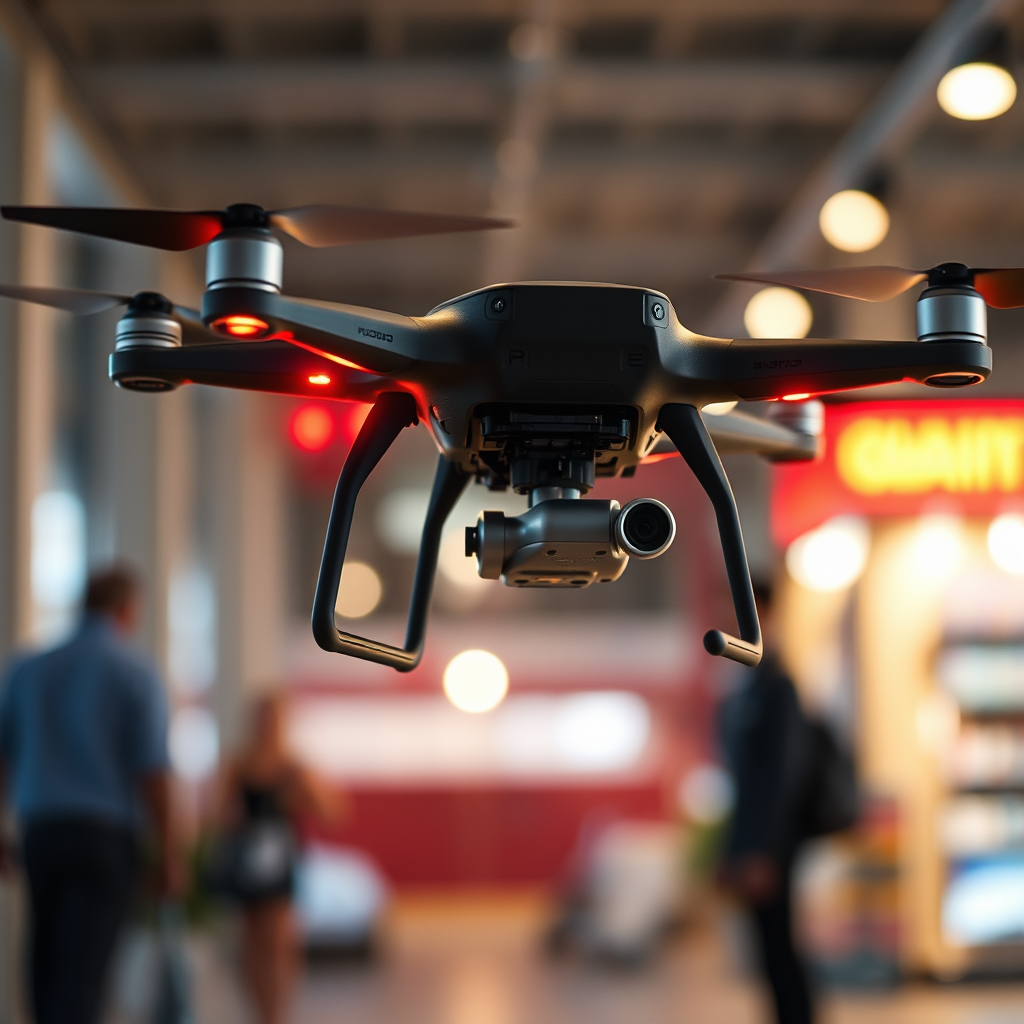
Authorization zones are defined as areas within controlled airspace where drone operations are restricted or regulated to ensure safety, security, and compliance with various aviation laws. Their primary purpose is to protect sensitive locations and manage air traffic, thereby reducing the likelihood of accidents or security breaches. Common examples of authorization zones include airports, military bases, and areas near emergency response operations. For instance, flying a drone near an airport requires careful consideration of air traffic control protocols, while military bases may have stricter security measures that prohibit unauthorized drone flights altogether.
In addition to these examples, authorization zones can also include national parks and wildlife refuges, where regulations protect natural habitats and promote conservation efforts. Understanding the specific characteristics and regulations of these zones is vital for any drone operator who plans to fly in proximity to them.
Legal Requirements for Drone Flight
The Federal Aviation Administration (FAA) governs drone operations in the United States, establishing regulations that dictate how and where drones can be flown. According to FAA guidelines, commercial drone pilots must obtain a Remote Pilot Certificate and adhere to Part 107 regulations. These regulations include maintaining a line of sight with the drone, flying below 400 feet, and avoiding flying over people and moving vehicles.
When planning to operate a drone in an authorization zone, it is crucial to obtain the necessary permits or waivers from the FAA or other relevant authorities. This might involve submitting a request through the FAA’s online portal, detailing the proposed flight plan, the purpose of the flight, and any safety measures that will be implemented. Understanding these legal requirements not only helps ensure compliance but also fosters a culture of safety and responsibility within the drone flying community.
How to Obtain Authorization
Obtaining authorization to fly a drone in an authorization zone involves a systematic process. The following steps outline how to effectively navigate this procedure:
1. Identify the Zone: Determine whether the intended flight area falls within an authorization zone by consulting the FAA’s airspace maps or using specialized drone mapping applications.
2. Research Requirements: Consult the FAA’s guidelines for the specific authorization zone you plan to operate in. This includes understanding the specific procedures for obtaining permission and any restrictions that apply.
3. Prepare Your Flight Plan: Create a detailed flight plan that includes the purpose of your flight, the specific locations of takeoff and landing, and the projected flight path. Make sure to highlight any safety measures you will implement.
4. Submit Your Request: Use the FAA’s online platform to submit your request for authorization. Ensure that all information is accurate and complete to facilitate a smooth approval process.
5. Follow Up: After submission, follow up with the FAA or the relevant authority to check the status of your request. Being proactive can help expedite the approval process.
6. Communicate Effectively: When communicating with authorities, be clear and concise about your intentions and the safety measures in place. Providing thorough explanations can help build trust and facilitate approval.
By following these steps, drone operators can enhance their chances of obtaining the necessary authorizations to operate within restricted airspace legally.
Safety Considerations
Safety is paramount when flying drones, especially in authorization zones. It is essential to maintain a safe distance from restricted areas and to be aware of any potential hazards associated with flying near sensitive locations. For instance, when flying near airports, operators should be mindful of manned aircraft and adhere strictly to air traffic control instructions.
Best practices for flying drones in proximity to authorization zones include:
– Pre-Flight Checks: Conduct thorough pre-flight inspections to ensure that the drone is in good working condition, including battery levels and communication systems.
– Maintain Situational Awareness: Stay alert to your surroundings and be aware of any changes in air traffic or environmental conditions that could impact your flight.
– Use a Spotter: If possible, have a second person act as a visual observer to assist in maintaining awareness of both the drone and the surrounding airspace.
– Establish Emergency Protocols: Prepare for emergencies by having a plan in place in case of equipment failure or unforeseen circumstances that may require immediate action.
By prioritizing safety and adhering to established best practices, drone operators can minimize risks and contribute to a safer flying environment.
Technology and Tools for Compliance
In the age of technology, there are numerous apps and tools available that can help drone pilots check airspace status and ensure compliance with regulations. Some of the recommended tools include:
– B4UFLY: This FAA-developed app provides real-time information about airspace restrictions, including authorization zones. It allows users to know whether they can fly in a specific area based on their location and the time of day.
– SkyVector: A resource for aviation charts, SkyVector provides detailed maps that can help drone operators understand airspace categorization and restrictions.
– AirMap: This app offers a user-friendly interface that allows drone pilots to check airspace status, plan flights, and even request airspace authorization directly through the application.
Additionally, using GPS technology is crucial for monitoring your drone’s location in real-time. Many drones come equipped with GPS capabilities that allow operators to track their flight path, ensuring they remain within authorized airspace. Utilizing these technologies not only aids in compliance but also enhances overall safety.
Consequences of Unauthorized Flight
Flying a drone without proper authorization can lead to significant legal repercussions. The FAA takes violations seriously, and drone operators found flying in restricted areas without permission may face hefty fines and penalties. For example, fines can range from a few hundred dollars to tens of thousands, depending on the severity of the violation and whether it poses a risk to public safety.
In addition to financial penalties, unauthorized drone flights can result in criminal charges, loss of drone operating privileges, and damage to the operator’s reputation. There have been instances where individuals have faced legal action for flying near airports or restricted military zones, leading to severe consequences. It is essential for drone operators to understand the importance of obtaining the necessary authorizations and to respect the rules governing airspace to avoid these pitfalls.
In conclusion, while it is possible to fly a drone in an authorization zone with proper permissions, it’s crucial to thoroughly understand and comply with regulations. Drone operators must be proactive in obtaining the necessary authorizations, prioritize safety, and utilize technology to ensure compliance. By doing so, they can enjoy a positive flying experience while contributing to a safe and responsible drone community.
Frequently Asked Questions
What is an authorization zone for drone flying?
An authorization zone for drone flying is a designated airspace area where specific regulations and permissions are required before operating a drone. These zones are typically located near airports, military installations, and certain urban areas to ensure safety and security. Understanding the boundaries and requirements of these zones is crucial for drone operators to avoid legal issues and ensure safe flying practices.
How can I obtain permission to fly a drone in an authorization zone?
To obtain permission to fly a drone in an authorization zone, you typically need to file a request with the relevant air traffic control authority or the FAA, depending on your location. This process often involves providing details about your flight plans, the purpose of your drone operation, and ensuring compliance with any applicable regulations. Utilizing tools like the FAA’s B4UFLY app can help you determine if you need authorization and guide you through the application process.
Why do authorization zones exist for drone flights?
Authorization zones exist to protect sensitive areas and maintain airspace safety. These zones help prevent conflicts between drones and manned aircraft, especially in high-traffic regions such as near airports or military bases. By enforcing regulations and requiring permissions, authorities can better manage airspace usage, ensuring the safety of both drone operators and the public.
What are the consequences of flying a drone in an authorization zone without permission?
Flying a drone in an authorization zone without proper permission can lead to serious consequences, including hefty fines, legal action, and the potential confiscation of your drone. Violators may also face restrictions on future drone operations and even criminal charges in severe cases. Understanding and adhering to the regulations surrounding authorization zones is essential to avoid these negative outcomes.
Which tools or apps can help me identify authorization zones for drone flying?
Several tools and apps can assist drone operators in identifying authorization zones, including the FAA’s B4UFLY app, which provides real-time information about airspace restrictions and requirements. Other popular tools include Airmap and Skyward, which offer comprehensive airspace maps and regulatory guidance. Utilizing these resources can help ensure that you stay informed and compliant while flying your drone.
References
- https://www.faa.gov/uas/recreational_flyers/
- https://www.faa.gov/uas/commercial_operators/
- https://en.wikipedia.org/wiki/Drone
- https://www.nasa.gov/feature/what-is-a-drone
- https://www.abc.net.au/news/technology/2021-04-29/drone-laws-australia/100087488
- https://www.nationalgeographic.com/science/article/drones-in-the-skies
- https://www.nytimes.com/2021/02/05/us/drone-regulations.html
- https://www.faa.gov/air_traffic/publications/atpubs/aim/
- https://www.ots.ca.gov/
- https://www.surveysolutions.org/faq/drone-authorization-zones/
