

Yes, you can fly a drone in an enhanced warning zone, but there are specific regulations and restrictions you must follow. Enhanced warning zones are designated areas where increased caution is required due to the proximity of critical infrastructure, such as airports or military bases. Understanding these regulations is essential for ensuring safe, legal, and responsible drone operation in such sensitive areas.
Understanding Enhanced Warning Zones
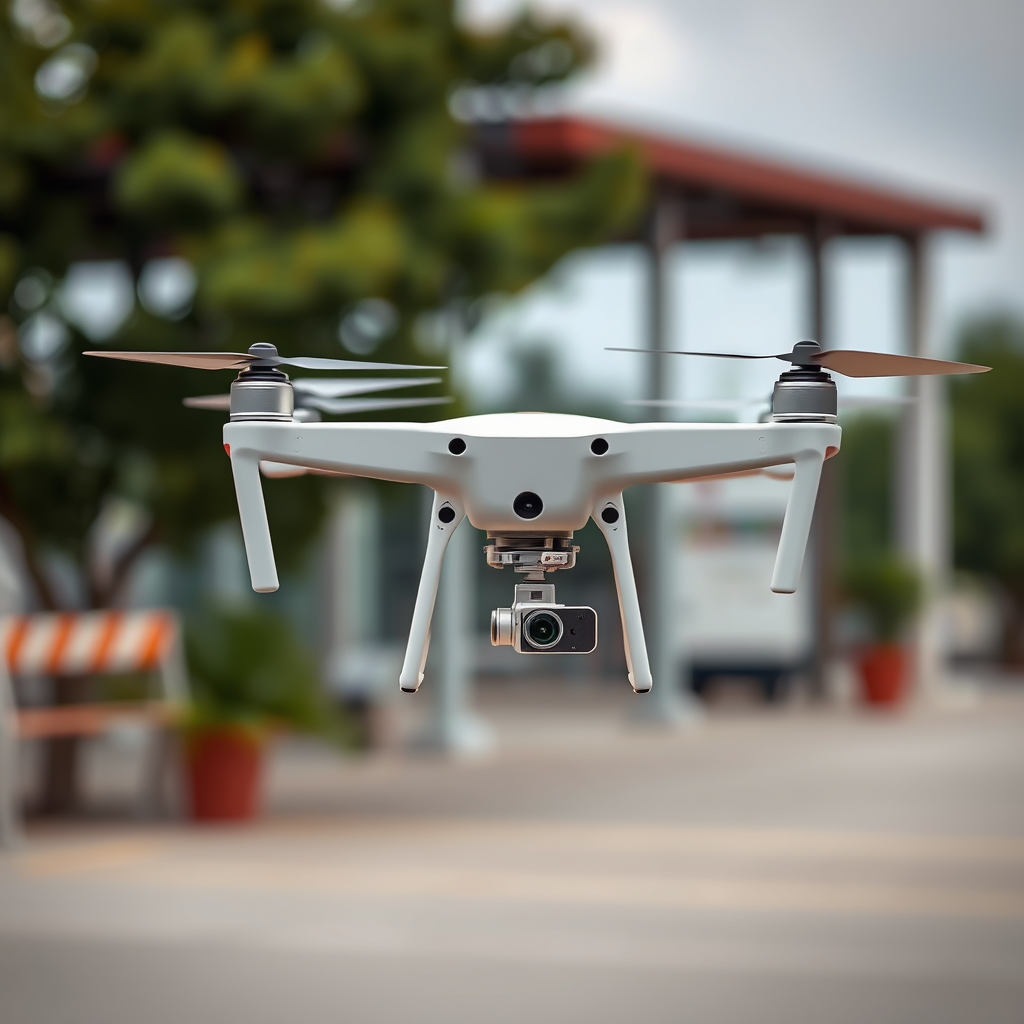
Enhanced warning zones are designated airspace areas where drone operators must exercise heightened caution due to the presence of sensitive installations or operations. These zones exist to protect vital assets, including commercial and military aviation facilities, which are critical to national security and public safety. The primary purpose of enhanced warning zones is to mitigate risks associated with unauthorized drone flights, which could potentially interfere with manned aircraft operations or compromise security.
Common locations for enhanced warning zones include airspace surrounding airports, military bases, and areas hosting large public gatherings or significant events. For instance, the FAA has established enhanced warning zones around major airports to ensure that drone operations do not conflict with flight paths or disrupt air traffic control. Similarly, military installations often have restricted airspace to safeguard sensitive operations and equipment.
Legal Restrictions for Drone Flight
Federal regulations govern the use of drones within enhanced warning zones, and it is imperative for operators to familiarize themselves with these rules to avoid legal repercussions. In the United States, the Federal Aviation Administration (FAA) regulates all unmanned aerial vehicles (UAVs) under Part 107 of the Federal Aviation Regulations. This includes stipulations on altitude limits, registration requirements, and operational guidelines.
To fly a drone in an enhanced warning zone, operators typically need to obtain specific permissions or authorizations. This may involve applying for a waiver through the FAA for flights that deviate from standard regulations. Additionally, in some cases, drone pilots may need to notify local air traffic control before operating within these zones, particularly if the flight is near an airport or military airspace. It is crucial to check the latest regulations and guidelines, as these may change based on evolving security needs and technological advancements.
Safety Considerations
When operating a drone in enhanced warning zones, situational awareness is paramount. Pilots must remain vigilant and aware of their surroundings, particularly regarding manned aircraft in the vicinity. The risks to aviation safety are significant; unauthorized drone flights can lead to near-misses or collisions with aircraft, which can have catastrophic consequences.
Furthermore, public safety is also a concern. Drones can pose risks to individuals on the ground, especially in populated areas or during large gatherings. An uncontrolled drone might cause injury or property damage, leading to serious legal implications for the operator. Therefore, maintaining a clear line of sight and adhering to operational best practices is essential to mitigate these risks.
Drone Technology and Compliance
Modern drone technology offers features that can significantly aid compliance with regulations in enhanced warning zones. One of the most notable advancements is geo-fencing, which restricts drone flights based on geographic boundaries. Many commercial drones are equipped with geo-fencing capabilities that prevent them from entering restricted airspace automatically.
Additionally, using updated software is critical for real-time compliance. Drone manufacturers frequently release firmware updates that enhance safety features and improve geo-fencing accuracy. Operators should ensure that they are using the latest version of their drone’s software and that they regularly check for updates. This not only helps in complying with regulations but also enhances the overall safety and functionality of the drone.
Best Practices for Flying in Enhanced Warning Zones
Before flying a drone in an enhanced warning zone, operators should take several important steps. First and foremost, checking local airspace maps is essential. The FAA provides tools such as the B4UFLY app, which allows drone pilots to check the regulatory status of their intended flight area. This tool provides real-time information about airspace restrictions, including enhanced warning zones, ensuring that operators are well-informed before taking off.
Communication with local authorities is also recommended. This might involve notifying air traffic control or coordinating with law enforcement agencies. Establishing a clear line of communication can help mitigate misunderstandings and enhance safety during drone operations. Furthermore, setting up a contingency plan in case of unexpected obstacles or emergencies can further ensure a safe flight experience.
Consequences of Non-Compliance
Failing to comply with regulations governing drone flights in enhanced warning zones can lead to significant legal repercussions. The FAA has the authority to impose fines and penalties on operators who violate airspace restrictions. For instance, unauthorized drone flights near airports can result in fines ranging from thousands to tens of thousands of dollars, depending on the severity of the violation.
There are numerous documented incidents where non-compliance has led to penalties. For example, in 2019, a drone operator was fined $20,000 for flying in restricted airspace near a major airport without authorization. This incident not only resulted in a financial penalty but also highlighted the potential dangers posed to commercial aviation. Such examples underscore the importance of adhering to regulations and maintaining compliance at all times.
Resources for Drone Operators
To stay informed about regulations and best practices, drone operators can utilize a variety of resources. Key regulatory agencies include the Federal Aviation Administration (FAA), which provides comprehensive guidelines on drone operations, and the National Oceanic and Atmospheric Administration (NOAA), which offers specific information on airspace restrictions and environmental considerations.
Additionally, several websites and apps are designed to assist drone pilots in navigating the complexities of airspace regulations. Tools such as the FAA’s B4UFLY app, AirMap, and DroneLogbook provide valuable insights into airspace conditions, allowing operators to make informed decisions. Engaging with local drone communities and forums can also provide support and shared knowledge on best practices and compliance strategies.
To wrap up, flying a drone in an enhanced warning zone is possible, but it requires careful adherence to regulations and safety practices. By understanding the nature of these zones, obtaining the necessary permissions, and leveraging drone technology, operators can ensure a responsible flying experience. Always stay informed and aware to uphold the highest standards of safety and compliance in your drone operations.
Frequently Asked Questions
What is an enhanced warning zone for drone flying?
An enhanced warning zone is a designated airspace area where additional caution is required for drone operations. These zones are typically established around sensitive locations such as airports, military bases, or large public events, and may have specific restrictions or guidelines to ensure the safety of manned aircraft and the general public. Understanding these zones is crucial for drone operators to avoid legal repercussions and ensure safe flying practices.
Can I fly my drone in an enhanced warning zone without permission?
No, flying a drone in an enhanced warning zone without prior permission is generally prohibited. Operators must seek authorization from the relevant authorities, such as the FAA in the United States, before conducting any drone flights in these restricted areas. Failure to comply can result in fines, legal action, or being banned from flying altogether, so it’s essential to check the regulations and obtain the necessary permissions.
How can I find out if a specific location is an enhanced warning zone for drones?
To determine if a location is an enhanced warning zone, you can use resources like the FAA’s B4UFLY app or the official FAA website, which provide updated maps and information on restricted airspace. Additionally, many drone flight planning apps include features that highlight these zones, making it easier for operators to plan their flights responsibly. Always verify the latest information before flying to ensure compliance with airspace regulations.
Why are enhanced warning zones important for drone pilots?
Enhanced warning zones are crucial for drone pilots as they help maintain airspace safety by minimizing the risk of collisions between drones and manned aircraft. These zones are established around sensitive or high-traffic areas to protect both the public and aviation operations. By understanding and respecting these zones, drone pilots can contribute to safer airspace and avoid potential fines or penalties associated with unauthorized flying.
What should I do if I need to fly in an enhanced warning zone for a specific project?
If you need to fly in an enhanced warning zone for a project, the first step is to contact the appropriate governing body, such as the FAA or local aviation authority, to request special permission. You may need to submit a detailed flight plan outlining your intended operations, safety measures, and the purpose of your flight. Additionally, always ensure that you are familiar with local regulations and guidelines to ensure compliance and safety during your operation.
References
- https://www.faa.gov/uas/where_to_fly/enhanced_warning_zones
- https://www.faa.gov/uas/getting_started/remote_id
- https://www.faa.gov/uas/resources/policies_regulations
- https://www.nps.gov/articles/drones-in-national-parks.htm
- https://www.abc.net.au/news/2020-01-29/drone-flying-rules-regulations-in-australia/11906820
- https://www.theguardian.com/technology/2021/jan/11/drone-flying-rules-uk-explained
- https://www.nasa.gov/centers/langley/pdf/2019/Drone_Operations_in_Enhanced_Warning_Zones.pdf
