
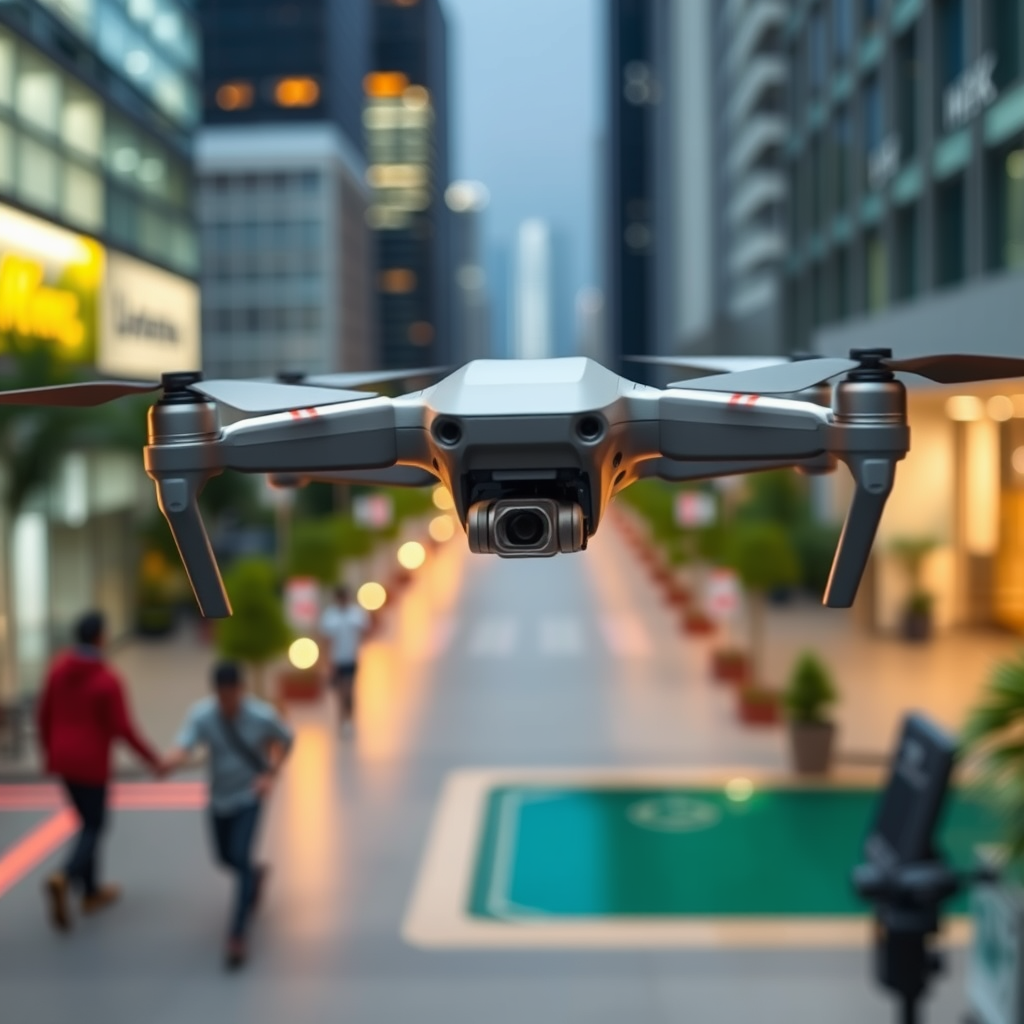
Yes, you can fly a drone in Bangkok, but there are strict regulations and guidelines you must follow. Understanding these rules is essential for both safety and legal compliance while enjoying your aerial adventures in the city. As the popularity of drones continues to rise, it is critical for both hobbyists and professionals to be aware of the legal landscape concerning drone operations in Thailand’s bustling capital. This guide provides comprehensive insights into the regulations, required permits, no-fly zones, best practices, and tips for capturing stunning footage, ensuring that your drone flying experience is both thrilling and lawful.
Understanding Drone Regulations in Thailand
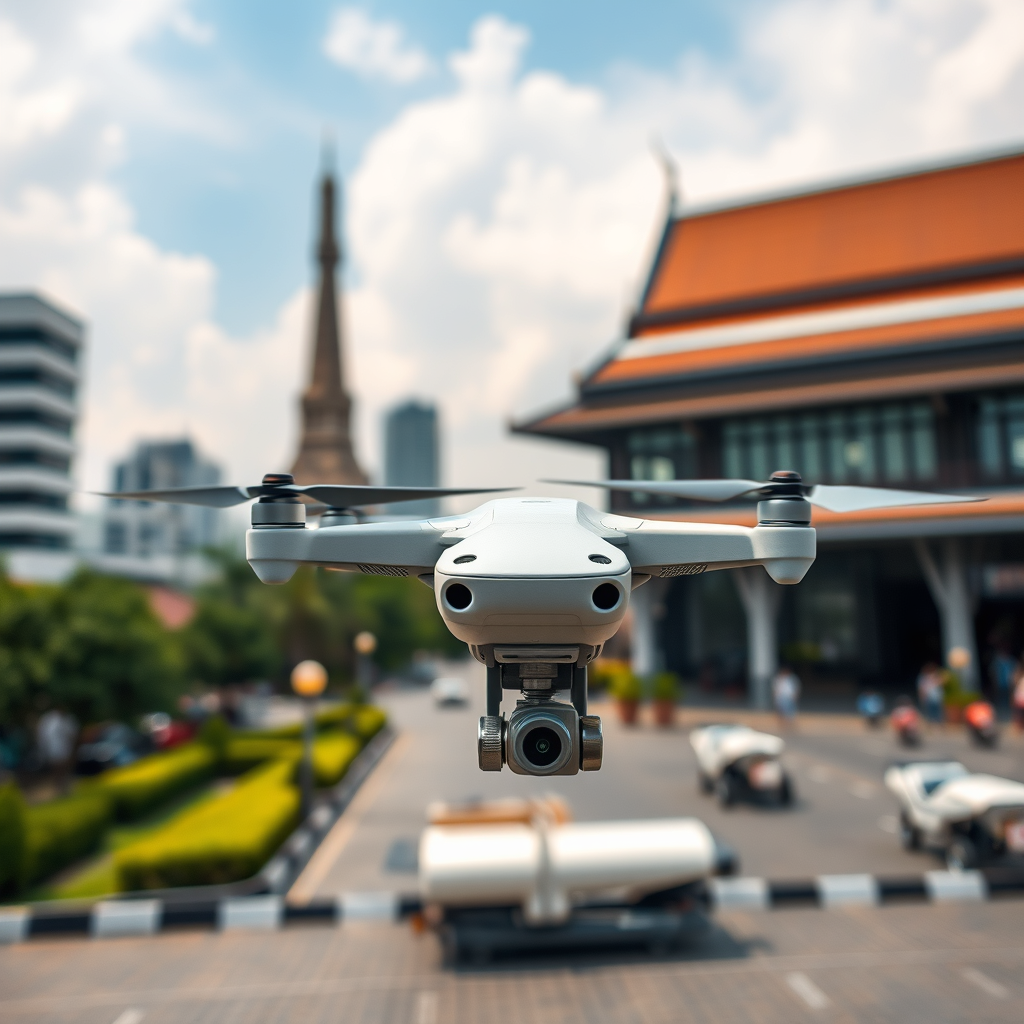
Drones in Thailand are regulated by the Civil Aviation Authority of Thailand (CAAT), which oversees the legal framework governing aerial operations. Compliance with these regulations is not only mandatory but also vital for the safety of both drone operators and the general public. The CAAT has established clear guidelines specifying that any drone weighing over 2 kilograms must be registered. This registration process involves submitting necessary documentation, including proof of ownership, identification, and details about the drone’s specifications.
For drones weighing under 2 kilograms, registration is not required, but operators must still adhere to operational guidelines. Additionally, drone pilots must be at least 20 years old and possess a valid identification document to operate a drone legally in Thailand. Understanding these regulations helps ensure that you are equipped to fly your drone without encountering legal issues.
Required Permits and Licenses
If your drone exceeds the weight limit of 2 kilograms, obtaining a drone license from CAAT becomes essential. This license is a testament to your knowledge of drone operation and safety practices. The application process typically requires a written examination that covers various aspects of aviation rules, drone technology, and emergency procedures, ensuring that pilots are well-informed.
Moreover, special permits are necessary for flying in specific areas, such as national parks, military zones, or populated urban areas like central Bangkok. These permits are particularly crucial in places where drone operations may interfere with local air traffic or pose risks to public safety. It is advisable to apply for these permits well in advance of your intended flight, as processing times can vary.
No-Fly Zones in Bangkok
In Bangkok, certain areas are designated as no-fly zones to maintain safety and security. These restricted areas include prominent government buildings, military installations, and airports. For instance, flying a drone near Suvarnabhumi Airport is strictly prohibited due to the high volume of air traffic and the potential hazards it poses.
Additionally, popular tourist spots such as the Grand Palace and Wat Arun may have their own restrictions regarding drone usage. It is crucial to do thorough research on your intended flight locations beforehand to avoid unintentional violations. Understanding these no-fly zones ensures that you can enjoy the breathtaking views of Bangkok while staying within the law.
Best Practices for Flying Drones
To ensure a safe and enjoyable drone flying experience, several best practices should be adhered to. First and foremost, always check the weather conditions before flying. High winds, rain, or low visibility can severely impact your ability to control the drone and capture quality footage. Utilizing weather apps that provide real-time data can help you assess the optimal flying conditions.
Additionally, maintaining a visual line of sight with your drone at all times is crucial. This practice not only complies with legal requirements but also allows you to monitor your drone’s performance and surroundings effectively. Consider flying in open areas away from crowds to minimize potential risks and distractions.
Another best practice is to familiarize yourself with the local drone community. Engaging with other drone enthusiasts can provide valuable insights into the best flying techniques, popular locations, and any recent changes in regulations. Forums and social media groups can serve as excellent resources for connecting with fellow drone pilots.
Tips for Capturing Stunning Footage
Capturing breathtaking aerial footage requires strategic planning and an understanding of the best times and locations to fly. Utilizing early morning or late afternoon for your flights can enhance the quality of your footage, as natural lighting during these times is often softer and more flattering. The golden hour—the time shortly after sunrise and before sunset—offers unique lighting conditions that can elevate your videos and photographs.
Moreover, familiarizing yourself with the local landscape is essential. Researching iconic landmarks and hidden gems can help you choose the best locations for aerial photography. Additionally, considering the angle and altitude of your shots can make a significant difference in the overall quality of your footage. Experimenting with different perspectives can yield captivating results that showcase Bangkok’s vibrant culture and stunning architecture.
Consequences of Violating Drone Laws
Failing to comply with Thailand’s drone laws can lead to severe consequences. Fines and penalties for non-compliance can be hefty, potentially running into thousands of baht. In some cases, drone operators may also face criminal charges, especially if their actions result in public endangerment or property damage.
Furthermore, authorities have the power to confiscate drones that are flown illegally. This can be particularly disheartening for hobbyists who have invested time and money into their equipment. To avoid these outcomes, it is essential to stay informed about local regulations and adhere to best practices at all times.
In conclusion, while you can fly a drone in Bangkok, it’s crucial to adhere to local regulations and guidelines to ensure a safe and enjoyable experience. Registration, permits, and an understanding of no-fly zones are integral aspects of lawful drone operation in the city. By following best practices and embracing the tips for capturing stunning footage, you can make the most of your drone flying adventures. Always stay informed about the latest laws and community insights to enhance your aerial exploration of Bangkok’s breathtaking vistas.
Frequently Asked Questions
Can you fly a drone in Bangkok without permission?
Flying a drone in Bangkok without permission is not allowed. In Thailand, drone operators must register their drones with the Civil Aviation Authority of Thailand (CAAT) and obtain a permit for commercial use. Recreational flyers must still adhere to local regulations and may need to notify authorities, especially when flying in crowded areas or near restricted zones.
What are the rules for flying drones in Bangkok?
The rules for flying drones in Bangkok include maintaining a maximum altitude of 90 meters (approximately 295 feet), keeping the drone within the operator’s line of sight, and avoiding flying over crowds or private property without consent. Additionally, drones are prohibited in certain areas, such as near airports, military bases, and government buildings, so it’s essential to check local regulations before flying.
How can I register my drone in Thailand?
To register your drone in Thailand, you need to visit the CAAT’s official website and complete the registration form. You will need to provide information about your drone, including its specifications and your personal information. After submitting the application, pay any applicable fees, and wait for confirmation from CAAT before flying your drone legally in Bangkok.
Why is it important to follow drone laws in Bangkok?
Following drone laws in Bangkok is crucial for ensuring public safety and avoiding legal issues. Non-compliance can lead to hefty fines, confiscation of the drone, or even criminal charges. Additionally, adhering to regulations helps maintain safety in busy urban environments and protects the privacy of residents and visitors.
What are the best places to fly a drone in Bangkok?
The best places to fly a drone in Bangkok include open parks like Lumpini Park and Benjakitti Park, where there are fewer crowds and more space for aerial photography. However, always ensure you have the necessary permissions and are adhering to local regulations. Additionally, consider flying during early mornings or late afternoons for optimal lighting and minimal disturbance to the public.
References
- https://www.gov.uk/guidance/drone-safety-on-the-farm
- https://www.thaiembassy.com/thailand/drone-regulations-in-thailand
- https://www.bbc.com/news/world-asia-47970612
- https://www.theguardian.com/world/2020/jan/06/thailand-approves-drone-use-for-agricultural-purposes
- https://www.thaipbsworld.com/thailand-revises-drone-regulations-to-boost-economy-and-safety/
- https://www.cnbc.com/2022/02/09/thailand-bans-drone-flights-in-bangkok-and-other-areas.html
- https://www.wired.com/story/drone-regulations-in-thailand/
- https://www.bangkokpost.com/thailand/general/2048515/drone-use-in-thailand-regulations-and-guidelines
