

Yes, you can fly a drone in Big Bend National Park, but there are strict regulations you must follow. The unique and delicate ecosystems that define this vast park require that drone pilots operate responsibly and in compliance with both federal and park-specific guidelines. By understanding these rules, you can ensure a safe and enjoyable flying experience while honoring the natural beauty of Big Bend.
Overview of Drone Regulations
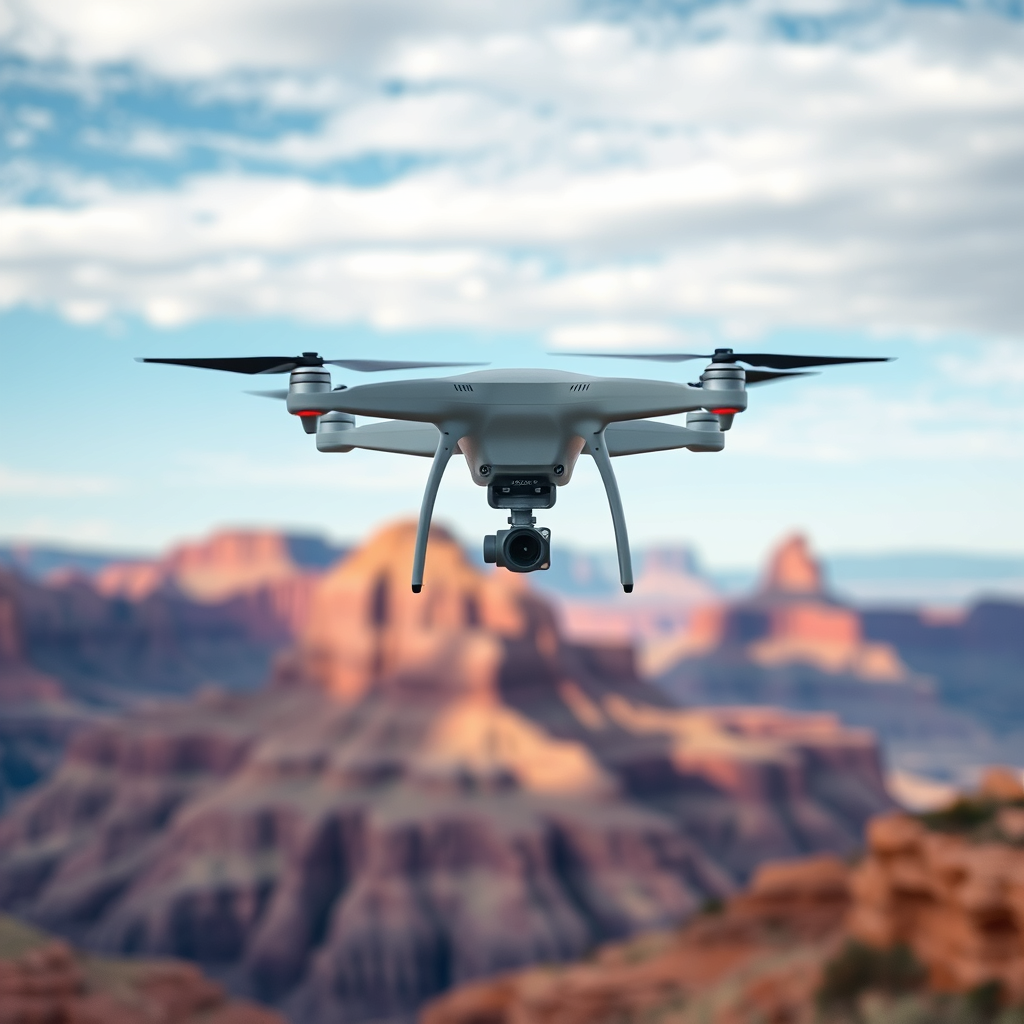
Big Bend National Park, located in West Texas, encompasses over 800,000 acres of unspoiled wilderness, making it an alluring destination for both nature enthusiasts and drone pilots. However, the park’s regulations regarding drone use are stringent. Drones are strictly prohibited in designated wilderness areas, which cover a significant portion of the park. These restrictions are in place to protect sensitive habitats and wildlife that thrive in these undisturbed regions.
Furthermore, all drone pilots must adhere to the Federal Aviation Administration (FAA) regulations, which include guidelines on altitude limits, no-fly zones, and registration requirements. Additionally, national park rules demand that drone operators respect the tranquility of the environment and the experience of other visitors. Thus, understanding these regulations is essential for anyone considering drone flight in Big Bend National Park.
Permitted Areas for Drone Use
While drone use is restricted in many areas, there are specific locations within Big Bend National Park where drone flying is permitted. These areas typically include non-wilderness zones such as parking lots, developed park facilities, and certain open spaces that are clearly marked. Pilots should refer to the park’s official maps and resources to identify these designated areas.
It’s important to note that even in permitted zones, drone operators must be mindful of their surroundings. Flying in crowded areas or close to wildlife can lead to disturbances that may disrupt both the natural environment and the experience of other park visitors. Always check the latest information from the National Park Service or the park’s website for any updates or changes to drone regulations.
Required Permits and Legal Considerations
For commercial drone operators, obtaining a Special Use Permit from the National Park Service is mandatory before flying a drone in Big Bend. This permit is necessary to ensure that commercial activities do not interfere with the park’s natural resources or visitor experiences. The application process involves providing detailed information about the intended use of the drone, the flight plan, and how the operation will comply with park regulations.
Recreational drone users, while not required to obtain a permit, must still familiarize themselves with local laws and regulations governing drone flight. Failing to comply with these legal requirements can result in fines and other penalties. Being aware of both national guidelines and specific park rules is crucial to ensure a hassle-free experience.
Safety Guidelines for Drone Operation
Operating a drone safely is paramount, especially in a national park setting where the environment is fragile and the potential for disturbances is heightened. One of the primary safety guidelines is to maintain a line of sight with your drone at all times. This ensures that the pilot can effectively control the drone and respond to any potential hazards, such as wildlife or other visitors.
Additionally, drone pilots should avoid flying over crowds, wildlife, or sensitive habitats. Wildlife can easily be startled by drones, leading to stress and disrupted behaviors that impact their survival. For instance, nesting birds may abandon their nests if disturbed by drone activity. Respecting these guidelines not only fosters a safer environment but also promotes a more enjoyable experience for everyone in the park.
Best Practices for Responsible Drone Use
Engaging in responsible drone use is critical for preserving the beauty and integrity of Big Bend National Park. One best practice is to respect the privacy of other visitors and local residents. Drones can be intrusive, and maintaining a respectful distance from others will enhance the overall experience for everyone involved.
Limiting flight times and altitudes is another way to reduce environmental impact. By minimizing the duration of flights and avoiding high altitudes, drone pilots can help mitigate noise pollution and disturbances to wildlife. Additionally, considering weather conditions and avoiding windy days can help ensure safer flying practices.
Consequences of Violating Drone Regulations
Failing to adhere to drone regulations in Big Bend National Park can have serious consequences. Violators may face substantial fines, ranging from hundreds to thousands of dollars, depending on the severity of the infraction. In some cases, park rangers may confiscate drones used in illegal operations. Repeat offenders may also face bans from the park, preventing them from enjoying the natural beauty that draws visitors from around the globe.
Understanding the potential consequences of violating drone regulations emphasizes the importance of compliance. By following the rules, drone pilots can not only avoid penalties but also contribute positively to the preservation of the park’s unique ecosystems.
In conclusion, flying a drone in Big Bend National Park is indeed possible, provided that pilots adhere to specific regulations and guidelines designed to protect the environment and enhance visitor experiences. By being informed about permitted areas, required permits, safety guidelines, and best practices for responsible drone use, you can enjoy the stunning landscapes of Big Bend while ensuring that future generations can appreciate this natural treasure as well. Always prioritize safety, compliance, and respect for the environment to make the most of your drone-flying adventure in the park.
Frequently Asked Questions
Can you fly a drone in Big Bend National Park?
No, you cannot fly a drone in Big Bend National Park. The National Park Service prohibits the use of drones within park boundaries to protect wildlife and preserve the natural landscape. This regulation is designed to minimize disturbances to both the environment and other visitors who come to enjoy the park’s serene atmosphere.
What are the restrictions on drone use in Big Bend National Park?
The restrictions on drone use in Big Bend National Park include a complete ban on flying drones for recreational or commercial purposes. This is part of the broader policy enforced by the National Park Service to maintain the integrity of park ecosystems and ensure visitor safety. If you are considering drone photography or videography, you will need to explore alternative locations outside the park where drone usage is permitted.
How can I capture aerial photography in Big Bend National Park if drones are prohibited?
To capture aerial photography in Big Bend National Park, consider using alternative methods such as hiring a professional aerial photographer who uses manned aircraft or exploring nearby locations where drone flying is allowed. Additionally, using high-quality telephoto lenses can help you take breathtaking landscape photos from the ground without disturbing the natural environment or violating park regulations.
Why are drones banned in national parks like Big Bend?
Drones are banned in national parks like Big Bend primarily to protect wildlife, preserve natural landscapes, and enhance visitor experiences. The noise and visual intrusion from drones can disrupt animal behavior and breeding patterns, while also detracting from the tranquility that many park visitors seek. The regulations are designed to ensure that these fragile ecosystems remain intact for future generations.
Which national parks allow drone flying, and what are their regulations?
While many national parks, including Big Bend, ban drone flying, some parks do allow it under specific guidelines. For example, locations like the Mojave National Preserve or Grand Canyon National Park permit drones in designated areas, but you must adhere to Federal Aviation Administration (FAA) regulations and park-specific rules. Always check the official park website or contact park authorities for the most current regulations regarding drone use before planning your visit.
References
- https://www.nps.gov/bibe/planyourvisit/drone-use.htm
- https://www.faa.gov/uas/
- https://www.nps.gov/subjects/drones/index.htm
- https://www.tpwd.texas.gov/state-parks/big-bend/
- https://www.aviation.gov.au/uas/drone-flying-in-national-parks
- https://www.wildlife.state.nm.us/education/faq/drone-use-in-national-parks/
- https://www.nationalparkstraveler.org/2021/02/national-parks-and-drones-what-you-need-know
- https://www.law.cornell.edu/wex/drone
