

Yes, you can fly a drone in Budapest, but there are specific regulations and guidelines you must follow to ensure safe and legal operation. Understanding these rules is crucial for both locals and tourists looking to capture stunning aerial views of the city. As drone technology continues to gain popularity, it becomes increasingly important to navigate the complex landscape of airspace regulations. This guide will provide you with essential insights into flying a drone in Budapest, including legal requirements, no-fly zones, necessary permits, best practices, and ideal locations for drone photography.
Understanding Hungarian Drone Laws
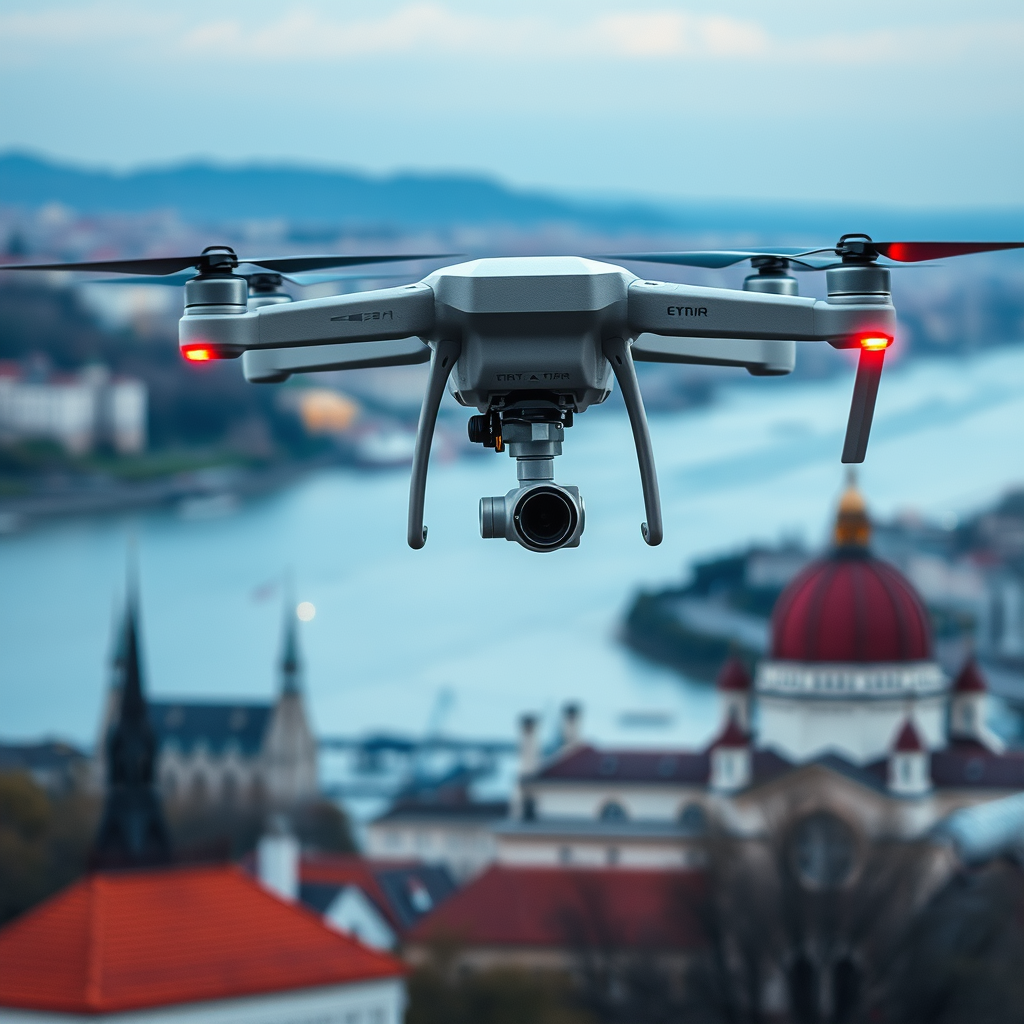
In Hungary, drone regulations are governed by both national laws and European Union guidelines. Drones must be registered if they exceed a weight of 250 grams. This is not merely a formality; registration is crucial for tracking and accountability, especially in urban areas like Budapest. The registration process is relatively straightforward and can usually be completed online through the Hungarian Civil Aviation Authority (HCAA) website.
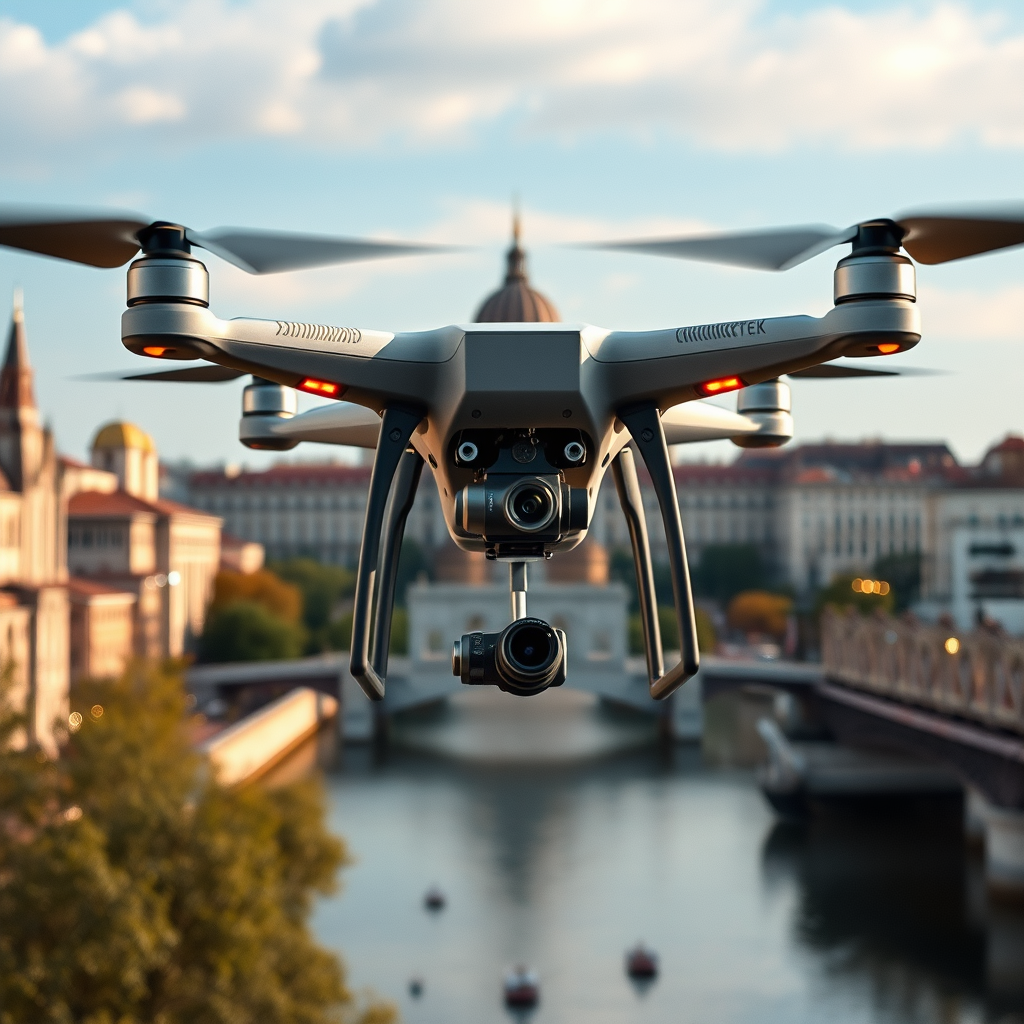
Operators must adhere to the European Union Aviation Safety Agency (EASA) regulations, which have established a uniform framework for drone operations across EU member states. These regulations classify drones into different categories based on their weight and intended use. For instance, operators flying drones in the “Open” category, which covers recreational users, must ensure their drone does not exceed specific weight thresholds and that they fly within visual line of sight. Understanding these regulations is essential to avoid hefty fines or legal repercussions.
No-Fly Zones in Budapest
Budapest, with its rich history and numerous landmarks, has designated no-fly zones to enhance safety and protect privacy. Certain areas, such as those near airports (notably Budapest Ferenc Liszt International Airport) and government buildings, are strictly off-limits. These regulations are critical for ensuring the safety of both manned aircraft and the general public.
Additionally, popular tourist spots may have restrictions. For example, areas surrounding the Parliament building, the Chain Bridge, and St. Stephen’s Basilica often have specific regulations or may require special permissions to fly drones. Always check local rules before flying and consider using apps or websites that provide real-time information on drone restrictions. This diligence will help you avoid potential fines and ensure a smooth flying experience.
Required Permits and Licenses
When it comes to operating drones commercially, a Remote Pilot License (RPL) is necessary. This license is obtained through a comprehensive training program that covers theoretical knowledge and practical skills. The training includes understanding air law, meteorology, and the operational limitations of drones, which are essential for safe flying.
For recreational users, regulations may be less stringent, but completing a basic online training course is often required. This course helps users understand the legal responsibilities involved in flying a drone, including how to respect privacy and maintain safety standards. Although it may seem burdensome, acquiring this knowledge is essential for responsible drone operation and fostering a positive relationship with local authorities and the public.
Best Practices for Flying Drones
To ensure a safe and enjoyable experience while flying your drone, it’s vital to adhere to best practices. Always maintain a visual line of sight with your drone. This not only helps you remain aware of your surroundings but also reduces the risk of collisions with other aircraft or obstacles, such as buildings and trees.
Avoid flying over crowds, as this can pose significant safety risks and infringe on people’s privacy. Respecting the privacy of individuals is not just a legal obligation but also a moral one, contributing to a positive perception of drone users in the community. Additionally, consider the time of day when flying; early mornings or late afternoons often provide better lighting conditions for photography while minimizing the number of people around.
Ideal Locations for Drone Photography
Budapest offers a plethora of breathtaking locations for drone photography, making it a paradise for aerial enthusiasts. The Buda Castle is one of the most iconic sites, providing picturesque views of the city and the Danube River. Capturing the castle illuminated at night can result in stunning photographs that showcase the beauty of Budapest.
The Danube River itself is another fantastic backdrop for aerial videos. Its winding flow through the city, framed by historical buildings and vibrant landscapes, offers endless opportunities for creative shots. Other notable locations include Margaret Island, which provides an expansive green space, and Gellért Hill, offering panoramic views of the city skyline. When scouting for ideal locations, always remember to comply with local regulations regarding drone flights.
Local Drone Communities and Resources
Engaging with local drone communities can significantly enhance your flying experience. Joining local drone clubs allows you to connect with other enthusiasts who can share tips, experiences, and valuable insights about flying in Budapest. These communities often organize meet-ups, workshops, and group flights, fostering a sense of camaraderie among drone operators.
Additionally, utilizing online forums and social media groups can keep you informed about updates to laws, local flying spots, and best practices. Websites like the Hungarian Drone Association offer resources and information tailored to the needs of drone operators in Hungary. Staying connected with these resources will help you navigate the evolving landscape of drone regulations and enhance your flying experience.
In conclusion, flying a drone in Budapest is possible with adherence to local laws and regulations. By understanding Hungarian drone laws, being aware of no-fly zones, obtaining the necessary permits, and following best practices, you can safely capture the beauty of this historic city. Engaging with local communities will further enrich your experience, ensuring you have the knowledge and support needed for a successful drone flight. Make sure to research and prepare before your flight to enjoy a safe and memorable experience capturing the beauty of this historic city.
Frequently Asked Questions
What are the drone flying regulations in Budapest?
In Budapest, as in the rest of Hungary, drone operators must adhere to the rules set by the Hungarian National Transport Authority (NTA). Drones weighing more than 250 grams must be registered, and users must follow specific altitude limits (generally, not exceeding 120 meters) and maintain a safe distance from people and buildings. It’s also essential to respect no-fly zones, such as near airports, military installations, and densely populated areas.
How can I get permission to fly a drone in Budapest?
To fly a drone in Budapest, you may need to obtain permission from the relevant authorities, particularly if your drone weighs over 2 kg or if you plan to fly in controlled airspace. You can apply for authorization through the Hungarian National Transport Authority’s website. It’s important to submit your application well in advance of your intended flight to ensure you receive the necessary permits in time.
Why is it important to check for no-fly zones before flying a drone in Budapest?
Checking for no-fly zones is crucial for compliance with local regulations and for ensuring public safety. In Budapest, certain areas, such as historical sites, government buildings, and airports, are designated as no-fly zones to prevent accidents and protect privacy. Flying in these restricted areas can lead to fines, confiscation of your drone, or legal repercussions.
What are the best locations to fly a drone in Budapest?
Some of the best locations to fly a drone in Budapest include the expansive areas of City Park (Városliget) and the Danube River, which provide stunning views of the cityscape. Additionally, the Buda Hills offer breathtaking landscapes and less congested areas for drone enthusiasts. However, always ensure that you are flying in compliance with local regulations and avoiding crowded spaces.
Which drone models are recommended for flying in Budapest?
For flying in Budapest, it’s advisable to choose drones that are lightweight, easy to maneuver, and equipped with good camera capabilities for capturing the city’s beauty. Popular models like the DJI Mini 2 or the DJI Air 2S are excellent choices due to their portability and advanced features. Always ensure that your drone meets local regulations and has the necessary safety features before flying.
References
- https://en.wikipedia.org/wiki/Drone_regulations_in_the_United_States
- https://www.dronelife.com/2021/04/29/drone-laws-by-country/
- https://www.caa.hu/en/
- https://www.easa.europa.eu/easa-and-you/civil-drones-rpas
- https://www.europa.eu/youreurope/citizens/travel/transport/drone-flights/index_en.htm
