

Yes, you can fly a drone in Cambodia, but there are specific regulations and guidelines that must be followed. Understanding these rules will ensure a safe and legal experience while enjoying the beautiful landscapes and historical sites of the country. As drone technology becomes more prevalent, it is crucial for both locals and tourists to be aware of the legal framework governing drone use, ensuring that they capture the stunning vistas of Cambodia responsibly.
Understanding Cambodian Drone Regulations
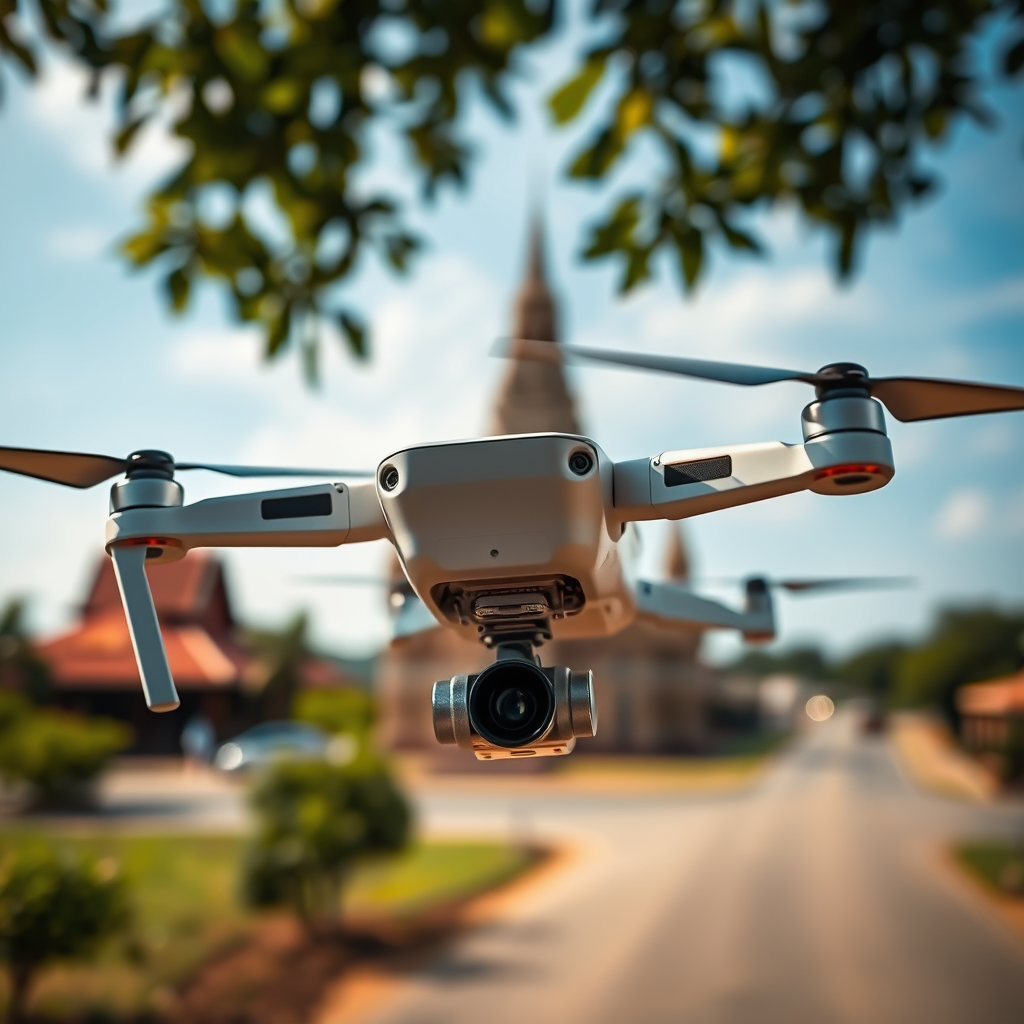
Drones in Cambodia are regulated by the Civil Aviation Authority of Cambodia (CAAC), which has established guidelines to ensure safety and compliance. These regulations are in place to streamline drone usage while safeguarding the airspace for other aviation activities. One key regulation is that all drones weighing over 2 kg must be registered with the CAAC before they can be flown. This registration process involves submitting specific information about the drone and its operator, which helps authorities maintain oversight over drone operations.
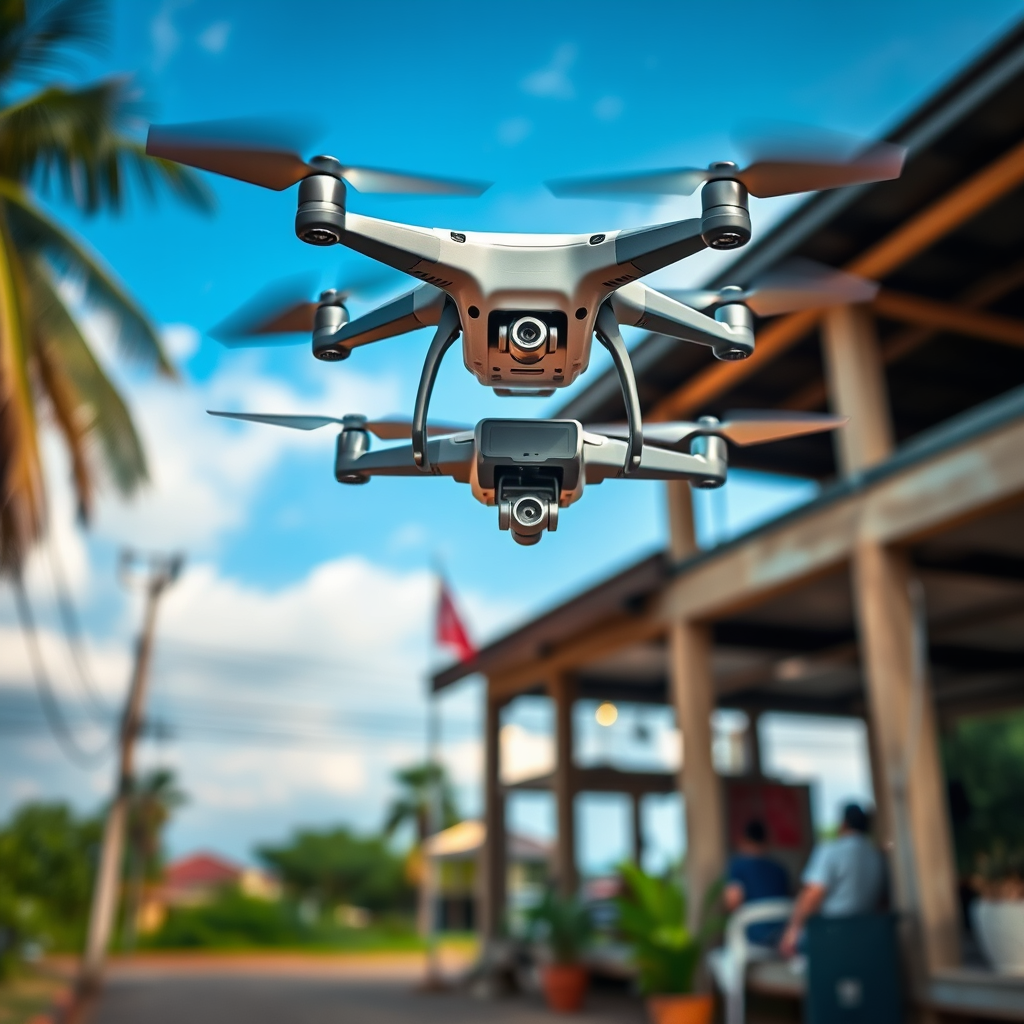
Additionally, drone pilots must adhere to operational rules set forth by the CAAC, which include restrictions on altitude, flying in adverse weather conditions, and more. Understanding these regulations is vital for anyone looking to operate a drone in Cambodia, as non-compliance can result in penalties or confiscation of the drone.
Obtaining Necessary Permissions
Before flying a drone, especially for commercial purposes, pilots must obtain a flight permit from the CAAC. This process typically involves submitting an application that outlines the intended flight plan, including the location, duration, and purpose of the drone operation. Providing comprehensive details in your application can expedite the approval process.
For recreational users, while a permit may not always be necessary, it’s advisable to check with local authorities for any specific requirements or temporary restrictions. This proactive approach ensures compliance with the law and contributes to a safer environment for all airspace users.
No-Fly Zones in Cambodia
In Cambodia, there are defined no-fly zones where drone operations are strictly prohibited. These areas include military bases, airports, and significant cultural heritage sites such as Angkor Wat. Flying a drone in these restricted zones can lead to serious legal repercussions, including fines or legal action. To avoid inadvertently entering these areas, it is crucial for drone operators to familiarize themselves with local maps, regulatory updates, and any temporary flight restrictions that may be in place due to events or construction.
Using resources such as the CAAC website or local drone communities can provide valuable insights into current no-fly zones. Additionally, employing drone navigation apps that highlight restricted areas can enhance situational awareness, helping operators plan their flights effectively.
Safety Guidelines for Flying Drones
Safety is paramount when flying drones, and adhering to established safety guidelines is essential. First and foremost, operators should maintain a visual line of sight with their drone at all times. This practice not only ensures better control but also helps avoid potential collisions with other aircraft or obstacles.
Moreover, drone pilots should avoid flying over crowds or densely populated areas. This limitation is critical for minimizing risks to people on the ground and adhering to safety protocols. Pilots should also be aware of their surroundings, including environmental factors such as wind and weather conditions, which can greatly influence drone performance.
In addition, it is advisable to conduct a pre-flight check to ensure that the drone is in good working condition. This includes verifying battery levels, checking for software updates, and ensuring that all components are functioning correctly. Following these safety guidelines will contribute to a responsible and enjoyable flying experience.
Respecting Privacy and Local Norms
When operating a drone in Cambodia, it is essential to respect the privacy of individuals and local customs. This includes obtaining consent when flying near people, especially in rural areas where privacy norms may differ from those in urban settings. Being considerate of how drone flights may affect locals fosters goodwill and positive interactions.
Moreover, understanding local customs and practices can greatly enhance the drone flying experience. Engaging with local communities and seeking their insights can provide valuable context about the cultural significance of various locations. This respectful approach not only enriches your experience but also helps build a positive reputation for drone users in Cambodia.
Insurance and Liability Considerations
While not mandatory, obtaining drone insurance is a prudent choice for both recreational and commercial pilots. Drone insurance can cover potential damages or accidents, providing peace of mind and financial protection should any incidents occur. Various insurance options are available, ranging from basic liability coverage to comprehensive policies that protect against theft, damage, and third-party claims.
Additionally, drone operators should be aware of their liability in case of incidents involving their drone. This includes understanding the legal ramifications of accidents that may cause injury or property damage. By being informed about liability considerations, drone pilots can take proactive steps to mitigate risks and ensure responsible operation.
In conclusion, flying a drone in Cambodia is allowed with compliance to local regulations and safety guidelines. It is essential for drone operators to stay informed about the latest rules, respect the culture and privacy of locals, and prioritize safety during their flights. By adhering to these guidelines, drone enthusiasts can enjoy the breathtaking beauty of Cambodia responsibly while contributing to a positive image of drone use in the country.
Frequently Asked Questions
Can you legally fly a drone in Cambodia?
Yes, you can legally fly a drone in Cambodia, but there are specific regulations you must follow. The Civil Aviation Authority of Cambodia (CAAC) requires drone operators to register their drones and obtain a permit for recreational and commercial use. It’s essential to familiarize yourself with local laws to ensure compliance and avoid potential fines.
What are the drone regulations in Cambodia?
Drone regulations in Cambodia involve several key requirements. Operators must register their drones with the CAAC, obtain a permit, and ensure their drone does not exceed 25 kilograms. Additionally, drones must be flown below 150 meters and away from populated areas, airports, and military zones. Understanding these regulations is crucial for a safe and legal flying experience.
How can I obtain a drone permit in Cambodia?
To obtain a drone permit in Cambodia, you need to submit an application to the Civil Aviation Authority of Cambodia. This process typically includes providing details about your drone, the purpose of your flight, and proof of insurance. The CAAC may require additional documentation, so it’s advisable to check their official website or contact them directly for the most current information.
Why is it important to register your drone in Cambodia?
Registering your drone in Cambodia is important for several reasons. First, it ensures compliance with local laws, which helps you avoid fines or legal issues. Secondly, registration contributes to safer airspace management by helping authorities track drone activity, ultimately promoting responsible drone use and reducing risks associated with drone operations.
What are the best practices for flying a drone in Cambodia?
The best practices for flying a drone in Cambodia include adhering to all local regulations, such as registering your drone and obtaining the necessary permits. Additionally, always fly your drone in open areas away from crowds and sensitive locations, maintain visual line-of-sight, and respect the privacy of individuals. By following these best practices, you can ensure a safe and enjoyable drone flying experience while promoting responsible drone usage.
