

Yes, you can fly a drone in cold weather, but there are important considerations to keep in mind to ensure safe and effective operation. Cold temperatures can significantly impact battery life, drone performance, and the overall safety of your flying experience. Understanding these effects and preparing accordingly can lead to successful flights even in frigid conditions.
Understanding Cold Weather Effects on Drones
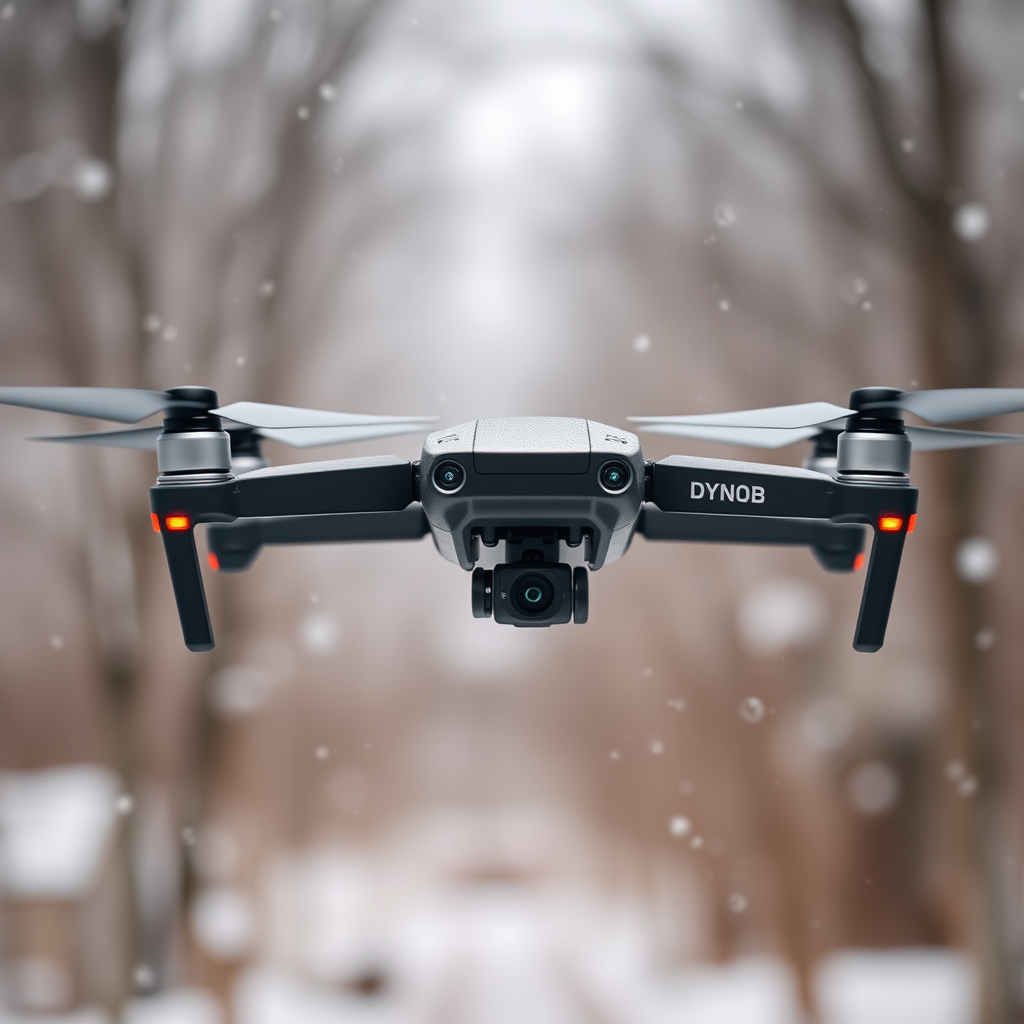
Cold weather poses unique challenges for drone operation. One of the most significant effects is on battery efficiency. Lithium-polymer (LiPo) batteries, which are commonly used in drones, can experience a notable drop in performance at lower temperatures. As temperatures fall, the chemical reactions within the battery slow down, leading to reduced voltage output and shorter flight times. For instance, a drone that typically flies for 25 minutes in moderate weather may only achieve 15 to 20 minutes in cold weather.
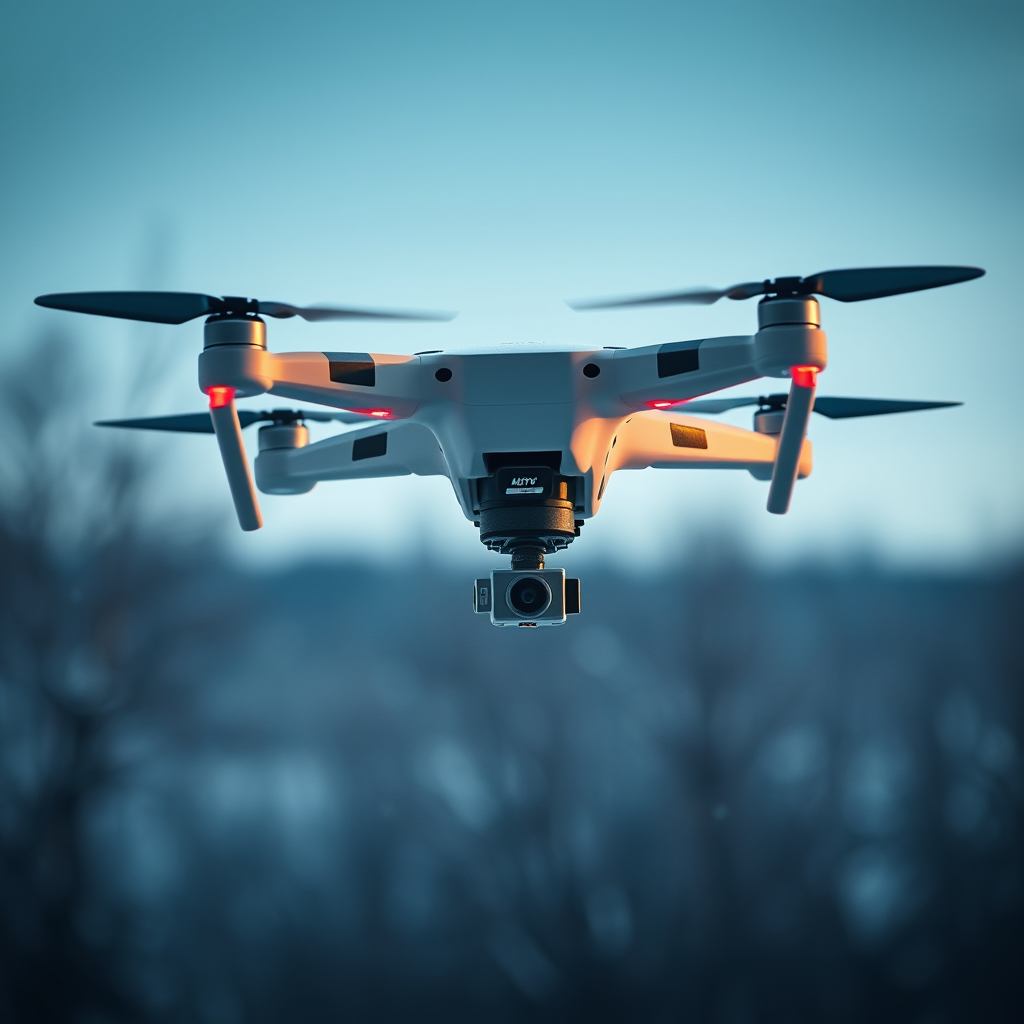
Additionally, the drone’s motors and components may behave differently in colder conditions. Cold temperatures can increase the viscosity of lubricants used in motor bearings, potentially leading to increased friction and reduced efficiency. This can result in sluggish response times and delayed maneuverability, which are critical for safely navigating obstacles in the air. Pilots should be vigilant about these changes and remain prepared for a different flying experience than in warmer weather.
Preparing Your Drone for Cold Weather
Preparation is key to flying a drone successfully in cold weather. Before heading out, ensure your drone is fully charged. Cold weather can drain batteries more quickly than usual, so starting with a fully charged battery is crucial for maximizing flight time. Additionally, consider keeping your batteries warm prior to flight. Using thermal insulation, such as insulated battery bags or warm packs, can help maintain a higher battery temperature, extending its efficiency during the flight.
Another important step is to inspect the drone thoroughly before flying. Check for any signs of wear or damage that could be exacerbated by cold weather, such as brittle plastic or compromised wiring. Proper maintenance not only ensures better performance but also increases the safety of the operation. Lastly, familiarize yourself with the drone’s features, including any temperature gauges or performance indicators that can help you monitor its condition during flight.
Adjusting Flight Techniques in Cold Conditions
When flying in cold weather, adjusting your flight techniques is essential. Fly more cautiously, especially if you are new to operating drones in winter conditions. Maintain lower altitudes to help manage any potential loss of control caused by sudden changes in wind patterns or drone responsiveness. Lower altitudes can also reduce the risk of the drone encountering unexpected obstacles, such as trees or buildings, which may be obscured by snow or ice.
It’s also important to be mindful of wind chill factors. Wind can exacerbate the cooling effects of cold temperatures, impacting the drone’s stability and control. Strong winds can make flying more challenging and can lead to erratic flight paths. Use weather apps or local forecasts to stay informed about wind speeds and conditions, and avoid flying during gusty weather.
Legal Considerations for Flying Drones in Winter
Before taking your drone out for a winter flight, it is crucial to check local regulations concerning drone use in cold weather. Some regions may impose restrictions on drone operations during winter months or in specific weather conditions, such as heavy snowfall or ice. Moreover, certain areas may have designated no-fly zones that are particularly relevant during winter, such as near wildlife habitats that are sensitive during hibernation.
Understanding these regulations can help you avoid fines and ensure safe flying practices. Additionally, staying informed about any temporary flight restrictions or advisories issued by aviation authorities can help avoid dangerous situations. For instance, when flying near airports or urban areas, be sure to comply with any specific guidelines that may apply during adverse weather conditions.
Troubleshooting Common Cold Weather Issues
Despite thorough preparation, issues can still arise when flying drones in cold weather. If your drone begins to exhibit erratic flying behavior, such as sudden altitude changes or drift, it is advisable to land the drone immediately and assess the situation. Cold temperatures can result in unexpected performance changes, and addressing these issues promptly can prevent accidents or crashes.
Monitoring the drone’s temperature gauge, if equipped, is another effective way to manage its performance. Some drones come with built-in sensors that alert pilots if the temperature is too low or if the device is overheating. If you do not have this feature, consider using a handheld thermometer to check the drone’s external temperature before and during your flight. This can help you gauge whether it is safe to continue flying or if it’s time to land.
Best Practices for Winter Drone Photography
Cold weather can offer stunning opportunities for winter drone photography, but it comes with its own set of challenges. To capture beautiful aerial shots without compromising your equipment, consider using lens heaters. These devices can prevent condensation from forming on your camera lens, which is a common issue when transitioning from cold to warm environments. A few seconds of fogging can ruin an otherwise perfect shot, so investing in this equipment can be well worth it.
Furthermore, take advantage of the unique winter landscape to enhance your photography. Snow-covered terrain can create striking contrasts and highlight patterns that are not visible in other seasons. Look for opportunities to capture reflections in icy bodies of water, or shoot during golden hour when the low sun casts a beautiful glow over the snow. Experimenting with angles and perspectives can also yield impressive results, providing a fresh take on familiar scenes.
In summary, while flying a drone in cold weather is feasible, it necessitates careful preparation and an understanding of how cold impacts drone performance. Prioritizing battery management, adjusting flight techniques, and being aware of legal regulations can enhance both safety and enjoyment. By following best practices for winter photography, you can make the most of the unique opportunities that this season presents. Happy flying!
Frequently Asked Questions
Can you fly a drone in cold weather?
Yes, you can fly a drone in cold weather, but it’s essential to take some precautions. Cold temperatures can affect battery performance, reducing flight time and stability. It’s advisable to keep your drone’s batteries warm before use and monitor the drone’s performance during the flight to ensure safe operation.
What temperature is too cold to fly a drone?
While most consumer drones can operate in temperatures between 32°F (0°C) and 104°F (40°C), flying in temperatures below 32°F can pose risks. At temperatures around or below freezing, drone batteries may lose charge rapidly, and the drone’s components can experience stiffness or reduced responsiveness. Always refer to the manufacturer’s specifications for optimal operating conditions.
How does cold weather affect drone batteries?
Cold weather can significantly impact drone batteries, particularly lithium-polymer (LiPo) batteries, which are common in drones. Cold temperatures slow down the chemical reactions within the battery, leading to decreased voltage output and shorter flight times. To mitigate this, consider warming your batteries before flight and avoid prolonged exposure to extreme cold during operation.
What precautions should I take when flying a drone in cold conditions?
When flying a drone in cold conditions, ensure your drone’s batteries are fully charged and warmed up to room temperature before takeoff. Additionally, limit flight time to avoid battery drain, keep an eye on the drone’s performance, and ensure that the drone is clean from snow or ice to prevent any mechanical issues. It’s also wise to check the weather and avoid flying in high winds or snow.
Are there specific drones that perform better in cold weather?
Yes, some drones are designed to perform better in cold weather conditions. High-end models often feature improved battery technology and insulation, which can withstand lower temperatures. Drones designed for professional use, such as the DJI Matrice series or certain military-grade drones, often come equipped with robust systems that enhance performance in harsh weather. Always check the specifications and reviews for performance insights in cold conditions.
References
- https://www.faa.gov/uas/getting_started/part_107/
- https://www.dronepilotgroundschool.com/drone-flying-in-cold-weather/
- https://www.nist.gov/blogs/taking-measure/2018/01/drones-and-cold-weather-how-cold-affects-drone-flight
- https://www.nbcnews.com/technology/drone-flying-winter-tips-n1288645
- https://www.verywellmind.com/how-cold-weather-affects-drone-batteries-5196662
- https://www.theverge.com/2019/12/19/21032281/drones-cold-weather-batteries-tips-flight-guide
