

Yes, you can fly a drone in Costa Rica, but there are specific regulations and requirements you must follow. Understanding these guidelines is crucial for a safe and legal flying experience in this beautiful country. Costa Rica, known for its breathtaking landscapes and rich biodiversity, provides an ideal backdrop for drone photography and videography. However, to ensure compliance with local laws and to promote responsible drone usage, it is essential to familiarize yourself with the necessary regulations and best practices outlined by the Costa Rican authorities.
Understanding Costa Rica’s Drone Regulations
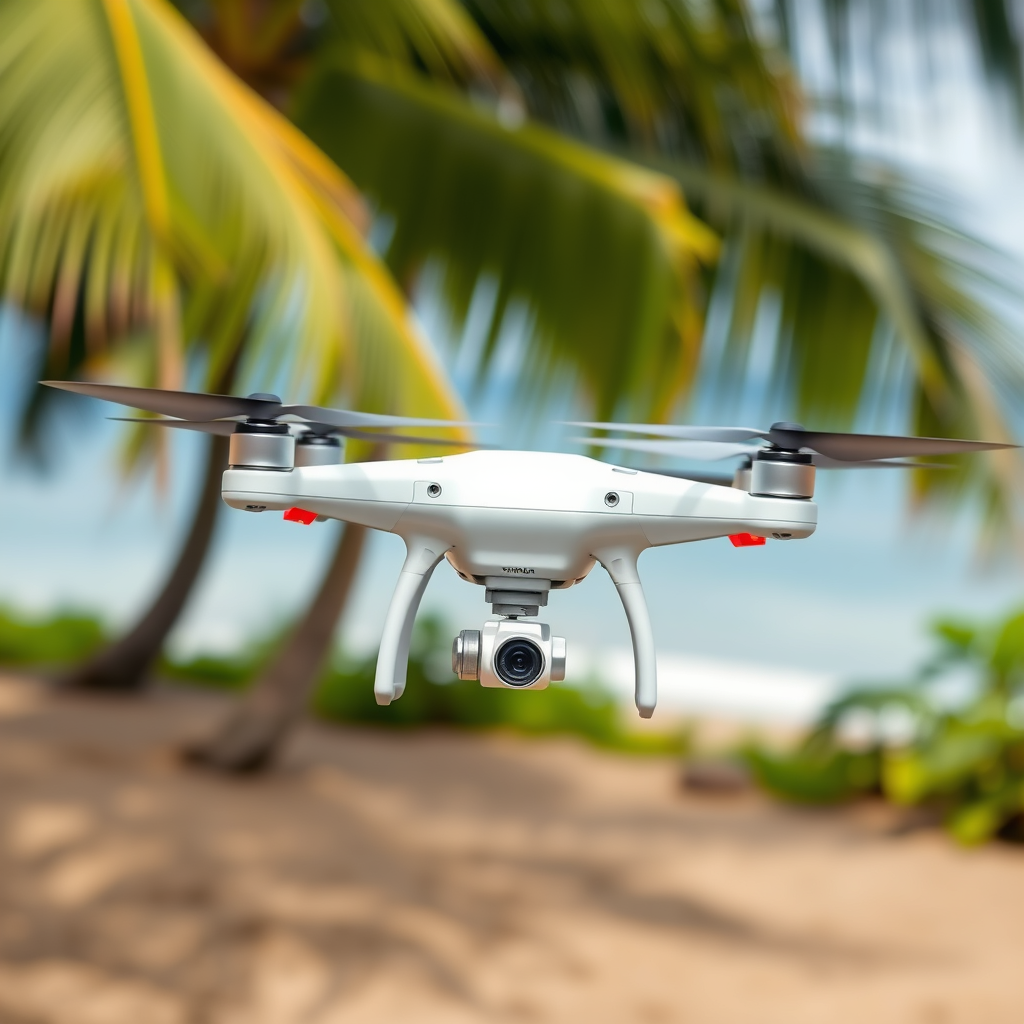
In Costa Rica, drone operations are primarily regulated by the Civil Aviation Authority (DGAC). This government entity is responsible for overseeing all aviation activities, including the use of unmanned aerial vehicles (UAVs). The regulations set forth by the DGAC aim to enhance safety, protect privacy, and preserve the environment.
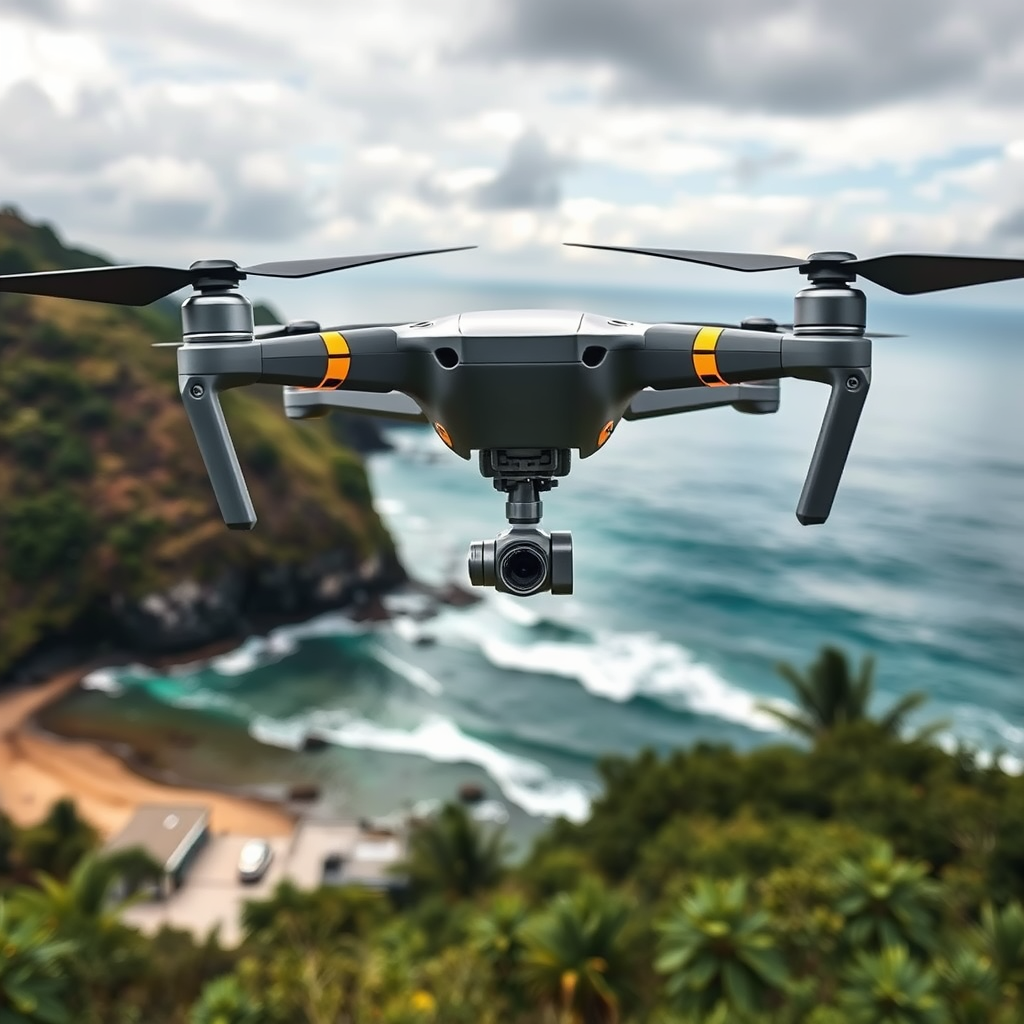
One of the critical regulations is that any drone weighing over 0.55 lbs (250g) must be registered with the DGAC. This registration process involves submitting details about the drone, including its specifications and the operator’s information. The registration is crucial not only for legal compliance but also for accountability in the event of any incidents. Drones that are lighter than this weight threshold are exempt from registration, but operators are still encouraged to follow safety guidelines.
Furthermore, drone operators must ensure they are aware of any updates or changes to the regulations, as the DGAC may amend rules to adapt to new technological advancements or safety concerns.
Required Documentation for Drone Flying
Before taking to the skies in Costa Rica, operators of heavier drones must obtain a permit from the DGAC. The permit application process typically requires proof of registration, the operator’s identification, and a brief description of the intended drone use. If the drone is intended for commercial purposes, additional documentation, such as a business license and proof of liability insurance, may be necessary.
Having adequate insurance is particularly important for commercial drone operations. This insurance protects the operator against potential liabilities arising from accidents or damages caused by the drone. It is advisable to work with insurance providers familiar with drone operations to ensure comprehensive coverage and compliance with Costa Rican laws.
For recreational use, while a formal permit may not be required, operators should still familiarize themselves with local laws and regulations to avoid any legal repercussions.
No-Fly Zones in Costa Rica
Costa Rica has designated several no-fly zones to ensure the safety of its citizens, tourists, and the environment. These areas typically include locations near airports, military bases, and national parks. For example, flying near Juan Santamaría International Airport in San José or Daniel Oduber International Airport in Liberia is strictly prohibited due to the high volume of air traffic.
Additionally, national parks, such as Manuel Antonio National Park and Corcovado National Park, are protected areas where drone use can disturb wildlife and disrupt the natural ecosystem. Operators should also be mindful of wildlife habitats and avoid flying over areas where animals are known to congregate, particularly during sensitive breeding seasons.
To remain compliant, it is advisable to consult the DGAC’s latest maps and guidelines regarding no-fly zones. This can help operators plan their flights around these restricted areas effectively.
Safety Guidelines for Drone Operation
Ensuring safety during drone operations is paramount. One of the fundamental safety guidelines is to maintain visual line of sight with the drone at all times. This practice not only enhances the operator’s ability to control the drone but also reduces the risk of accidents involving other aircraft or obstacles.
Moreover, drone operators should avoid flying over crowds or private property without obtaining explicit permission. This respect for privacy is crucial in maintaining good relations with local communities and ensuring a positive experience for all parties involved. In cases where aerial photography of private property is intended, it is best practice to seek consent from the property owner beforehand.
Additionally, operators should always be aware of their surroundings and ready to react to any unexpected situations, such as changes in weather or the presence of other airborne objects.
Best Practices for Flying Drones in Costa Rica
To maximize the enjoyment and safety of flying drones in Costa Rica, operators should adhere to best practices. One of the most important is to fly during daylight hours. Daylight provides better visibility, which is essential for navigating both the drone and the surrounding environment safely.
Respecting local customs and privacy is also critical. When capturing images of local communities or cultural events, operators should be considerate and avoid intrusive behavior. Engaging with locals and seeking permission to photograph them or their property can foster goodwill and enhance the overall experience.
Additionally, it is advisable to familiarize oneself with local weather conditions, as Costa Rica’s tropical climate can change rapidly. Wind, rain, and electrical storms can pose significant risks to drone operations, so checking the forecast before flying is essential.
Tips for a Successful Drone Experience
For a successful drone experience in Costa Rica, preparation is key. Start by researching weather conditions in the area you plan to fly. Costa Rica’s weather can vary greatly depending on the region and the time of year, so be prepared for sudden changes.
Joining local drone community groups can also be beneficial. These groups often provide valuable insights, tips, and support for both novice and experienced drone operators. Websites and social media platforms can be excellent resources for connecting with other enthusiasts and learning from their experiences.
Additionally, consider investing in a quality drone with reliable safety features, such as GPS stabilization and obstacle avoidance technology. This can enhance your flying experience and reduce the likelihood of accidents.
In summary, being well-prepared and informed can significantly enhance your drone-flying experience in Costa Rica.
In conclusion, while flying a drone in Costa Rica is permissible, it is essential to comply with local regulations and guidelines to ensure a safe and enjoyable experience. By understanding the requirements set forth by the DGAC, obtaining the necessary permits, and respecting no-fly zones, operators can contribute to responsible drone usage in this stunning country. Always stay informed, respect the environment, and capture the breathtaking landscapes responsibly, ensuring both you and the local ecosystems can thrive.
Frequently Asked Questions
Can you fly a drone in Costa Rica without a license?
In Costa Rica, you must obtain a Special Permit from the Costa Rican Civil Aviation Authority (DGAC) to fly a drone, regardless of whether it’s for recreational or commercial use. This permit ensures that you comply with local regulations, which include adhering to altitude limits, not flying in restricted areas, and maintaining visual line of sight. Therefore, it is essential to familiarize yourself with these regulations and secure the necessary permits before flying.
What are the drone regulations in Costa Rica?
Drone regulations in Costa Rica include specific rules such as flying below 120 meters (394 feet), maintaining a visual line of sight, and avoiding restricted zones, such as near airports and national parks. Additionally, drones must be registered with the DGAC, and operators must carry third-party insurance. Understanding these regulations is crucial for ensuring a safe and compliant flying experience in Costa Rica.
How do I apply for a drone permit in Costa Rica?
To apply for a drone permit in Costa Rica, you need to submit an application to the DGAC, including details about your drone, intended use, and personal information. You may also need to provide proof of insurance and a flight plan, especially if your drone use is commercial. Once your application is reviewed and approved, you will receive a Special Permit that allows you to fly legally within the country’s regulations.
Why is it important to follow drone laws in Costa Rica?
Following drone laws in Costa Rica is crucial for several reasons. Firstly, it ensures the safety of both the operator and the public, reducing the risk of accidents or injuries. Secondly, complying with legal regulations protects Costa Rica’s diverse wildlife and natural landscapes, particularly in sensitive areas like national parks. Lastly, adhering to these laws helps maintain good relations with local authorities and communities, preventing potential fines or legal issues.
What are the best places to fly a drone in Costa Rica?
Some of the best places to fly a drone in Costa Rica include picturesque locations like the Arenal Volcano, Manuel Antonio National Park (with a permit), and the stunning beaches of Guanacaste. However, it’s essential to ensure that you have the appropriate permits and that you are not flying in restricted areas. Always be mindful of wildlife and local communities while capturing the breathtaking landscapes, and respect any posted signs or regulations.
References
- https://www.faa.gov/uas/getting_started/where_to_fly
- https://www.crhoy.com/nacionales/consejos-para-volar-drones-en-costa-rica/
- https://www.ticotimes.net/2021/01/14/costa-rica-makes-drone-regulations-more-stringent
- https://www.dgac.go.cr/
- https://www.costa-rica-guide.com/drone-regulations-in-costa-rica.html
- https://www.wildlife.org/publications/what-you-need-to-know-about-drones-and-wildlife-research/
- https://www.bbc.com/news/world-latin-america-54166825
