

Flying a drone in Egypt is possible, but it is far from a casual activity. The country maintains some of the strictest unmanned aircraft rules in the region, and drone operators are expected to follow a tightly controlled legal process before taking off. Whether you are a tourist carrying a camera drone, a hobbyist planning aerial footage, or a company exploring commercial drone operations, understanding Egyptian drone regulations is essential.
📋 About This Article
Yes, you can fly a drone in Egypt, but only if you follow a tightly controlled legal process. This article is for tourists, hobbyists, and businesses who want to capture aerial footage and need to understand what is allowed under Egyptian Civil Aviation Authority rules. It covers whether drones are legal, how approvals and registration typically work, and what to watch for regarding restricted areas, safety, and privacy.
The main authority overseeing drone use in Egypt is the Egyptian Civil Aviation Authority (ECAA). Its role is to regulate national airspace, protect public safety, and address security concerns linked to unmanned aerial vehicles (UAVs). Because of this, drone laws in Egypt are not limited to flight etiquette. They often involve registration requirements, operational approvals, restricted zones, and documentation that may be requested by authorities at any time.
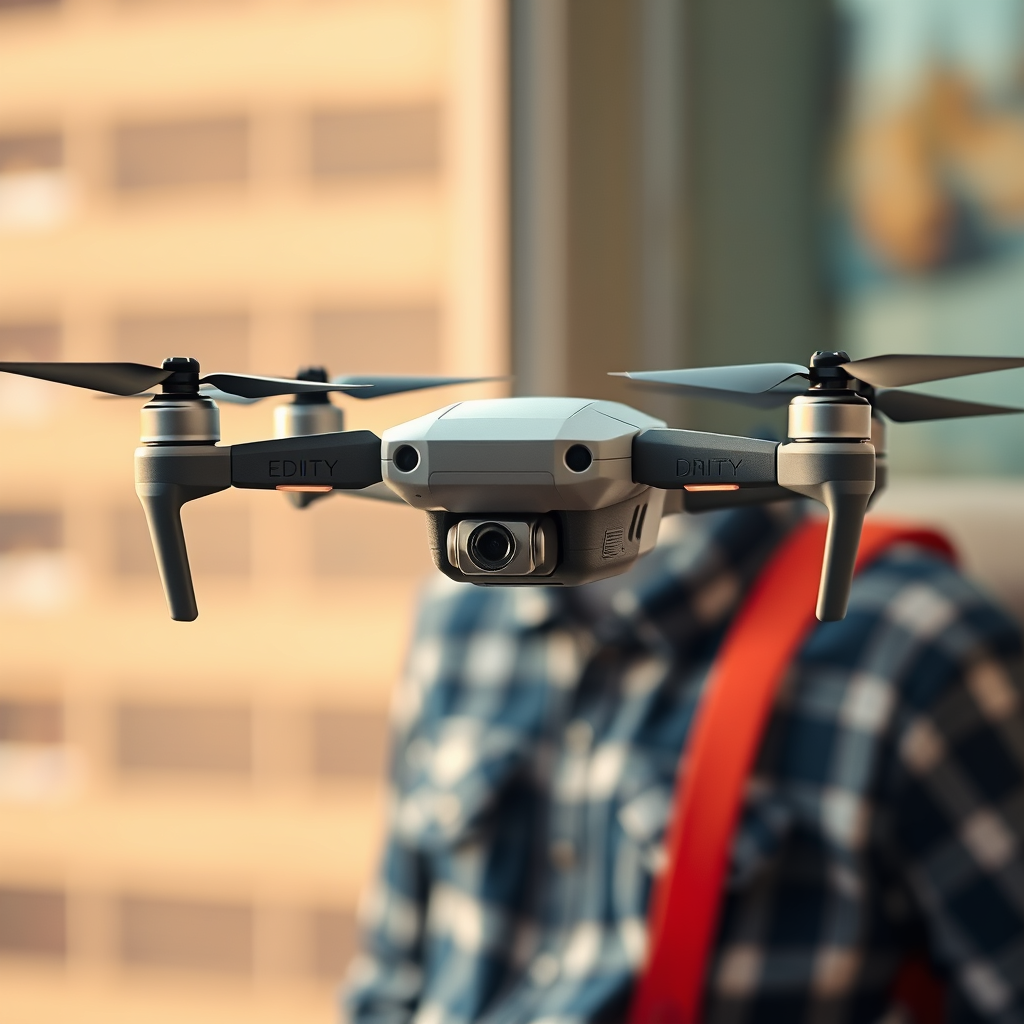
Are Drones Legal in Egypt?
Yes, drones are legal in Egypt, but they are heavily regulated. In practice, legality depends on whether the drone operator has obtained the required approvals and is flying in accordance with national aviation rules. Simply owning a drone does not automatically give you the right to use it freely in Egyptian airspace.
Drone restrictions in Egypt are designed around several core priorities:
- Airspace safety for manned and unmanned aircraft
- National security, especially near sensitive infrastructure
- Public privacy and responsible image capture
- Operational accountability through registration and permits
For this reason, anyone planning to fly a drone in Egypt should approach the process with caution. Recreational drone use and commercial drone activities may both be subject to official review, and failure to comply can lead to serious consequences.
Who Regulates Drone Use in Egypt?
The Egyptian Civil Aviation Authority is the central body responsible for drone oversight. The ECAA enforces aviation law, reviews drone-related applications, and sets the operating conditions for legal flights. Depending on the nature of the operation, other government or security authorities may also be involved, especially if the flight area is considered sensitive.
This layered approval environment means drone operators should not assume that rules in Egypt are similar to those in Europe, North America, or other tourist-heavy destinations. Egypt treats drones as controlled aviation devices, not just consumer electronics.
Drone Registration in Egypt
In Egypt, drone registration is a key compliance step. Drones above certain regulatory thresholds may need to be registered with the relevant authorities before they can be operated legally. Registration helps the government identify the aircraft, the owner, and the intended purpose of the flight.
What the Registration Process Typically Involves
Although procedures can vary based on the drone type and intended use, operators are often expected to provide documentation such as:
- Proof of ownership
- Drone specifications and technical details
- Valid identification documents
- Purpose of use, whether recreational or commercial
- Proposed flight area or flight plan
Applicants should be prepared for administrative processing time. Registration is not always immediate, and delays can occur, especially for foreign visitors or businesses arranging professional aerial work. If you are traveling to Egypt with a drone, it is wise to begin inquiries well in advance rather than waiting until arrival.
Why Registration Matters
Drone registration is more than a formal requirement. It creates a record of the operator and aircraft, which can be important for airspace control, law enforcement checks, and liability issues. Carrying proof of registration during drone operations is a practical precaution, as local authorities may ask to see supporting documents.
Do You Need a Permit to Fly a Drone in Egypt?
In many cases, yes. Registration and flight permission are not always the same thing. Even if a drone is properly documented, the operator may still need a separate permit or authorization to conduct a flight.
Commercial Drone Permits
Commercial drone operations in Egypt generally face stricter scrutiny than hobby flying. Businesses using drones for aerial photography, videography, land surveying, inspections, mapping, or media production may need a dedicated commercial permit. Authorities may ask for:
- A clear explanation of the business purpose
- Safety procedures and risk controls
- Flight location details
- Operator identification and company documents
- Evidence that the operation complies with aviation and security requirements
This is especially important for professional projects involving hotels, tourism campaigns, real estate, construction, or documentaries. Conducting commercial drone work without authorization can trigger fines, confiscation, or legal action.
Recreational Drone Permissions
Recreational drone pilots may also need prior approval, particularly if flying near urban centers, heritage sites, infrastructure, or other regulated locations. Even if the flight is personal and non-commercial, Egypt does not always treat hobby drone use as unrestricted. Operators should verify whether the location and timing of the intended flight require additional clearance.
No-Fly Zones and Restricted Areas
One of the most important aspects of drone compliance in Egypt is understanding where not to fly. Certain airspace zones are highly restricted, and operating a drone in these areas without permission can lead to immediate enforcement action.
Commonly Restricted Locations
Drone flights are typically prohibited or tightly limited near:
- Airports and aviation corridors
- Military sites and defense facilities
- Government buildings
- Border regions and strategic infrastructure
- Police facilities and security-sensitive compounds
- Major tourist landmarks and archaeological sites
- Densely populated public spaces
These restrictions are not only about aviation safety. In Egypt, national security concerns play a major role in how drone access is managed. That is why areas that may appear harmless to a visitor can still be off-limits from an aerial operations perspective.
Tourist Areas Require Extra Caution
Many travelers assume famous landmarks are ideal places for drone photography. In Egypt, that assumption can create problems. Historical monuments, museums, and cultural heritage zones may be subject to strict protection rules. Flying near these places without explicit authorization is risky, even if the drone remains at a low altitude.
If your itinerary includes iconic destinations, it is best to confirm local restrictions before unpacking your drone equipment.
Operational Rules Drone Pilots Should Follow
Beyond registration and permits, drone operators in Egypt are expected to follow standard aviation safety practices. Exact requirements can vary, but these best-practice rules are widely relevant and help support legal, responsible flying.
Keep the Drone Within Visual Line of Sight
Pilots should maintain direct visual contact with the aircraft at all times. Flying beyond visual line of sight increases the risk of collision, loss of control, and regulatory breaches.
Avoid Crowds and Busy Public Areas
Operating over gatherings, roads, or densely occupied places can endanger people on the ground and may violate local safety rules. Even a small consumer drone can cause injury or property damage if something goes wrong.
Respect Privacy Laws
Capturing images or video of people without consent can raise privacy concerns. In urban or residential settings, drone cameras should be used carefully and lawfully. Responsible drone photography is about more than flight safety; it also involves respecting individuals and communities.
Monitor Weather and Visibility
Wind, dust, heat, and reduced visibility can all affect drone performance in Egypt. Environmental conditions are especially important in desert regions and coastal areas, where sudden changes may impact battery life, GPS stability, and safe landing control.
Carry All Supporting Documents
Drone operators should keep copies of registration papers, permits, identification, and any approved flight authorizations during operations. If questioned by law enforcement or aviation officials, immediate access to documentation can help avoid misunderstandings.
What Foreign Travelers Should Know
Traveling to Egypt with a drone requires extra preparation. Foreign nationals should not assume they can enter the country and fly based on permits or registrations from their home country. Egyptian authorities apply domestic rules, and local approval is what matters.
Before Arrival
If you plan to bring a drone into Egypt, research import, customs, and aviation requirements early. In some cases, simply carrying drone equipment through an airport may attract scrutiny. Travelers should be ready to explain the purpose of the device and present any relevant paperwork.
During Your Stay
Do not launch a drone spontaneously at a resort, beach, heritage site, or desert location without confirming that the activity is lawful. A scenic setting does not necessarily mean unrestricted airspace. It is always safer to verify permissions in advance than to rely on informal advice.
Penalties for Breaking Drone Laws in Egypt
Violating drone regulations in Egypt can have serious consequences. Authorities may treat unauthorized drone use as more than a minor technical violation, particularly if the flight occurs near protected areas or sensitive installations.
Possible Consequences
- Fines and administrative penalties
- Confiscation of the drone and related equipment
- Cancellation of permits or flight approvals
- Questioning by law enforcement or security agencies
- Potential legal proceedings in severe cases
The severity of the response often depends on where the drone was flown, whether the operator had authorization, and whether the activity was considered a safety or security risk. This is why compliance should be treated as essential rather than optional.
Best Practices for Legal and Safe Drone Flying in Egypt
If you want to reduce risk and operate responsibly, follow a structured approach before every flight.
Practical Checklist
- Confirm the latest ECAA drone regulations
- Register the drone if required
- Apply for any necessary permits well in advance
- Review local no-fly zones and restricted airspace
- Avoid military, governmental, and archaeological sites
- Keep your drone within visual line of sight
- Do not fly over crowds or private property without care
- Carry registration and approval documents at all times
- Respect local privacy, security, and cultural sensitivities
For commercial operators, an additional layer of planning is recommended. That may include risk assessments, flight logs, insurance review, crew coordination, and written client documentation. In a tightly regulated environment like Egypt, professional preparation can make the difference between a smooth operation and a costly disruption.
Final Thoughts on Flying a Drone in Egypt
Egypt does allow drone use, but only within a controlled legal framework. The country’s drone laws emphasize airspace regulation, national security, and operator accountability, which means every flight should be planned carefully. Registration, permits, restricted zones, and document readiness are all part of flying legally.
For hobbyists, travelers, and commercial drone pilots alike, the safest approach is to verify current requirements directly with the relevant authorities before operating. When handled properly, drone flying in Egypt can be done lawfully. When handled casually, it can lead to significant penalties. Responsible compliance is the key to avoiding problems and protecting your equipment, your project, and your travel plans.
Frequently Asked Questions
Can tourists legally fly a drone in Egypt?
In most cases, tourists cannot legally fly a drone in Egypt without prior official approval. Egypt has strict regulations regarding the import, possession, and operation of drones, mainly for security reasons. Even recreational use is heavily controlled, and bringing a drone into the country without authorization may lead to confiscation at the airport, fines, or other legal issues. If you are planning to travel with a drone, it is important to check the latest rules with Egyptian authorities, your airline, and your embassy before departure.
Do you need a permit to use a drone in Egypt?
Yes, a permit is generally required to legally operate a drone in Egypt. Drone use is not considered open or unrestricted, and approvals may be required from relevant government or aviation authorities depending on the purpose of the flight. This can include commercial filming, surveying, media work, or other professional uses. Operating a drone without the proper permit can result in penalties, so it is essential to secure written authorization in advance rather than assuming casual or hobby flying is allowed.
What happens if you bring a drone into Egypt without approval?
If you bring a drone into Egypt without the necessary approval, customs or airport authorities may confiscate it upon arrival. In some situations, travelers may be questioned about the drone’s purpose, and the device may be held until departure or permanently seized depending on the circumstances and current enforcement practices. Because drone laws in Egypt are applied seriously, travelers should avoid assuming they can declare the drone and sort it out later. Getting confirmation before travel is the safest approach.
Are there any areas in Egypt where drone flying is especially restricted?
Yes, drone flights are especially sensitive near airports, military zones, government buildings, border regions, historical landmarks, and densely populated urban areas. In Egypt, security concerns make many locations unsuitable or restricted for drone use, even if they appear open or scenic. Flying near famous tourist sites or in city centers without explicit permission can create serious legal problems. Anyone granted permission to operate a drone should still follow all location-specific restrictions and maintain a safe distance from protected or strategic sites.
How can you check the latest drone rules before traveling to Egypt?
The best way to verify current drone rules before traveling to Egypt is to consult official government sources, the Egyptian civil aviation authority, your airline, and your country’s embassy or consulate. Regulations can change, and enforcement may differ depending on security conditions or travel policies in place at the time. It is also wise to request written confirmation if you believe you qualify for permission to import or fly a drone. Relying only on travel forums or outdated blog posts can be risky when dealing with tightly regulated equipment.
