

Yes, you can fly a drone in Grand Teton National Park, but there are strict regulations and guidelines to follow. The National Park Service (NPS) has implemented these regulations primarily to protect wildlife, preserve the natural beauty of the park, and ensure that all visitors can enjoy their experience without the disruption caused by drone activity. If you are considering bringing your drone to this breathtaking location, it is crucial to understand the detailed rules governing drone use to avoid legal consequences and contribute to the preservation of the park.
Understanding Drone Regulations in National Parks
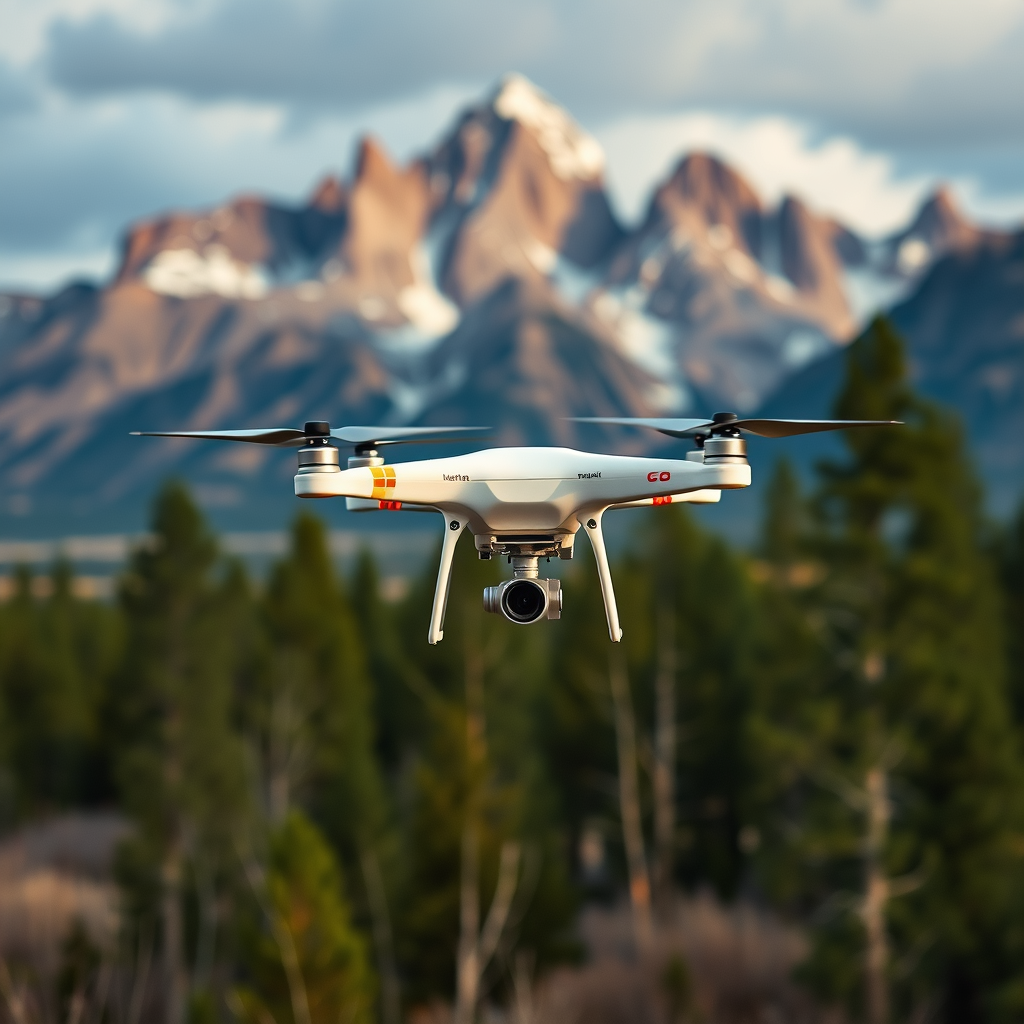
The National Park Service has specific regulations regarding drone use that apply to all national parks, including Grand Teton. Generally, the use of drones is strictly prohibited due to concerns over wildlife disturbances, visitor safety, and the integrity of natural landscapes. The only exception to this prohibition is if you obtain a special use permit, which is granted on a very limited basis. The overarching goal of these regulations is to mitigate the negative impacts drones can have on both the environment and the visitor experience.
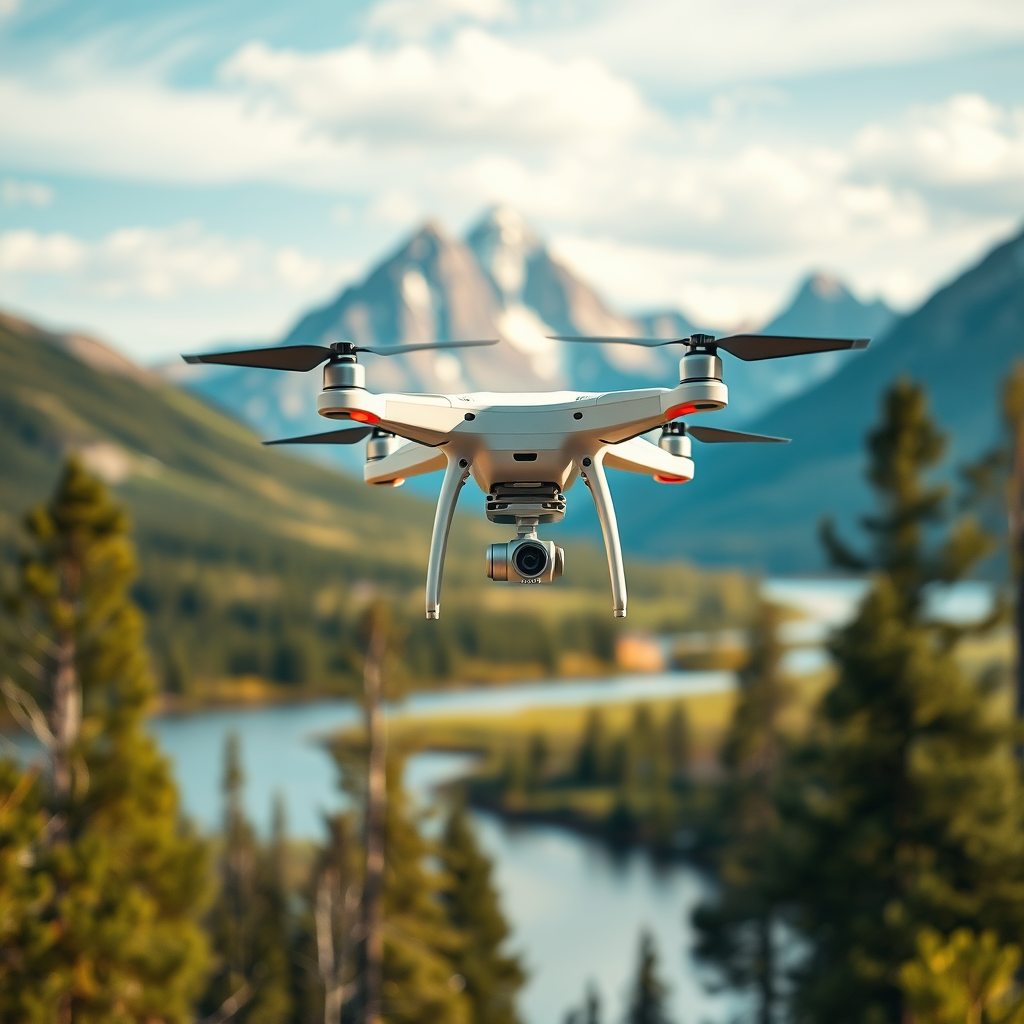
For example, the NPS has observed that drone noise can disrupt the tranquility that many seek in natural settings, while the potential for drones to interfere with wildlife behavior can have long-term ecological consequences. As such, it is essential for drone operators to be fully aware of these regulations before planning their visit to Grand Teton National Park.
Permitting Process for Drone Use
To fly a drone in Grand Teton National Park, you must apply for a special use permit through the park’s administrative office. This process is not as simple as merely filling out a form; it requires a well-detailed proposal outlining your intended drone activities. The proposal should include specifics on the location, purpose, duration of drone use, and any measures you plan to implement to minimize environmental impact.
The permitting process is designed to assess whether the proposed drone activity aligns with the park’s mission to protect its natural resources. It is important to note that permits are granted on a limited basis, typically only for research, educational, or other specific purposes that benefit the park and its visitors. If you are considering this route, allow ample time for the application process, as it may take weeks to receive a decision.
Areas Where Drone Use is Prohibited
Within Grand Teton National Park, most areas are off-limits to drones. These restrictions are particularly stringent around sensitive locations such as wildlife habitats, scenic overlooks, and visitor centers. For instance, flying a drone near the park’s renowned wildlife, including moose, elk, and bears, is strictly prohibited to ensure these animals are not disturbed during critical times, such as nesting and breeding seasons.
Additionally, popular scenic spots like Jenny Lake and Signal Mountain are often designated as no-fly zones to maintain the serene environment that attracts visitors seeking natural beauty and tranquility. Understanding these designated areas is crucial for anyone planning to fly a drone, as violations can lead to fines and other legal repercussions.
Safety and Wildlife Considerations
Drones can pose significant risks to wildlife, particularly during sensitive times of the year when animals are nesting or caring for their young. The noise generated by drones can startle animals, leading them to abandon their nests or flee from their habitats, which can have detrimental effects on their populations. In Grand Teton, where diverse species thrive, protecting these habitats is paramount.
The park emphasizes the importance of preserving natural ecosystems and minimizing human impact. Visitors are encouraged to respect wildlife by maintaining a safe distance and observing them from designated viewpoints rather than intruding into their habitats with flying drones. Adhering to these guidelines not only aids wildlife conservation but also enhances the overall visitor experience by fostering a more authentic connection to nature.
Alternatives to Drone Photography
If capturing aerial views is your goal, there are several alternatives to consider that do not involve drone use. One option is to hire a licensed aerial photographer who specializes in capturing stunning images of national parks. These professionals are well-versed in the regulations and can provide breathtaking aerial photography legally and ethically.
Additionally, Grand Teton National Park offers numerous popular viewpoints and hiking trails that provide spectacular vistas without the need for drones. Locations such as the Snake River Overlook and Oxbow Bend are renowned for their photography potential and offer incredible scenery that can rival any aerial shot. Exploring these areas allows visitors to immerse themselves in the natural beauty of the park while adhering to regulations.
Consequences of Unauthorized Drone Use
It is crucial to understand that flying a drone without the necessary permits can result in severe consequences. The fines for unauthorized drone use can be substantial, and violators may also face legal repercussions that could impact their ability to access national parks in the future. Such violations not only affect the individual but can also lead to stricter regulations for all visitors, making it imperative to follow the guidelines set forth by the NPS.
Moreover, the negative publicity surrounding unauthorized drone use can undermine the efforts of conservationists and park officials who strive to protect these pristine environments. By respecting the established rules, visitors contribute to the preservation of Grand Teton National Park for future generations.
In conclusion, while flying a drone in Grand Teton National Park is technically possible with the right permits, it is heavily regulated. The stringent rules are in place to protect wildlife and preserve the park’s natural beauty, ensuring that all visitors can enjoy a peaceful and enriching experience. For most visitors, capturing the park’s breathtaking scenery through traditional photography or exploring its extensive network of trails may be the best option. Always check current regulations before your visit to ensure compliance and respect for the environment, thereby helping to maintain the integrity of this remarkable national treasure.
Frequently Asked Questions
Can you fly a drone in Grand Teton National Park?
No, flying a drone in Grand Teton National Park is prohibited. This rule is in place to protect wildlife and ensure a peaceful experience for visitors. The National Park Service restricts drone use within park boundaries to preserve the natural environment and maintain the safety of both visitors and animals.
What are the consequences of flying a drone illegally in Grand Teton National Park?
Flying a drone illegally in Grand Teton National Park can result in hefty fines and potential criminal charges. Violators may face fines up to $5,000 for individuals and $10,000 for organizations. Additionally, law enforcement may confiscate the drone, and the offender could be banned from returning to the park.
How can I capture aerial photography near Grand Teton National Park without using a drone?
If you’re looking to capture stunning aerial photography near Grand Teton National Park without using a drone, consider hiring a professional aerial photography service or using a helicopter tour. These options allow you to obtain breathtaking views legally while adhering to park regulations. Additionally, you can explore viewpoints and high elevations within the park for great landscape photography.
Why are there restrictions on drone use in national parks like Grand Teton?
The restrictions on drone use in national parks, including Grand Teton, are primarily designed to protect wildlife and maintain the natural soundscapes of these pristine environments. Drones can disturb animals and disrupt the experience of other visitors seeking tranquility in nature. By regulating drone use, national parks aim to preserve the unique ecosystems and ensure a safe and enjoyable experience for all.
Which national parks allow drone flying, and where can I find the regulations?
While many national parks, including Grand Teton, prohibit drone flying, some parks do allow it under specific conditions. Parks like the Badlands National Park and certain areas of the Great Sand Dunes National Park permit drone use, but regulations can vary widely. To find the most accurate and up-to-date drone regulations for any national park, always check the official National Park Service website or contact park management directly before your visit.
References
- https://www.nps.gov/grte/planyourvisit/drone-use.htm
- https://www.grandtetonparkfoundation.org/education/drone-regulations-in-grand-teton-national-park
- https://www.nps.gov/articles/drone-regulations-in-national-parks.htm
- https://www.faa.gov/uas/advanced_operations/
- https://www.grandtetonpark.org/faq/drone-use-in-grand-teton-national-park/
