

Yes, you can fly a drone in Greece, but there are specific regulations and guidelines that you must follow to ensure a safe and legal experience. As drone usage becomes increasingly popular among tourists and hobbyists, Greece has established a framework of rules to manage this technology, aiming to balance the enjoyment of aerial photography with public safety and privacy. This article will provide you with crucial information on where and how to operate your drone while visiting this beautiful country.
Understanding Drone Regulations in Greece
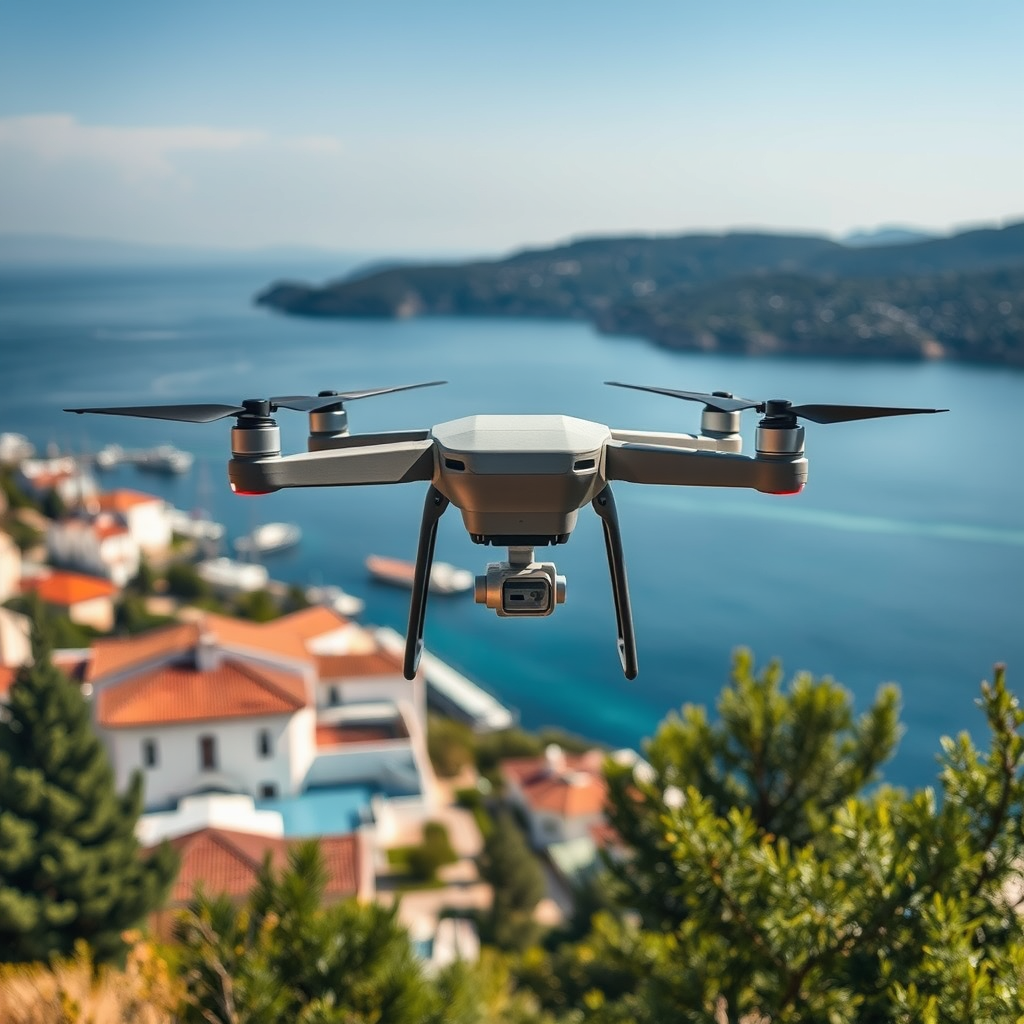
Drones in Greece are regulated under the framework established by the European Union Aviation Safety Agency (EASA). This regulation applies to all member states, which means that the rules are standardized across Europe, making it easier for travelers to understand their obligations. Drones are categorized based on their weight, and each category has different operational rules associated with it.
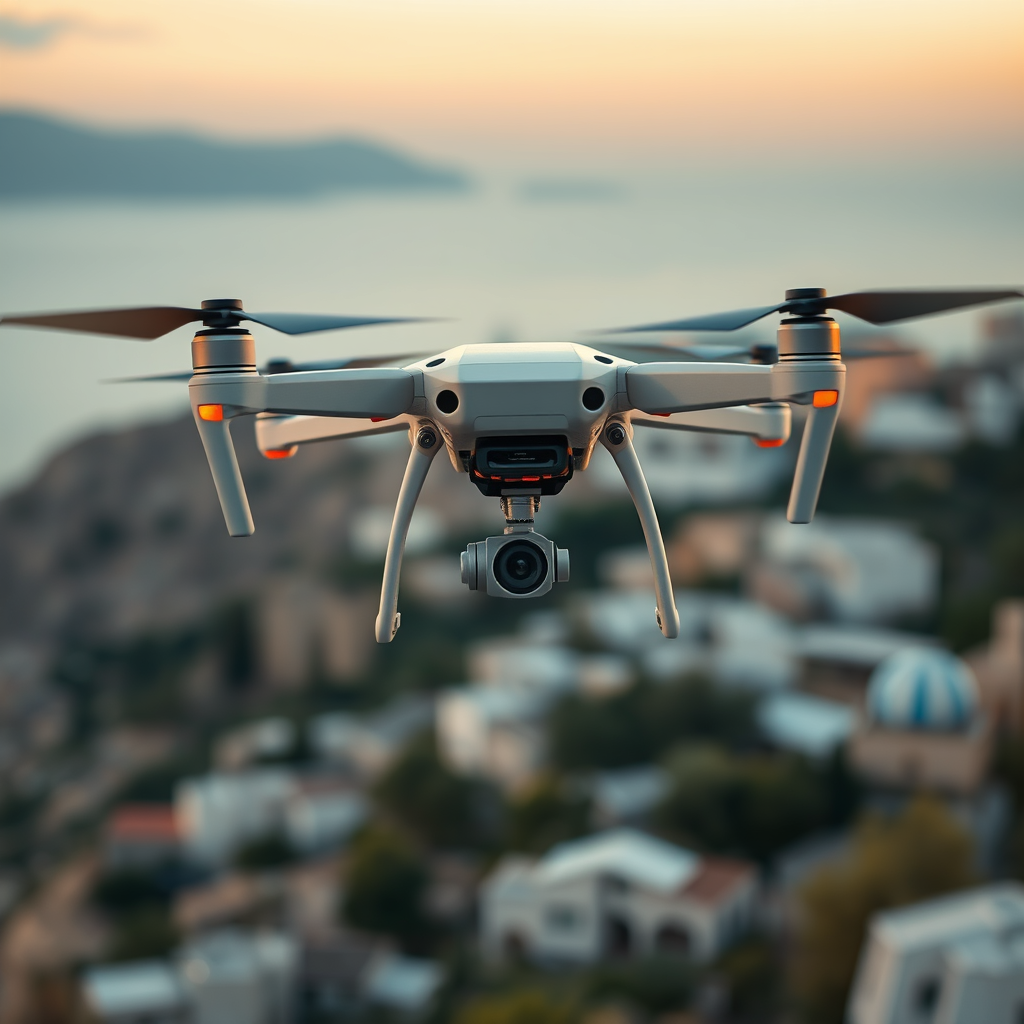
For instance, drones weighing less than 250 grams are subject to fewer restrictions and do not require registration. However, those exceeding this weight limit must comply with stricter regulations. For example, drones between 250 grams and 2 kilograms must operate within the visual line of sight (VLOS) and below 120 meters (394 feet) in altitude. Additionally, pilots are prohibited from flying near crowds or sensitive locations. Understanding these categories is essential for compliance and safe flying.
Necessary Licenses and Certifications
If you’re planning to operate a drone over 250 grams in Greece, it’s mandatory to register your drone with the Hellenic Civil Aviation Authority (HCAA). This registration process is straightforward and can typically be completed online. Once registered, drone pilots must also complete an online training course, which covers essential topics such as airspace structure, safety procedures, and the legal responsibilities of drone operators.
Upon successfully completing the course, pilots receive a certificate that is necessary for advanced operations. This certification is crucial, especially if you intend to use your drone for commercial purposes or in more complex flying environments. It is essential to ensure that you have the required documentation before embarking on your drone-flying adventure in Greece.
Restricted Areas for Drone Flight
Greece has designated numerous no-fly zones to protect public safety and preserve sensitive environments. Key restricted areas include airports, military zones, and many historical sites, such as ancient ruins and museums. For example, flying a drone over the Acropolis in Athens is strictly prohibited to protect the site’s cultural heritage and the privacy of visitors.
Moreover, local restrictions may apply that vary from region to region. Always check the latest regulations and local notices before planning your flight. Utilizing drone apps that provide real-time information about no-fly zones can be incredibly helpful. Being aware of these restrictions is not only a legal obligation but also a matter of respect for the environment and the local communities.
Safety Guidelines for Flying Drones
When flying a drone in Greece, adhering to safety guidelines is paramount. First and foremost, always keep your drone within visual line of sight (VLOS). This means that you should be able to see your drone with your own eyes without the use of binoculars or other devices. Maintaining VLOS ensures that you can avoid obstacles and respond quickly to any unexpected situations.
Additionally, it is crucial to avoid flying over crowds to minimize the risk of accidents. Privacy laws are also critical to consider; flying your drone over private property without permission can lead to legal repercussions. Being aware of and respecting these safety guidelines will not only keep you compliant but will also enhance your overall flying experience.
Best Practices for Drone Operation in Greece
Before taking to the skies, checking the weather conditions is essential. Wind, rain, and fog can significantly impact your drone’s performance and your ability to control it safely. Utilize reliable weather apps and be prepared to adjust your plans if the forecast is unfavorable.
Furthermore, when planning your flights, consider the impact on wildlife and natural habitats. Greece is home to a rich diversity of flora and fauna, and flying your drone in sensitive areas can disturb local wildlife. For example, nesting birds may be particularly vulnerable during breeding seasons. Adopting a considerate approach not only supports conservation efforts but also fosters goodwill with local communities.
Popular Drone-Friendly Locations in Greece
Greece is replete with stunning landscapes that are perfect for drone photography. The picturesque island of Santorini, with its iconic blue-domed churches and breathtaking sunsets, offers an unparalleled backdrop for aerial shots. Similarly, the rugged mountains and serene beaches of Crete provide diverse opportunities for capturing the beauty of nature.
Rural areas and less populated islands, such as Naxos and Paros, often feature fewer restrictions and can be ideal locations for drone enthusiasts. These areas not only offer stunning vistas but also give you the chance to explore Greece’s rich cultural heritage away from the bustling tourist hotspots. However, be sure to familiarize yourself with local regulations wherever you choose to fly.
In conclusion, flying a drone in Greece is indeed possible, provided you adhere to specific regulations and safety guidelines. Familiarizing yourself with the local rules, obtaining the necessary licenses, and respecting the environment and privacy of others will ensure an enjoyable and responsible experience. With its breathtaking landscapes and rich history, Greece offers a wealth of opportunities for drone enthusiasts to explore and capture the beauty of this remarkable country from above.
Frequently Asked Questions
What are the drone regulations for flying in Greece?
In Greece, drone regulations are primarily governed by the European Union Aviation Safety Agency (EASA) rules. Drone pilots are required to register their drones if they weigh over 250 grams and must adhere to specific altitude limits, which typically do not exceed 120 meters (394 feet). Additionally, flying drones near airports, over crowds, or in restricted areas like archaeological sites is prohibited. It’s essential for pilots to stay informed about local laws and any temporary restrictions that may apply.
How can I obtain permission to fly a drone in Greece?
To obtain permission to fly a drone in Greece, you need to apply through the Hellenic Civil Aviation Authority (HCAA). Depending on your drone’s weight and intended use, you may need to submit a flight plan, including the area of operation and any potential hazards. It’s crucial to allow sufficient time for the approval process, as it can vary based on the complexity of your flight and the location you wish to operate in.
Why do I need to register my drone in Greece?
Registering your drone in Greece is a legal requirement for any drone weighing over 250 grams, as it helps ensure safety and accountability in the airspace. Registration allows authorities to track drone operations and enforce regulations, which helps prevent accidents and misuse of drones. Additionally, registered pilots are often seen as more responsible, which can be beneficial for insurance and operational credibility.
What are the best locations to fly a drone in Greece?
Some of the best locations to fly a drone in Greece include the stunning landscapes of Santorini, the historical sites of Delphi, and the picturesque beaches of Zakynthos. However, it’s essential to check local regulations and restrictions for each area, as many tourist spots and archaeological sites have strict no-fly zones. Always prioritize safety and respect for privacy when choosing your flying location.
Which drone insurance options are available for flying in Greece?
When flying a drone in Greece, it’s advisable to consider drone insurance options that cover liability for damages and third-party injuries. Many insurance providers offer specific drone insurance policies, which can also cover theft and damage to your drone. Always review the policy details to ensure it complies with local regulations and adequately protects you while flying in Greece’s diverse and scenic environments.
References
- https://www.caa.gr/en/home/
- https://www.easa.europa.eu/document-library/general-publications/drone-operations-eu
- https://www.gov.gr/en/information/transport/drone-operations
- https://www.helena.gr/en/news/faq-on-drone-operations-in-greece
- https://www.dronelife.com/2021/06/15/a-guide-to-flying-drones-in-greece/
- https://www.bbc.com/news/world-europe-57075373
