

Yes, you can fly a drone in Hilton Head, but there are specific regulations and guidelines you must follow to ensure safety and compliance. This beautiful coastal area, known for its stunning landscapes and vibrant ecosystem, has become increasingly popular among drone enthusiasts. However, understanding the legal framework and local ordinances is crucial to ensuring that your drone flying experience is both enjoyable and lawful.
Local Regulations and Laws
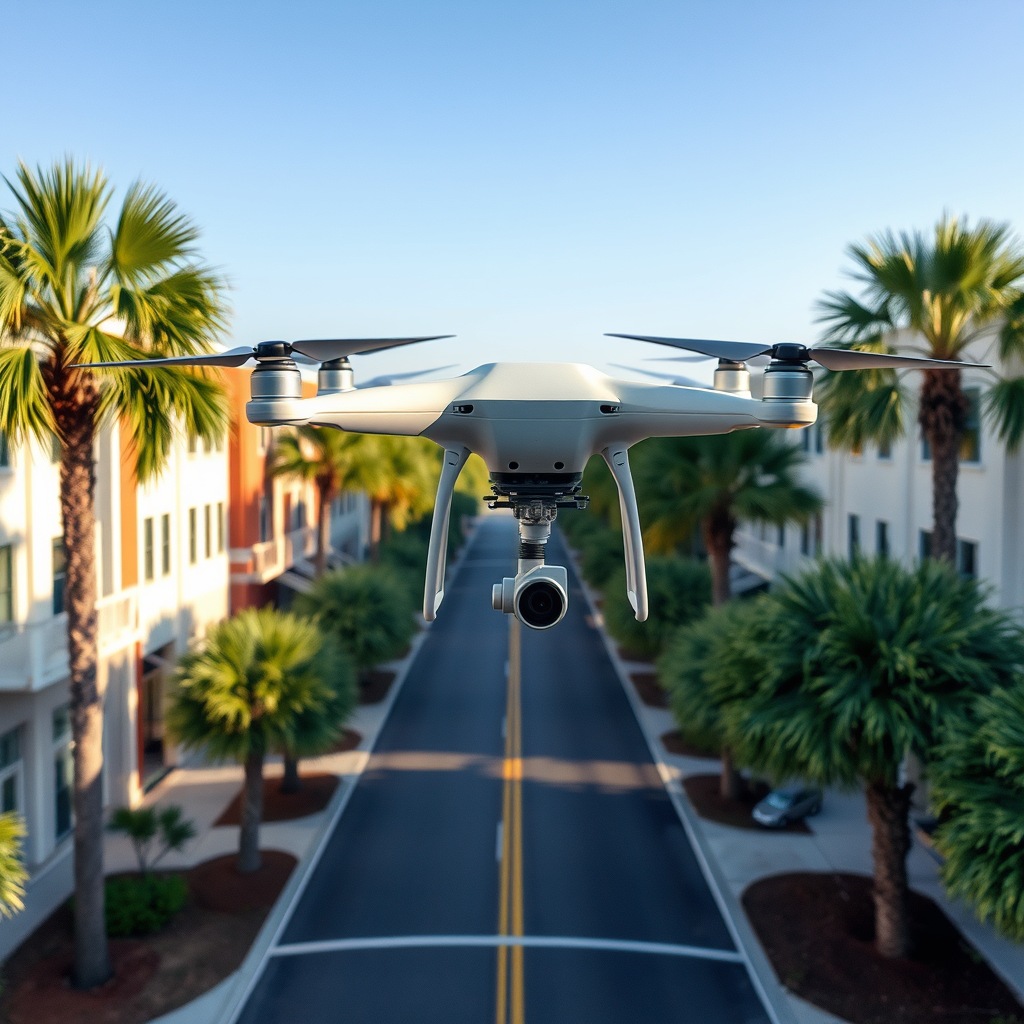
To fly a drone legally in Hilton Head, you must first familiarize yourself with the Federal Aviation Administration (FAA) rules that govern drone use across the United States. The FAA mandates that all drone operators adhere to specific guidelines, such as flying below 400 feet, keeping the drone within visual line of sight, and not flying near other aircraft. Additionally, commercial drone operators must obtain a Remote Pilot Certificate, which involves passing a knowledge test that covers regulations, airspace classifications, and safe flying practices.
In addition to federal regulations, Hilton Head Island has local ordinances that could further restrict drone use. For example, drones may be prohibited in certain public areas, such as parks and beaches, or may have specific flight paths to avoid residential zones. Therefore, it is essential to check with the Town of Hilton Head Island’s official website or local government offices for any additional regulations that may apply. This will help you navigate the legal landscape and ensure that your drone flying activities are compliant.
Designated Flying Areas
Finding designated flying areas is crucial for a responsible drone-flying experience in Hilton Head. Certain parks and beaches are generally more accommodating for drone enthusiasts. For instance, the Islander’s Beach Park and Chaplin Community Park often allow for drone flights, provided you adhere to safety guidelines and local laws.
However, it is equally important to be aware of restricted zones. Areas such as residential neighborhoods, schools, and hospitals typically have regulations that prohibit drone flights to maintain privacy and safety. Furthermore, Hilton Head Island is situated near the Hilton Head Island Airport, which has strict no-fly zones surrounding it. Familiarizing yourself with maps that indicate these restricted areas, such as those provided by the FAA or local authorities, will help ensure that you do not inadvertently violate airspace regulations.
Safety Guidelines
Safety should always be a top priority when flying a drone. To ensure a safe flying experience in Hilton Head, always maintain a line of sight with your drone while it is in the air. This means that you should be able to see your drone without the use of any visual aids, such as binoculars. This practice not only keeps your aircraft within your control but also enhances safety for others in the vicinity.
Moreover, it is essential to avoid flying over crowds, wildlife, or private property. Not only does this respect the privacy of individuals, but it also helps prevent accidents that could arise from unexpected drone encounters. For example, flying over a busy beach may result in panic or injury, while disturbing wildlife can disrupt their natural behavior. By adhering to these safety guidelines, you can ensure that your drone flying experience is enjoyable and respectful of others.
Drone Registration Requirements
Before taking to the skies, you must ensure that your drone is properly registered. The FAA requires that all drones weighing over 0.55 pounds (approximately 250 grams) be registered, regardless of whether they are flown for recreational or commercial purposes. Registration can be completed online through the FAA’s website, and the fee is typically minimal.
Once registered, it is mandatory to have your registration number visible on your drone during flights. This requirement not only aids in accountability but also helps law enforcement identify the owner of the drone in case of any incidents. It’s a straightforward process that can save you from potential legal issues down the line.
Best Practices for Responsible Flying
To fly responsibly, consider adopting best practices that will enhance your experience while minimizing risks. Firstly, always aim to fly during daylight hours and in favorable weather conditions. Flying in poor visibility, such as during rain or fog, can significantly increase the risk of accidents.
Additionally, it is essential to respect the privacy of others. Avoid filming or taking photographs of individuals without their consent, as this can lead to legal repercussions and community backlash. Being considerate of others not only fosters goodwill but also promotes a positive image of the drone-flying community at large.
Community Resources and Support
Engaging with the local drone community can greatly enhance your flying experience. Joining local drone enthusiast groups can provide you with valuable insights, tips, and resources tailored to flying in Hilton Head. These groups often share knowledge about the best flying locations, upcoming events, and changes in regulations that may affect drone use.
Attending workshops or community events dedicated to drone flying can also be beneficial. These gatherings provide opportunities to connect with fellow drone pilots and learn about best practices and safety measures. Many local organizations also offer training programs for those looking to improve their skills or prepare for the FAA certification process.
In conclusion, flying a drone in Hilton Head is indeed possible, but it requires adherence to various regulations and best practices to ensure a safe and enjoyable experience. By remaining informed about local laws, respecting designated flying areas, and prioritizing safety, you can contribute positively to the drone-flying community. Always stay up-to-date with the latest guidelines and engage with local resources to enhance your flying experience while enjoying the breathtaking views that Hilton Head has to offer.
Frequently Asked Questions
Can I legally fly a drone in Hilton Head?
Yes, you can legally fly a drone in Hilton Head, but you must adhere to both federal and local regulations. The Federal Aviation Administration (FAA) requires drone operators to register their drones and follow specific guidelines, such as flying below 400 feet and maintaining visual line-of-sight. Additionally, Hilton Head has local ordinances that may restrict drone usage in certain areas, especially near beaches and parks. Always check local laws before you fly to ensure compliance.
What are the restrictions for flying drones in Hilton Head?
In Hilton Head, flying drones is subject to several restrictions, including no-fly zones near airports, military bases, and densely populated areas. Additionally, flying over private property without permission is prohibited. It’s also important to avoid flying in public parks or beaches where local regulations may explicitly ban drone usage. Before your flight, consult local authorities or community guidelines to stay informed about drone restrictions.
How do I find the best locations to fly my drone in Hilton Head?
To find the best locations for flying your drone in Hilton Head, consider visiting open spaces with scenic views, such as parks and beaches, while ensuring you comply with local regulations. Popular spots often include the Harbour Town Lighthouse and the beautiful waterfront areas. Online drone community forums and apps like AirMap can also provide insights into suitable locations and any restrictions that may apply, helping you plan your flight effectively.
Why should I register my drone before flying in Hilton Head?
Registering your drone is a crucial step for any drone operator, including those flying in Hilton Head. The FAA mandates that drones weighing over 0.55 pounds must be registered, which helps ensure accountability and safety in the skies. Registration also provides operators with clear guidelines and the ability to operate legally, reducing the risk of fines or penalties. Moreover, it demonstrates responsible drone ownership, which is essential for maintaining a positive relationship with local communities.
Which drone regulations should I be aware of when flying in Hilton Head?
When flying a drone in Hilton Head, you should be aware of several key regulations. First, you must comply with FAA rules, including flying below 400 feet and avoiding restricted airspace. Additionally, local laws may restrict flying near beaches, parks, or crowded areas to protect wildlife and public safety. Always respect privacy rights by avoiding drone flights over private property without permission, and be sure to check for any temporary flight restrictions that may be in place during events or emergencies.
References
- https://www.faa.gov/uas/getting_started/part_107
- https://www.hiltonheadislandsc.gov/
- https://www.dronelawjournal.com/
- https://www.nbcnews.com/technology/drone-laws-what-you-need-know-n1248216
- https://www.abcnews.go.com/Technology/drone-laws-know-flying-summer/story?id=71118943
