

Yes, you can fly a drone in India, but there are specific regulations and guidelines that you must follow to do so legally. Understanding these rules is crucial for both recreational and commercial drone pilots, as they ensure safety and compliance with national airspace laws. The rise of drone technology has opened up various opportunities for photography, surveying, and more, but with that comes the responsibility of adhering to the established framework laid out by the Indian government.
Understanding Indian Drone Regulations
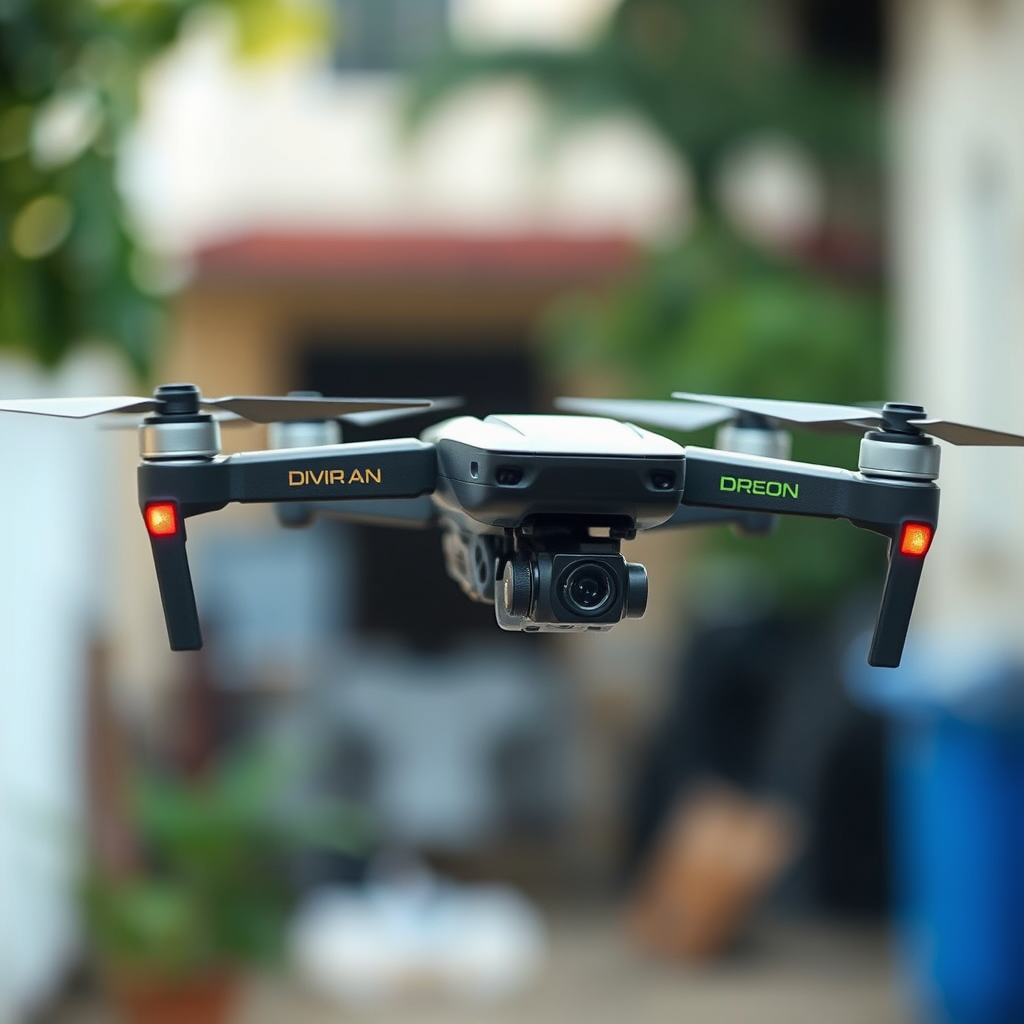
The Ministry of Civil Aviation (MoCA) governs drone operations in India, overseeing the implementation of rules that regulate where and how drones can be flown. As of late 2021, the Indian government introduced the Civil Aviation Requirements (CAR) for Remotely Piloted Aircraft Systems (RPAS), categorizing drones into different classes based on their weight and intended use. These classifications include Nano (weighing less than 250 grams), Micro (250 grams to 2 kilograms), Small (2 to 25 kilograms), Medium (25 to 150 kilograms), and Large (over 150 kilograms). Such classifications play a crucial role in determining the permissions and licensing required for operation.
Furthermore, the regulations mandate that drone pilots are aware of the airspace classification—whether it is controlled, uncontrolled, or prohibited—before flying. This knowledge is essential for ensuring that drone operations do not interfere with manned aircraft and other aerial activities.
Registration and Licensing Requirements
To fly a drone legally in India, all drones weighing above 250 grams must be registered on the Digital Sky platform, a government initiative designed to streamline drone operations. This online system requires users to provide details about their drone, including its specifications and intended use, helping the authorities maintain a comprehensive database of drone activities.
For commercial drone operators, acquiring a Remote Pilot License (RPL) is mandatory. This license is issued after the completion of a training program from a DGCA-approved training organization. The training encompasses various aspects, including drone operation, maintenance, airspace awareness, meteorology, and safety protocols. By requiring an RPL, the government ensures that commercial pilots are equipped with the necessary skills and knowledge to operate drones safely and efficiently, thereby reducing the risk of accidents and breaches of airspace regulations.
No-Fly Zones and Restrictions
India has designated several no-fly zones where drone operations are strictly prohibited. These areas include airports, military installations, and other sensitive locations, such as the vicinity of international borders and strategic infrastructure. Furthermore, urban centers and densely populated areas also fall under restricted zones, aimed at minimizing potential risks to public safety and privacy.
To operate a drone in sensitive areas, drone pilots must obtain explicit permission from the relevant authorities. This process often involves submitting a request that outlines the purpose of the flight, the duration, and the area in which the drone will operate. This regulatory framework is designed to protect national security and public safety while allowing responsible drone use in permitted areas.
Safety and Operational Guidelines
Safety is paramount when operating a drone, and the Indian regulations emphasize maintaining a Visual Line of Sight (VLOS) during flight. This means that the drone operator must always be able to see the drone with their own eyes and not rely solely on camera feeds or screens. VLOS ensures that the pilot can react promptly to any unexpected situations or hazards.
Additionally, drone operators are required to adhere to altitude limits, typically capped at 120 meters (approximately 400 feet) above ground level. This restriction helps prevent collisions with manned aircraft and ensures a safer airspace. Operators should also conduct pre-flight checks, including verifying that their drone is in good working condition and that the weather is suitable for flight. Following these safety and operational guidelines not only protects the drone and its operator but also fosters a culture of responsible flying within the drone community.
Best Practices for Recreational Drone Pilots
For recreational drone pilots, adhering to best practices can enhance the flying experience while ensuring compliance with regulations. Familiarizing oneself with local laws before taking to the skies is essential. Regulations can vary by state and locality, and understanding these nuances can prevent inadvertent violations that may lead to penalties.
Joining a drone flying community can also be highly beneficial. These communities, often found on social media platforms or through local clubs, provide a wealth of shared knowledge and experiences. Engaging with fellow enthusiasts can help novice pilots gain insights into flight techniques, maintenance tips, and the latest news regarding drone regulations. Furthermore, participating in community events or meetups can foster collaboration and camaraderie among drone pilots.
Consequences of Non-Compliance
The consequences of violating drone regulations in India can be severe. Penalties for non-compliance can include hefty fines, the confiscation of the drone, and even criminal charges in cases of serious breaches. For instance, flying a drone in a no-fly zone without permission can lead to significant legal repercussions, including arrest and prosecution.
Moreover, non-compliance not only jeopardizes the pilot’s future ability to fly drones but also erodes public trust in drone technology. It is crucial for all drone operators—whether recreational or commercial—to take regulations seriously and operate within the legal framework to contribute to the safe and responsible use of drones in India.
In conclusion, flying a drone in India is permitted under strict regulations that must be followed to ensure safety and legality. Understanding the classifications of drones, fulfilling registration and licensing requirements, respecting no-fly zones, and adhering to safety guidelines are essential steps for all drone pilots. By familiarizing yourself with these regulations and best practices, you can enjoy a hassle-free flying experience while contributing to the responsible use of drone technology in the country.
Frequently Asked Questions
What are the legal requirements for flying a drone in India?
To fly a drone in India, you must comply with the regulations set by the Directorate General of Civil Aviation (DGCA). This includes registering your drone, obtaining a Unique Identification Number (UIN), and acquiring a Remote Pilot License (RPL) if it exceeds a certain weight. Additionally, you must fly your drone only in designated areas and adhere to altitude and distance restrictions to ensure safety and compliance with Indian airspace regulations.
How do I register my drone in India?
To register your drone in India, you need to visit the DGCA’s official website and create an account on the Digital Sky platform. After filling out the necessary details and uploading required documents, such as the drone’s purchase invoice and proof of identity, you can apply for the Unique Identification Number (UIN). Once your application is approved, you will receive your UIN, which is mandatory for legal drone operation in India.
Why is it important to have a Remote Pilot License (RPL) for flying a drone in India?
Having a Remote Pilot License (RPL) is crucial for legally operating drones above a certain weight in India as it ensures that the operator is trained in safe flying practices and understands the regulations governing drone usage. This not only minimizes risks associated with drone flights but also promotes responsible usage, thereby protecting public safety and privacy. Without an RPL, you could face legal penalties and fines.
Which areas are prohibited for drone flying in India?
In India, certain areas are designated as no-fly zones where drone operation is strictly prohibited. These include airports, military installations, and certain sensitive government buildings. Additionally, flying drones over crowded public spaces, near residential areas, or within a 5 km radius of airports is restricted. To stay compliant, always check the latest no-fly zone maps provided by the DGCA before planning your drone flight.
What are the best practices for flying a drone safely in India?
To fly a drone safely in India, always check your drone’s functionality before takeoff, maintain a visual line of sight while flying, and avoid flying in adverse weather conditions. It’s also essential to respect people’s privacy and refrain from flying over private properties without permission. Following these best practices not only enhances safety but also ensures that you are in compliance with the DGCA regulations, thus avoiding potential legal issues.
References
- https://en.wikipedia.org/wiki/Drone_regulation_in_India
- https://www.civilaviation.gov.in/
- https://www.thehindu.com/news/national/drone-regulation-in-india-to-get-tougher/article35005690.ece
- https://www.business-standard.com/article/current-affairs/india-s-drone-regulation-what-you-need-to-know-121082500173_1.html
- https://www.reuters.com/technology/india-draft-drone-regulations-aim-to-make-technology-more-accessible-2021-08-25/
- https://www.downtoearth.org.in/news/governance/drone-regulation-in-india-what-you-need-to-know-77114
- https://www.mygov.in/sites/default/files/mygov_160530454851641.pdf
- https://www.theguardian.com/world/2021/aug/27/india-drones-regulation-flying-rules
